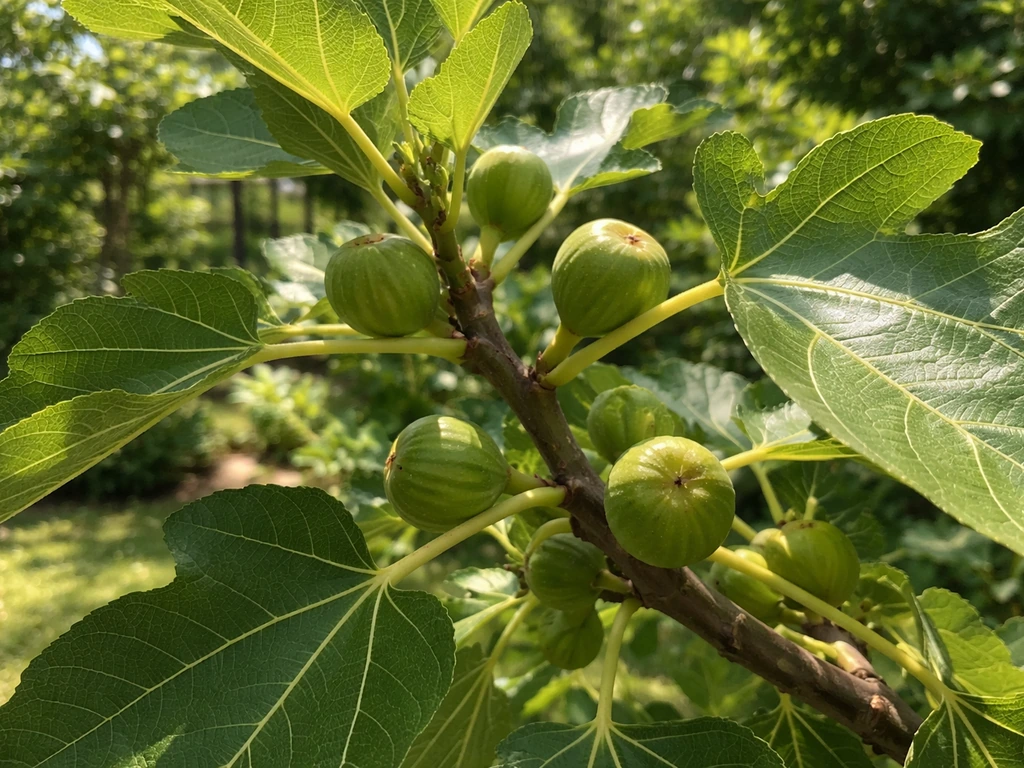
Yes, you can use Miracle-Gro on evergreens, but the product you choose and the timing matter a lot. The safest options are the Miracle-Gro Evergreen Plant Food Spikes (12-6-12) or the Miracle-Gro Shake 'N Feed for trees and shrubs, applied once in spring and once in early fall. Quick-release liquid Miracle-Gro can work in a pinch, but it carries a much higher risk of fertilizer burn if you get the concentration or timing wrong. Stick with the slow-release or spike formats for evergreens and you'll avoid most of the common problems.
Can You Use Miracle-Gro on Evergreens Safely?

Marcus Weir
16 Jun 2026
What Miracle-Gro actually does vs. what evergreens actually need
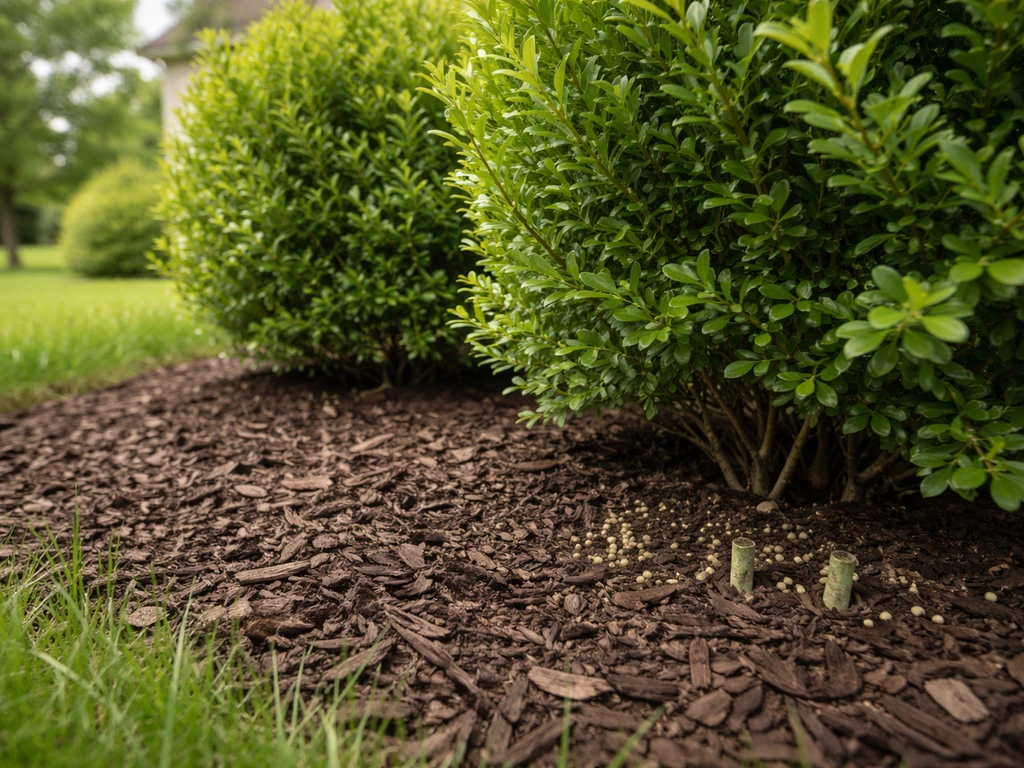
Miracle-Gro products generally come in three formats: water-soluble liquids (quick-release), granular slow-release (like Shake 'N Feed), and spike form. The difference matters enormously for evergreens. Quick-release formulas dump a concentrated dose of nutrients fast, which is great for hungry annuals and vegetables but can easily overwhelm an evergreen's roots, especially in dry soil or hot weather. Slow-release granules and spikes feed over weeks or months, which is much closer to how evergreens actually want to eat.
Evergreens are not heavy feeders. Can bird of paradise be treated the same way, or does it need a different fertilizer approach than typical evergreens Evergreens are not heavy feeders.. Unlike flowering plants or fruit trees that push out lots of new growth every season, most evergreens have modest nutrient requirements. They do best with a balanced but moderate supply of nitrogen, phosphorus, and potassium. Too much nitrogen in particular pushes soft, rapid new growth that can't harden off before winter, which leads to dieback. The Miracle-Gro Evergreen Spikes at 12-6-12 NPK or the Tree and Shrub Spikes at 15-5-10 hit a reasonable range for most evergreens without overloading them, as long as you follow the dosage and timing.
Which evergreen types and soils change the answer

Not all evergreens respond the same way to a standard fertilizer program. Acid-loving evergreens like rhododendrons, azaleas, hollies, and blueberries need a lower soil pH (around 4.5 to 6.0) to absorb nutrients properly. Using a general Miracle-Gro formula on these without addressing soil pH first is like watering a locked door. The nutrients are there but the plant can't get to them, and you may trigger deficiency symptoms even while technically feeding the plant. For these types, an acid-specific fertilizer formula is a better fit than standard Miracle-Gro products.
Conifers like arborvitae, spruce, pine, and juniper are generally more forgiving and respond well to the Miracle-Gro spike approach at standard rates. Broadleaf evergreens like boxwood, laurel, and Southern magnolia also do fine with a balanced slow-release formula. Soil also plays a big role. Sandy, fast-draining soil loses nutrients quickly, so you may see more benefit from fertilizing. Dense clay soils retain nutrients longer, meaning over-application risk is higher and you should be more conservative. Always check your soil before assuming you need to fertilize at all. Many established evergreens in reasonably healthy soil don't need annual feeding.
When to use Miracle-Gro on evergreens
Timing is where most people go wrong. The standard guidance for Miracle-Gro evergreen products is once in early spring and once in mid-fall, and that window exists for a reason. Spring feeding gives the plant a nutrient boost just as it's entering active growth. Fall feeding (not late fall) helps support root development heading into winter without pushing new top growth that won't survive frost.
The hard cutoff to remember is mid-July. Do not fertilize evergreens after that point in summer. Late-season nitrogen stimulates new growth that won't have time to harden before cold weather arrives, and that's a recipe for winter dieback. The other firm rule is this: never fertilize a drought-stressed evergreen. UMN Extension also cautions never to fertilize drought-stressed evergreens because fertilizer can burn stressed roots or stimulate growth when the plant lacks energy never fertilize a drought-stressed evergreen. If your tree hasn't had adequate water and the soil is dry and compacted, adding fertilizer is going to concentrate salts around the roots and cause burn, not growth. Water first, let the plant recover, then feed.
- Best window: early spring (when ground softens) and mid-fall (before hard frost)
- Stop all nitrogen fertilization by mid-July at the latest
- Skip feeding entirely if the plant is drought-stressed or recently transplanted
- Do not fertilize dormant evergreens in winter or early spring before new growth begins
- Young evergreens in their first year: hold off on fertilizing entirely until established
How to apply Miracle-Gro to evergreens safely
Using Miracle-Gro Evergreen Spikes (the easiest method)
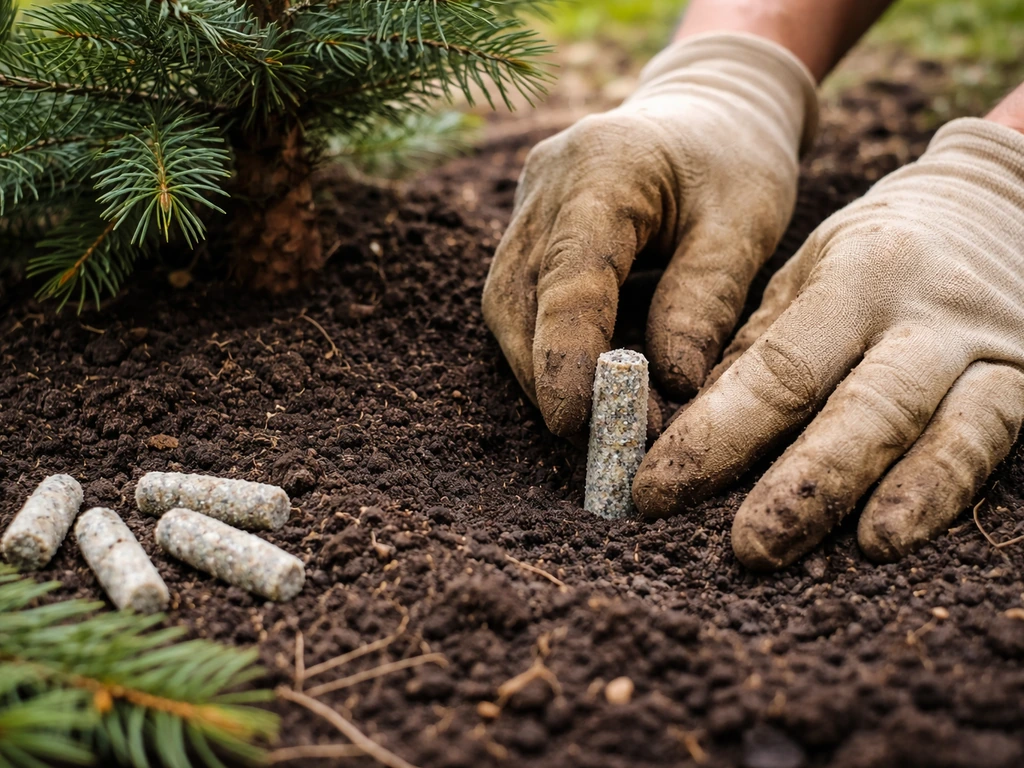
The Miracle-Gro Evergreen Plant Food Spikes (12-6-12) are honestly the easiest approach and the one I'd recommend to most home gardeners. You apply them twice a year and the math is straightforward. Place spikes around the drip line of the tree (the outer edge of the branch spread), not against the trunk. Space them at least 3 feet apart. If the ground is dry, water it first before driving the spikes in. The number of spikes you use is based on the diameter of the drip line, which the product packaging walks you through. Following that chart matters because over-concentrating spikes in one area creates a fertilizer hotspot that can burn roots.
Using Miracle-Gro Shake 'N Feed (granular slow-release)
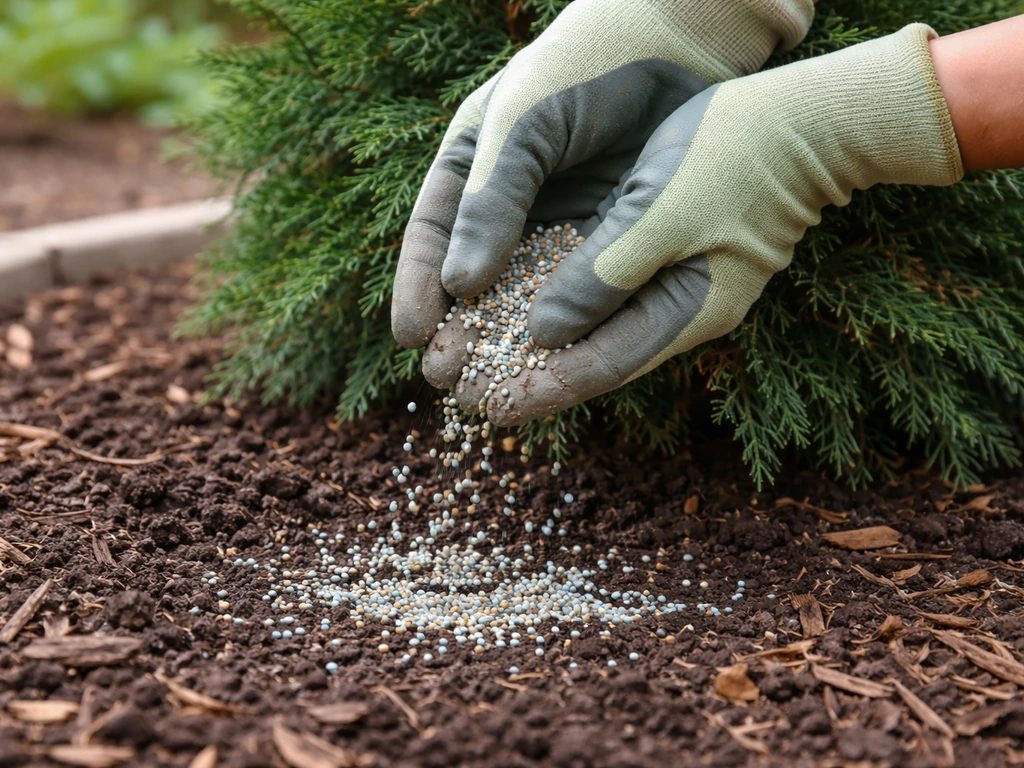
The Shake 'N Feed line is a continuous-release granular fertilizer that feeds for around 3 months. Spread it evenly on the soil surface within the branch spread area (the root zone), then water it in thoroughly. This method works well for larger evergreens and gives you a more even distribution than spikes. The key mistake to avoid here is clumping or concentrating the granules in one spot. Spread evenly, follow the label's rate per square foot, and water in right after application to start activating the feed and diluting any surface salt concentration.
Using water-soluble Miracle-Gro (liquid, quick-release)
This is the Miracle-Gro most people are familiar with, the blue powder you mix with water. It works on evergreens, but it requires more care. The risk is higher because the full nutrient dose hits the roots at once. If you go this route, mix strictly to the label directions, never stronger. Apply to moist soil (never dry), avoid application during heat waves or drought, and water the area again after feeding. I'd only use this format for a quick corrective feeding if I spotted a clear nutrient deficiency mid-season, not as a regular feeding routine for established evergreens.
Signs you're over or under-fertilizing your evergreen
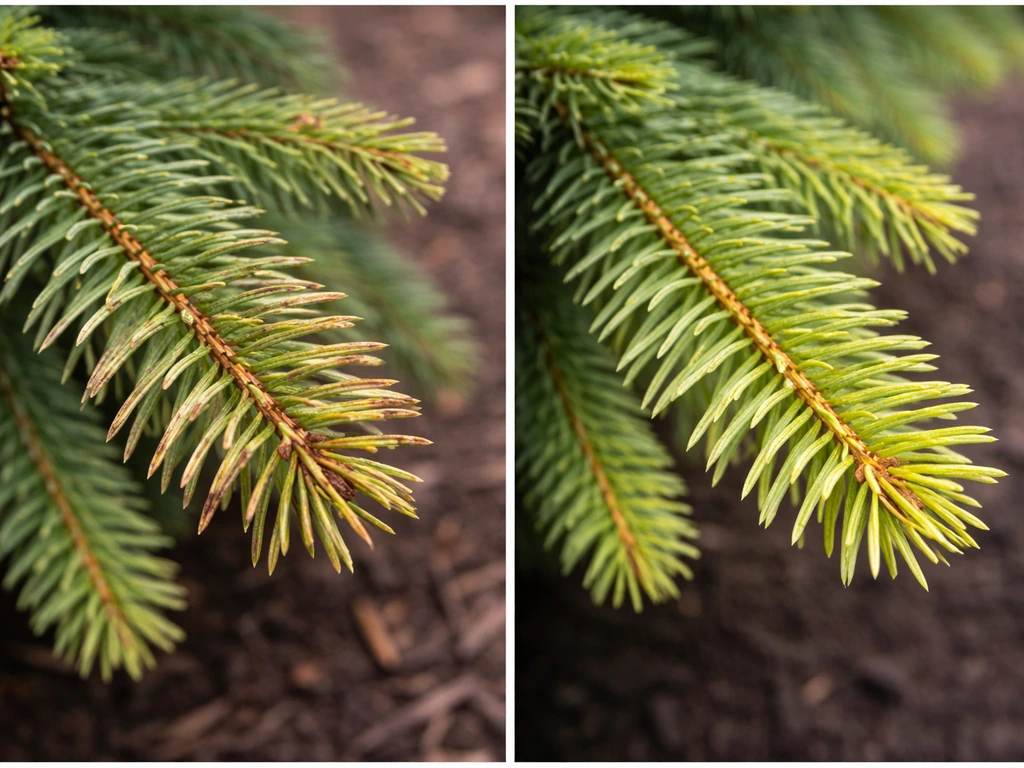
One of the trickier parts of evergreen care is that both too much and too little fertilizer can look similar at first glance. Here's how to tell them apart.
| Symptom | Likely Cause | What to Do |
|---|---|---|
| Brown or scorched leaf tips/margins | Fertilizer burn (salt damage) | Flush soil with deep watering, hold off fertilizing |
| Yellowing between leaf veins (interveinal chlorosis) | Nutrient deficiency (often iron or nitrogen) | Test soil pH; consider acid fertilizer for acid-loving types |
| Soft, fast, weak new growth in late summer | Too much nitrogen too late in season | Stop feeding immediately; avoid fall nitrogen |
| Overall pale green or light coloring on new growth | Low nitrogen, plant is hungry | Light feeding in spring with balanced formula |
| Brown tips after winter, no new damage in spring | Winter desiccation, not fertilizer | Water consistently; fertilizer won't fix this |
| Needles dropping heavily, no new growth | Possible root burn from over-fertilization | Deep watering to flush; check soil salt levels |
One thing that trips people up is confusing fertilizer scorch with winter burn. Winter desiccation (from dry cold winds) shows as browning on the windward side of the plant, typically on the outer needles or leaves. Fertilizer burn tends to show as tip or margin browning more uniformly, often following a recent feeding. Penn State Extension points out that winter injury patterns have a directional or wind-exposed character that fertilizer damage usually doesn't. If you're seeing browning in June after a spring feeding, that's more likely fertilizer-related than winter stress.
Better alternatives and best practices for evergreen health
Miracle-Gro is convenient and works well when used correctly, but it's not the only option and in some cases not the best one. You can also apply the same careful timing and fertilizer-burn precautions when asking can you use Miracle-Gro on butterfly bushes, since flowering shrubs can respond differently than evergreens. Can you use Miracle-Gro on poinsettias? Yes, but use it carefully and time it to match how poinsettias grow. If you're growing acid-loving evergreens, Holly-tone or Espoma's organic evergreen fertilizer formulas are specifically buffered for lower pH conditions and release nutrients more gently than most synthetic options. For large, established conifers that are growing well, a topdress of compost around the drip line each spring is honestly enough in many cases. Healthy soil biology feeds trees more consistently than any bag of fertilizer.
For a comparison of the main approaches side by side:
| Product Type | Best For | Risk Level | Frequency |
|---|---|---|---|
| Miracle-Gro Evergreen Spikes (12-6-12) | Most conifers and broadleaf evergreens | Low (slow-release) | Twice yearly: spring + fall |
| Miracle-Gro Shake 'N Feed (granular) | Larger trees, wider root zones | Low-moderate | Every 3 months in growing season |
| Miracle-Gro Water-Soluble (liquid) | Corrective feeding only | Higher (quick-release) | Only when deficiency is clear |
| Acid-specific fertilizer (e.g., Espoma, Holly-tone) | Rhododendrons, hollies, azaleas | Low | Spring + fall |
| Compost topdress | Established trees in decent soil | Very low | Once annually in spring |
If I had to give one recommendation for most home gardeners asking this question: go with the Miracle-Gro Evergreen Spikes, apply them in early spring and mid-fall, follow the drip-line placement instructions, water before and after, and skip it entirely if the plant is stressed or the soil is dry. That approach covers 90% of situations without any drama. Save the liquid Miracle-Gro for your annuals and vegetables where it really shines, similar to how you'd approach feeding something like a fig tree or a butterfly bush that responds well to more aggressive feeding schedules.
The biggest mistake I see is people over-fertilizing because the plant looks off and they assume more food will help. Evergreens are slow growers. They don't respond to fertilizer the way annuals do. If your spruce or arborvitae is struggling, check watering, soil drainage, and pH before reaching for the fertilizer bag. In most cases, getting those fundamentals right does more for an evergreen than any feeding program.
FAQ
Can you use Miracle-Gro on newly planted evergreens, or should you wait?
If the evergreen was planted recently, wait until it has rooted and shows new growth, typically after the first active season. For the first year, use a lighter, label-appropriate dose or skip feeding if the soil is already amended, because new transplants are more sensitive to salt concentration and root disturbance.
What if my evergreen is in a container, does the Miracle-Gro evergreen timing still apply?
Container evergreens dry out faster and can be more vulnerable to fertilizer burn. Use the same spring and early-fall window, but consider reducing the rate to the low end of the label and water thoroughly before and after feeding. Also ensure the pot drains well so excess salts do not accumulate around the roots.
How do I tell how much to apply if I do not know the drip-line diameter?
Use the label’s measurement method tied to canopy spread, not trunk size. If you cannot measure accurately, start with fewer spikes at the lower end rather than trying to “estimate bigger,” since over-concentrating in one area is a common cause of root scorch.
Is it safe to use Miracle-Gro spikes if the soil is compacted or very dry?
Do not drive spikes into hard, dry soil without watering first. Water until the root zone is evenly moist, then apply. Dry, compacted ground increases the chance that salts stay concentrated near roots, raising the risk of burn.
Can I mix Miracle-Gro with compost or other fertilizers at the same time?
Avoid stacking multiple nitrogen sources. If you topdress with compost, do not also use additional Miracle-Gro beyond the normal label program unless the total nutrients are accounted for, since that increases the chance of soft growth and fertilizer injury.
What should I do if I accidentally fertilized after mid-July?
Stop further fertilizing immediately. Focus on consistent watering (especially if weather turns dry), and avoid pruning that stimulates new tender growth. Monitor for winter dieback next cold season, and if you see significant damage, consider professional assessment before the next spring feeding.
Can Miracle-Gro be used on yellowing evergreens, or is that always a fertilizer problem?
Yellowing can come from drainage issues, root damage, iron deficiency, pests, or pH problems, not just low nutrients. Before feeding, check soil moisture and drainage and test soil pH for acid-loving types, because applying standard fertilizer when pH is wrong may not correct the symptom and can still cause burn.
How often can you use Miracle-Gro on evergreens if the tree seems to be growing slowly?
Stick to the twice-per-year rhythm for the evergreen spikes or shake-and-feed schedule. Evergreens are slow growers, so increasing frequency usually raises risk without improving growth. If growth is poor, address watering, sunlight, and soil pH first.
Is Miracle-Gro safe for evergreen seedlings or small saplings?
Small plants need more careful dosing. Use only after they are established enough to handle stress, and apply at the lowest label rate. In very young plantings, consider delaying fertilization until there is clear spring recovery, because a heavy dose can overwhelm their smaller root systems.
Can I use Miracle-Gro on evergreens that are drought-stressed or recovering from transplant shock?
No, not until the plant recovers. If leaves are drooping, needles are dull or dry, or soil is pulling away from the pot edge, water first and wait. Fertilizer during drought concentrates salts around stressed roots and can worsen decline.
Will Miracle-Gro affect soil pH, and does it matter for acid-loving evergreens?
Some synthetic fertilizers can shift pH over time, and pH heavily influences nutrient availability. For rhododendrons, azaleas, hollies, and similar plants, do a soil pH check and use an acid-targeted evergreen formula if needed, since “feeding” the plant without the right pH often leads to persistent deficiency symptoms.
What is the best way to water right after applying Miracle-Gro for spikes or granules?
Water immediately after application for granular products, and ensure the root zone becomes evenly moist for spikes too, especially if rainfall is not expected. A thorough watering helps dissolve nutrients and move them away from concentrated surface salts, reducing the chance of tip burn.
Next Article
Can You Use Miracle-Gro on Fig Trees? Safe Fertilizing Guide
Learn if you can use Miracle-Gro on fig trees, which formula fits, and safe timing to prevent overfertilizing.