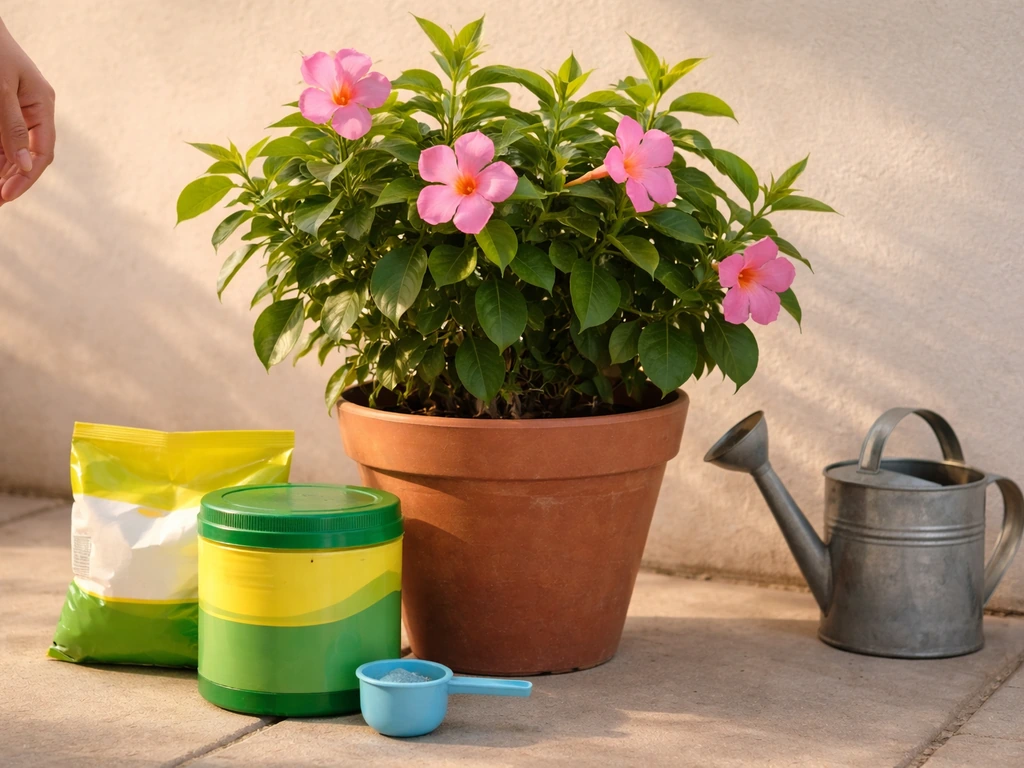
Yes, you can use Miracle-Gro on fig trees, and it works reasonably well when you pick the right product and apply it at the right time. If you are wondering whether Miracle-Gro products also work on poinsettias, the answer depends on using a formula meant for flowering plants and following the label rate Miracle-Gro on poinsettias.
Can You Use Miracle-Gro on Fig Trees? Safe Fertilizing Guide

Marcus Weir
30 May 2026
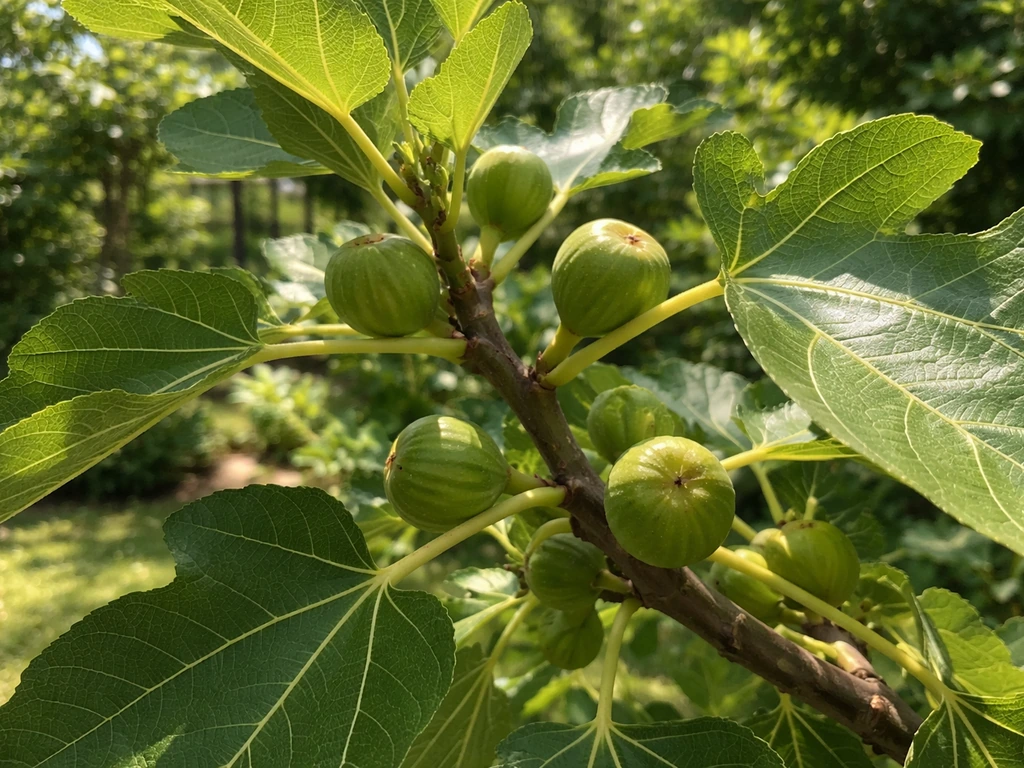
The tricky part is that 'Miracle-Gro' covers a whole family of products with very different formulas, and handing a fig tree the wrong one, or applying any of them at the wrong stage of the season, can push it toward lush leafy growth at the expense of fruit.
Overfeeding a fig with excess nitrogen can cause leaf burn and leggy, non-fruiting growth, so switching to a balanced, slow-release fertilizer can help when you see deficiency or growth symptoms excess nitrogen overfeeding can cause leaf burn and leggy growth.
Get the product and timing right, though, and your fig will respond well.
Which Miracle-Gro Products Actually Work for Figs
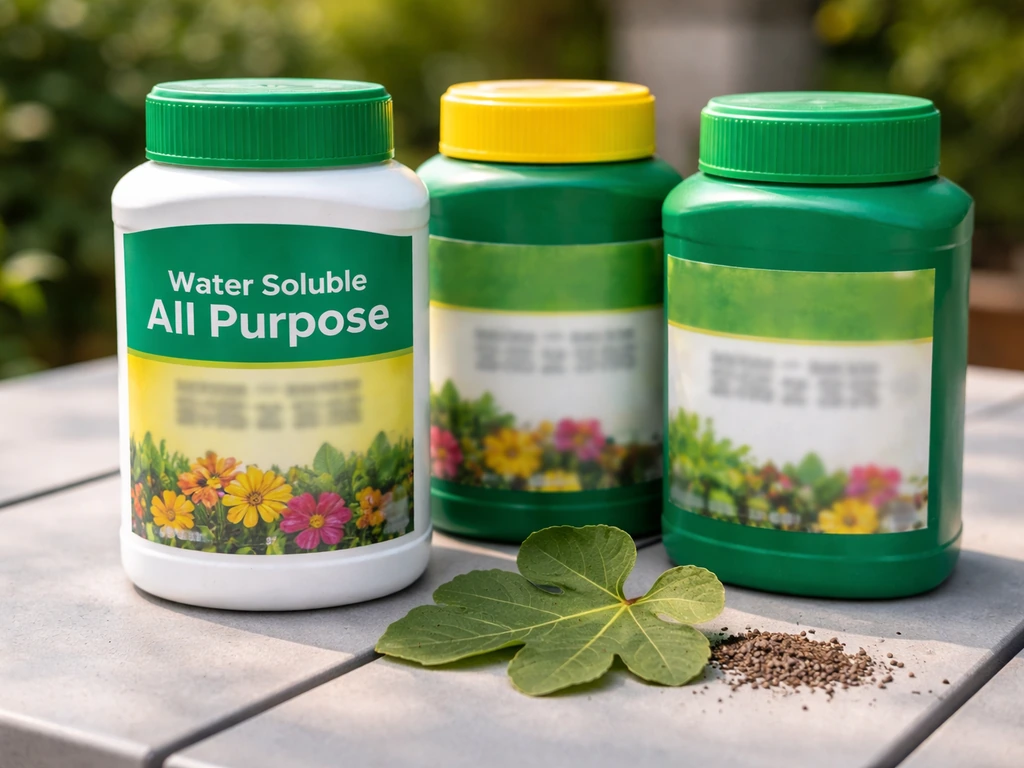
Not every Miracle-Gro product is a good match for figs, so this is where most people go wrong. Here is how the main options stack up.
| Product | NPK | Best For Figs? | Notes |
|---|---|---|---|
| Miracle-Gro Water Soluble All Purpose (24-8-16) | 24-8-16 | Use with caution | High nitrogen; great for leafy growth but can reduce fruiting if overused |
| Miracle-Gro Shake 'N Feed All Purpose | Varies by batch | Decent option | Slow-release granules; lower burn risk than water-soluble; apply 4 tbsp per 4 sq ft |
| Miracle-Gro Fruit & Citrus Spikes (10-15-15) | 10-15-15 | Best spike option | Lower N, higher P and K; designed for fruiting; apply at drip line in spring and fall |
| Miracle-Gro Performance Organics Edibles Plant Nutrition | OMRI-listed | Best overall pick | Formulated for fruits; works in ground and containers; lower burn risk |
The Water Soluble All Purpose formula is the one most people already have in the garage, and it is labeled for trees. It works, but that 24-8-16 ratio carries a lot of nitrogen, which can push figs into making lots of leaves and very little fruit. If you use it, keep the dose light.
The Fruit and Citrus Spikes (10-15-15) are a smarter match for figs because the ratio is tilted toward phosphorus and potassium, which support flowering and fruiting rather than just green growth. Miracle-Gro's own guidance says to apply spikes once a season in spring and fall by driving them into the soil at the drip line.
One caveat from Miracle-Gro's own tree-care guidance: spikes may not be ideal for young, newly planted trees, so if your fig went in the ground this year, stick with a diluted liquid feed instead.
The Performance Organics Edibles line is the one I would reach for first. It is OMRI-listed, specifically formulated for fruits, and Miracle-Gro labels it as suitable for both in-ground and container use. That makes it the most versatile option whether your fig is growing in a pot on the patio or rooted in a garden bed.
What Figs Actually Need From a Fertilizer
Figs are not heavy feeders. In fact, UMD Extension notes that regular fertilizing of figs is usually only necessary when they are growing in sandy, low-nutrient soils. In decent garden soil, a healthy, actively growing fig may not need any fertilizer at all, which is worth keeping in mind before you open any bag or bottle. That said, container-grown figs are a different story: nutrients flush out of pots quickly, and those trees genuinely benefit from a regular feeding schedule.
When a fig does need feeding, what it needs shifts with the season. In spring, when the tree is pushing new growth and setting up for flowering, a balanced formula is fine. Once you start seeing the tree move into its fruiting phase (roughly late spring through summer), you want to tilt toward higher potassium. When you start to see spring growth, Gardening Know How advises applying a potassium-rich fertilizer tilt toward higher potassium. Potassium supports fruit development, cell strength, and overall fruit quality. A high-nitrogen formula at this point is the wrong tool. Think of nitrogen as the leafy-growth gas pedal and potassium as the fruiting one.
Soil pH matters too. LSU AgCenter guidance puts the ideal pH range for figs at 6.0 to 7.0. If your soil is outside that range, nutrients can get locked out no matter how much fertilizer you apply, so a quick soil test before you start is a smarter first step than reaching straight for the Miracle-Gro.
How to Apply Miracle-Gro to Figs Safely
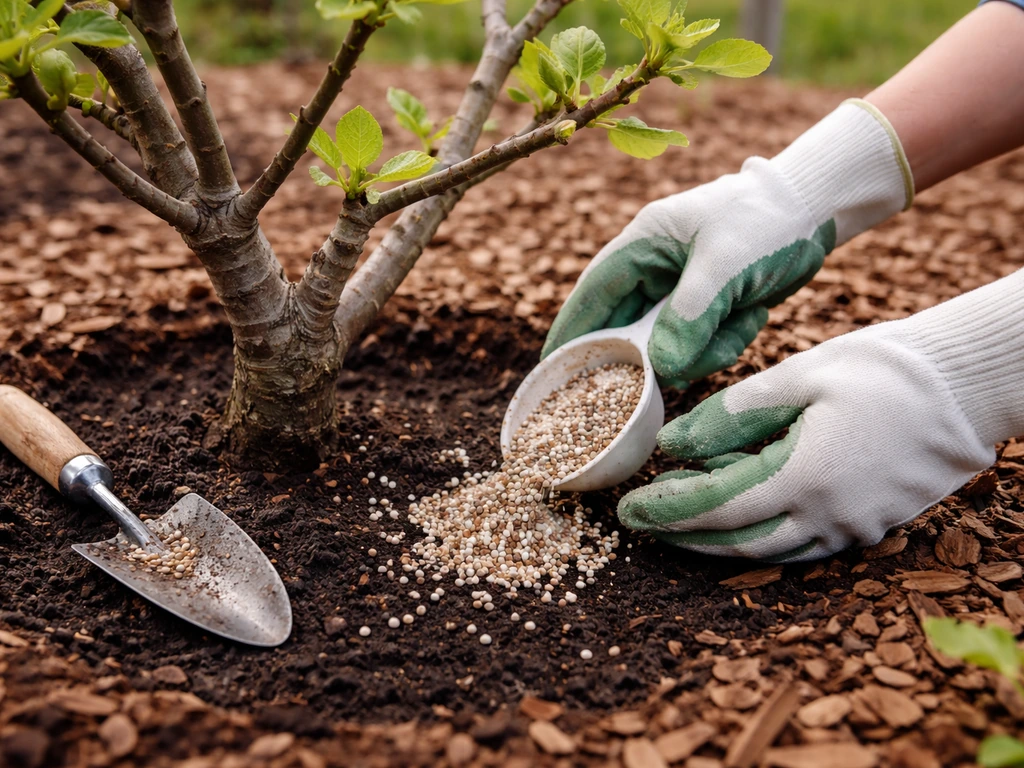
For in-ground fig trees
In-ground figs generally need just one solid spring feed. Apply after bud break when you can see new leaves starting to unfold. If you are using the Water Soluble All Purpose formula, mix 1. 5 tablespoons per 1.
5 gallons of water and water the root zone thoroughly, not just the base of the trunk. Reach out to the drip line, which is directly under where the outermost branches extend. If you are using Shake 'N Feed granules, the guideline is 4 tablespoons per 4 square feet of soil, worked lightly into the top inch and then watered in well.
For the Fruit and Citrus Spikes, drive them into the ground evenly spaced around the drip line, once in spring and once in fall. If you are wondering whether the same Miracle-Gro approach works for butterfly bushes, the answer depends on the product type and how much nitrogen it contains can you use Miracle-Gro on butterfly bushes.
For potted fig trees
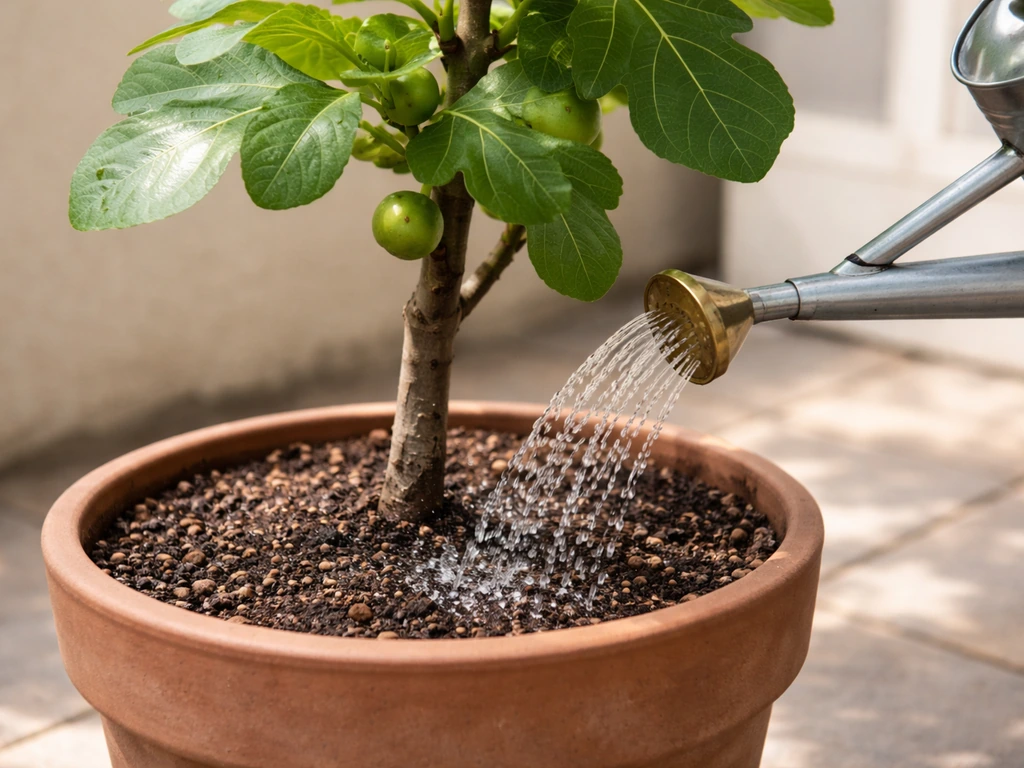
Container figs need more frequent feeding because nutrients leach out every time you water. A practical schedule is to blank" rel="noopener noreferrer">feed lightly every two to four weeks from bud break in spring through late summer. If you also keep jade plants, the same Miracle-Gro caution applies, so it helps to use a suitable formula and avoid overfeeding can you use Miracle-Gro on jade plants.
Once you see the fruits starting to swell and ripen (often by August or September), stop fertilizing entirely. Feeding at that stage can actually interfere with fruit ripening and push the tree into tender new growth that will struggle when temperatures drop. For pots, the Performance Organics Edibles liquid feed or a diluted water-soluble formula works better than spikes, which are harder to place evenly in a container and can concentrate near certain roots.
Common Mistakes That Make You Regret Fertilizing
- Feeding too late in the season: Fertilizing in late summer or fall pushes soft new growth that gets damaged by cold. Stop feeding potted figs by late summer and in-ground figs after the first flush of summer growth.
- Using a high-nitrogen formula during fruiting: The 24-8-16 ratio in the standard All Purpose formula is heavy on nitrogen. If you see lots of big, dark green leaves but very little fruit, this is almost always the culprit. Switch to a lower-nitrogen, higher-potassium formula once fruiting begins.
- Fertilizer salt buildup in containers: If you see a white crusty deposit on the surface of your potting mix or around the drainage holes, that is salt accumulation from fertilizer. Flush the pot thoroughly with plain water every few weeks to flush salts out the bottom. Letting the pot dry out completely between waterings makes this worse.
- Fertilizing a stressed or newly planted tree: A tree that is dealing with drought stress, transplant shock, or root damage cannot use fertilizer effectively and can suffer root burn. Water thoroughly and let the tree stabilize for several weeks before introducing any fertilizer.
- Skipping a soil test: In-ground figs may not need fertilizer at all if the soil is already reasonably fertile. Applying a complete N-P-K fertilizer to soil that is already adequate in phosphorus or potassium can create imbalances. A basic soil test is worth the few dollars.
Better Alternatives if Miracle-Gro Is Not Quite Right
Miracle-Gro is convenient, but it is not the only path to a healthy, productive fig. If you want to go a more natural route, well-aged compost is one of the best things you can give a fig. Work a 2 to 3 inch layer into the soil around the drip line in early spring and let it break down slowly. It feeds the soil biology, improves structure, and provides a gentle, steady nutrient release without any risk of burn.
For a more targeted approach, a balanced slow-release granular fertilizer with a roughly equal N-P-K ratio (something in the range of 10-10-10) applied once in spring handles most in-ground figs without any fuss. If you want to specifically encourage fruiting, look for a fertilizer labeled for fruit trees with a lower nitrogen number relative to potassium, similar to the Fruit and Citrus Spikes profile. Fish emulsion, alfalfa meal, and kelp meal are also popular organic options that are much harder to over-apply than synthetic water-soluble fertilizers.
It is worth noting that figs share some fertilizer logic with other plants in this family of questions. Evergreens, for instance, have very different nitrogen needs than fruiting trees, and getting that balance wrong shows up in the same ways: great growth, poor output. The broad lesson is that the right product matters more than the brand name on the bag.
What to Do Right Now, Step by Step
If you are reading this in late May 2026, here is exactly what to do today based on your situation.
- Look at your tree. Is it actively growing with visible new leaf buds or young leaves? If yes, it is the right window to fertilize. If it is dormant, stressed, or was just planted this spring, wait another few weeks.
- Check the soil. Dig a small test hole a few inches deep near the drip line. Does the soil look dark and rich, or pale and sandy? Sandy, nutrient-poor soil is where Miracle-Gro or any fertilizer earns its keep most. Rich garden loam may need nothing at all this season.
- Check your container (if applicable). Look for white salt crust on the soil surface or around the pot rim. If you see it, flush the pot with plain water first and let it drain completely before applying any fertilizer.
- Pick your product. For a container fig right now in late May, reach for Miracle-Gro Performance Organics Edibles or a diluted Water Soluble All Purpose at half the recommended rate. For an in-ground fig, the Fruit and Citrus Spikes at the drip line or a single application of balanced slow-release granules is the move.
- Apply and water in. Whatever formula you use, water the tree well before and after applying. Never fertilize dry roots. For liquid formulas, water, apply, then water lightly again to push nutrients down to the root zone.
- Set a calendar reminder. For potted figs, mark your next feeding 2 to 3 weeks out. Mark a hard stop date in late August. For in-ground figs, note a fall application of Fruit and Citrus Spikes if you went that route in spring.
- Watch the tree for two to three weeks. Healthy response looks like steady new leaf growth without excessive, floppy, oversized leaves. If leaves start looking huge and dark green with no fruit development, dial back the nitrogen next time.
FAQ
Can I use Miracle-Gro on a fig tree that has leaves but no fruit yet?
You can, but only if the label says it is for fruiting trees and you avoid high-nitrogen options. A good rule is to skip general-purpose Miracle-Gro early in the growing season if your goal is figs, because excess nitrogen can delay or reduce fruiting.
When is the worst time to fertilize a fig tree with Miracle-Gro?
Wait until you can see new growth after bud break. Applying earlier often leads to wasted nutrients, and for some products it can push soft, vulnerable flushes that get stressed by cooler weather or pruning wounds.
If I already used compost or fertilizer this spring, should I still add Miracle-Gro?
Not usually. If your soil has been recently amended with compost, manures, or a slow-release fertilizer, adding another feeding can overdo nitrogen or salts. If you want to fertilize, reduce the dose by about half or wait until the next scheduled window.
Should I keep feeding with Miracle-Gro after figs start ripening?
Stop or back off once fruit begins to swell and ripen. Continuing to feed can stimulate tender new growth, which can steal energy from ripening and reduce the quality or sweetness of late-season figs.
What’s the safest way to water after using Miracle-Gro on a fig?
Yes, but take the label dose seriously and spread the fertilizer into the root zone. Over-watering or applying concentrated fertilizer only around the trunk can create nutrient hotspots and salt buildup, which can harm roots even if the product is “for trees.”
My fig isn’t responding, could soil pH be the reason even if I’m using the right Miracle-Gro product?
A soil test changes the decision. If your pH is below about 6.0 or above about 7.0, nutrients can become less available, so switching formulas may not solve the issue. In that case, adjust pH through soil amendments before you keep fertilizing.
How do I adjust Miracle-Gro feeding if my fig is in a small vs. large container?
No, the same Miracle-Gro product and rate usually should not be used across containers of different sizes. In small pots, nutrients deplete faster, so you may need more frequent light feedings, while very large containers may do better with less frequent feeding at a lighter dose.
How can I tell if my fig has an overfertilization problem versus a nutrient deficiency?
It depends on the plant’s stress and how you detect it. If you see yellowing with weak growth, check watering first, then consider an appropriate feed. If you see lots of dark green leaves and no fruit, that often points to excess nitrogen, so switch away from all-purpose formulas.
Can I use Miracle-Gro spikes on a newly planted fig tree?
If your fig is newly planted this year, avoid the “spikes only” approach. The body text suggests using a diluted liquid feed for young trees, because spikes or heavier doses can be too much until the root system is established.
Is it safer to use organic Miracle-Gro options on figs than the water-soluble all-purpose formula?
Yes, in general organic options like Performance Organics Edibles or compost carry less risk of salt burn, especially when you keep rates conservative. Still, even “gentler” feeds can overdo it, so use the container/in-ground guidance based on your growing situation.
Next Article
Is Miracle-Gro Good for Mandevilla? How to Feed It Safely
Yes, Miracle-Gro can feed mandevilla safely. Get correct NPK choice, dilution, schedule, and signs to avoid burn.