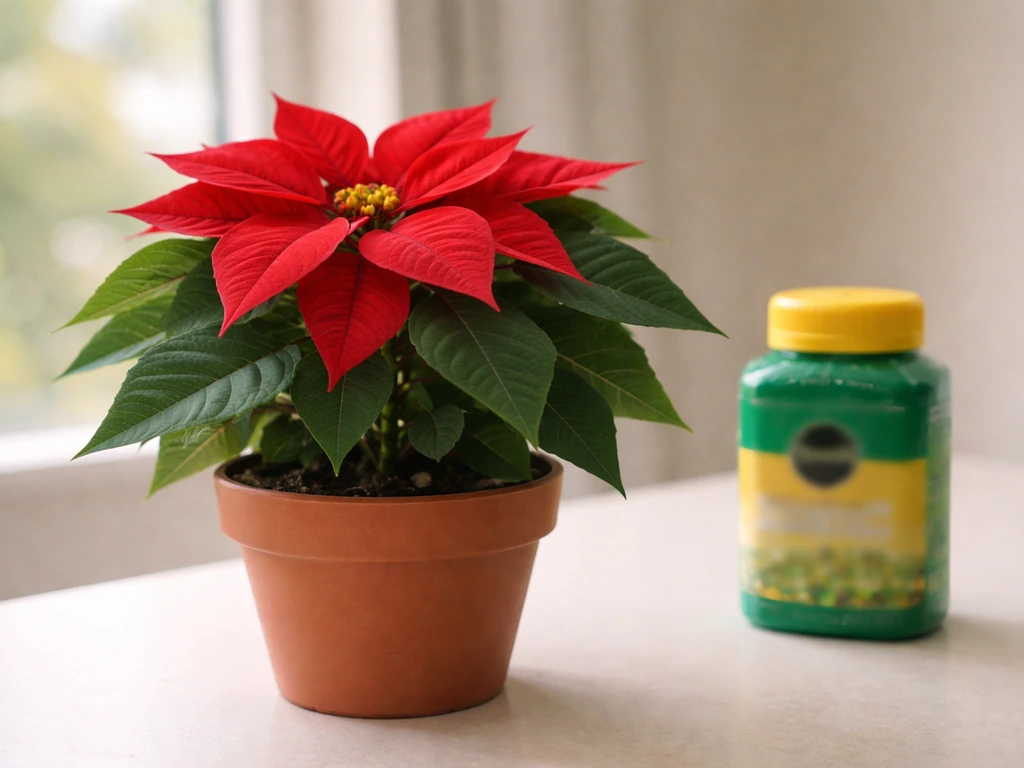
Yes, you can use Miracle-Gro on poinsettias, and it works well as long as you pick the right formulation, dilute it correctly, and only feed during active growth. blank" rel="noopener noreferrer">Miracle notes that Miracle-Gro Liquid All Purpose Plant Food Concentrate instructs for container plants to mix 1 teaspoon per gallon of water and apply to the soil every 2 weeks. You can use Miracle-Gro on butterfly bushes too, but you still need to choose the right formulation and fertilize only during active growth. The biggest mistakes people make are feeding at the wrong time of year, using too strong a concentration, or applying it to dry roots. Do those things and you will end up with brown leaf edges and a stressed plant instead of lush green foliage.
Can You Use Miracle-Gro on Poinsettias? Safe Rates and Timing

When to fertilize and what you're actually trying to achieve
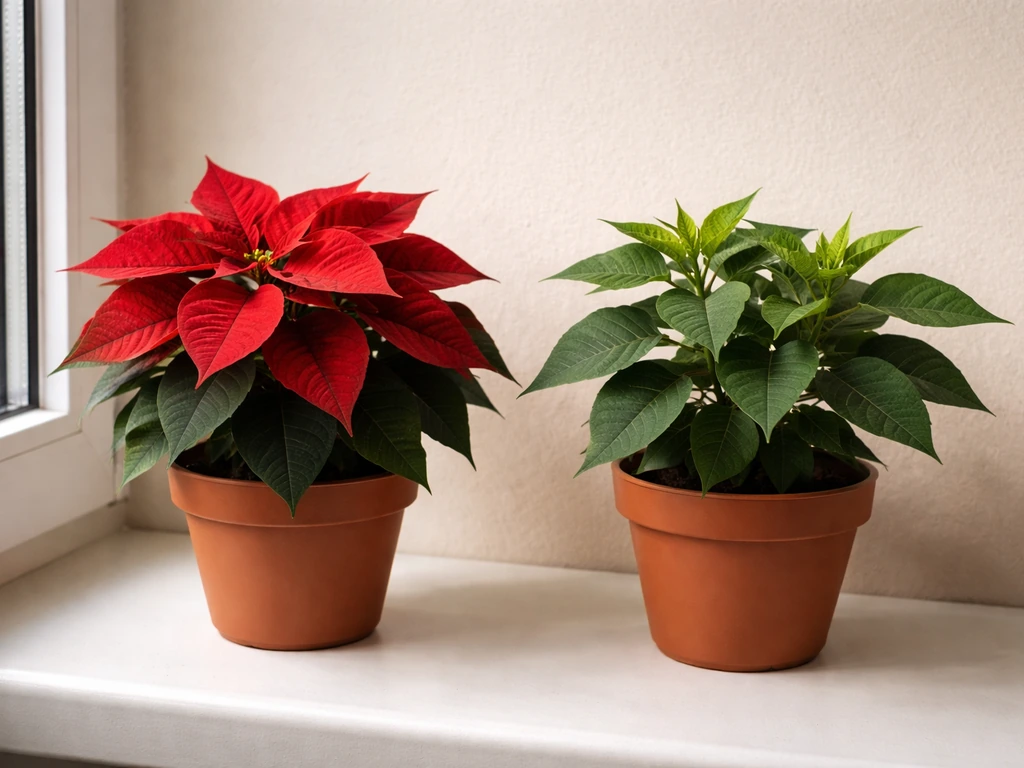
Poinsettias have two very different phases, and fertilizer only helps during one of them. Right after you buy one around the holidays, the plant is already finished doing its main job (producing those colorful bracts), and feeding it at that point is mostly wasted effort. The roots are also often stressed from sitting in a store. Wait until you see new green leaves pushing out, which is your signal that the plant is actually growing and can use nutrients.
Once new growth starts, usually late winter or spring if you are keeping the plant going after the holiday season, start feeding every two weeks with a water-soluble fertilizer. That timing lines up with Texas A&M Extension guidance for poinsettias. The goal during this phase is healthy, dense green foliage and strong stems. You are essentially rebuilding the plant so it has the energy to produce bracts again later in the fall.
As summer moves into fall and the plant starts forming bracts, ease back on high-nitrogen feeding. Excess nitrogen late in the season pushes leafy green growth at the expense of bract color. If you want to support bract development specifically, a bloom-focused formula with more phosphorus becomes more relevant at that stage. Stop fertilizing entirely once the bracts are fully colored and the plant is in display mode.
Which Miracle-Gro product to actually use
Miracle-Gro makes several formulas and they are not all equally suited to poinsettias. Here is a quick breakdown of the main options and where they fit.
| Product | NPK | Best Use for Poinsettias | Watch Out For |
|---|---|---|---|
| Water Soluble All Purpose (24-8-16) | 24-8-16 | Active leaf growth phase (spring/summer) | High nitrogen, ease back before bract formation |
| Bloom Booster Flower Food (15-30-15) | 15-30-15 | Pre-bract and bract formation phase (early fall) | Too much phosphorus during vegetative growth |
| Indoor Plant Food liquid drops (1-1-1) | 1-1-1 | Year-round gentle maintenance for a kept plant | Very low nutrient level, slower results |
| Shake 'n Feed All Purpose (granular) | Varies | Outdoor or in-ground poinsettias only | Hard to control dose in containers, salt buildup risk |
For most people keeping a poinsettia indoors in a pot, the Water Soluble All Purpose (24-8-16) is the practical workhorse during active growth. The Bloom Booster (15-30-15) is worth switching to in early fall if you are trying to push bract color. The liquid Indoor Plant Food drops (1-1-1) are very gentle and hard to overdo, which makes them a reasonable choice if you are nervous about fertilizer burn or have a plant that has been recently stressed.
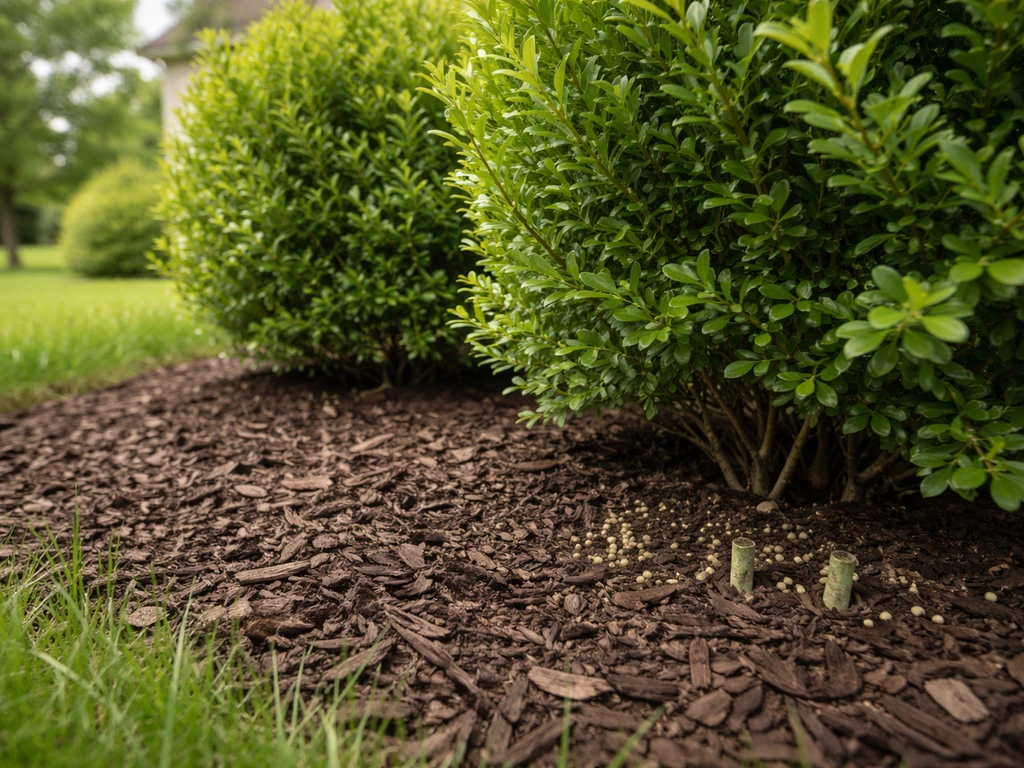
I would skip the granular Shake 'n Feed for container poinsettias. The slow-release granules can build up soluble salts in the confined potting mix faster than you expect, and you cannot easily correct the dose once they are in the soil. Granular formulas make more sense for plants in the ground, similar to how you might approach fertilizing something like an established fig tree or a butterfly bush growing in a garden bed. You can use a similar careful approach for figs too, but stick to the right fertilizer type and avoid overfeeding, especially in containers fertilizing something like an established fig tree.
Exact dilution rates and how often to apply
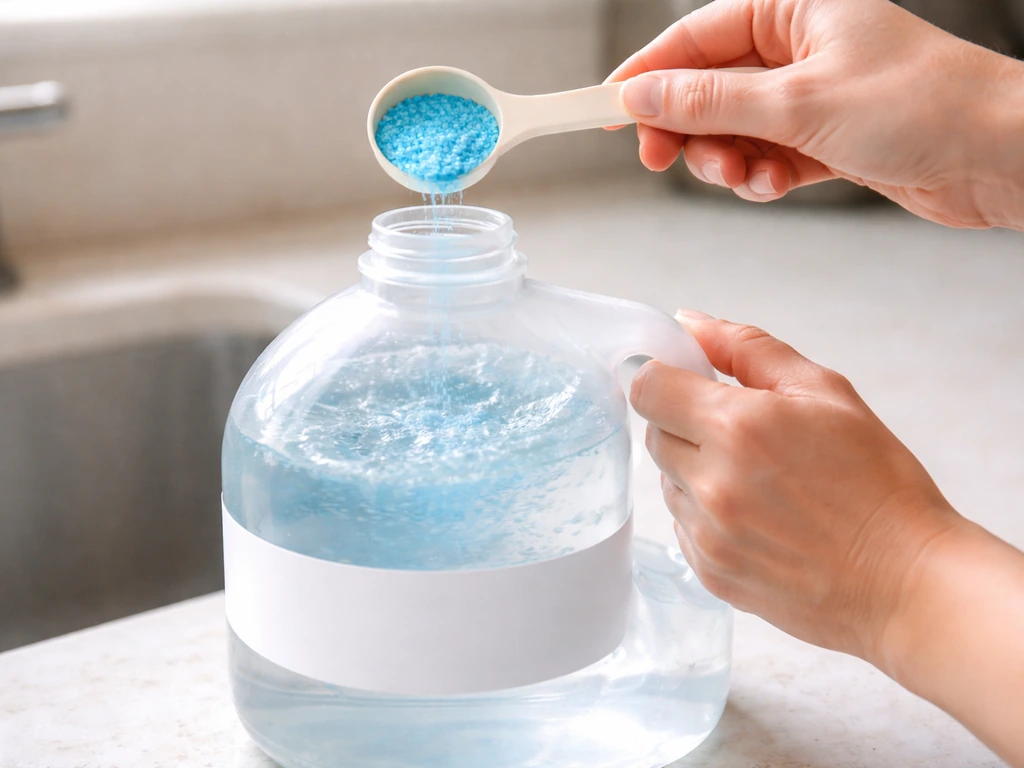
Always mix into water before it touches the roots. Never apply concentrated liquid fertilizer directly to dry soil or dry roots. That is the single easiest way to cause fertilizer burn. Water the plant lightly first if the soil is very dry, then apply the diluted fertilizer solution. Miracle-Gro Shake ’n Feed All Purpose plant food is used by applying it dry, then watering to start feeding, and reapplying every 3 months apply dry.
- Miracle-Gro Water Soluble All Purpose (24-8-16): mix ½ teaspoon per 1 gallon of water for indoor/container plants. Apply every 7 to 14 days during active growth.
- Miracle-Gro Bloom Booster Flower Food (15-30-15): mix ½ teaspoon per 1 gallon of water for indoor plants. Apply every 7 to 14 days during bract formation phase.
- Miracle-Gro Liquid All Purpose Concentrate: mix 1 teaspoon per gallon of water for container plants. Apply every 2 weeks.
- Miracle-Gro Indoor Plant Food liquid drops (1-1-1): mix 10 to 20 drops per quart of water. Apply once a week as a gentle maintenance feed.
- Miracle-Gro Shake 'n Feed (granular): apply dry to soil surface, then water in separately. Reapply every 3 months. Not recommended for container poinsettias.
The 7 to 14 day frequency from the All Purpose label is fine during peak growing season (spring through midsummer). By late summer I personally back off to every 14 days minimum, and I switch the formula to Bloom Booster around August or September. Always pour the diluted solution directly into the soil, not onto the leaves or bracts. If you accidentally splash leaves, rinse them off with plain water to prevent spotting or burn.
Signs you've overfertilized and how to fix it fast
Overfertilizing a poinsettia usually shows up as brown or scorched leaf edges, yellowing lower leaves, or a white crusty residue on the soil surface or pot rim. That crust is dried fertilizer salt, and it is a clear signal that salts are building up in the potting mix. Root damage from salt accumulation can also cause wilting even when the soil is moist, which is confusing until you know what to look for.
The fix is leaching. Take the pot to a sink or outside and run plain water through the potting mix slowly and thoroughly for several minutes, enough to flush several pot-volumes of water through the drainage holes. This dissolves and carries away the excess soluble salts. Oklahoma State University Extension specifically recommends this approach for container plants showing fertilizer-related leaf burn. Miracle-Gro products can be used on other houseplants too, but it is important to match the formula and feeding schedule to what the plant needs, such as jade plants can you use miracle grow on jade plants. After leaching, wait at least two weeks before fertilizing again, and when you restart, drop down to half the recommended dose for the first application.
One important note: if the damaged leaves are the colorful bracts rather than the green foliage, look at calcium before blaming nitrogen. Bract edge burn in poinsettias is a classic calcium deficiency symptom, not an overfertilizing symptom. The standard Miracle-Gro formulas do not provide meaningful calcium supplementation. This is more of a commercial grower concern, but it is worth knowing if you are puzzling over why your bracts look scorched on the edges despite careful feeding.
The rest of poinsettia care that makes fertilizing actually work
Fertilizer only does its job when the rest of the care is right. A poinsettia sitting in waterlogged soil or a dark corner is not going to respond well to feeding regardless of which Miracle-Gro you use. If your evergreens are also stuck in low light or soggy soil, feeding with Miracle-Gro or Miracle-Gro-type fertilizers will not help them the way you expect dark corner. Here is a quick checklist to run through alongside your fertilizing routine.
- Light: poinsettias need at least 6 hours of bright indirect light daily. A south or west-facing window works well. Low light = slow growth = fertilizer sitting unused in the soil.
- Watering: water thoroughly when the top inch of soil feels dry, then let it drain completely. Empty any standing water from saucers within 3 to 4 hours. Sitting in water suffocates roots and makes them much more vulnerable to fertilizer salt damage.
- Drainage: make sure your pot has drainage holes. If your pot came wrapped in decorative foil, either remove it or punch holes in the bottom so water can escape.
- Pot size: if the plant is root-bound or too large for its container, move it up one pot size using fresh potting mix. A cramped root system in a small volume of soil accumulates fertilizer salts much faster.
- Temperature: keep the plant away from cold drafts, heating vents, and temperatures below 50°F (10°C). Cold stress shuts down root activity and the plant cannot take up fertilizer even if it is there.
- Fertilizer timing: feed only during active growth. Stop feeding when the plant is in display mode with fully colored bracts. Resume when new green growth appears.
If you are growing other houseplants alongside your poinsettia, the same Miracle-Gro All Purpose formula you use here can rotate across many of them. The approach for something like a jade plant or an indoor bird of paradise follows similar dilution logic, though the timing and frequency shift based on each plant's growth cycle. The same general fertilizer timing and dilution rules apply to bird of paradise too, but it has different seasonal growth needs than poinsettias indoor bird of paradise. Poinsettias are more seasonally sensitive than most, which is really the main thing that makes their fertilizer schedule feel more involved than it actually is.
Realistic expectations: what Miracle-Gro will and won't do
Feeding your poinsettia correctly will give you dense, healthy green foliage, stronger stems, and a plant that has enough stored energy to attempt another bract cycle. It will not rescue a plant with root rot, fix cold damage, or force bracts to color up on demand. Bract color is triggered by short days (long nights), not by fertilizer. So if you are waiting for those red bracts and they are not coming, the issue is almost certainly light exposure, not nutrition. Give the plant 14 or more hours of uninterrupted darkness per night starting around early October and you will see color develop within 8 to 10 weeks, assuming the plant is otherwise healthy.
FAQ
Can I use Miracle-Gro on a poinsettia right away after I buy it in December?
It is better to avoid feeding while the plant is still finishing its holiday bract display. Even if you dilute correctly, poinsettias in that stage are not actively using much fertilizer, and salt buildup becomes more likely in a stressed, recently purchased pot. Wait until you see new green leaves starting to push out.
What should I do if I fertilized my poinsettia too late or too early and it looks stressed?
If you missed the active-growth timing and already fertilized, your priority is to watch for salt stress. Look for brown leaf edges, yellowing lower leaves, or a white crust on the soil or pot rim. If you see symptoms, leach the pot with several minutes of slow, thorough flushing, then pause fertilizing for at least two weeks and restart at half strength.
Is Miracle-Gro Shake 'n Feed (granules) okay for container poinsettias?
Granular Miracle-Gro can be risky in pots because the slow-release granules do not let you control dose precisely once they are in the soil, and salts can accumulate in the limited potting mix. If you want convenience, choose a water-soluble formulation so you can dilute accurately and stop instantly if the plant shows burn symptoms.
Can I use the same Miracle-Gro feeding plan all year on a poinsettia?
Yes, but only during the active growth window and only if the product label matches that purpose. Use the water-soluble All Purpose (24-8-16) for spring through midsummer growth and switch to a bloom-focused formula like Bloom Booster (15-30-15) in early fall if you are trying to support bract color. Do not keep feeding high-nitrogen products into late summer.
What happens if I splash Miracle-Gro onto my poinsettia leaves or bracts?
If you accidentally get diluted fertilizer on leaves or bracts, rinse with plain water promptly to reduce spotting or burn. The risk is higher on bracts because they are thinner and more prone to edge damage. After rinsing, let the plant drain fully and avoid fertilizing again until the next scheduled feeding.
Can I apply diluted Miracle-Gro to dry potting soil to save time?
No, feed after the soil is lightly moist. Concentrated liquid fertilizer on dry roots is a common cause of fertilizer burn. If the potting mix is very dry, water lightly first, wait until it has settled and is evenly damp, then apply only the properly diluted fertilizer to the soil.
How do I tell fertilizer burn from an overwatering or underwatering issue?
Overfertilizing symptoms include scorched or brown leaf edges, yellowing lower leaves, wilting despite moist soil, and a white crusty residue from dried salts. Wilting with moist mix is a key clue that root function may be impaired by salt buildup, not a watering problem.
How exactly do I leach a container poinsettia if I see fertilizer salt buildup?
Leach the pot by running plain water slowly through the mix for several minutes until multiple pot volumes pass through the drainage holes. Then stop feeding for at least two weeks, and when you restart, use half the recommended dose. This gives the roots time to recover and reduces the chance of repeating salt stress.
My poinsettia is not turning red, can Miracle-Gro fix it?
For best odds of bract color, fertilizer cannot replace the light schedule. If bracts are not coloring, check for uninterrupted darkness (at least 14 hours nightly starting around early October). Short-day conditions drive color, not feeding, so fix light first if color is not developing.
What if the brown/scorched edges are on the bracts instead of the green leaves?
If the damaged tissue is the colorful bracts (not the green foliage), consider calcium-related edge burn. Standard Miracle-Gro-type formulas do not meaningfully solve calcium deficiency, so adding more nitrogen or fertilizer often will not correct it. Focus on overall plant health and avoid excess salts, then address calcium through the appropriate care approach if you confirm the symptom pattern.
Can I use the same Miracle-Gro bottle for my other houseplants alongside poinsettias?
Yes. You can rotate the same water-soluble All Purpose Miracle-Gro across many indoor pot plants, but the timing depends on each plant’s growth cycle. Poinsettias are more seasonally sensitive, so keep their schedule specific, while other plants can usually follow a steadier feeding pattern during their active growth.
Can You Use Miracle-Gro on Evergreens Safely?
Yes or no: when and how to use Miracle-Gro on evergreens safely to avoid fertilizer burn and yellowing.