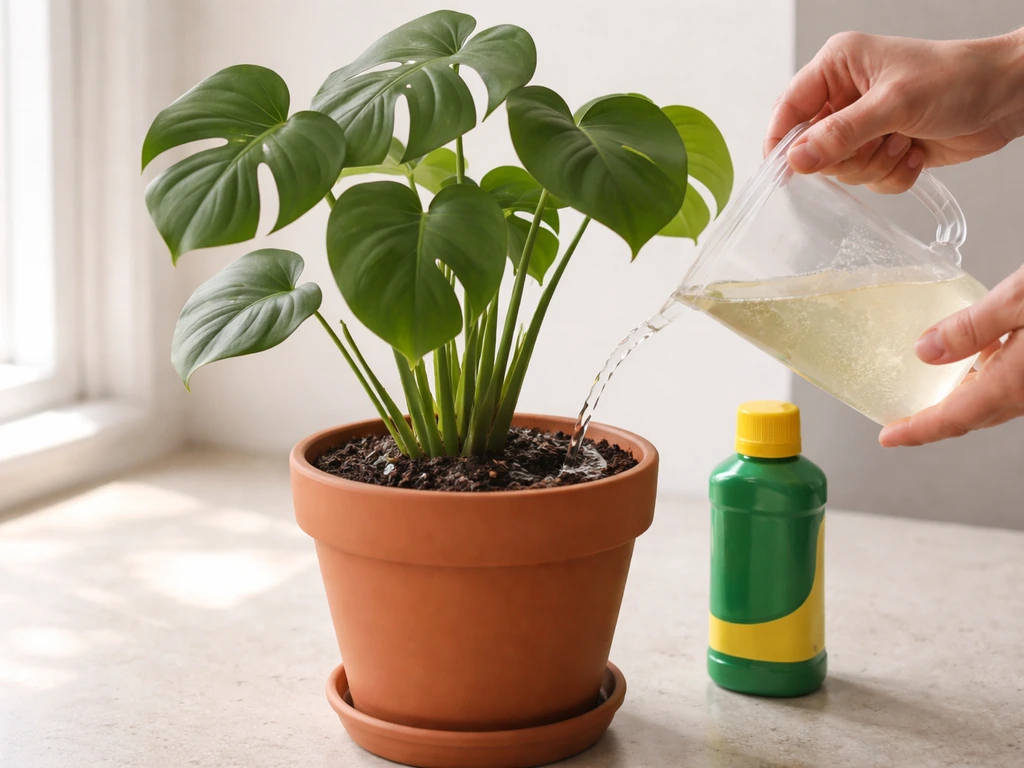
Yes, Miracle-Gro can work well for mandevilla, but the formula you pick matters a lot. The standard All Purpose Plant Food (24-8-16) gives mandevilla a decent boost during active growth, but the high nitrogen number can push the plant toward leafy growth at the expense of flowers. The better pick for a blooming mandevilla is Miracle-Gro Bloom Booster Flower Food (15-30-15), which flips the phosphorus up high and keeps nitrogen moderate, exactly what a flowering vine needs. Use it correctly and you'll see more buds, deeper color, and stronger climbing growth. If you are asking about Miracle-Gro for a fiddle leaf fig, it can work only with a gentle, balanced feeding routine and careful attention to light and soil. Use the wrong formula or too much of it, and you'll get lush green vines with disappointingly few flowers, or worse, burned roots.
Is Miracle-Gro Good for Mandevilla? How to Feed It Safely

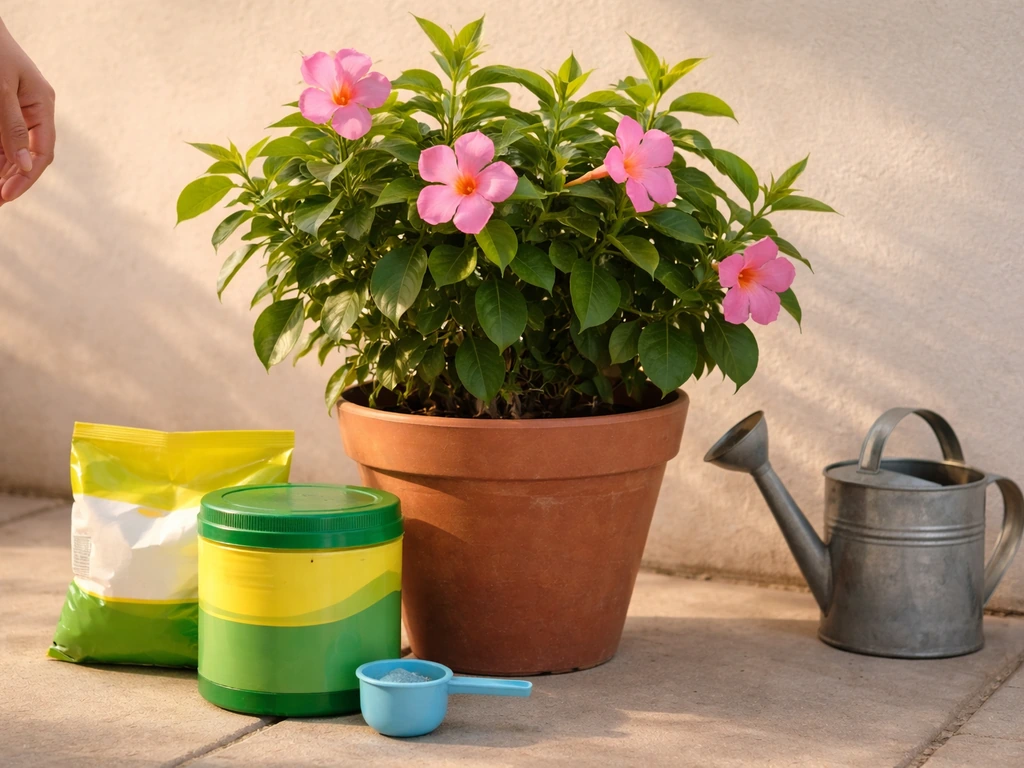
Which Miracle-Gro formula actually fits mandevilla
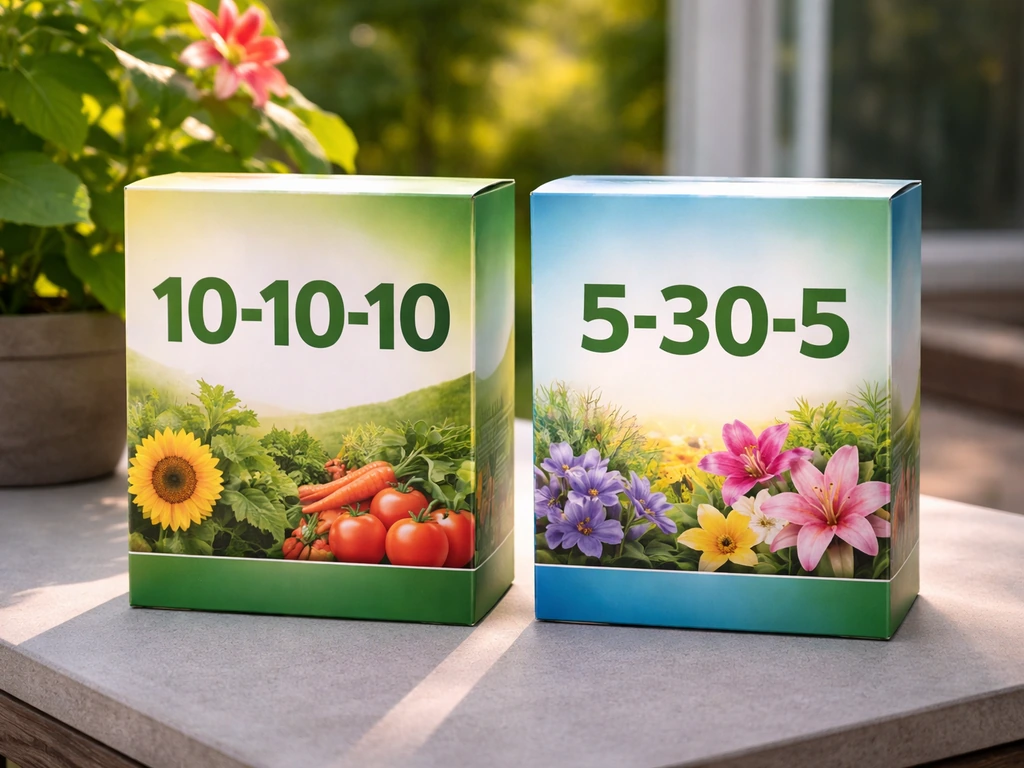
Mandevilla is a tropical flowering vine that wants phosphorus more than anything else when it comes to fertilizer. Phosphorus is the middle number in an NPK ratio, and it drives root development and flower production. Nitrogen (the first number) promotes green leafy growth, which sounds good but can actively suppress blooming in heavy-flowering plants like mandevilla.
The All Purpose formula at 24-8-16 has more than three times the nitrogen of the Bloom Booster. For a mandevilla that's just been repotted into fresh soil and needs to establish, that nitrogen can help early on. But once the plant is settled and you want flowers, you're fighting against that high-N formula every time you feed. The Bloom Booster at 15-30-15 is the one I reach for with mandevilla because the 30 phosphorus is the dominant number, exactly where it should be for a plant you're growing for its blooms. However, the same Bloom Booster approach is usually what works best for monstera when you use it at a diluted rate.
| Product | NPK | Best Use for Mandevilla | Risk |
|---|---|---|---|
| All Purpose Plant Food | 24-8-16 | Early establishment, new repots, foliage recovery | Too much nitrogen can reduce flowering |
| Bloom Booster Flower Food | 15-30-15 | Active flowering season, ongoing feeding | Low risk when diluted correctly |
| Neither (plain water) | 0-0-0 | Winter dormancy period | Underfeeding if used in summer |
How to mix and apply Miracle-Gro safely
The biggest mistakes I see with Miracle-Gro and mandevilla are going too strong on concentration and feeding a dry plant. Both cause fertilizer burn, and in a container (where most mandevillas live), salt buildup from repeated feeding without flushing becomes a real long-term problem.
Dilution rates to use
For a container mandevilla indoors or on a sheltered patio, mix half a teaspoon of Bloom Booster per 1 gallon of water. This is the lighter indoor rate and it's the one to stick with in pots, the roots are confined and have nowhere to escape concentrated salts. For a mandevilla planted directly in a garden bed, you can go up to 1 tablespoon per gallon with a watering can, following the outdoor label guidance. I always err toward the lower rate for the first feed of the season and work up if the plant looks hungry.
Always water before you feed
Never apply liquid fertilizer to a dry mandevilla. The roots are stressed when the soil is dry, and concentrated salts absorb into root tissue much faster, burning the fine feeder roots that do most of the nutrient uptake. Water the plant normally first, wait 30 minutes so the soil is evenly moist but not waterlogged, then apply the diluted fertilizer solution. This one habit alone prevents most fertilizer burn incidents.
Frequency and flushing
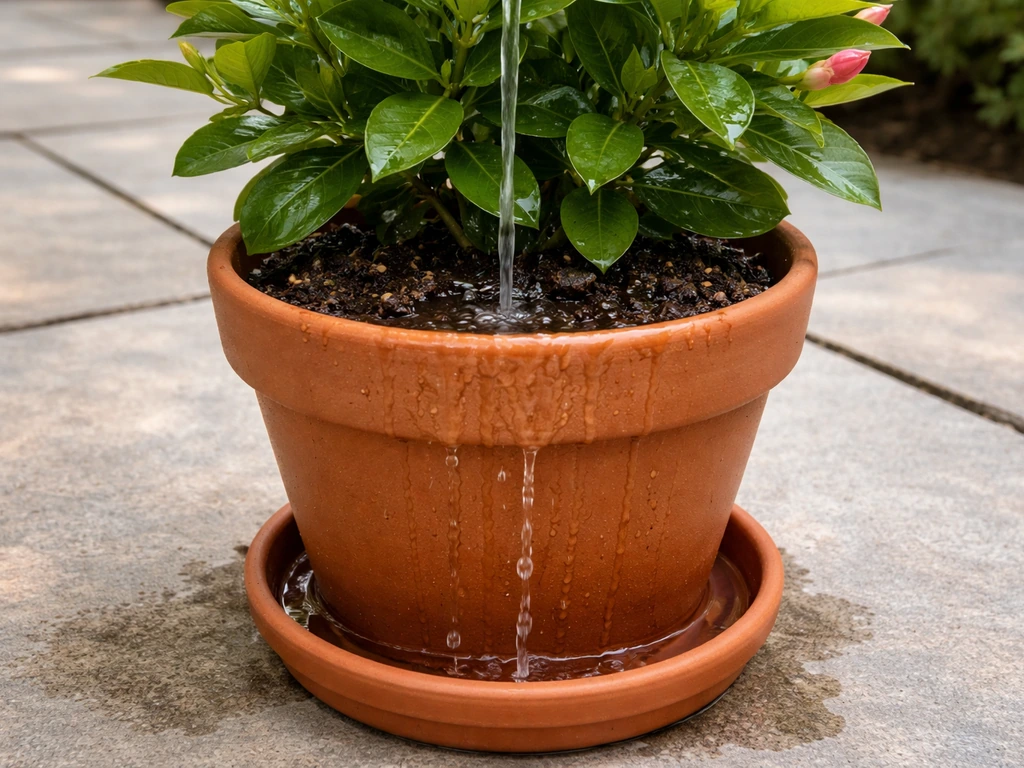
Feed every two weeks during the growing season at the half-teaspoon-per-gallon rate. Miracle-Gro’s Bloom Booster label also instructs that you should “Feed It Right,” beginning regular feeding about thirty days after planting in Miracle-Gro soil. Every four to six weeks, give the pot a thorough flush by running plain water through it slowly until it drains freely from the bottom for a full minute or two. This washes out accumulated salts before they build up enough to cause root damage. Skip the flush and you'll notice leaf tip browning and a crusty white residue on the top of the soil or on the outside of terra cotta pots, both signs that salts are concentrating.
Signs the feeding is working (or not)
What a well-fed mandevilla looks like
- Deep, glossy green leaves without yellowing between the veins
- New growth appearing at the vine tips every week or two during summer
- Visible buds forming in clusters at leaf axils (the joint where leaf meets stem)
- Flowers opening in succession rather than all at once and dropping quickly
- Strong twining growth reaching for whatever support structure is nearby
Signs you're overfeeding
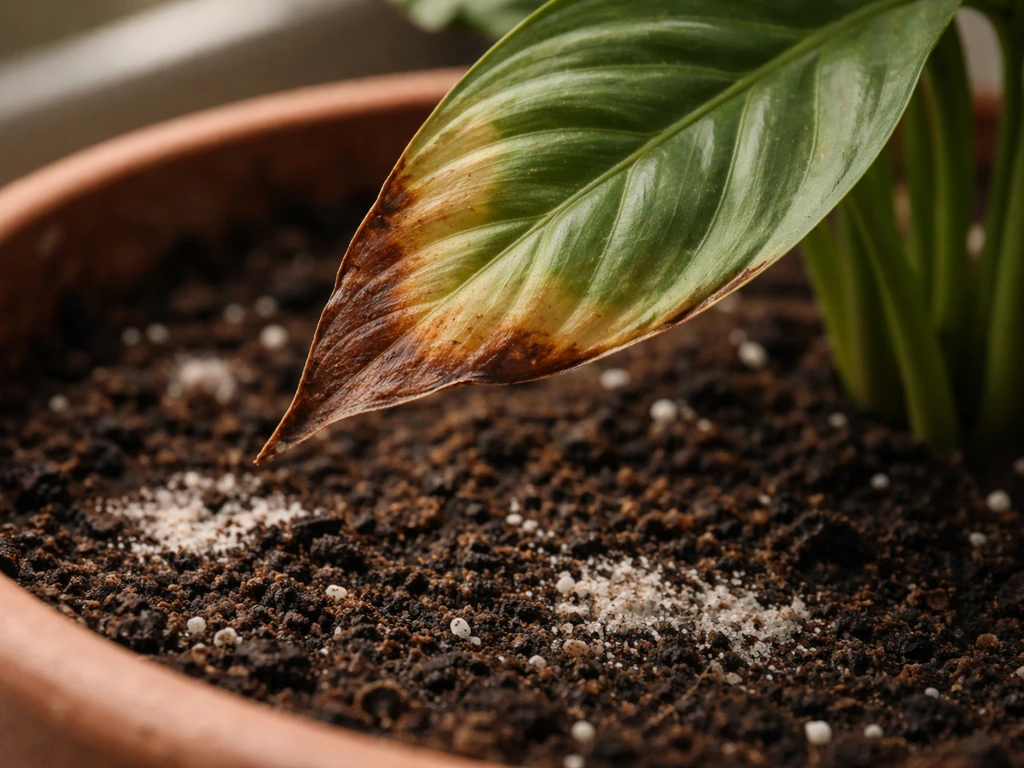
- Brown, crispy leaf tips or margins — the earliest sign of fertilizer burn
- Leaves that look dark green but the plant produces almost no flowers
- White crusty buildup on the soil surface or pot edges
- Wilting even when the soil is moist (damaged roots can't take up water properly)
- Sudden leaf drop after feeding
If you suspect overfeeding, flush the pot immediately with plain water several times over 24 hours. Hold off on fertilizing for four to six weeks and let the plant recover before restarting at half the normal dose.
Signs you're underfeeding
- Pale, yellowish leaves across the whole plant (not just lower leaves)
- Slow or no new growth during summer even with adequate sun and water
- Few or no buds forming despite bright light
- Older leaves dropping while new growth looks thin and small
Seasonal feeding schedule for mandevilla
Mandevilla's growth cycle is driven by temperature and light, not the calendar. In most of the US, that means it's actively growing from late April through September, slows in October, and goes semi-dormant through winter if you're keeping it inside or in a frost-free garage.
| Season | Feeding Frequency | Product to Use | Notes |
|---|---|---|---|
| Early spring (March-April) | Every 2-3 weeks | All Purpose 24-8-16 or Bloom Booster | Use All Purpose if repotting; switch to Bloom Booster once growth is active |
| Peak summer (May-August) | Every 2 weeks | Bloom Booster 15-30-15 | Flush pot with plain water once a month; this is peak bloom time |
| Late summer/early fall (September) | Every 3 weeks | Bloom Booster 15-30-15 | Start tapering as days shorten |
| Fall (October-November) | Once a month or stop | None or very diluted Bloom Booster | Reduce feeding as growth slows; watch for the first cold nights |
| Winter (December-February) | None | Plain water only | Do not feed; roots need rest, and unused fertilizer salts accumulate with no growth to absorb them |
If you're in a warm climate like South Florida or Southern California and your mandevilla grows year-round without a cold check, you can keep a light monthly feeding going through winter at half strength. But for anyone who brings mandevilla indoors to overwinter, stop fertilizing entirely from November through late February.
When fertilizer won't fix the real problem
This is where I see a lot of gardeners go wrong: they reach for the fertilizer bag when the plant looks sad, and they make things worse. Ixora is also a heavy-feeder, but it typically does best with fertilizer targeted to its specific nutrient needs rather than assuming Miracle-Gro is automatically the right choice no amount of Miracle-Gro will solve. Mandevilla has a handful of common problems that no amount of Miracle-Gro will solve.
- Low light: Mandevilla needs at least 6 hours of direct sun to bloom reliably. In a shady spot, you'll get vines but almost no flowers, regardless of how much you feed. Move the plant first, then fertilize.
- Wrong potting mix: A heavy, compacted mix that stays wet for days will suffocate roots and cause yellowing that looks like a nutrient problem. Fertilizing into bad soil just makes salt buildup worse. Repot into a fast-draining mix with perlite before worrying about feeding.
- Overwatering: Waterlogged roots can't absorb nutrients, so even well-fed plants in soggy soil show deficiency symptoms. Let the top inch of soil dry out between waterings.
- Temperature stress: Mandevilla drops buds and leaves when temperatures drop below 50°F (10°C). If the plant is near a cold window or got caught by a late frost, that's the problem — not the fertilizer.
- Spider mites or aphids: Both pests cause stippled, yellowing leaves that look like nutrient deficiency. Check the undersides of leaves before deciding to feed more.
Alternatives if you want something beyond Miracle-Gro
Miracle-Gro Bloom Booster is a solid, widely available choice that works well for mandevilla when used correctly. If you are wondering whether Miracle-Gro products are good for cannas, the key is matching the nutrient ratio and using a light, consistent dose to avoid salt buildup fertilizers. But if you want to fine-tune your approach or prefer something with a different delivery method, here are a few practical alternatives.
Slow-release granular fertilizers (like Osmocote Plus or any granular bloom formula with low N and higher P) are a great option for forgetful gardeners. You work them into the soil at repotting time and they feed for three to four months. The downside is you can't control the release rate if the plant shows stress, and they don't deliver the quick boost that liquid feeding does.
Liquid seaweed or fish emulsion at low doses makes an excellent supplement between regular feeds. Miracle-Gro can also be used for pothos at a light, diluted rate, but avoid overfeeding to prevent fertilizer burn Miracle-Gro for pothos. These won't drive major growth on their own, but the micronutrients and growth hormones in seaweed products support root health and stress tolerance, useful if your mandevilla is in a hot, exposed spot.
If you're comparing Miracle-Gro across tropical and flowering plants, the same Bloom Booster logic applies elsewhere. Bougainvillea, ixora, and cannas all benefit from higher-phosphorus formulas during bloom season for the same reasons as mandevilla. Plants that flower heavily need phosphorus more than nitrogen, and that pattern holds whether you're working with a vine, a shrub, or a bulb.
For anyone who finds the mixing and measuring of water-soluble powders tedious, Miracle-Gro also makes a ready-to-use liquid version and a continuous-release soil formula. The continuous-release soil is convenient, but I'd still supplement with a water-soluble Bloom Booster during peak summer bloom, the concentrated feeding push during June, July, and August is what really drives mandevilla's spectacular flower display.
Quick troubleshooting cheat sheet
| Symptom | Likely Cause | What to Do |
|---|---|---|
| Leaves pale yellow all over | Underfeeding or root damage from overwatering | Check soil drainage first; if draining fine, start feeding with Bloom Booster at half strength |
| Brown leaf tips or edges | Fertilizer burn or salt buildup | Flush pot with plain water; hold fertilizer for 4-6 weeks |
| No flowers despite lush green growth | Too much nitrogen or not enough light | Switch from All Purpose to Bloom Booster; verify 6+ hours of direct sun |
| Buds forming but dropping before opening | Temperature drop, drafts, or sudden water stress | Protect from cold; maintain consistent watering; fertilizer is not the fix |
| White crust on soil or pot rim | Salt accumulation from overfeeding | Flush thoroughly; reduce feeding frequency or concentration |
| Slow or no new growth in summer | Underfeeding, low light, or root-bound pot | Feed, move to brighter spot, or repot into a slightly larger container |
FAQ
How do I tell if I should switch from All Purpose 24-8-16 to Bloom Booster on my mandevilla?
If you’re past early establishment (several weeks after repotting) and you want more buds, switch to Bloom Booster. A quick sign is when new growth is mostly stems and leaves, but flower counts are low despite good light.
Can I use Miracle-Gro Bloom Booster on a mandevilla that just had fertilizer burn or salty soil symptoms?
Don’t apply immediately. Flush the pot thoroughly first, then wait 4 to 6 weeks before restarting at half dose. If salts keep returning fast, consider repotting into fresh mix rather than relying only on continued flushing.
Is it ever OK to fertilize a mandevilla outdoors during rainy weather?
Yes, but skip feeding right before heavy rain. Extra water can dilute the mix, but it can also cause uneven uptake if the potting mix dries unevenly between downpours. If the soil is still damp and cool, wait until it dries slightly before applying the diluted fertilizer.
What if my mandevilla is in the ground, and the soil is already rich?
If the soil is amended with compost or manure, you may not need to feed as often. Start low (half strength) and only increase if growth looks pale or flowering lags, otherwise you risk leafy growth and reduced blooms.
Does Miracle-Gro help mandevilla even when light is poor?
Not reliably. Fertilizer can’t compensate for low light because flowering depends on light and temperature. If buds fail to form, first correct light exposure, then adjust feeding.
How do I avoid salt buildup if my mandevilla sits in a saucer or cachepot?
Avoid letting the pot sit in runoff for long periods. Empty the saucer after watering or, if you must use a cachepot, remove the inner pot after watering so excess water drains freely and salts can be flushed through.
Can I use Miracle-Gro Bloom Booster with foliar feeding on mandevilla?
It’s better as a soil drench. Foliar feeding can cause leaf spotting if the spray concentration is too high or if leaves stay wet in bright sun. If you try it, use very dilute solution and mist only lightly, not dripping.
What NPK ratio should I look for if I choose a non-Miracle-Gro fertilizer for mandevilla?
Aim for higher phosphorus during bloom, something like mid-to-high P relative to N. As a practical rule, choose formulas with moderate nitrogen and a noticeably stronger middle number than the first.
Should I fertilize during winter if my mandevilla is kept indoors?
Only if it’s actively growing in steady warm conditions. For typical indoor overwintering, stop from November through late February, because feeding during reduced growth increases salt risk and can stress roots.
My mandevilla is growing fast but isn’t flowering, could it be the fertilizer?
Often, yes. High-n formulas tend to produce more vine and leaves than blooms. Confirm you’re using Bloom Booster, feeding at the lower container rate, and not overfeeding, then make sure temperatures and bright light match flowering season needs.
Is Miracle-Gro Good for Monstera Deliciosa? How to Use It
Learn if Miracle-Gro works for Monstera and how to feed safely with NPK, dilution, timing, and fixes for burn or yellowi