Yes, Dollar Tree seeds can and do grow. Many gardeners have grown perfectly respectable tomatoes, zinnias, basil, and sunflowers from those little 25-cent or 50-cent packets. The catch is that bargain seeds come with more variables than seeds from a specialty supplier, so germination rates are less predictable. But unpredictable doesn't mean hopeless. With a quick viability test and the right planting setup, you can know within a week whether the seeds you bought are worth planting, and you can tilt the odds heavily in your favor.
Do Dollar Tree Seeds Grow? How to Test and Plant Them

Marcus Weir
29 May 2026
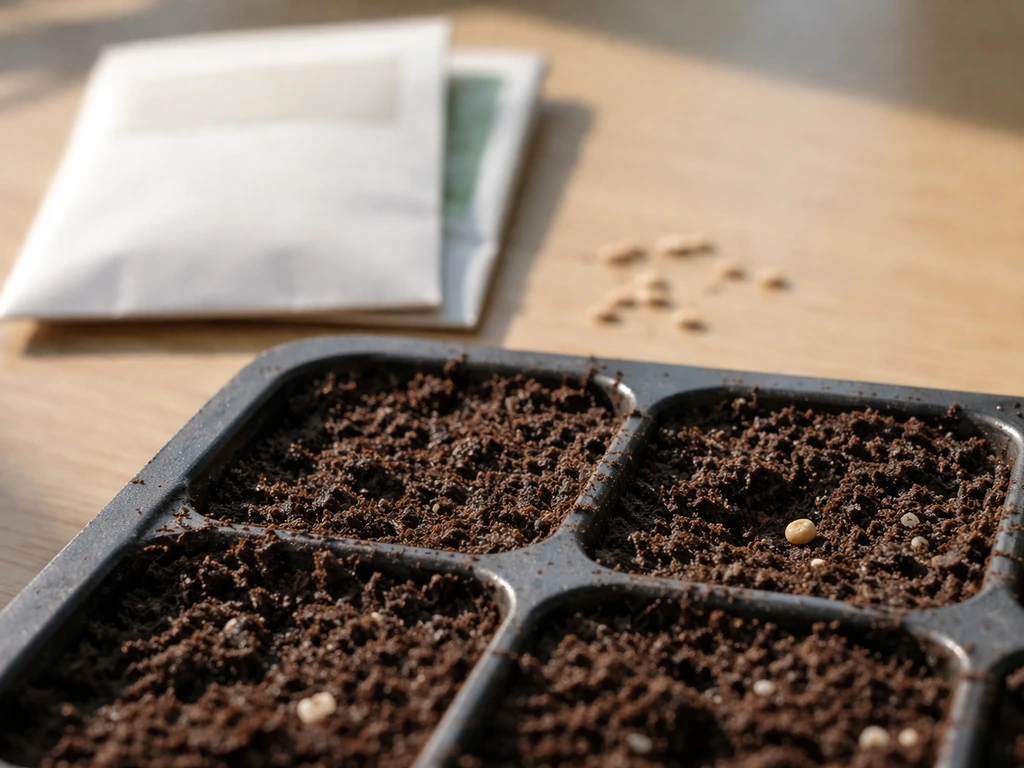
Can dollar store seeds actually germinate?
The seed itself doesn't know it came from a dollar store. What matters is whether it was alive and viable when the packet was sealed, and whether it has been stored in conditions that kept it that way. Many dollar store seed packets are legitimate production runs from actual seed companies, sometimes the same varieties you'd find in a big-box garden center, just packaged at lower price points or sold closer to the end of their useful shelf life. So yes, germination absolutely happens. The real question is how reliably.
Most common garden seeds, including vegetables like beans, squash, and lettuce, plus flowers like zinnias and marigolds, are what scientists call orthodox seeds. That means they're built to survive drying and cool storage, which is exactly what good seed storage looks like. If the seeds were handled reasonably well from harvest to packet, they should still sprout. The issue is that you often have no way of knowing how they were handled before they hit the display rack.
Why bargain seeds may fail (storage, age, packaging)
Here's the honest problem with a lot of dollar store seeds: the journey from harvest to your hands often involves conditions that quietly kill viability. Seed longevity depends most on two things, moisture and temperature. Research from Colorado State University Extension is clear on this: seeds stored below roughly 8% moisture content and below 40 degrees Fahrenheit stay viable much longer. Seeds exposed to warmth and humidity deteriorate faster, through a process that involves oxidative damage at the cellular level, basically the seed slowly rusts from the inside out.
Dollar store packets are frequently displayed in non-climate-controlled areas, sometimes near heat sources or in stores with high ambient humidity. They may sit on a rack for a full season or longer before you buy them. Thin paper packaging, which is common for budget seeds, offers minimal moisture protection compared to foil-sealed envelopes. None of this automatically means the seeds are dead, but it does mean viability varies a lot more from packet to packet than it would with seeds that were stored and shipped under controlled conditions.
- No lot date or packed-for year on the packet means you can't gauge age at all
- Paper packaging lets moisture in and out much more freely than foil or sealed plastic
- Warm, brightly lit display areas accelerate viability loss in heat-sensitive species
- Variety labeling on budget packs is sometimes vague or inconsistent, so what you plant may not match exactly what's described
- Inconsistent seed counts per packet are common, which limits how many you can spare for testing
Quick seed viability check you can do today
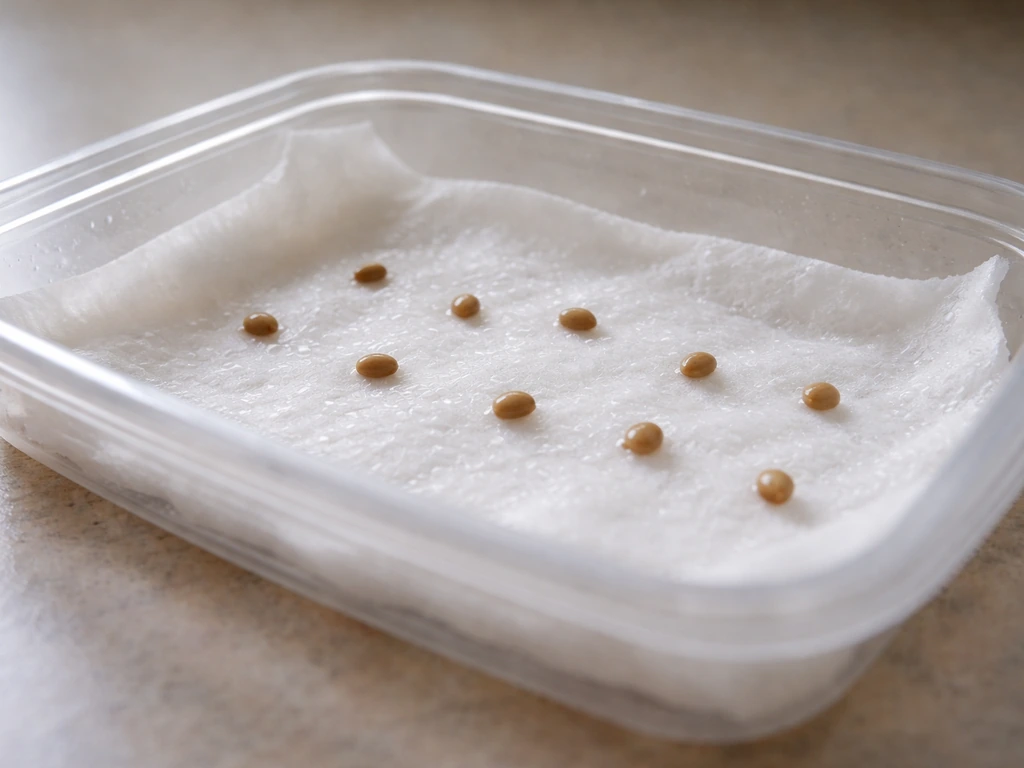
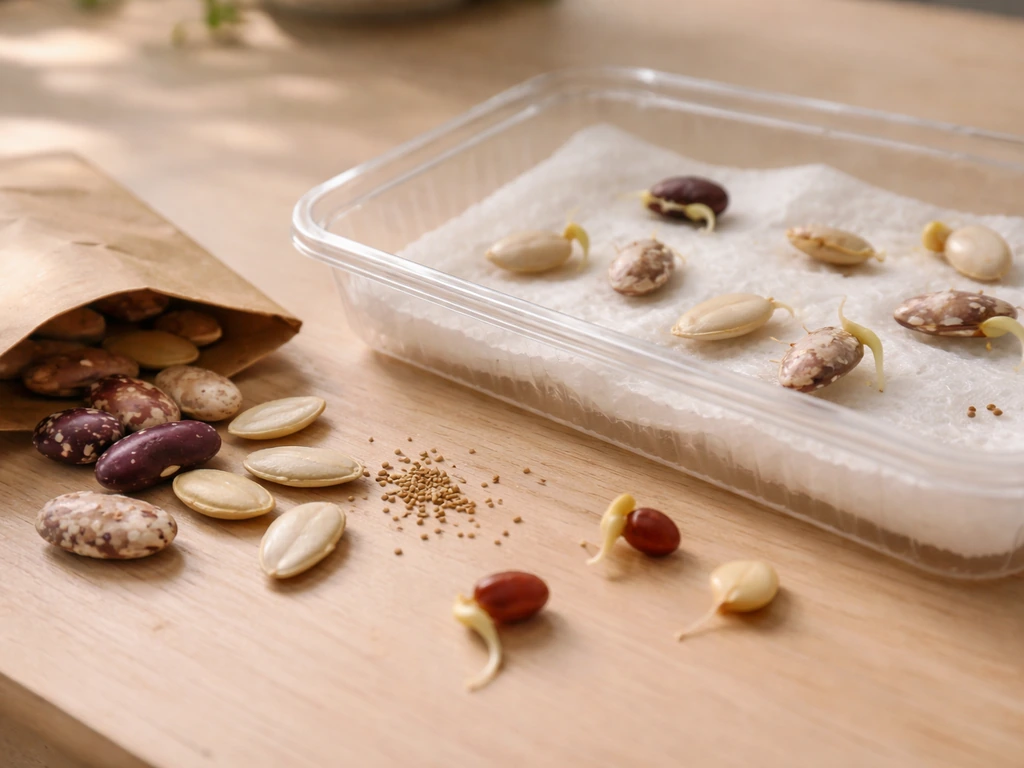
Before you plant a full row or tray, do a blank" rel="noopener noreferrer">paper towel germination test. If you are wondering what do rare seeds grow, a paper towel viability test can help you confirm whether those seeds will sprout before you commit to planting. If you are wondering which ones will grow, start by checking viability with a quick paper towel test before you plant. It takes about 10 minutes to set up and gives you a real answer within 7 to 14 days. This is a standard method used by both home gardeners and professional seed labs, and it works well for any seed type you're likely to find at a dollar store.
- Dampen a paper towel until it's moist but not dripping. Wring it out if needed.
- Place 10 seeds from your packet spaced out on one half of the towel.
- Fold the other half over the seeds, then slide the whole thing into a zip-lock bag or cover it loosely with plastic wrap to keep moisture in.
- Label it with the seed type and today's date, then set it somewhere warm, around 65 to 75 degrees Fahrenheit. The top of a refrigerator or a warm windowsill works well.
- Start checking after 2 to 3 days for fast germinators like radishes or beans. For most flower and vegetable seeds, do your main count at 7 days.
- At 7 days, count how many have sprouted a visible root or shoot. If some seeds look swollen but haven't cracked open yet, give them 5 more days and count again.
- Divide the number of germinated seeds by 10 and multiply by 100 to get your germination percentage.
A rate of 70% or higher means the seeds are good and you should plant at normal spacing. Between 40% and 70% means the seeds are marginal but usable, just plant more densely than you normally would to compensate. Below 40%, you're fighting an uphill battle, and it may be worth picking up a fresh packet rather than trying to work with poor-quality seed.
Before you even start the towel test, take 30 seconds to look and smell the seeds. Healthy seeds look firm and plump, not shriveled or discolored. They should smell neutral or faintly earthy. A musty or sour smell is a sign of mold damage, and those seeds are almost certainly done.
How to plant dollar store seeds for best germination
Assuming your viability test gave decent results, here's how to give those seeds the best possible start. Dollar store seeds don't need any special treatment compared to premium seeds. They just need the basics done right.
- Use a quality seed-starting mix, not garden soil or potting mix. Seed-starting mix is lighter and drains better, which prevents the damping-off fungal issues that kill seedlings before they even get going.
- Plant at the depth listed on the packet. If there's no guidance, a general rule is to plant seeds at a depth equal to about twice their diameter. Tiny seeds like lettuce go on the surface; large seeds like beans go about an inch deep.
- Water gently after planting, enough to thoroughly moisten the mix without washing seeds sideways or burying them deeper. A misting bottle works well for small seeds.
- Cover the tray or container with a humidity dome or plastic wrap until germination begins. This keeps the surface from drying out, which is the most common reason seeds fail in the first week.
- Place in warmth. Most vegetable and flower seeds germinate best between 65 and 75 degrees Fahrenheit. Soil temperature matters more than air temperature here, so a seedling heat mat is worth the investment if you're starting indoors.
- Once sprouts appear, remove the cover and move to bright light immediately. Leggy, stretched seedlings are a sign of insufficient light, not a seed quality problem.
Whether to start indoors or direct sow outdoors depends on the species and the current date. Ancient seeds can follow a similar timeline, but knowing when ancient seeds grow depends largely on how old they are and how well they were stored. Since it's late May, many warm-season crops like beans, squash, cucumbers, and most flowers can go directly into the ground now in most of North America. Crops that need a long head start, like tomatoes and peppers, are better suited to indoor transplants at this point in the season unless you're in a mild-winter zone with a long growing season ahead.
Troubleshooting: poor germination and slow sprouting
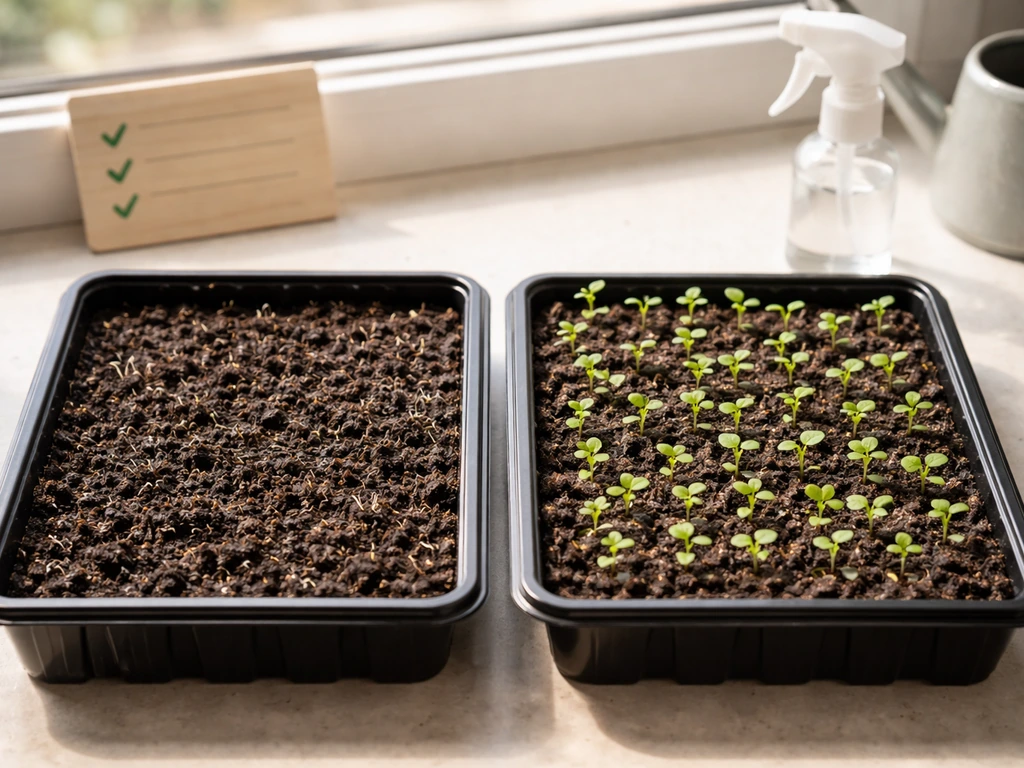
If your seeds are taking longer than expected or germination looks sparse, run through this checklist before assuming the seeds are bad. Most germination failures come down to environmental conditions, not dead seeds.
| Problem | Likely Cause | Fix |
|---|---|---|
| Nothing sprouting after 2 weeks | Soil too cold or too wet | Check soil temperature; let medium dry slightly between waterings |
| Sprouts appear then collapse | Damping off (fungal) | Improve airflow; use a sterile seed-starting mix; don't overwater |
| Germination is patchy, only a few sprout | Low-viability seeds or uneven soil moisture | Plant more densely; water more evenly; try a fresh packet for comparison |
| Seeds sprouted in the bag test but not in soil | Soil conditions are off | Check depth, temperature, and moisture; seeds may be planted too deep |
| Nothing at all even after towel test showed sprouts | Seeds dried out before roots established | Keep surface consistently moist; cover tray until germination |
One thing worth noting: slow sprouting isn't always a bad sign. Some species, like parsley, carrots, and certain perennial flowers, are naturally slow germinators and can take two to three weeks even under ideal conditions. If you're unsure about expected timing for a particular variety, look up the typical germination window for that species rather than judging purely by how long it's been.
Maximizing success: timing, temperature, and care basics
With late May as your starting point, timing is actually on your side for most of what Dollar Tree carries. The bulk of their catalog, including beans, squash, cucumbers, zinnias, marigolds, sunflowers, and basil, is designed for exactly this planting window. Soil temperatures have warmed up in most regions, which means direct sowing outdoors is both practical and efficient right now. If you are wondering can you grow rare flowers in ark, the key is starting with viable seed, then giving the species the right temperature and care for your specific setup.
- Soil temperature between 60 and 85 degrees Fahrenheit covers germination for most warm-season crops; use an inexpensive soil thermometer to check before planting
- Consistent moisture in the first week after planting is more important than fertilizer; seeds have their own food reserves for early growth
- Thin seedlings early rather than letting them crowd each other; competition slows everyone down
- Label what you planted with the date so you can track how long germination is actually taking
- If starting indoors, plan for transplanting outdoors in 4 to 6 weeks for most crops; harden seedlings off gradually over 7 to 10 days before moving them outside full-time
One practical tip that often gets skipped: sow more seeds than you think you need. Even with quality seeds, not every one will germinate. With dollar store seeds where variability is higher, planting 20% to 30% more than your target plant count gives you a buffer. You can always thin later. You can't go back and add plants you never started.
What to do if they still don't grow
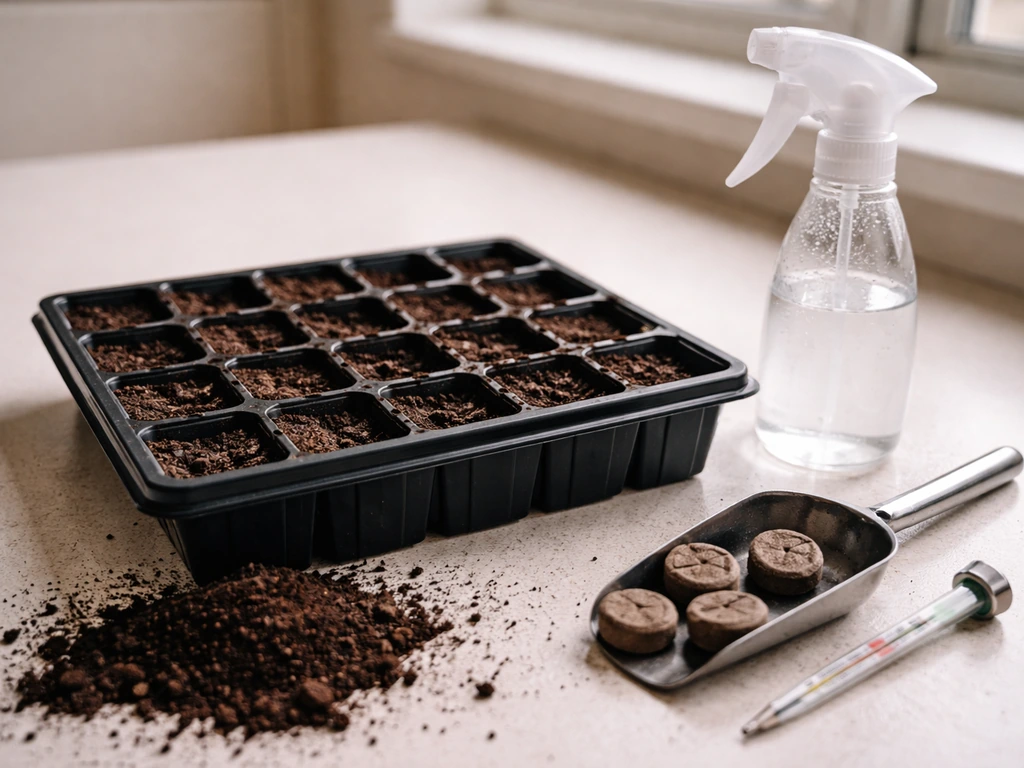
If you've done the paper towel test and it showed decent germination but your planted seeds still aren't producing, your issue is almost certainly environmental, not seed quality. Go back and audit your setup: soil temperature, moisture consistency, planting depth, and light levels after sprouting. In my experience, soil that's too cold is the most common undiagnosed culprit in spring plantings, even in late May. A quick thermometer reading at 2 inches deep often reveals soil that's several degrees cooler than expected, especially in raised beds or containers with drainage holes exposed to cool air.
If the paper towel test itself showed poor results, say below 30% germination, it's worth accepting that this particular packet is past its useful life. At that point, the time and soil space you'd invest trying to coax those seeds to life is genuinely better spent on a fresh packet. Dollar stores restock seed displays regularly, so a new packet is still cheap, and you'll know immediately whether the difference in results was the seeds or the conditions.
It's also worth keeping a note on which packets worked well and which didn't, including the brand name if one is printed, the year if listed, and the species. Over a season or two, you'll develop a clear sense of which dollar store varieties deliver reliably and which are better skipped. Some gardeners find that beans, squash, and sunflowers from dollar stores perform nearly as well as anything else, while more finicky crops like peppers or certain heirloom tomatoes are better sourced from a dedicated seed supplier where freshness and variety accuracy are more guaranteed. The question of whether hybrid seeds behave differently is its own rabbit hole, but for the straightforward annuals that dominate dollar store displays, the basics covered here are enough to get real results. If you’re wondering whether hybrid seeds will grow, the same viability and planting basics still matter most.
FAQ
Can I germinate Dollar Tree seeds in a wet paper towel, then plant the sprouts right away?
Yes, but only if they are “true seed,” meaning the packet shows a cultivar or variety name and not a mix of treated or nonviable material. Check for any label notes about coating or treatment. If you see words like “pelleted” or “inert coating,” you may still germinate, but the paper towel test can take longer, and you should sow at the depth the label specifies.
What if the paper towel test works, but the seedlings fail after I plant them?
Usually yes, but plant as soon as you see a root or strong radicle, ideally within 24 hours. Use gentle handling, keep the seedling roots pointed down, and don’t let the root dry out. If you wait too long, the roots can tangle or break, which leads to poor establishment even when the seeds were viable.
How do I tell if slow germination is normal or if my seeds are failing?
Check the seed’s expected germination window for that species, then judge by whether they are declining to start, not just slow. Cool, wet conditions can cause seeds to rot, while warm but dry conditions can stop them from activating. If you are unsure, repeat the paper towel test using a fresh sample from the same packet, and compare timing to what you expect for that variety.
Why do my Dollar Tree seeds germinate on the towel test but not outdoors?
For direct sow outdoors, soil temperature matters more than air temperature. If your soil is cold, seeds can sit for weeks or rot, even if they were viable. Use a thermometer at about 2 inches deep, then wait until the soil is consistently in the right range for that crop before sowing, or start indoors for heat-liking plants.
Should the paper towel be soaking wet or just damp?
Don’t let the towel go dripping wet. You want it evenly damp, not submerged, because low oxygen and excess moisture encourage mold. A good rule is to wring the towel so it feels moist but no water runs when you squeeze it.
What does a bad smell or mold on the towel mean for seed viability?
If seeds look fine but smell musty or sour, assume they have mold damage and skip that packet or treat it as very low probability. Also watch for fuzzy growth on the towel during the test, that is a sign the environment is too humid or the seeds are already compromised.
Can I reuse the same paper towel setup for multiple packets?
Yes, you can reuse the same towel setup, but avoid cross-contamination by testing only one packet at a time. Label carefully, and use clean tools. If you reuse towels, leftover spores or seeds can bias results and make one packet look worse or better than it truly is.
If my viability test is 40% to 70%, what should I change in planting?
Yes, marginal seeds can still work if you adjust your strategy. Plant 20 to 30 percent extra (or follow your test result bands), keep soil moisture consistent until emergence, and thin only after seedlings have a couple of true leaves. This reduces the odds that you end up with empty rows.
How do I choose planting depth for Dollar Tree seeds?
For some seeds, light exposure after sowing can matter. If a packet suggests “surface sow” or “light feeder,” keep seeds at or near the surface and avoid burying deeply. If the packet lacks guidance, a common mistake is planting too deep, which can prevent small-seeded flowers and herbs from emerging.
What is the best way to store leftover Dollar Tree seeds so they keep growing season to season?
Store any leftover seeds in a cool, dry place in an airtight container, like a sealed jar or zip bag with minimal air. If your home is humid, consider adding a small desiccant packet to protect viability. This is especially helpful because dollar-store seed may already be closer to the end of its useful life.
Next Article
Can You Grow Rare Flowers in ARK? How to Start
Learn if you can grow rare flowers in ARK, what they are, where to get seeds, and step-by-step planting and troubleshoot