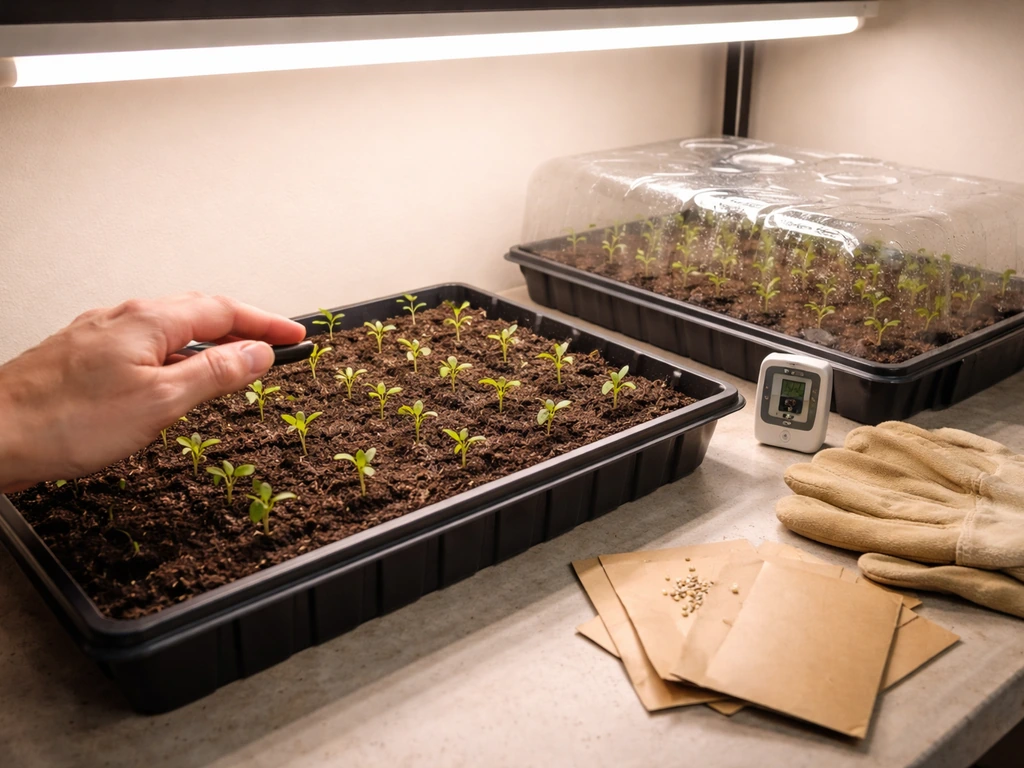
A rare seed grows into exactly what its species dictates, not something universally exotic or unpredictable. The word 'rare' just means the seed is uncommon, hard to find, or from a limited population. It doesn't change the fundamental biology. What it does change is how much forgiveness you get: rare seeds are often more dormancy-prone, slower to germinate, and more sensitive to conditions than the packets of tomatoes or zinnias you grab at the garden center. So the real question is always: what species is this seed, and what does that species need?
What Do Rare Seeds Grow? Identify Seeds and Succeed
Marcus Weir
17 Apr 2026
What a rare seed actually grows into
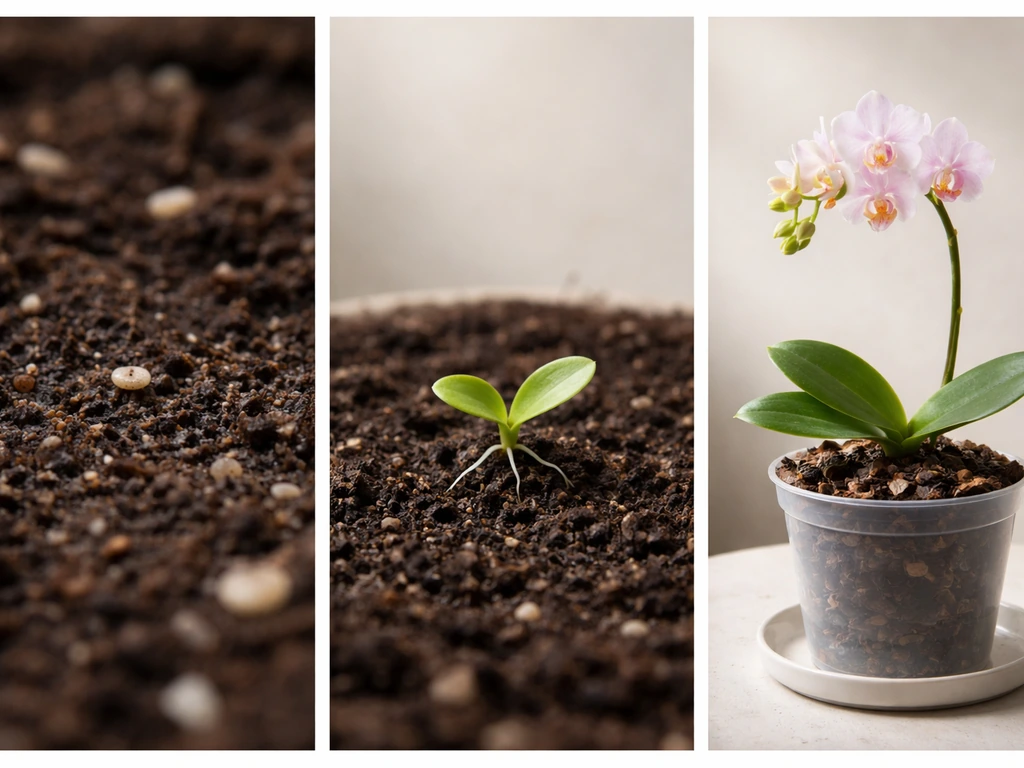
Every seed is a compressed blueprint for one specific plant, and rare seeds are no different. A rare tropical orchid seed grows into an orchid. A rare endemic wildflower seed grows into that wildflower. A rare heirloom squash grows a squash. The 'rare' label tells you about availability and conservation status, not about some magical or unpredictable outcome.
What makes rare seeds behave differently from common ones is usually one of three things: they come from plants with highly specific habitat requirements (a particular soil pH, a very narrow temperature range, a symbiotic fungal partner), they carry deeper dormancy mechanisms that evolved to prevent germination at the wrong time of year, or they simply haven't been domesticated and selected for easy germination the way vegetable seeds have. If you have a packet of rare Kniphofia (red-hot poker) species seeds, for example, germination guides like those from the RHS recommend surface sowing because light is required. That's not exotic, it's just species biology. Understanding that distinction will save you a lot of frustration.
The broad categories rare seeds tend to fall into: rare native wildflowers and prairie species, rare woody shrubs and trees (often with hard seed coats), rare tropical and subtropical plants, rare heirloom or heritage vegetables and grains, and rare alpine or high-altitude species. Each group has its own germination personality, and I'll cover those specifics below.
How to figure out what plant you actually have
Before you sow anything, identify the plant. This sounds obvious but it's where most people skip a step. If you have a labeled packet, look for the Latin binomial name (genus and species, like Echinacea paradoxa or Camassia leichtlinii). That name is your key to accurate germination guidance. Common names are unreliable because dozens of plants share the same nickname, but the Latin name is specific.
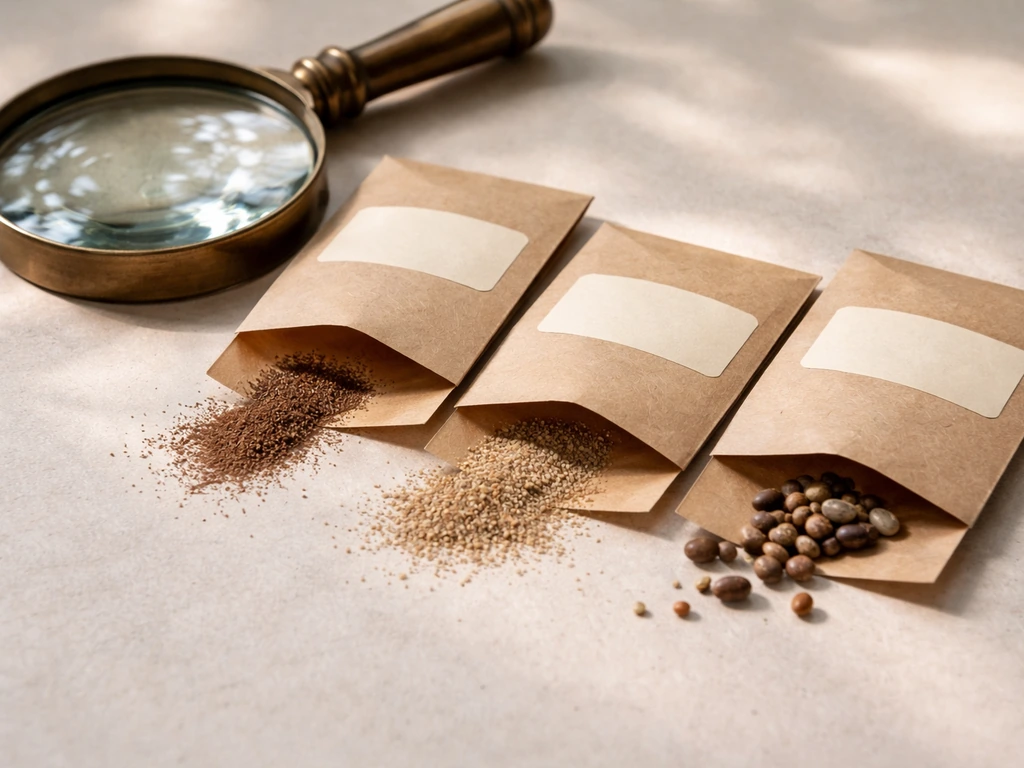
If your seeds came unlabeled or with a vague common name, look at the seed itself for clues. Seed morphology tells you a lot. Very fine, dust-like seeds often indicate epiphytes or parasitic plants (orchids, bromeliads) that need surface sowing and sometimes a fungal host. Hard, round seeds with a thick coat suggest a legume or tree species that will need scarification. Winged seeds or those with feathery attachments point to wind-dispersed species that often need cold stratification. Seeds packed in a gel or fruit pulp usually come from tropical or subtropical species that resent drying out.
Check any origin notes that came with the seed. 'Collected from high-altitude meadows in September' tells you the seed expects cold dormancy. 'Tropical cloud forest origin' tells you it needs warm, humid conditions year-round. These context clues matter enormously. If you're genuinely unsure which plant you have and need a reality check on whether it's even worth sowing, it helps to think about which ones will actually grow given what you know about the seed's background before investing weeks of effort.
What rare seeds need to germinate
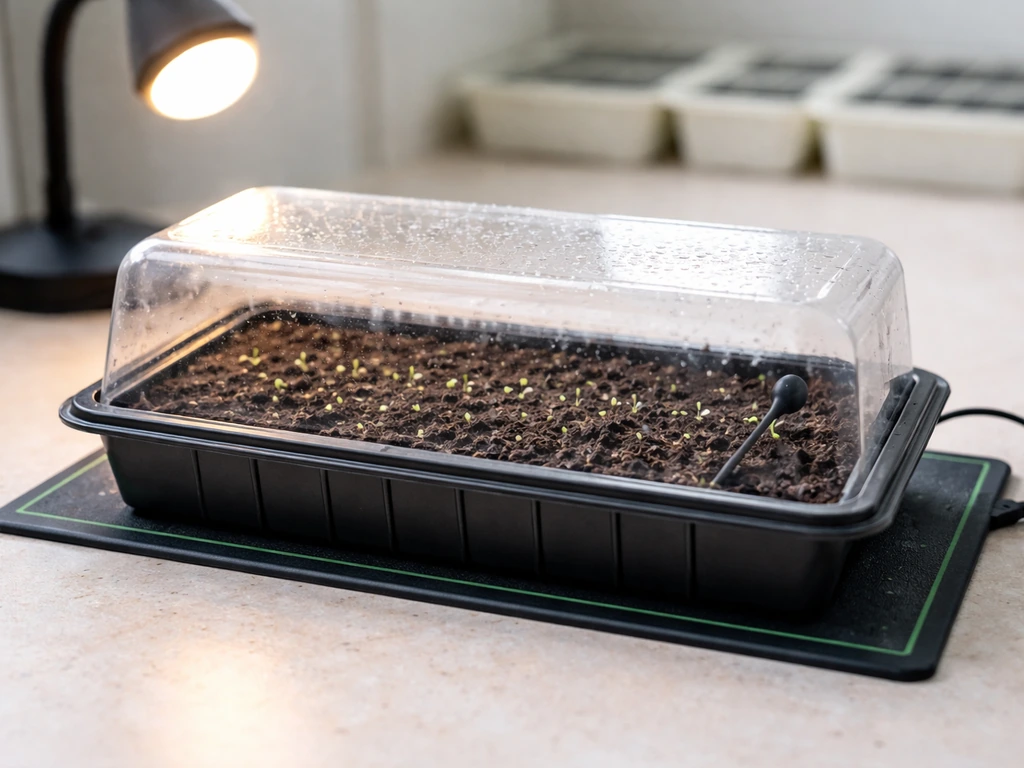
Germination for most seeds, rare or not, depends on four factors: moisture, temperature, light exposure, and dormancy status. Rare seeds are simply more likely to have specific or extreme requirements in one or more of these areas.
Temperature
For a wide range of seeds, a growing-media temperature of around 65 to 75°F is a solid starting point, though you should always check requirements for your specific species. Many temperate rare species actually want cooler soil temperatures or a period of cold before warming will trigger germination. Tropical rare species often want the upper end of that range or higher. One mistake I've seen repeatedly: people use a heat mat set too warm and then wonder why nothing happens. The soil temperature is what matters, not the air temperature above it.
Light and sowing depth
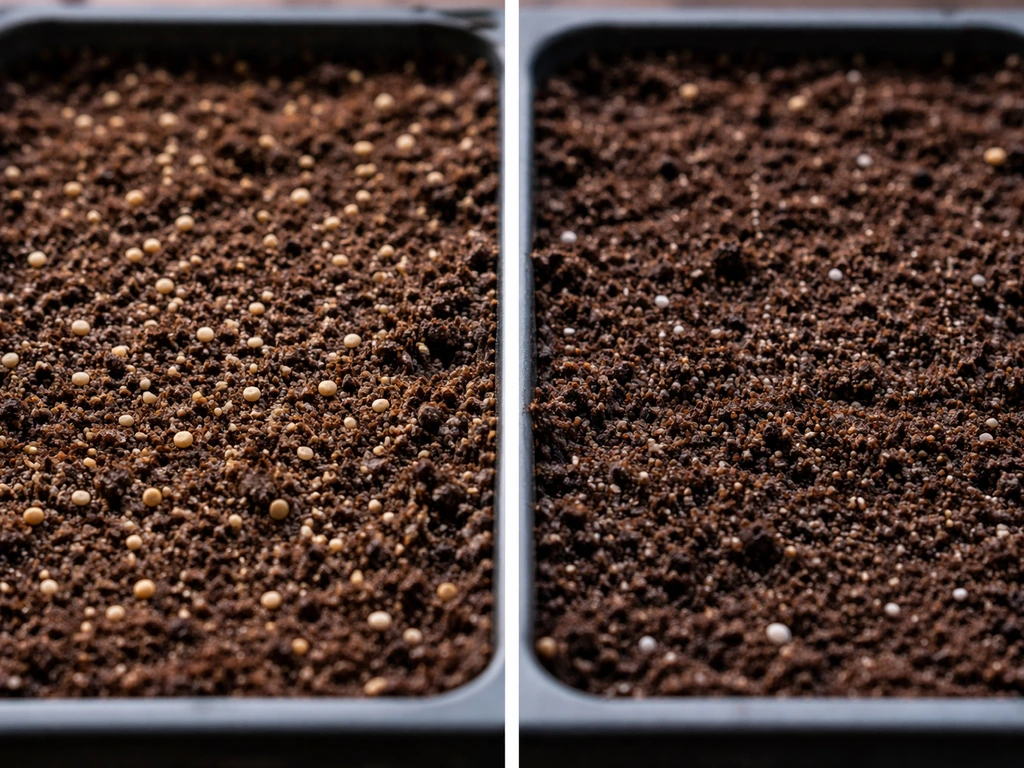
This is one of the most commonly botched steps with rare seeds. Some seeds absolutely require light to germinate and burying them even a few millimeters means they simply won't sprout. Very small seeds especially need to be sown at or near the soil surface for light to reach them. The practical rule: if light is required for germination, use little to no soil covering.
Press the seed gently onto the surface of moist mix instead. If you're unsure about depth for a medium-sized seed, a useful rule of thumb is to plant it at roughly twice the seed's width. One important note from Penn State Extension: [don't confuse germination light requirements with what the seedling needs after it emerges. ](https://extension.
psu. edu/sowing-annual-seeds/) A seed that needs light to break dormancy might then grow into a shade-tolerant plant. Those are two different things.
Also watch out for overheating when using covering materials or plastic domes on light-requiring trays. If direct sunlight hits a covered tray, temperatures inside can spike well above safe ranges and cook your seeds before they ever sprout.
Stratification: breaking cold dormancy
Stratification is the process of exposing seeds to cold, moist conditions to simulate winter and release dormancy. It's essentially tricking the seed into thinking it has survived a winter and spring is here. Practically, this means wrapping seeds in a damp paper towel inside a sealed bag and placing them in your refrigerator (not freezer) for a species-specific period, typically 4 to 12 weeks.
The ideal storage environment for dormant seeds awaiting stratification is around 35 to 40°F with relative humidity below 40% to preserve viability while they wait. Many native wildflower species and most rare temperate tree seeds need this treatment. When ancient seeds are expected to grow is heavily tied to this cold-moist cycle, and the same principle applies to modern rare seeds from temperate climates.
Cold stratification is not universal, though. It's not needed for all species, and applying it incorrectly to tropical seeds can kill them. Always verify whether your specific species needs it before assuming it will help.
Scarification: breaking hard seed coats
Scarification is any treatment that breaks down or reduces the impermeability of a hard seed coat so water can enter and germination can begin. For home gardeners, the most accessible method is mechanical scarification: rubbing the seed gently against fine sandpaper or a nail file until you see a slight lightening of the seed coat surface. Don't go so deep you damage the embryo inside. Chemical scarification using concentrated acids exists as a professional technique but is not something to attempt without proper equipment and safety training. Some seeds need both stratification and scarification, which tells you something about how seriously they evolved to prevent germination at the wrong time.
Moisture
Rare seeds need consistent moisture during germination, but not saturation. The growing medium should feel like a wrung-out sponge: evenly moist but not dripping. Standing water around seeds is one of the fastest ways to trigger damping-off fungal disease. Use a well-draining seed-starting mix and bottom-water when possible to keep the surface from staying constantly wet.
Realistic timelines and what healthy germination looks like
Common vegetable seeds often germinate in 5 to 14 days. Rare seeds do not follow this schedule. Here's a more honest breakdown by category:
| Seed Type | Typical Germination Time | Notes |
|---|---|---|
| Rare annual wildflowers | 10–21 days | Often surface-sown; light-sensitive; may need 2 weeks cold stratification |
| Rare perennial wildflowers | 3–8 weeks, sometimes longer | Many require cold stratification; some show erratic germination across months |
| Rare tropical species | 2–4 weeks at consistent warmth | No cold needed; humidity critical; surface or shallow sowing common |
| Rare tree and shrub seeds | 2–6 months or longer | Often need scarification plus cold stratification; patience essential |
| Rare alpine/high-altitude species | 4–12 weeks after cold period | Highly specific temperature requirements; often germinate at low temperatures |
| Rare heirloom vegetables | 7–21 days | Closer to standard vegetable timelines; viability age matters most |
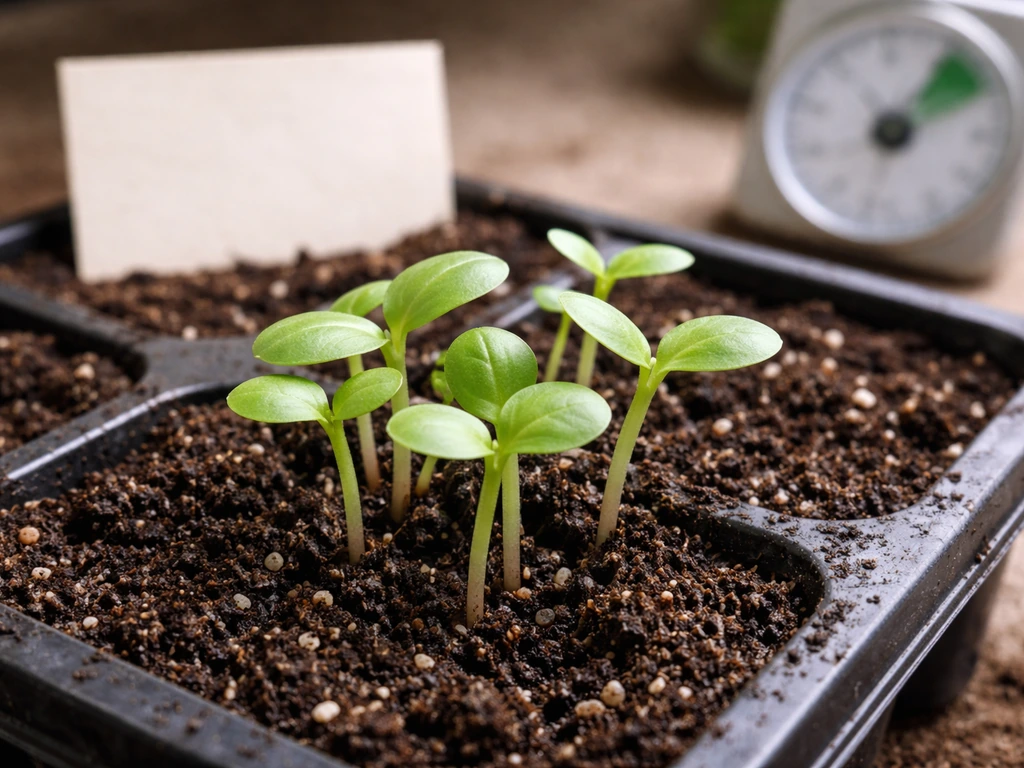
Healthy early germination looks like a clean, upright stem emerging from the soil with the seed leaves (cotyledons) opening normally. The stem should be sturdy, not thin and reaching. The color should be green, not pale yellow or translucent. Within the first two weeks after emergence, you should see the cotyledons fully open and the first true leaves beginning to form. If you see strong early growth like this, you're on the right track.
When nothing sprouts: diagnosing failure
Failed germination with rare seeds is common and rarely means you did everything wrong. Here are the most frequent causes and fixes:
- Dormancy not broken: If the seed needs stratification or scarification and didn't get it, it simply won't sprout. Go back and apply the appropriate pre-treatment, then try again. This is the most common reason rare seeds fail.
- Seed too old or stored poorly: Seed viability drops over time, especially if stored warm and humid. If you're unsure whether your seeds are still alive, a tetrazolium (TZ) test can give you a quick biochemical viability reading by measuring enzyme activity in live seed tissue. Professional seed labs offer this service, and it's worth it for expensive or rare seed lots.
- Planted too deep: Especially with light-requiring seeds. If you buried a seed that needed surface contact with light, it won't germinate. Dig carefully and check if seeds are still intact but ungerminated, then resow at the correct depth.
- Temperature out of range: Too cold slows germination to a halt; too warm can damage the embryo. Use a thermometer in the growing medium, not just an ambient air thermometer.
- Damping-off fungal disease: This can attack seeds before they even emerge (pre-emergence rot) as well as after. The stem collapses at soil level, often with a water-soaked appearance. Damping-off risk increases with overwatering, overly cool soil temperatures, and poor air circulation. Switch to a fresh, sterile seed-starting mix, reduce watering frequency, and improve airflow.
- Mold on seed surface: Some fungal growth on the surface of ungerminated seeds can prevent germination. A very dilute hydrogen peroxide rinse (1–3%) before sowing can reduce surface pathogens without harming viability.
- Wrong moisture level: Either too dry (seeds desiccate and die) or too wet (rot sets in). Aim for consistently moist but never waterlogged conditions.
One thing I want to be honest about: some rare seeds simply have very low germination rates even under perfect conditions. Many wildflower seeds collected from natural populations, for instance, might only show 30 to 50% germination even when handled correctly. The USDA Forest Service advises leaving at least 50% of the seed crop intact when collecting native plant materials to support natural regeneration leave at least 50% of the seed crop intact. Sow more seeds than you think you need. The Center for Plant Conservation recommends being mindful of collection quantities and species status when sourcing, which connects to a broader point about not over-harvesting rare plants in the first place.
It's also worth knowing that hybrid seeds behave differently from open-pollinated rare seeds in ways that affect what you can expect from seedlings, so if your rare seed packet has any hybrid designation, that changes the growth outcome calculus considerably.
After germination: keeping your rare seedling alive
Thinning and early care
Once seedlings emerge, resist the urge to crowd them. Thin to the strongest seedling per cell or pot by snipping extras at soil level rather than pulling, which disturbs roots. Crowded rare seedlings compete for light and airflow, increasing disease risk.
Transplanting
Most rare seedlings are ready to transplant when they have at least two sets of true leaves (beyond the initial cotyledons). Harden off any seedlings grown indoors by gradually introducing them to outdoor conditions over 7 to 10 days before planting out. Container versus ground depends entirely on the species: rare tropical plants usually stay in containers in most climates, while rare native perennials almost always do better in ground once established. Don't rush transplanting with rare species. A few extra weeks in a container is almost always better than transplanting too early.
Fertilizing
Go easy on fertilizer with rare seedlings. Many rare species, especially native wildflowers and plants from nutrient-poor habitats, will actually grow weaker and more pest-prone with heavy feeding. A light, diluted liquid fertilizer at half strength, applied once every two to three weeks, is usually more than enough for the first growing season.
Pests, disease, and what to watch for
Rare seedlings, especially species that haven't been commercially grown, can be more vulnerable to common pests like aphids and fungus gnats simply because they haven't been selected for resistance. Check plants weekly. Fungus gnats are a particular problem in seed-starting mix kept too moist. Letting the surface of the medium dry slightly between waterings breaks their breeding cycle. For damping-off prevention, good airflow and avoiding waterlogging remain your best tools.
When to expect flowering, fruiting, or harvest
Rare annuals grown from seed will typically flower in their first season, often 60 to 120 days after germination depending on species. Rare perennials often won't flower until their second or even third year from seed, which surprises a lot of gardeners. Rare trees and shrubs from seed can take 5 to 20 or more years to flower. If you're growing a rare vegetable or grain for harvest, follow the days-to-maturity guidance for that specific variety, keeping in mind that heritage varieties often run longer than modern hybrids.
Where to get rare seeds (and what to realistically expect)
The most reliable sources for authentic rare seeds are specialty seed exchanges, botanical garden seed programs, native plant societies, and conservation-focused seed banks. The Millennium Seed Bank Partnership at Kew, which began in 2000, is the world's largest wild plant seed bank and collaborates with partner institutions globally to conserve rare seed collections. Access to those collections exists but comes with significant constraints including export regulations and phytosanitary requirements that can limit what can actually be sent to individual gardeners. For collectors wanting hands-on access, connecting with efforts to grow rare flowers through specific conservation programs can sometimes open doors to seed sharing arrangements.
For everyday rare seed purchases, reputable specialty seed companies and seed libraries affiliated with botanic gardens are your best bet. Look for sellers who provide Latin names, collection or harvest dates, origin information, and germination notes. Any seller who can't tell you the Latin name of what they're selling is a red flag. Seed exchanges through organizations like native plant societies or university extension programs often have excellent quality and come with real germination data.
One honest caveat: even from the best sources, germination rates for rare seeds are often lower than you'd expect from commercial vegetable seed. Don't judge quality purely by germination percentage. A 40% germination rate from a rare alpine species is often completely normal and acceptable. This is fundamentally different from what you'd expect if you bought, say, budget seeds from a discount retailer, where low germination would indicate a quality problem. With rare seeds, low germination can simply be the nature of the species.
Quick troubleshooting reference
| Problem | Most Likely Cause | Fix |
|---|---|---|
| No germination after 4+ weeks | Dormancy not broken; incorrect temperature | Apply stratification or scarification; check soil temp |
| Seedling collapses at soil level | Damping-off fungal disease | Improve drainage, reduce watering, increase airflow |
| Pale, stretched seedlings | Insufficient light after germination | Move to brighter location or add grow lights |
| Seeds germinate then stall | Soil too cool; transplant shock | Raise temperature; wait for true leaves before moving |
| Mold on ungerminated seeds | Excess moisture; surface pathogens | Improve airflow; try dilute H2O2 pre-soak on next batch |
| Nothing germinates from old seed | Viability lost due to poor storage | Test viability with TZ test; source fresh seed |
| Uneven, sporadic germination | Natural species trait or mixed dormancy | Normal for many rare species; wait 8–12 weeks before giving up |
FAQ
Do rare seeds always need stratification or scarification before they’ll sprout?
Yes, many rare seeds still need help because “rare” often comes with dormancy. If you know the species, match the dormancy type to the treatment: some need cold-moist stratification, others need scarification, and some need neither. If the packet has no Latin name, don’t guess treatments, because the wrong one (like stratifying a tropical seed) can prevent or delay germination.
What should I do if my rare seeds need light to germinate but I’m worried they’ll dry out?
If a packet says surface sowing or light is required, even light covering can block germination. Press the seed onto moist mix, then keep it uncovered or only add an extremely thin layer if the source explicitly allows it. Also avoid letting plastic domes over light trays overheat, since heat trapped under covers can kill seeds before they sprout.
How long should I wait before assuming rare seeds are not going to germinate?
A seed that does not sprout immediately can still be alive, rare seeds frequently take weeks (sometimes longer) because dormancy can extend the timeline even under correct conditions. The practical check is to wait through the species-typical window, then do a viability test if offered by the seed source. Meanwhile keep moisture consistent (wrung-sponge wet, not saturated) to prevent damping-off while you wait.
If my rare seed needs light to germinate, do I also need to keep the seedlings in full sun?
Yes, germination light requirements are about breaking dormancy, but seedling survival often differs. A species that needs light to sprout may still prefer shade after emergence. Use the germination guidance for day one, then follow the seedling light advice once cotyledons and true leaves appear.
How wet should the soil be for rare seeds during germination?
Use the “wrung-out sponge” approach, the medium should feel evenly moist but no water should pool on top or drain as a continuous stream. Bottom-watering helps keep the surface from staying wet, which reduces fungus gnats and damping-off. If you see algae, a sour smell, or constant dampness at the surface, reduce watering and increase airflow.
Can I freeze rare seeds to store them longer or to trigger dormancy?
Sometimes, but it depends on the species and on how it’s stored. Refrigerating is commonly used for cold stratification, and general storage should be cool and dry to preserve viability. Avoid freezing seeds unless the seed source specifically says it is safe for that species, because freezing can damage cells for some seed types.
What’s the best rule of thumb for seed depth when I don’t know the species?
Yes, because seed depth mistakes are extremely common with rare seeds, especially tiny ones. If you’re unsure, start with surface sowing for very small, dust-like seeds, and for larger seeds use about two times the seed width as a starting depth. After you learn the species from the Latin name, adjust future sowings rather than replanting every attempt.
My rare seeds only sprouted a few seedlings, does that mean the seeds were low quality?
Low germination does not automatically mean the seed is bad. For rare wild-collected species, lower rates like 30 to 50 percent can be normal even under good handling. The smarter move is to sow extra to hit your desired number of plants, and compare your result to any germination notes provided by the seller.
How do hybrid rare seeds affect what I can expect from the seedlings?
Often, but not in the way gardeners expect. If a packet indicates hybrid or a blend, seedlings may vary in traits compared with what you saw in the parent plants, which can affect how uniform the garden looks. For vegetables or ornamentals that you want consistent, prioritize open-pollinated or clearly described lines if that information is available.
Should I transplant rare seedlings into the ground right away, or keep them in containers?
Yes, but only after you identify what “rare” means for your situation. Some rare native perennials do better once established in the ground, while many tropical species usually perform best in containers. Don’t transplant early just to “get them in the garden,” wait until there are at least two sets of true leaves and then harden off over about a week.
Next Article
Do You Know Which Ones Will Grow How to Test and Succeed
Learn how to test seeds and cuttings, match light, water, soil, temperature, and plant for reliable growth.