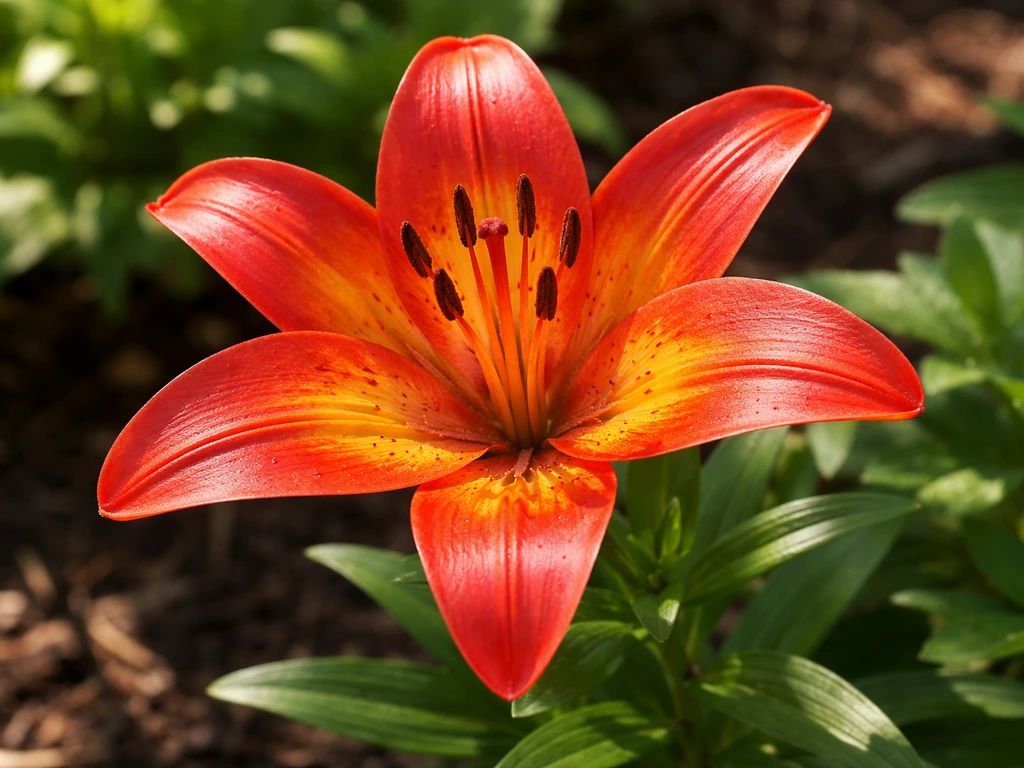
Parasol flower is most commonly sold as Oenothera lindheimeri (formerly known as Gaura), and yes, it is technically a perennial. But here is the catch: it is a perennial that does not always act like one. In zones 5 through 9, it can come back year after year from its underground rhizome. Outside those zones, or in heavy clay soil with poor drainage, it often dies over winter and gets treated as an annual. So whether it is "permanent" in your garden really depends on where you live, what you planted it in, and which cultivar you have.
Is Parasol Flower Permanent in Your Garden? Lifespan Guide

Marcus Weir
3 Jun 2026
What plant is actually called "parasol flower"?
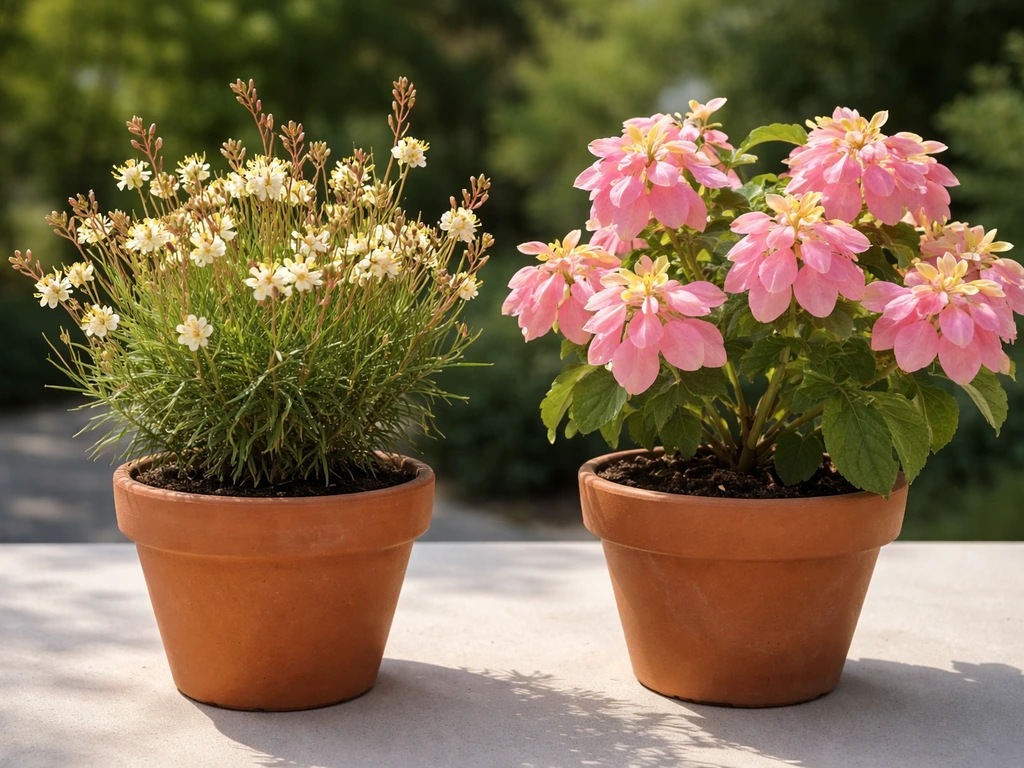
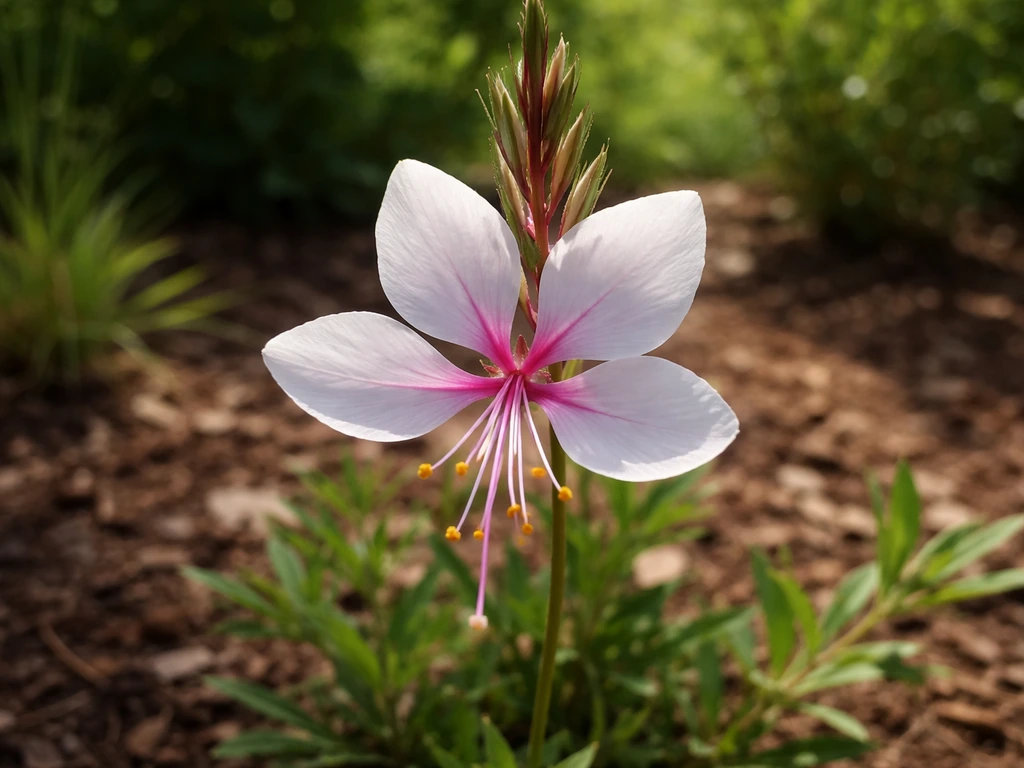
This is the first thing to sort out, because "parasol flower" is not a locked-down botanical name. It is a descriptive common name that gets applied to a few different plants depending on the nursery, the region, or even just how the label looked on the tag. The most widespread use in temperate garden retail is for Oenothera lindheimeri, the plant most gardeners still call Gaura. It has wiry stems, small butterfly-shaped flowers (white or pink), and that airy, parasol-like appearance that inspired the nickname. This is the one you have probably purchased if you bought a "parasol flower" at a mainstream garden center in the US, UK, or Australia.
The second plant that sometimes gets the parasol label is Mussaenda philippica, a tropical shrub with large, showy bracts. If your parasol flower looks nothing like a wispy, wand-like perennial and instead has bold colorful sepals on a woody shrub, you may have Mussaenda. The care and lifespan advice is completely different for that one, and it is only reliably perennial in USDA zones 9 through 11. The rest of this article focuses on Oenothera lindheimeri since that is the plant most people are asking about, but I will circle back to Mussaenda in the container section because it matters for overwintering.
Quick check: look at your plant tag or receipt. If it says Gaura, Oenothera, butterfly gaura, whirling butterflies, or siskiyou pink, you have Oenothera lindheimeri. If the tag says Mussaenda or shows a shrubby plant with flag-like pink or white bracts, you have the tropical version. If the tag is long gone, search the cultivar name printed on your pot.
Is it an annual, biennial, or perennial?
Oenothera lindheimeri is classified as a perennial herbaceous plant. That means it is not an annual (which lives for one season and dies), and it is not a biennial (which takes two years to flower and then dies). The top growth dies back in cold weather, but the plant survives underground through its rhizome and, given the right conditions, pushes up new growth the following spring. In practice, though, it is what many gardeners call a "short-lived perennial," meaning it is not immortal. Even in ideal conditions, individual plants may only last three to five years before they decline. And in climates colder than zone 5 or in soggy soil, "perennial" is a generous label because the plant simply does not survive winter reliably.
| Plant Type | What It Means | Does It Come Back? |
|---|---|---|
| Annual | One growing season, then dies | No, replant each year |
| Biennial | Year 1: grows. Year 2: flowers, then dies | No, but may self-seed |
| Short-lived perennial (Oenothera) | Comes back from roots if it survives winter | Yes, in zones 5–9 with good drainage |
| Tropical perennial (Mussaenda) | Evergreen in tropics, dies in frost | Only in zones 9–11 outdoors |
Will it come back in your garden?
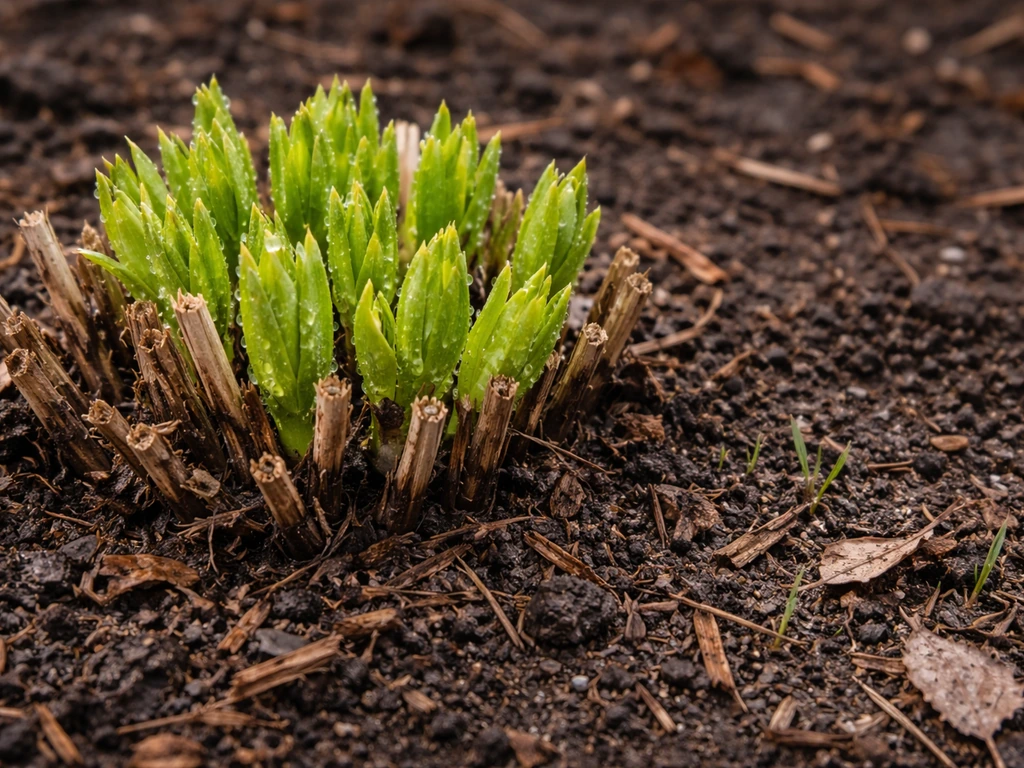
The honest answer is: probably yes if you are in zones 6 through 9, probably no if you are in zone 5 or colder, and it depends entirely on your soil and drainage if you are in the middle. Oenothera lindheimeri is rated for zones 5 (sometimes listed as zone 6) through 9, but the "zone 5" rating comes with a big asterisk: the plant may not overwinter reliably even within its rated range, especially in wet or heavy soils. I have seen gardeners in zone 7 lose every single plant after a wet winter, while someone in zone 6 with sandy, raised beds loses nothing. Drainage is just as important as temperature.
Self-seeding is the other way parasol flower stays "permanent" in your garden even when individual plants die. Oenothera lindheimeri self-seeds readily and is easily propagated from seed. This means that even if the original plant does not survive, volunteers often pop up nearby the following spring. If you want this to happen, leave the seed heads on the plant in autumn rather than cutting them off. If you do not want a spreading patch, deadhead regularly throughout the season.
Hardiness also varies by cultivar. Newer selections like 'Snowstorm' have been specifically bred for improved cold and frost tolerance, with some rated to zone 6 with better performance than older types. If overwintering is a real concern for you, it is worth seeking out a named cold-tolerant cultivar rather than a generic unlabeled plant.
Growing conditions that help it last longer
The single biggest factor in whether parasol flower comes back is soil drainage. This plant absolutely hates wet feet. If water sits around the roots after rain or snow melts, the rhizome rots and the plant is gone. Sandy or loamy soil is ideal. Heavy clay is the enemy. If you’re wondering can you grow waratahs in Brisbane, the key is matching their needs for well-drained soil and good airflow. If you have clay, either amend heavily with grit and compost before planting or grow it in raised beds or containers.
- Light: Full sun is non-negotiable for long-term survival. Aim for at least 6 hours of direct sun daily. Plants in shade bloom poorly, grow lanky, and are far more vulnerable to winter rot.
- Soil: Sandy to loamy, well-drained, and slightly acidic to neutral pH. Avoid rich, moisture-retentive mixes; this plant thrives on lean, fast-draining ground.
- Watering: Water regularly while establishing (first 4 to 6 weeks), then back off significantly. Mature plants are drought-tolerant and prefer dry periods between waterings.
- Spacing: Give plants 18 to 24 inches of space. Good airflow reduces fungal issues and keeps the crown dry.
- Mulching: A light mulch layer in late autumn insulates the root zone in colder climates, but keep mulch away from the crown itself to prevent rot.
Planting and care steps for the best chance of it lasting
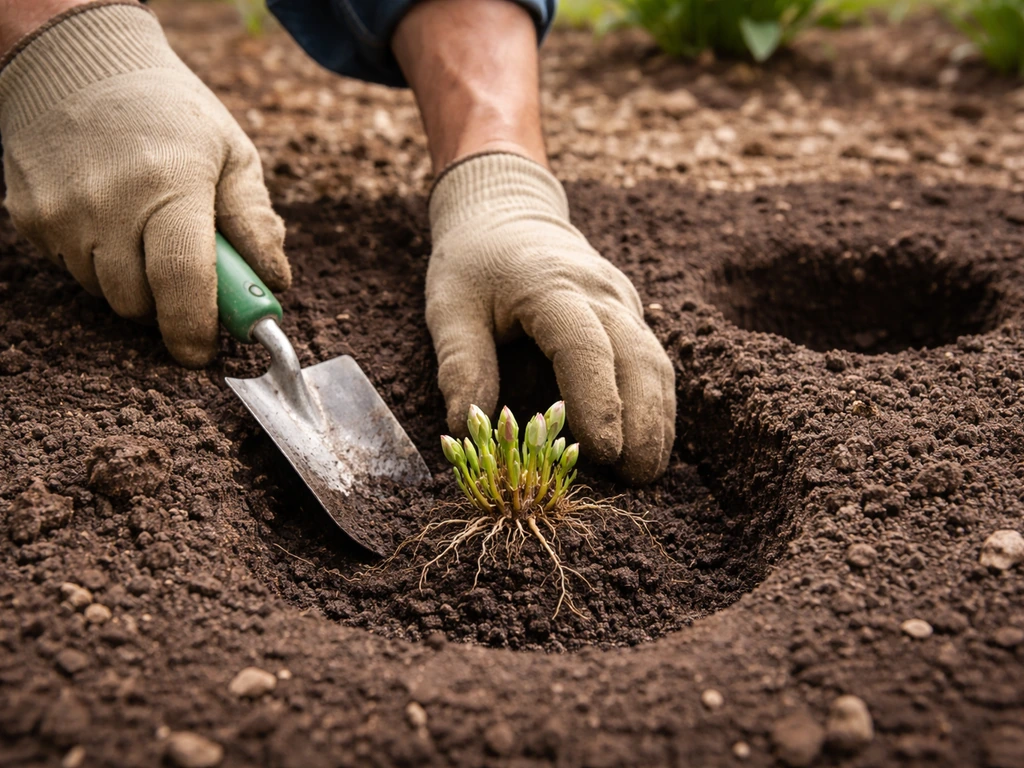
- Plant in spring after your last frost date, or in early autumn at least 6 weeks before first frost. Spring planting gives the root system a full season to establish before its first winter.
- Choose the sunniest, best-drained spot in your garden. If the spot holds puddles after rain, pick a different spot or build it up.
- Amend heavy soil with coarse grit or horticultural sand before planting. Mix in compost for structure, not for moisture retention.
- Plant at the same depth as the nursery pot. Do not bury the crown deeper than it was growing.
- Water in well at planting, then water every 3 to 4 days for the first month. After that, water only when the top 2 inches of soil are dry.
- Deadhead spent flowers through summer to extend blooming and reduce unwanted self-seeding.
- Cut back the top growth to about 4 to 6 inches in late autumn after the first hard frost. Do not cut to the ground in cold climates as the remaining stems mark where the plant is and offer a little crown protection.
- In zone 5 or colder, apply a 3-inch layer of dry mulch (straw or dry leaves) over the crown area after cutting back. Remove it gradually in early spring when temperatures stay consistently above freezing.
If it does not come back: troubleshooting and fixes
If your parasol flower does not reappear by late spring (give it until late May or early June before writing it off, as it can be slow to emerge), here is how to work out what went wrong and what to do next.
| What You Observe | Likely Cause | What to Do Now |
|---|---|---|
| No new growth by late May | Crown rot from wet winter soil | Improve drainage; replant in raised bed or gritty mix |
| Plant looks dead but soil is dry | Cold damage below its hardiness zone | Try a cold-hardier cultivar; overwinter in containers next time |
| Plant alive but not blooming | Too much shade or overly rich soil | Move to full sun; stop fertilizing with nitrogen |
| Lots of small seedlings nearby | Self-seeded successfully | Thin to best-placed seedlings; treat as new plants |
| Crown feels mushy when you dig | Root rot, likely from overwatering or clay soil | Dig up, discard, amend soil heavily before replanting |
If your plant dies after frost consistently, the fastest fix is to collect seed in autumn (the seed capsules are small and tan, appearing after flowering) and sow them indoors in late winter, or to take stem cuttings in late summer and root them in gritty compost. Either way you have a backup plant ready to go in spring without paying nursery prices every year. Because it is often treated like a short-lived perennial, many gardeners propagate parasol flowers from seed or cuttings rather than assuming each plant will last. This is also how gardeners in colder climates handle it routinely: they do not expect the plant to overwinter, so they just bank seeds or cuttings each season.
Container vs in-ground: which lasts longer and how to overwinter each
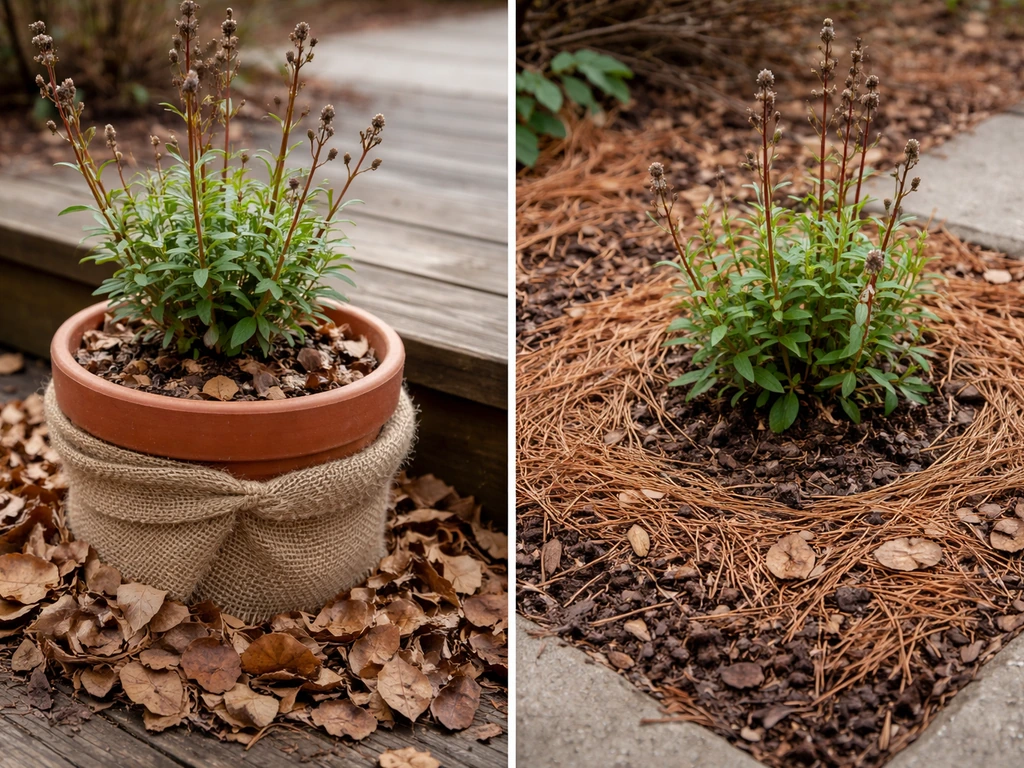
In-ground planting gives Oenothera lindheimeri the best chance of acting like a true perennial in zones 6 through 9. The soil acts as insulation, the roots have room to spread, and the plant handles drought and heat better. If you are in that range with good drainage, plant in the ground and expect multi-year performance.
Container growing is the smarter choice if you are in zone 5 or colder, or if your garden soil is heavy clay that you cannot easily amend. If you want to use a greenhouse setup, make sure you still provide full sun and very fast-draining conditions so the plants do not stay wet at the rhizome can i grow fluxweed in the greenhouse. Use a pot at least 12 inches wide and deep, filled with a gritty, fast-draining mix. The trade-off is that containers are more vulnerable to temperature swings: the roots are exposed to cold from the sides as well as the top, so a container plant in zone 6 can die when an in-ground plant in the same zone survives. To overwinter a container Oenothera, move it into an unheated garage or shed after the first frost cuts the top growth back. Keep the soil barely moist (not wet, not bone dry) and bring it back outside gradually in spring when nighttime temperatures stay above freezing.
If you have the tropical Mussaenda philippica, container growing is the only realistic option outside zones 9 to 11. Bring it indoors before temperatures drop below 60°F, place it in a bright spot, and reduce watering. Bring Mussaenda philippica indoors before temperatures drop below 60°F to support overwintering in non-tropical climates, per Logee’s care documentation. It will likely drop some leaves indoors but will recover when returned outside in late spring. Gradually acclimate it to outdoor light over one to two weeks rather than moving it abruptly from a dim room to full sun.
Quick decision guide
- Plant dies after frost every year: collect seeds in autumn, sow indoors in February or March, or take late-summer cuttings. Treat it as an annual you propagate yourself.
- Plant comes back each spring: cut back in late autumn, mulch the crown lightly in cold zones, and divide every 3 years to keep it vigorous.
- Plant survives but looks ratty by midsummer: cut it back hard by one third in early July; it will flush new growth and re-bloom.
- In zone 5 or colder: grow in containers and overwinter in a frost-free but cool space, or replant from seed annually.
- Tropical Mussaenda version: treat like a houseplant in winter, keep above 60°F, and move outside only when nights are reliably warm.
The bottom line on permanence: parasol flower (Oenothera lindheimeri) is a real perennial, not a one-and-done plant, but it earns that status only when you give it full sun and fast-draining soil in the right climate zone. Horsetail also has season-to-season growth patterns, so if you are wondering when it grows, timing depends on temperature and moisture when does horsetail grow. Get those conditions right and you will have it for several years. Get them wrong and it behaves like an expensive annual. If you are exploring other plants with tricky permanence questions in the same style of ornamental garden, the same kind of zone-by-zone thinking applies to plants like ember lily, pitcher plant, and rafflesia, where the rarity and persistence questions are just as dependent on climate fit as on the plant itself. These same rarity and persistence trade-offs come up when you’re trying to figure out what rarity horsetail has for growing a garden. If you are wondering about whether rafflesia fits your garden, the key is again climate and the exact growing conditions it needs. If you want to grow a pitcher plant, the key is providing the right type of media and keeping the soil consistently suited to its needs. If you are wondering how rare ember lily is, check your local climate first, since availability and survival vary a lot by region and growing conditions.
FAQ
If parasol flower drops dead every winter, will it still “stay” in the garden anyway?
Yes, but only in a limited sense. If you leave seed heads for volunteers, the plant population can stay in your garden even when individual crowns die, but the original plants are still short-lived in many climates. If you want “permanent” as in one steady clump, focus on fast drainage plus a cold-tolerant cultivar, not just self-seeding.
When should I cut back parasol flower so it comes back (or reseeds)?
A common mistake is cutting everything down too early in late fall. Oenothera often needs its above-ground growth to be fully finished before you remove it, and you should wait until cold has actually killed the stems. Then cut back, and if you want it to self-seed, leave the seed heads to mature rather than removing them right after flowering.
My parasol flower gets lots of rain, how do I know if I should water less or improve drainage?
Overwatering is the biggest issue. Even if the plant is sunny and otherwise healthy, soggy conditions can rot the rhizome. If you suspect wet feet, improve drainage first (raised bed, gritty amendment, or container with very fast-draining mix) before adding fertilizer, since fertilizer on wet soil can worsen decline.
What if it does not come up in spring, can I assume it is dead?
It is possible, but only if you get the timing right. Oenothera can be slow to emerge in spring, especially in cool soils, so don’t dig it up immediately after winter. Wait until late May or early June, gently check that the soil is not waterlogged, then decide whether to replant from seed or cuttings.
If it self-seeds, will the new plants look like the original parasol flower?
Yes, but you need to treat “seedling volunteers” as separate plants with their own vigor. Volunteers may not match the flower color or form of the parent, and they may be less cold-tolerant. If appearance matters, start with seed only for backups, then replant named cultivars for consistent results.
I have heavy clay, is amending the soil enough or should I use a raised bed or container?
Raised beds often help more than trying to fix heavy clay in place. Mix in compost and grit well below the surface, and plant so the rhizome sits in a mound or ridge rather than a flat, water-holding area. For containers, use a pot at least 12 inches deep and wide, and make sure excess water can drain quickly.
Can I dig around to check if the rhizome is still alive?
Root disturbance can set it back, and many gardeners lose plants while “checking” too aggressively. If you must inspect, do it once and minimally, looking for rhizome firmness rather than digging around repeatedly. Better approach, if it seems gone, is to keep the area lightly covered, wait for late-spring emergence, and start backup propagation instead.
How can I protect parasol flower in winter without making it rot from trapped moisture?
You can reduce losses by protecting the crown from winter wet rather than adding lots of heat. For in-ground plants in borderline areas, use a well-draining mound, consider a temporary cover that sheds rain, and avoid mulching thickly right over the crown where it stays damp. In containers, keep soil barely moist in an unheated garage or shed after the first frost.
What is the fastest way to create a backup plant if my parasol flower often dies out?
For Oenothera lindheimeri, seed collection is usually the easiest backup. Collect small tan capsules after flowering in autumn, then sow indoors in late winter for spring plants, or root stem cuttings in late summer in gritty compost. This also helps you avoid relying on one overwintering success.
Next Article
How Rare Is Ember Lily in a Garden How to Confirm and Grow It
Confirm the exact ember lily, find how hard to source it, and follow light, soil, timing, and propagation steps to grow