Yes, you can grow fluxweed in a greenhouse, but first you need to know which plant you're actually dealing with. 'Fluxweed' is a shared common name used for at least two different species: Trichostema brachiatum (a North American native also called false pennyroyal) and Euphorbia hypericifolia (graceful spurge or garden spurge). Both are manageable greenhouse subjects, but they have very different care profiles. This guide focuses primarily on Trichostema brachiatum since that's the plant most official sources, including the U.S. Fish and Wildlife Service and state native plant societies, tie to the name 'fluxweed.' Where the two species meaningfully differ, I'll flag it.
Can I Grow Fluxweed in a Greenhouse? A Practical Guide

Marcus Weir
2 Jul 2026
What fluxweed actually is (and why the name gets confusing)
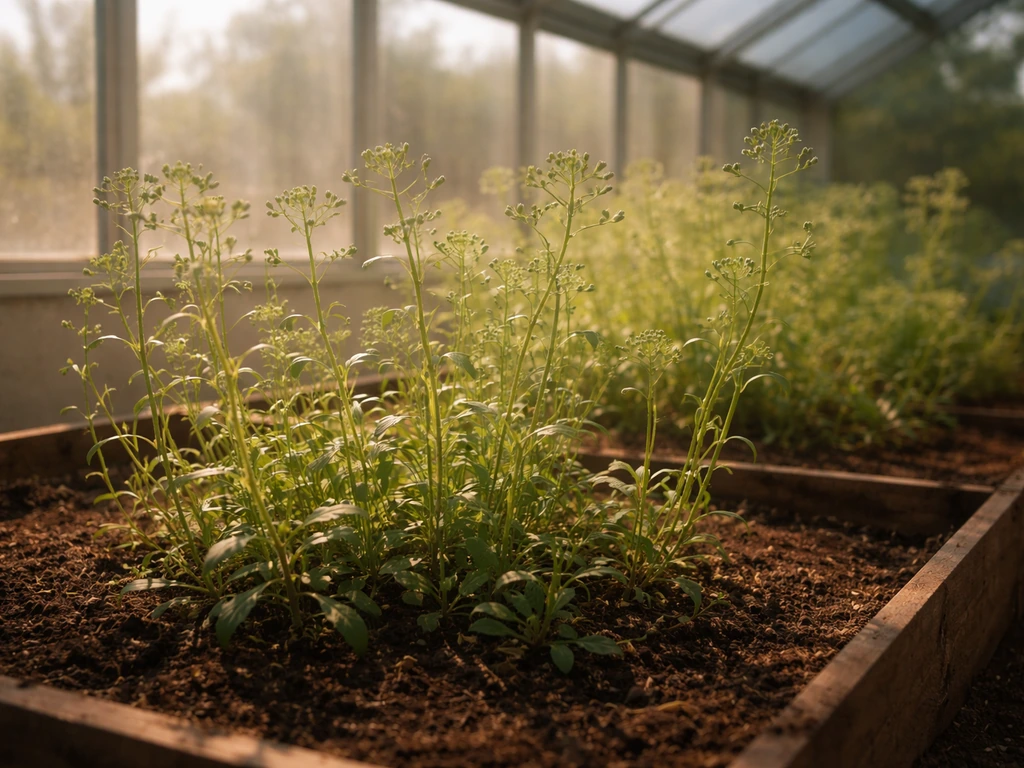
Trichostema brachiatum is a low-growing annual or short-lived perennial in the mint family (Lamiaceae). It's native to central and eastern North America, grows 6 to 18 inches tall, and produces small tubular flowers that attract pollinators. You'll find it listed in Texas and Massachusetts native plant records under both 'fluxweed' and 'false pennyroyal.' It smells faintly minty when you crush the leaves, which is a quick field ID trick.
Euphorbia hypericifolia, the other fluxweed, is a completely different plant: a fast-spreading spurge with tiny white flowers and milky sap. If someone recommended 'fluxweed' to you from a gardening forum without specifying the Latin name, double-check before you commit to a care routine. The easiest way to confirm: Trichostema smells herby, Euphorbia does not and has that characteristic white latex when a stem is broken.
For anyone who arrived here from searching about fluxweed in the context of games like Grow a Garden, it's worth noting that the site covers real, soil-and-water plants. If you're curious about other unusual plant names in that game space, there are related articles on rarities like horsetail and pitcher plant that follow the same real-horticulture angle. If you’re also curious about ember lily, its rarity and availability in real-world gardening can be quite different from fluxweed.
Is a greenhouse actually a good fit for fluxweed?
For Trichostema brachiatum, a greenhouse is a very good fit if you're outside its native range or want to extend the growing season. In the wild it occupies open, sunny spots on dry sandy or limestone soils, which tells you a lot about what it needs: maximum light, sharp drainage, and relatively low humidity. A greenhouse lets you dial in exactly those conditions and protect it from the wet winters that would kill it in colder climates.
Space requirements are modest. Individual plants spread 8 to 12 inches and don't need support structures. A single bench in a small hobby greenhouse (6x8 feet) can comfortably hold a dozen plants with room to work. If you're growing Euphorbia hypericifolia instead, the same light and space logic applies, though it spreads more aggressively and you'll want to keep it contained.
Light
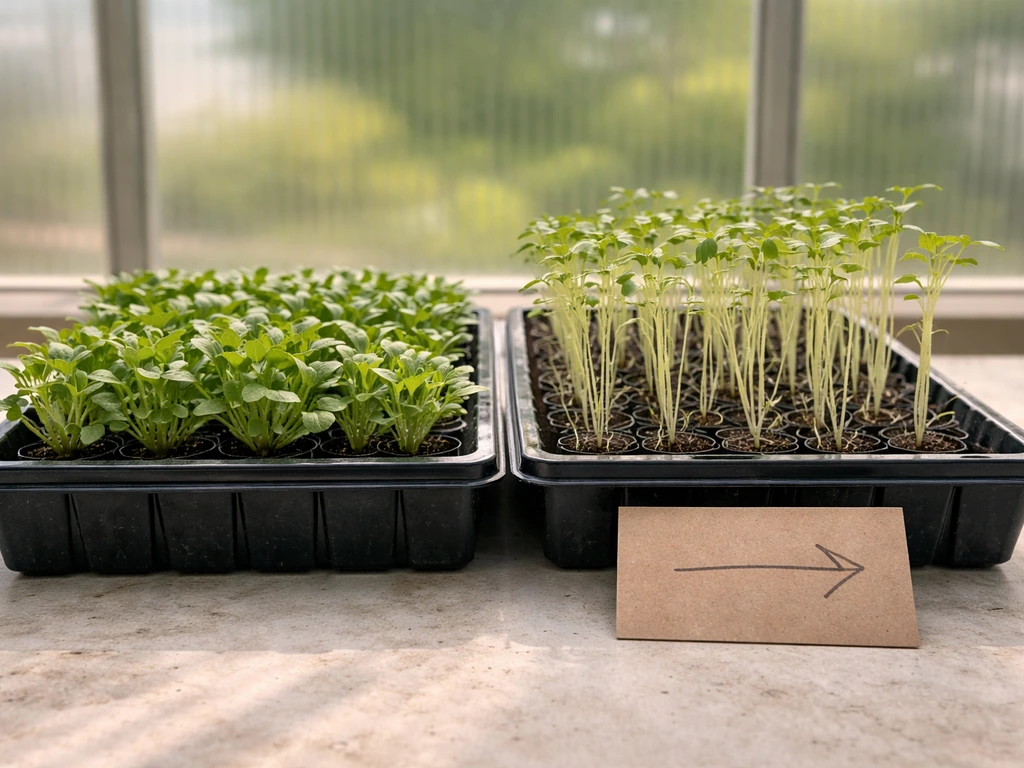
Fluxweed wants full sun, meaning at least 6 to 8 hours of direct light daily. In a greenhouse from spring through summer, ambient sunlight through polycarbonate or glass panels is usually sufficient. In winter or in overcast northern climates, supplement with a broad-spectrum LED grow light positioned 12 to 18 inches above the canopy, running 14 to 16 hours per day. Insufficient light is the single most common reason greenhouse-grown fluxweed gets leggy and stops flowering.
Temperature
Target a daytime temperature of 65 to 80°F (18 to 27°C) and nighttime temps no lower than 50°F (10°C). Trichostema brachiatum handles light frost in the ground but potted roots are more vulnerable, so keep your greenhouse minimum at 45°F (7°C) as an absolute floor. It actually performs better with a 10 to 15°F night drop, which mimics its natural open-habitat conditions and tightens up growth.
Humidity and airflow
Keep relative humidity between 40 and 55 percent. Fluxweed is a dry-habitat plant and struggles above 65 percent humidity for extended periods. Good airflow is non-negotiable: run a small oscillating fan continuously or open vents daily. A stagnant, humid greenhouse is the fastest route to powdery mildew and root rot with this plant.
Setting up soil, containers, and watering
Substrate and containers
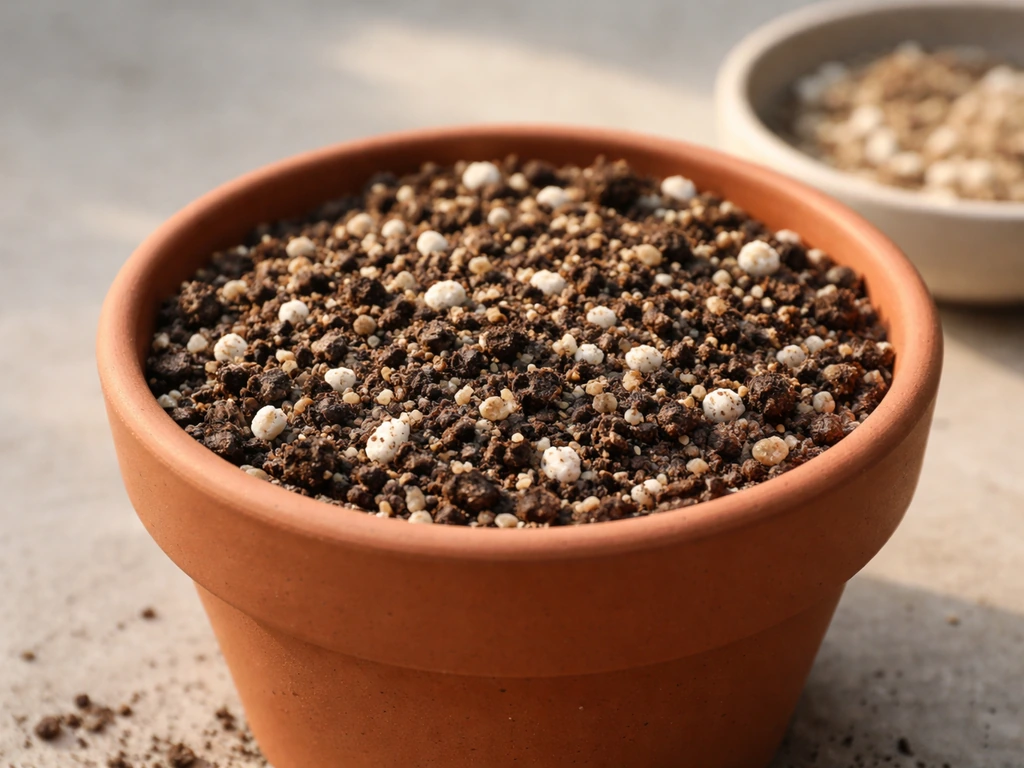
Use a fast-draining mix. A reliable recipe is two parts perlite, two parts coarse horticultural sand, and one part peat or coco coir. Avoid standard potting mixes that retain moisture, they're too rich and too wet for this plant. A pH of 6.0 to 7.0 suits it well; fluxweed tolerates slightly alkaline soil, which makes sense given its limestone habitat. Terracotta pots are ideal over plastic because they wick away excess moisture through the walls. A 6-inch pot handles a single plant comfortably; go to an 8-inch pot if you want it to bush out.
Watering approach
Water deeply but infrequently. Let the top 1 to 2 inches of the mix dry out completely before watering again. In a warm greenhouse during peak summer, that might mean watering every 5 to 7 days. In winter or overcast periods, stretch it to 10 to 14 days. Always water at the base, not overhead: wet foliage in a greenhouse environment is an invitation to fungal problems. If you're unsure, err dry rather than wet. Fluxweed handles drought far better than waterlogged roots. If you’re wondering can you grow waratahs in Brisbane, the key is matching their native light, drainage, and mild-climate temperature needs.
Sourcing plants and starting from seed
Trichostema brachiatum is not a mainstream nursery plant, so you'll likely need to source seeds from a native plant seed supplier or a native plant society seed exchange. Texas and midwestern native plant networks are your best starting point as of mid-2026. Seeds are small and require patience: stratification is not typically needed, but a 2-week cold-moist pre-treatment (seeds between damp paper towels in the fridge at 38 to 40°F) can improve germination rates noticeably.
- Fill small cell trays with your gritty mix and moisten it lightly before sowing.
- Scatter 2 to 3 seeds per cell and press them gently onto the surface. Do not bury them: they need light to germinate.
- Cover the tray with a clear dome or plastic wrap and place under grow lights or in a warm, bright greenhouse spot at 65 to 72°F.
- Expect germination in 10 to 21 days. Remove the cover as soon as sprouts appear.
- Thin to one seedling per cell at the 2-leaf stage.
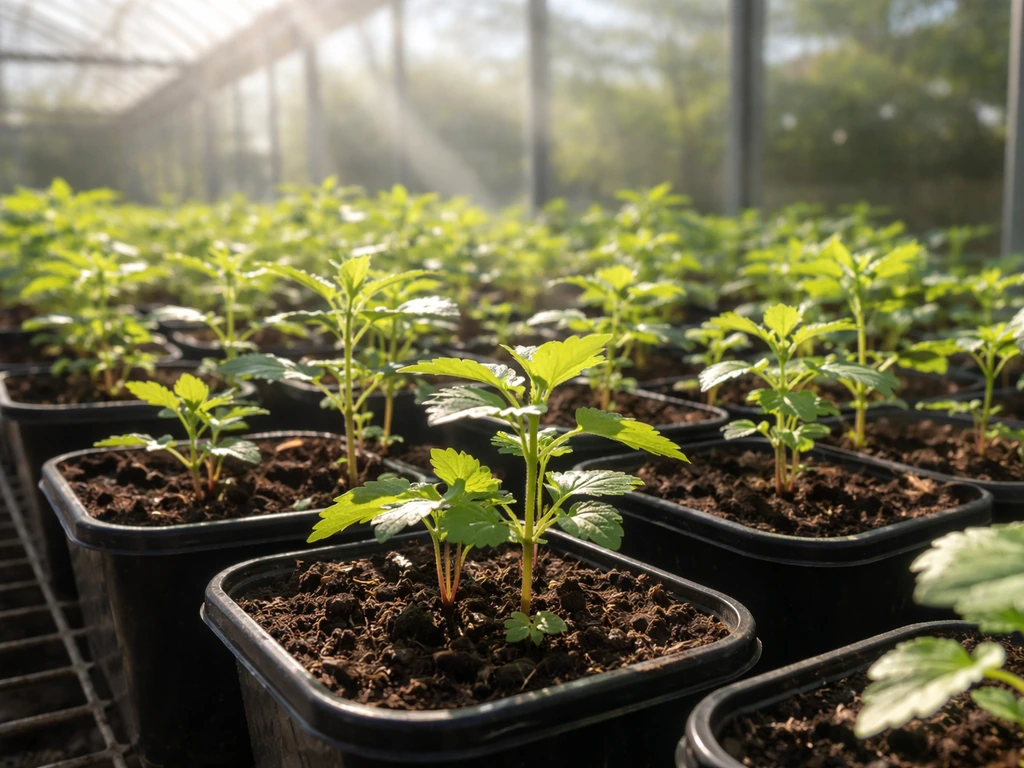
- Transplant to individual 6-inch pots when seedlings are 2 to 3 inches tall, typically 4 to 6 weeks after germination.
- Allow 2 to 3 months from seed to a plant that's ready to flower or harvest.
Cuttings are possible but not as reliable as seed for this species. If you do try cuttings, take 3 to 4 inch softwood stems in late spring or early summer, strip the lower leaves, dip in rooting hormone powder, and stick into pure perlite. Keep humidity moderate (not soaking wet) and expect roots in 3 to 5 weeks. If you're wondering when horsetail grows, timing depends on temperature and moisture, with new shoots typically appearing in spring moderate (not soaking wet).
Day-to-day growing: nutrients, pruning, and support
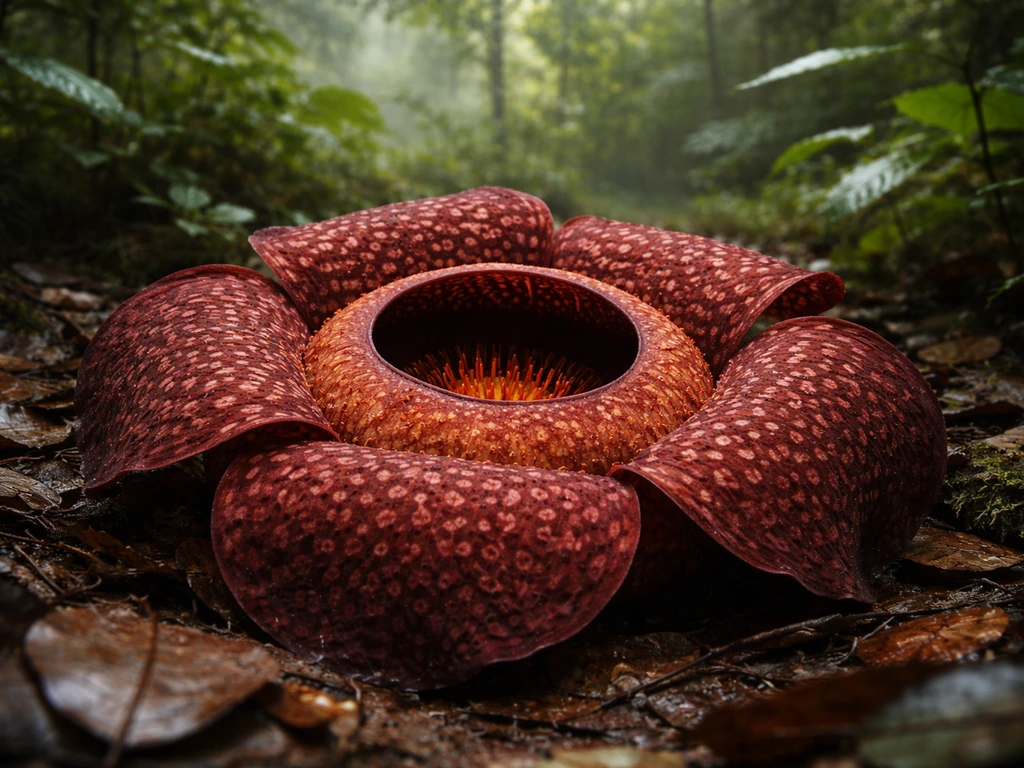
Fluxweed is a low-fertility plant. In its native habitat it grows on poor, sandy soils, and replicating that lean environment in the greenhouse produces tighter, healthier growth. If you are also considering Rafflesia for your garden, check its habitat needs first, since it does not grow well like typical greenhouse or potted plants sandy soils. Over-fertilizing is one of the easiest mistakes to make. Feed with a balanced, low-nitrogen liquid fertilizer (something like a 5-10-10 or a tomato-style formula) at quarter strength, once every 4 to 6 weeks during active growth. Do not feed from October through February.
Pruning is simple: pinch growing tips back by a third when the plant reaches 6 inches tall to encourage bushier branching. After the first flush of flowers fades, a light trim of spent stems will often trigger a second bloom. You do not need staking or support structures for Trichostema brachiatum at typical greenhouse pot sizes.
Troubleshooting problems in the greenhouse
| Problem | Likely cause | Fix |
|---|---|---|
| Leggy, stretched stems | Insufficient light | Add or lower grow lights; aim for 14+ hours at 18 inches above canopy |
| Powdery mildew on leaves | High humidity, poor airflow | Reduce humidity below 55%, run fan continuously, remove affected leaves |
| Root rot / wilting despite watering | Overwatering or dense substrate | Repot into gritty mix, let dry fully before watering again |
| Yellow leaves (lower foliage first) | Overwatering or nutrient lockout from wet soil | Reduce watering frequency; check soil pH is 6.0–7.0 |
| Pale, washed-out foliage | Nutrient deficiency or too much direct heat | Apply quarter-strength balanced fertilizer; check temps not exceeding 85°F |
| Spider mites (fine webbing, stippled leaves) | Low humidity, dry conditions | Wipe leaves with damp cloth, apply insecticidal soap spray weekly for 3 weeks |
| Fungus gnats in soil | Soil staying too moist too long | Allow top 2 inches to dry fully; use yellow sticky traps; apply Bacillus thuringiensis israelensis (Bti) drench |
The most common issue I've seen with fluxweed in a greenhouse setting is overwatering combined with poor airflow. People assume that because it's in a controlled environment it needs regular watering on a schedule, but this plant genuinely prefers to be slightly stressed and dry between waterings. Trust the dryness test over the calendar. If you're also curious about how rare horsetail plants are in the wild, you can look up their rarity ratings for your region what rarity horsetail is.
Harvesting, uses, and safe handling
Trichostema brachiatum has a history as a folk herb, historically used for digestive complaints (the 'flux' in fluxweed refers to an old term for dysentery). However, there is very limited modern clinical research on this plant's safety or efficacy, and it should not be consumed without proper botanical and medical guidance. Grow it as an ornamental, a pollinator plant, or a native-habitat specimen and you're on solid ground. Pitcher plants are rare as garden plants, but if you want one, look for reputable carnivorous plant nurseries rather than general seed racks.
For ornamental harvest (dried bundles, arrangements), cut stems in the morning just as flowers are opening. For gardeners interested in using ornamental flowers, parasol flowers are typically treated as a single-use cut flower rather than something that will reliably rebloom for another growing cycle are parasol flowers one time use in grow a garden. Hang upside down in small bunches in a warm, dry spot with good airflow. Dried in 1 to 2 weeks depending on ambient humidity.
If you're growing Euphorbia hypericifolia instead of Trichostema, the handling rules are stricter. All Euphorbia species produce a milky latex sap that is a serious skin and eye irritant. Always wear gloves when pruning, harvesting, or repotting, and wash hands thoroughly afterward. Keep it away from children and pets. This is the one area where knowing which 'fluxweed' you have really matters. If you're also asking about parasol flower care, you'll want to confirm whether that plant is grown as an annual or a short-lived perennial in your conditions.
Your greenhouse setup checklist
- Confirm species: Trichostema brachiatum (no latex sap, minty smell) or Euphorbia hypericifolia (milky sap, wear gloves)
- Prepare gritty mix: 2 parts perlite, 2 parts coarse sand, 1 part coco coir or peat
- Choose terracotta pots: 6-inch for single plants, 8-inch for larger specimens
- Set temperature range: 65 to 80°F day, 50°F+ night, 45°F absolute minimum
- Target humidity: 40 to 55 percent relative humidity
- Provide 6 to 8 hours of direct or supplemental light daily (14 to 16 hours with grow lights in low-light periods)
- Run a fan for continuous airflow
- Water only when top 1 to 2 inches of mix are fully dry
- Feed at quarter strength balanced fertilizer every 4 to 6 weeks during active growth only
- Sow seeds on surface (do not bury), expect germination in 10 to 21 days
- Pinch growing tips at 6 inches tall to encourage bushy growth
- Plan for first flowers 2 to 3 months after germination
FAQ
If I keep fluxweed in pots, can I overwinter it in the greenhouse?
Yes, but treat it as an extended-season plan, not a full indoor crop. For potted plants, keep the greenhouse minimum around 45°F (7°C) and stop watering on any schedule, instead letting the mix dry more between waterings in winter. You may still get some flowers if light is adequate, but growth will slow noticeably during short, cloudy days.
How often should I water fluxweed in a greenhouse?
Do the opposite of what many gardeners do. Water only after the top 1 to 2 inches are fully dry, then water at the base until it drains freely. If water pools or the pot stays heavy for days, your mix is too moisture-retentive or drainage is inadequate.
My greenhouse fluxweed is tall, floppy, and not flowering, what should I fix first?
If it gets leggy, it is almost always a light problem or a humidity airflow problem, not a lack of fertilizer. First, raise light intensity (aim for 6 to 8 hours of direct sun, or use LEDs 12 to 18 inches above). Then make sure humidity stays in the 40 to 55 percent range with continuous airflow.
What’s the best way to tell when fluxweed needs water if I’m not sure?
Use a simple “dryness check” routine. Push a finger into the mix, if it is still moist 1 inch down do not water. Also confirm drainage by emptying the saucer after watering, because fluxweed does not tolerate sitting in runoff for long.
Can I grow fluxweed in regular potting soil?
Avoid regular potting mix. The plant needs a mineral-lean, fast-draining medium, for example a perlite plus coarse sand base. If you notice slow draining, add more coarse sand or perlite, and consider switching to terracotta to improve evaporation through the sides.
What if my seed packet or nursery tag just says “fluxweed”?
Label the plant by Latin name before you change anything. Trichostema brachiatum (false pennyroyal) can be handled like a typical ornamental once you are careful about overwatering, while Euphorbia hypericifolia requires extra safety because latex sap can irritate skin and eyes. If your source did not provide the Latin name, you may need confirmation before pruning or repotting.
Do I need to fertilize fluxweed in the greenhouse to get flowers?
For Trichostema brachiatum, a quarter-strength low-nitrogen feed once every 4 to 6 weeks during active growth is enough, and you should stop in late fall through winter. If you fertilize too often or too strongly, you’ll usually see lush foliage but fewer flowers.
Powdery mildew showed up, what greenhouse changes help first?
Many greenhouse plants fail because airflow is too low when humidity is controlled. Use an oscillating fan for continuous air movement, and open vents when possible, especially after watering. If you see white powdery patches or browning roots, increase airflow before changing the watering amount again.
Is Euphorbia-type fluxweed safer to handle than Trichostema-type?
If you’re growing Euphorbia hypericifolia, wear gloves and eye protection during any stem break or pruning, because latex can cause serious irritation. For Trichostema brachiatum, gloves are less about latex and more about avoiding plant stress during handling, but the bigger greenhouse risk is still wet foliage and poor airflow.
Do I need stratification to grow fluxweed from seed, and what’s the simplest method?
Seed starting can work without complex protocols, but a consistent cold-moist pre-treatment often helps germination. If you do the fridge pre-treatment, keep seeds between damp (not wet) paper towels, use the same duration each batch, and do not let them dry out during the stratification window.
When should I pinch or prune greenhouse-grown fluxweed for more branching?
If you want bushier growth, pinch after it reaches about 6 inches tall, then optionally do a light trim after the first flower fade to encourage a second flush. Avoid heavy pruning during low-light winter periods, because slow growth can leave the plant uneven.
What should I change if winter light is low but temperatures are staying warm?
Start with cooler, dry conditions and improve lighting rather than adding heat and water. Bring temperature up gradually if it is chilly, but keep relative humidity controlled and do not increase watering to compensate for lower light. Leggy growth is usually corrected by light and drying, not by warmth alone.
Next Article
Is Rafflesia Good to Grow in a Garden? Realistic Answers
Rafflesia seed is usually not feasible to grow at home: parasitic host needed, hard lifecycle, legal risks, better alter