Yes, you can grow waratahs in Brisbane, but it takes a deliberate setup. Brisbane's humid subtropical climate is not a natural match for Telopea speciosissima, which evolved in cooler, drier, well-drained sandstone soils of southeastern Australia. The two non-negotiables are drainage and phosphorus-free feeding. Get those right, and a waratah can establish and even flower in southeast Queensland. Horsetail is a different plant with its own growth pattern and timing, so it helps to know when horsetail typically grows in your conditions when does horsetail grow. Get them wrong, and root rot or fertiliser toxicity will kill the plant within a season.
Can You Grow Waratahs in Brisbane? Yes and How

Marcus Weir
29 Jun 2026
What waratahs actually are, and why Brisbane is a stretch
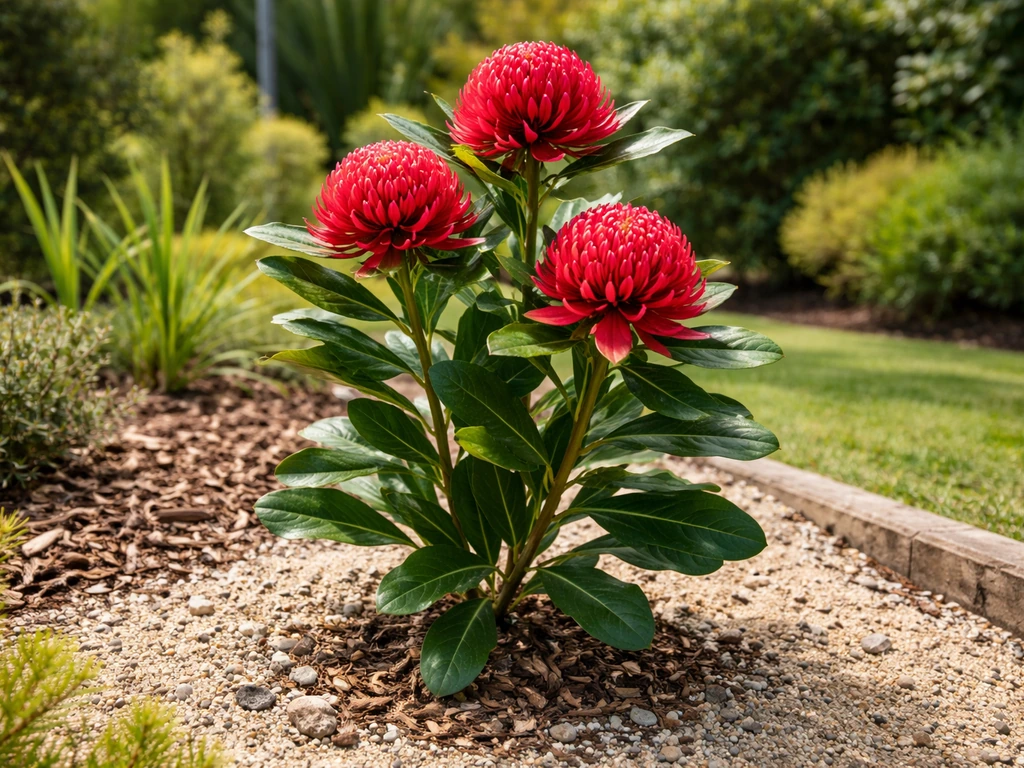
Waratahs (genus Telopea) are proteaceous shrubs native to southeastern Australia. The most recognisable species, Telopea speciosissima, is the NSW floral emblem and produces that iconic crimson flowerhead. It naturally grows in heath and dry sclerophyll forest on nutrient-poor, sandstone-derived soils with excellent drainage and relatively cool winters. blank" rel="noopener noreferrer">Brisbane has a mean annual minimum of 16.6°C and a mean maximum of 26.6°C, with high humidity across most of the year (often sitting at 62–70% relative humidity) and peak rainfall coming in summer from December to February. That combination is almost the opposite of what waratahs evolved for. The real stressors in Brisbane are: waterlogged soil during summer downpours, high humidity encouraging fungal disease, and insufficient winter cold to reliably trigger bud development. It is not impossible, but it is genuinely harder than growing waratahs in Sydney or the Blue Mountains. Pitcher plants are generally much rarer to grow at home than waratahs, and they need very specific conditions to thrive.
That said, Brisbane microclimates vary a lot. Elevated positions, north-facing slopes, and spots with good airflow around the plant change the equation meaningfully. Gardeners in hillier parts of Brisbane (The Gap, Samford Valley, Pullenvale) have better odds than those on low-lying, heavy clay sites near the river.
In-ground vs container: which actually works better in Brisbane
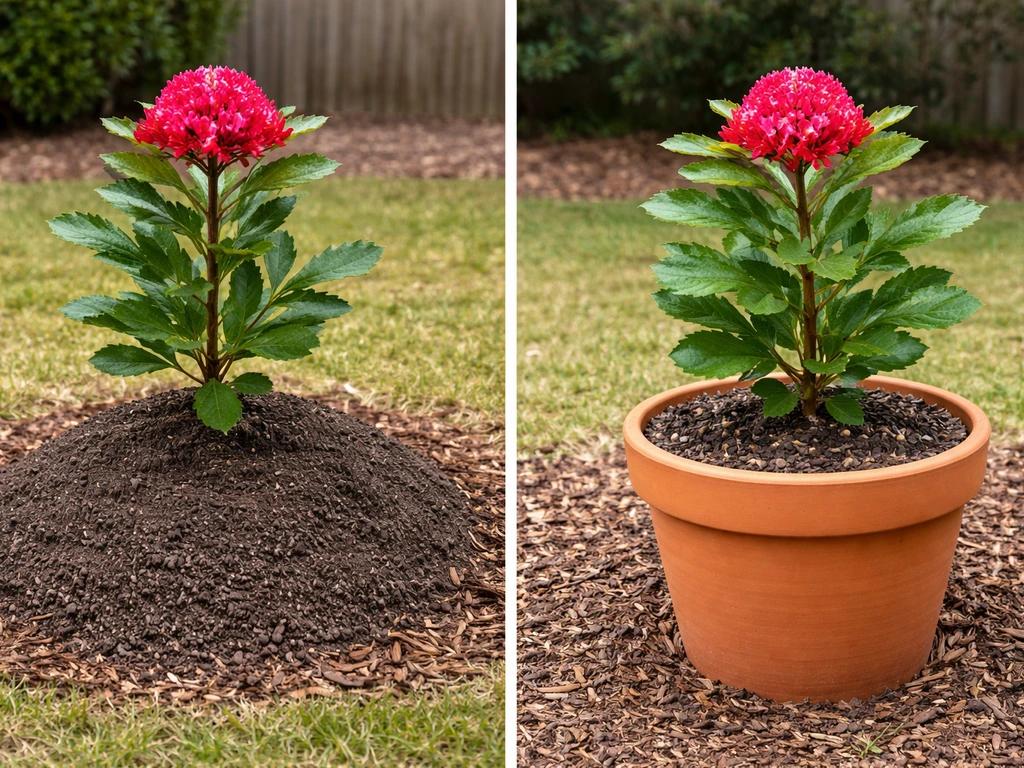
For most Brisbane gardeners, containers are the smarter starting point, not just a fallback. A container lets you control the exact soil mix (which is the single biggest variable), move the plant away from summer rain if needed, and start small before committing to a permanent in-ground spot. If you are wondering whether fluxweed can be grown in a greenhouse, the key is matching its light, moisture, and air-circulation needs to the protected environment can i grow fluxweed in the greenhouse. Anecdotally, Reddit growers who reported partial success in southeast Queensland were almost exclusively using containers with native potting soil and low-phosphorus fertiliser. In-ground planting absolutely can work, but only if you build the drainage profile from scratch.
| Factor | In-ground (with mounding) | Container |
|---|---|---|
| Drainage control | Requires building a 50 cm raised mound | Full control via mix and no saucer |
| Soil pH management | Needs soil amendment and testing | Easier to dial in from the start |
| Summer waterlogging risk | Moderate to high on clay sites | Low if pot has drainage holes |
| Winter chill exposure | Slightly better in open garden | Can be moved to cooler spot |
| Long-term size potential | Larger, more established plant | Root-restricted, smaller plant |
| Best for | Gardeners with sandy loam or elevated sites | Most Brisbane gardeners, beginners |
If you go in-ground, build a raised mound at least 50 cm high using an appropriate soil mix (see below), and plant on a slope or elevated position if possible. Never plant in a low-lying area that pools water after rain. Remove any saucers from pots, and do not sit containers in trays that hold water during Brisbane's wet season.
Soil, pH, and drainage: building the right mix
This is where Brisbane gardens most commonly fail with waratahs. The target pH is 5.5 to 6.5, which is moderately acidic. Most Brisbane garden soil sits closer to neutral or even slightly alkaline on some clay-heavy sites, so amendment is usually needed. More important than pH, though, is physical structure. Waratahs need sandy loam or gravelly, gritty media that water moves through rapidly.
For containers, mix roughly equal parts of a good quality native potting mix, coarse horticultural sand or fine gravel (not builder's sand, which compacts), and some composted leaf litter or fine pine bark. Avoid peat-heavy mixes that hold too much moisture. For in-ground mounds, the same principles apply: dig out the existing soil, replace with a blend of coarse sand, gravel, and low-nutrient native mix, and form it into a mound so water sheds away from the root zone. The proteoid roots that waratahs develop to scavenge nutrients form best in that loose, infertile upper layer, so do not enrich the mix with compost-heavy blends or general potting mixes that contain added fertiliser.
A simple way to check drainage: pour water into the mound or container and watch how fast it disappears. It should drain in under 30 seconds. If it sits for a minute or more, the mix is too dense and needs more grit.
Sun, watering, mulch, and fertilising: the daily care rules
Sun and airflow
Waratahs prefer full sun to partial shade. In Brisbane's intense summer, some afternoon shade is actually helpful in preventing heat stress, especially for container plants. More importantly, choose a spot with good airflow around the plant. Stagnant humid air sitting on the foliage through summer is one of the main drivers of fungal problems in Brisbane's climate.
Watering
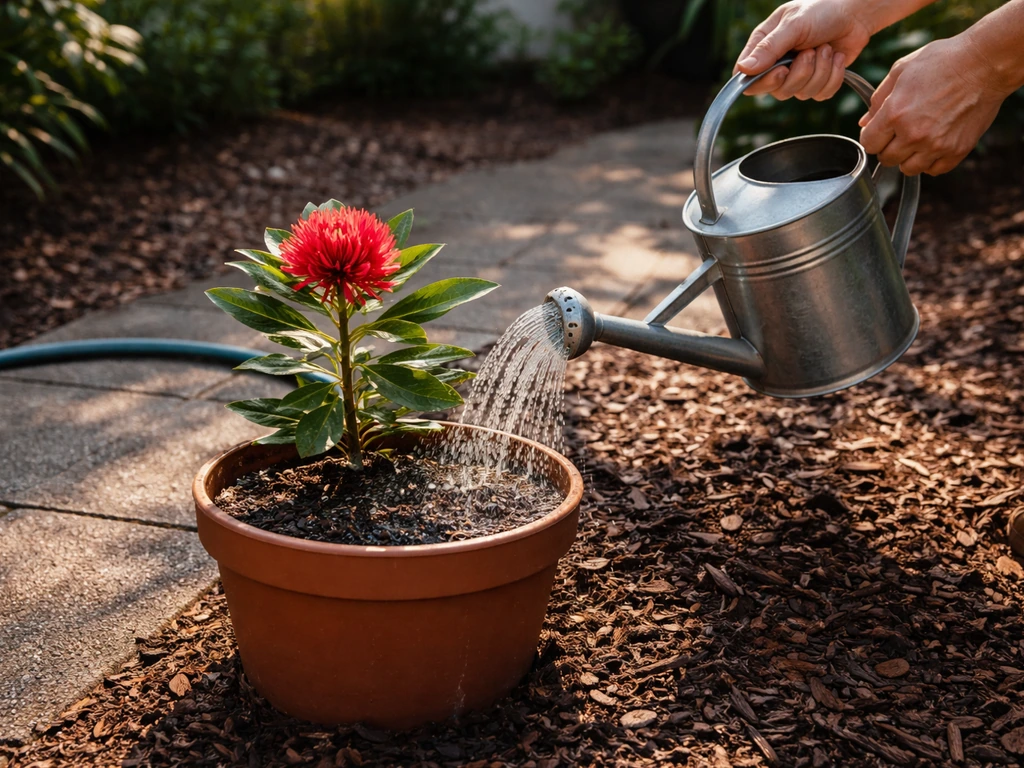
Water deeply but infrequently. During establishment (first 3 to 6 months), water every 2 to 3 days if dry, then back off once the plant is settled. In Brisbane's wet season, you may not need to water at all, but check that containers are actually draining and not sitting in pooled water. In drier winter months, water once a week. The root zone should dry out partially between waterings. Overwatering is far more lethal to waratahs than underwatering. If you are wondering about horsetail, you can also tell how rare it is by checking how uncommon it is where you live and what growing conditions it needs what rarity is horsetail in grow a garden.
Mulch
A 5 to 8 cm layer of coarse mulch (hardwood chips, eucalyptus mulch, or similar) helps regulate soil temperature and moisture, which is useful in Brisbane's climate swings. Keep mulch pulled back 5 cm from the stem base to prevent collar rot, which is a real risk in humid Brisbane conditions.
Fertilising: the phosphorus rule you cannot ignore
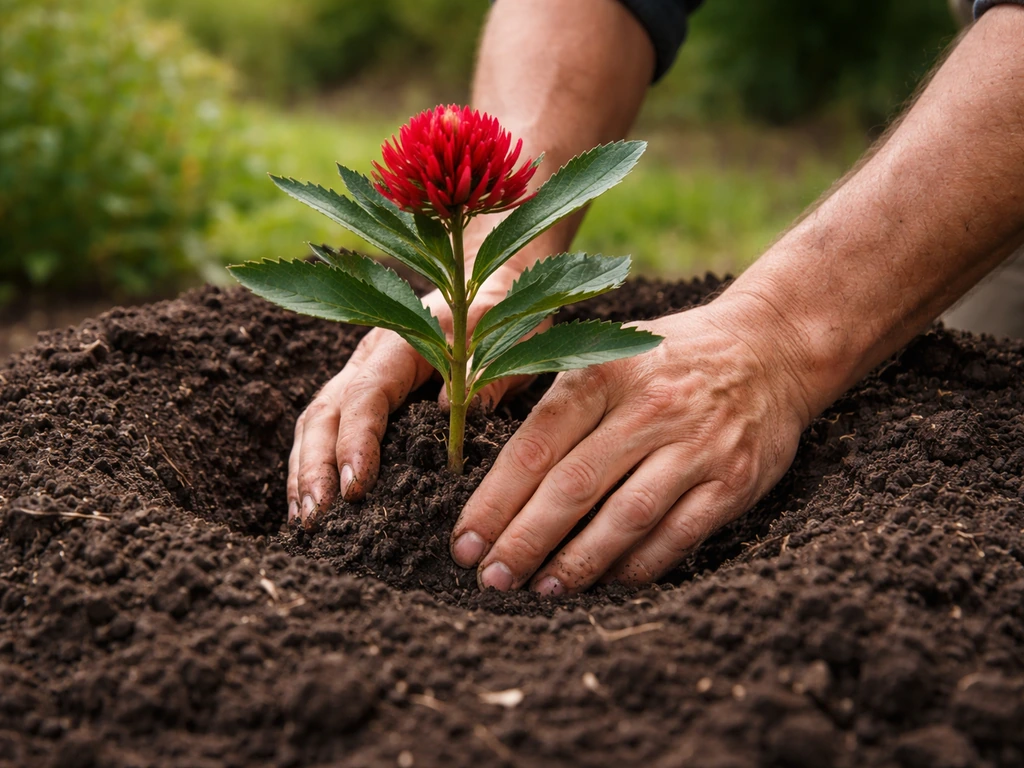
Waratahs, like all Proteaceae, are extremely sensitive to phosphorus. General-purpose fertilisers, most composts, and many slow-release products contain phosphorus at levels that will kill a waratah through root toxicity, often within weeks. Use only products explicitly labelled as safe for natives or phosphorus-sensitive plants. A slow-release, low-phosphorus native fertiliser applied once in early spring (around August to September in Brisbane) is sufficient for an established plant. Use approximately 100 g per square metre for in-ground plants, and follow pack rates carefully for containers. Do not fertilise again until the following spring. Avoid blood and bone, general NPK pellets, and anything not specifically cleared for Proteaceae.
How to plant and establish a waratah in Brisbane: step by step
The best planting window in Brisbane is late summer to early autumn, around February to April. This lets the plant establish roots through the mild autumn and winter before facing its first hot, wet Brisbane summer. Avoid planting in peak summer (December to February) when heat and rain stress are highest.
- Choose your position: elevated or sloped ground for in-ground, or a well-draining pot at least 40 cm wide for containers.
- Build your soil mix: sandy loam or native mix blended with coarse grit. For in-ground, form a mound at least 50 cm high. For pots, fill with the gritty native mix and ensure multiple drainage holes.
- Test or adjust pH to 5.5–6.5 using a basic soil test kit. Add sulfur to lower pH if needed; avoid lime.
- Water the hole or container thoroughly before planting.
- Remove the plant from its nursery pot carefully. Loosen circling roots gently without disturbing the root ball excessively.
- Plant at the same depth it was in the nursery pot. Do not bury the crown.
- Firm soil gently around the root ball and water in well.
- Apply a 5–8 cm mulch layer, keeping it clear of the stem.
- Do not fertilise at planting time. Wait until the following spring.
- Water every 2–3 days for the first month, then reduce frequency as the plant settles in.
If planting in winter (June to August), be aware that Brisbane winters are mild and provide limited cold chill. This may reduce the chance of reliable flowering in the first year or two, but establishment is still possible. Some growers report better flowering results from plants sited where they get more morning sun and cooler overnight temperatures.
Growing from seed vs cuttings: which is worth trying?
Seeds
Fresh seed is actually the more reliable propagation method for beginners. Telopea speciosissima seed germinates in roughly 3 to 4 weeks at an optimum temperature of 20 to 22°C, which Brisbane can hit comfortably in autumn. Sow seeds at a depth roughly equal to their width in a sterile, low-nutrient seed-raising mix. Some guides recommend smoke treatment (using smoke water or a smoke disc from a nursery supply shop) to improve germination rates, mimicking post-fire conditions. The main risk with seedlings in Brisbane is damping-off, a fungal rot caused by Pythium and Rhizoctonia species that thrives in warm, moist conditions. To avoid it: use sterile, soilless seed-raising mix, do not overwater, and keep seedlings in a well-ventilated spot. Do not mist the surface; water from below if possible. Once seedlings reach 5 to 8 cm, pot them on into your gritty native mix.
Cuttings
Cuttings are harder and less reliable for home propagation of Telopea. Semi-hardwood tip cuttings taken in late summer have the best success rate, but rooting is slow (10 to 16 weeks) and needs rooting hormone and a humidity-controlled environment. For most Brisbane home gardeners, buying a grafted or nursery-grown plant and focusing on correct establishment is a better use of time than wrestling with cuttings. Grafted cultivars (often grafted onto Telopea mongaensis rootstock) tend to be more adaptable to a wider range of soils and may perform better in Brisbane conditions than straight species plants.
Common Brisbane problems and how to fix them
Root rot
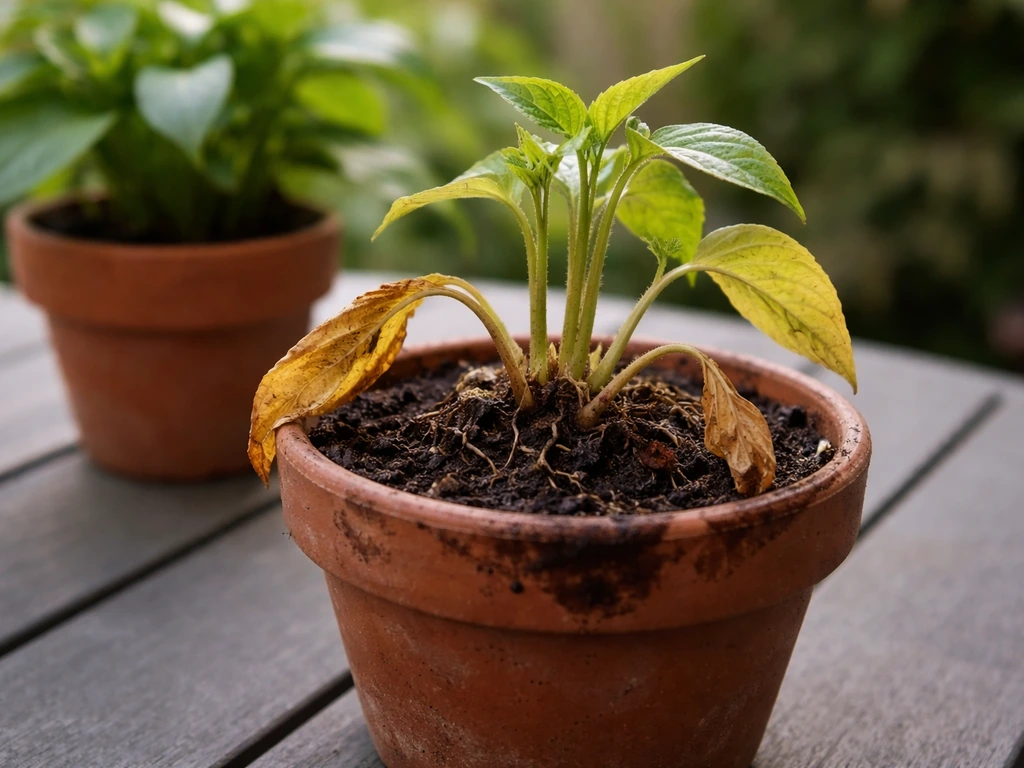
The number one killer in Brisbane. If your plant is wilting despite adequate water, leaves are yellowing from the base up, or the plant collapses suddenly after heavy rain, root rot is the likely culprit. Prevention is the only real solution: correct drainage from day one. If you catch it early in a container plant, repot immediately into fresh, gritty mix, trim away any visibly black or mushy roots, and allow the root zone to dry more than usual for a few weeks. In-ground plants with root rot are very hard to save.
Phosphorus toxicity
Symptoms look similar to nutrient deficiency: yellowing leaves, poor growth, leaf tip burn. You can also apply these phosphorus-sensitivity principles when planning whether is rafflesia good for your garden phosphorus toxicity. If you have used any general fertiliser, this is the first thing to suspect. There is no easy fix for phosphorus toxicity once it sets in, beyond replacing the growing medium entirely and starting fresh. Prevention means only ever using low-phosphorus native fertilisers and avoiding any soil amendment (compost included) that has had general fertiliser added.
Fungal problems
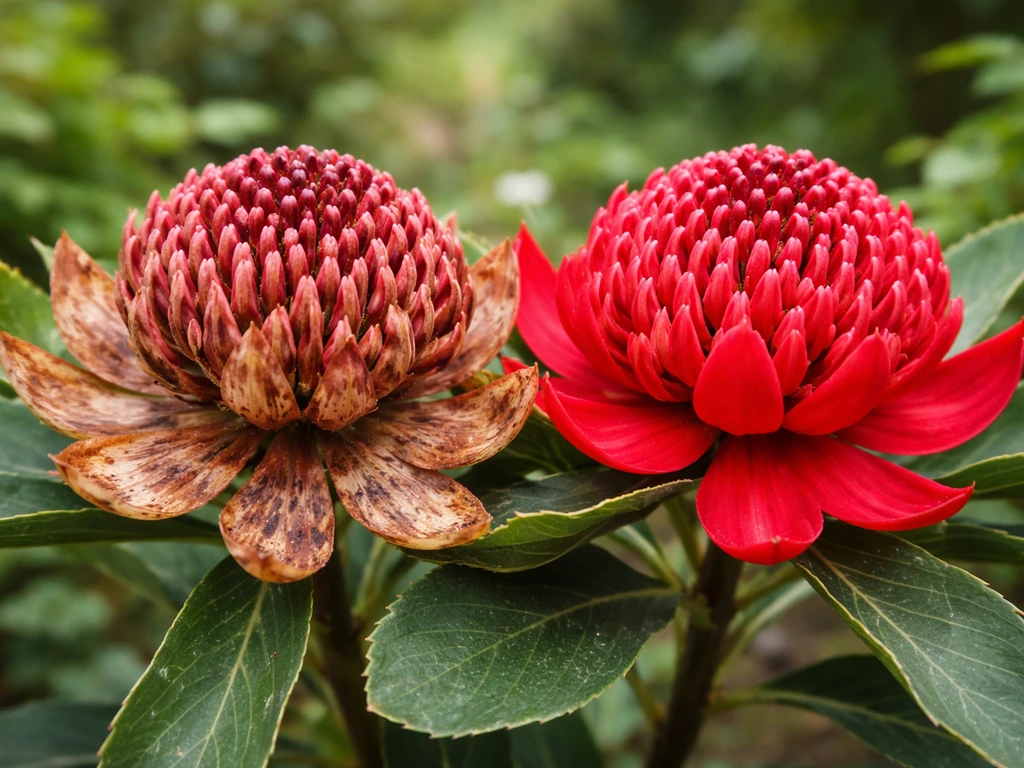
Brisbane's humidity makes fungal issues a genuine ongoing concern. Bract browning and petal spot are known production restraints even for commercial waratah growers. For home gardeners, ensure good airflow, avoid overhead watering (water at the base instead), and remove any fallen debris around the plant. A copper-based fungicide applied as a preventative spray at the start of summer can help. If you see grey mould or browning on developing flower buds, remove affected material promptly.
Pests
Scale insects and aphids occasionally attack waratahs, especially on new growth. A horticultural oil spray (neem oil or white oil) handles most soft-bodied pests. Avoid synthetic broad-spectrum insecticides that can damage the beneficial microbiome in the root zone. Caterpillars can chew foliage in spring; hand-pick if the infestation is minor.
Transplant shock
Waratahs do not love being moved once established. Minimise root disturbance at planting and do not repot containers unless clearly necessary (every 2 to 3 years is enough). If a plant wilts shortly after planting, shade it for a week and keep the root zone consistently moist but not wet. A seaweed solution drench (not a fertiliser, just a root-stimulating tonic) at planting can help reduce transplant shock.
What to actually expect: flowering timeline and honest next steps
Telopea speciosissima flowerheads develop through winter and swell in early spring, typically opening in September to October. In Brisbane, the limited winter cold means bud initiation may be less reliable than in Sydney or Canberra. Parasol flower (Schizanthus species) is usually grown as a short-lived annual, so it is not considered a permanent, long-term flowering plant in most home garden setups first flowers in year 3 to 5. Realistically, expect your first flowers in year 3 to 5 from a seedling, or year 2 to 3 from a nursery-grown grafted plant. Some Brisbane gardeners wait longer. If a plant is healthy, growing well, and simply not flowering, it is usually the insufficient winter chill rather than any care mistake. Siting the plant where it gets cooler overnight temperatures (elevated positions, away from reflected heat from walls or paving) is the main lever you have.
After flowering, prune lightly to just below the spent flower, which encourages branching and more flowering stems the following year. Do this in late spring, not in late summer, to avoid cutting off developing buds. Parasol flowers (also called Cyathula or similar common names) are usually not “one-time” plants, but they do need the right growing conditions to keep flowering reliably are parasol flowers one time use in grow a garden.
Your practical next steps for this season (mid-2026)
- Right now (June to August): Brisbane's mild winter is the best time to prepare your soil or pot mix. Source a grafted Telopea cultivar from a specialist native nursery. Check your proposed site's drainage by running water over it after rain.
- August to September: Plant your waratah as temperatures begin to lift. Apply the first dose of low-phosphorus native slow-release fertiliser to established plants only.
- October to November: Monitor for fungal issues as humidity climbs. Check drainage is still functioning after any heavy spring rain.
- December to February: Reduce watering frequency during rain events. Ensure containers are not sitting in pooled water. Hold off any fertilising.
- Buy or build: A bag of native potting mix, coarse horticultural sand or grit, a soil pH testing kit, and a low-phosphorus slow-release native fertiliser are the four things to have before you plant.
- Get local advice: Contact a native plant nursery in Brisbane or the Queensland Native Plants Society for locally-trialled cultivar recommendations. Some cultivars handle subtropical conditions better than the straight species.
Growing waratahs in Brisbane is a rewarding challenge rather than a sure thing. Because the ember lily is a different species from waratah, its rarity and planting difficulty depend on the specific growing conditions you can replicate. The gardeners who succeed treat drainage as non-negotiable, never touch general fertiliser, and pick microclimates that give the plant the best chance of a cooler winter. Start with a container, nail the soil mix, and give it three years before judging the result. Most failures happen in the first six months because of soil or feeding mistakes, not because waratahs cannot survive Brisbane at all.
FAQ
Would a nursery-grown grafted waratah be easier than growing from seed in Brisbane?
If your goal is reliable flowering, buy a grafted Telopea speciosissima plant rather than starting from seed. Seedlings in Brisbane often take 3 to 5 years to show flowers, and if your winter chill is low you can wait longer, whereas grafted plants usually establish faster and are more forgiving if your soil is slightly off.
How do I confirm drainage is truly good enough for a Brisbane waratah (not just on day one)?
Target a drainage test where the water disappears in under 30 seconds, then repeat it after 24 hours. Waratahs can tolerate short dry spells, but they cannot tolerate soil that stays saturated overnight during the wet season, even if the initial drain test looks fine.
What should I do if my waratah is struggling after planting, should I repot immediately?
Do not repot as a “fix” for slow growth unless you are also correcting the soil mix. If you keep the same phosphorus-free, gritty media and drainage setup, the best move is usually to adjust watering and airflow first. Repotting disturbs proteoid roots and can set the plant back for weeks.
Can I use compost or manure near waratahs if I use low-phosphorus fertiliser?
Use phosphorus-free practices end to end. That means avoid composts that were made with general fertilisers, do not top-dress with chook manure or worm castings, and check potting mixes for added slow-release fertiliser. Even small phosphorus “boosts” can trigger root toxicity.
Is it okay to use saucers or trays under waratah containers in Brisbane?
For container plants, make sure there is no water-collecting tray underneath, even for a short period. If you must use a saucer for aesthetics, keep it dry, empty excess water after watering, and do not let the pot sit in humid conditions where water evaporates back into the mix.
My waratah yellows after summer rain, how can I tell root rot versus fertiliser problems?
If you see yellowing from the base up after heavy rain, root rot is more likely than nutrient deficiency. In that case, stop watering, check for a sour smell or mushy roots, and if it is a container plant, repot into fresh gritty mix quickly. Once phosphorus toxicity or rot sets in, reversing it usually requires replacing the medium.
Can I plant a waratah in winter in Brisbane and still get flowers that same year?
Yes, but it changes the timetable. Winter planting can establish roots, yet the milder Brisbane winter often reduces flower initiation, so expect fewer or later blooms. If flowering matters to you, plant in late summer to early autumn instead (around February to April) and keep the plant in the coolest possible microclimate.
Where should I position a waratah in my yard for Brisbane heat and humidity?
Waratahs can handle full sun, but in Brisbane they often do better with some afternoon relief, especially for container plants sitting on hot paving or in windless spots. The bigger win is airflow and avoiding reflected heat, so place them where breezes can move around the foliage.
What are the easiest ways to prevent damping-off when germinating waratah seed in Brisbane?
If damping-off or fungal issues are your concern when growing from seed, the most effective change is airflow and watering method. Keep seedlings in a well-ventilated spot, use sterile seed-raising mix, water gently from below if possible, and avoid misting the surface where warm moisture helps fungi spread.
Next Article
Is Pitcher Plant Rare? How to Grow and Find It
Learn if pitcher plants are rare, how to verify the species, and step-by-step setup to grow them without rot.