If you searched "how rare is ember lily in Grow a Garden," the short answer is: extremely rare. Ember Lily is a prismatic-tier crop in the Roblox game Grow a Garden, and its in-shop appearance rate sits at roughly 0.02% per roll, meaning about a 1-in-5,000 chance per attempt. That is genuinely difficult to land, and it explains why the community talks about it the way they do. But if you are a real-world gardener who stumbled onto this question because you heard "ember lily" and wanted to grow one in actual soil, the situation is different and worth untangling, because "ember lily" is not a recognized botanical species name.
How Rare Is Ember Lily in a Garden How to Confirm and Grow It

Marcus Weir
5 Apr 2026
What 'Ember Lily' actually refers to (and how to confirm which one you mean)
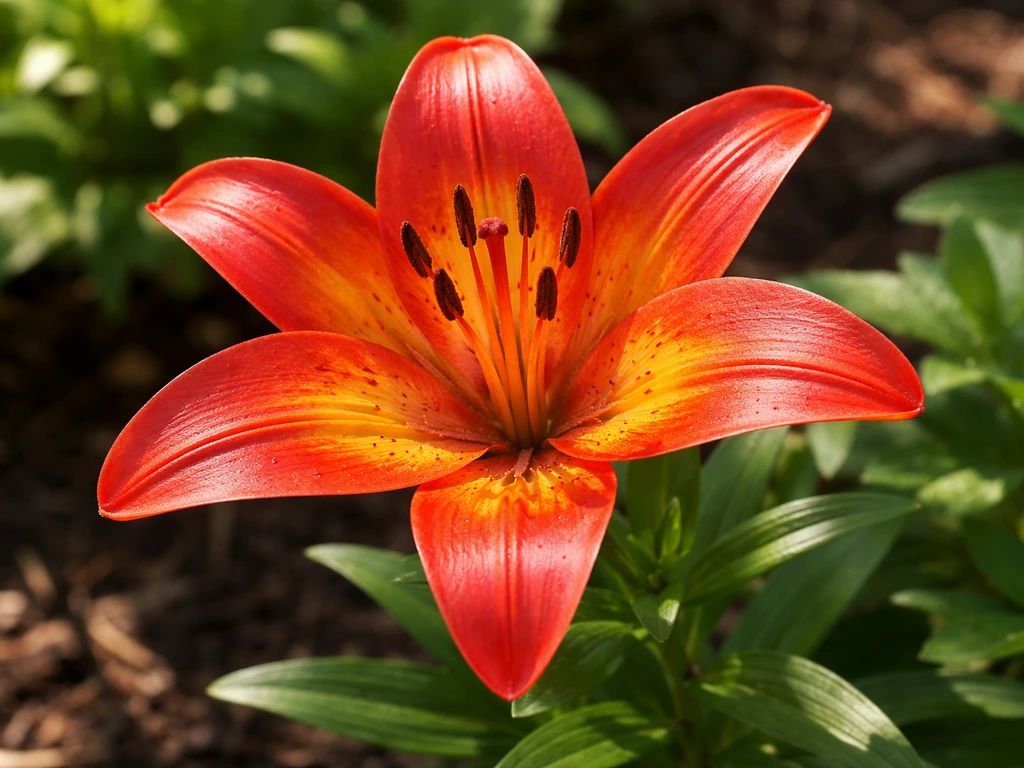
The name "ember lily" floats between three completely different things depending on where you encounter it. First, it is a prismatic crop in the Roblox game Grow a Garden, added to the game on June 7, 2025. Second, it appears as a cultivar name in real-world lily breeding: there is a documented Asiatic Lily (Lilium) cultivar simply called "Ember," and a daylily (Hemerocallis) cultivar called "Ember Red. PlantFiles has an image and record entry for the Asiatic Lily cultivar "Ember" under the genus Lilium Asiatic Lily (Lilium) cultivar simply called "Ember". " Third, some gardening blogs use "ember lily" as a loose marketing label for any daylily with fiery orange-red blooms, which is not a real taxonomic classification at all.
To confirm which plant you actually have or want, look at the flower and foliage closely. True Asiatic Lilium cultivars grow from scaly bulbs, have lance-shaped leaves arranged along a single stiff stem, and produce upward-facing flowers in clusters of three to ten. Hemerocallis daylilies grow from fleshy root fans, have long strap-like leaves that arch from the base, and each individual flower lasts only one day (hence the common name). If someone handed you a plant labeled "ember lily" with no Latin name on the tag, take a photo of the roots, leaves, and flower shape and cross-reference it on a resource like PlantFiles or iNaturalist before committing to a care plan. The two groups need different soil, water, and dormancy management, so getting the ID right matters from day one.
Rarity in the game vs. rarity in the garden: two very different scales
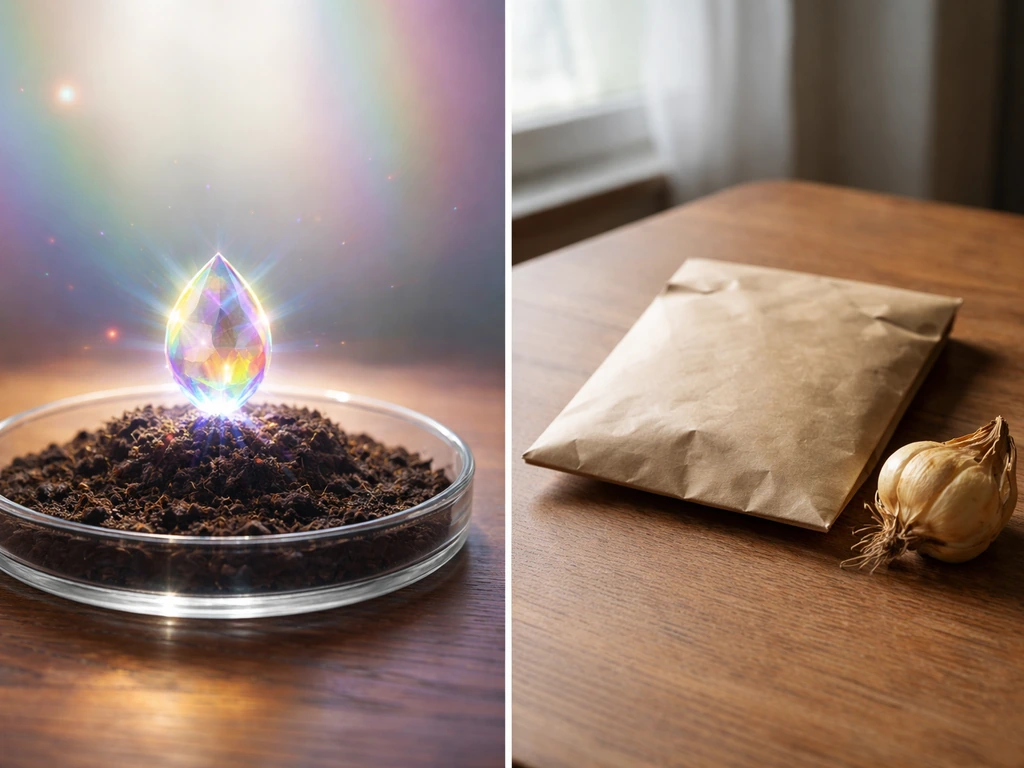
In Grow a Garden, rarity is a designed mechanic. Ember Lily is classified as a prismatic-tier seed, which is the top rarity tier in the game, and it requires a dedicated Prismatic Plot to plant at all. The in-game seed shop rotates stock, the odds per roll are around 0.02%, and the seed's listed value runs into the tens of millions of in-game currency. If you want a frame of reference for how the game handles other rare plants, what rarity is horsetail in Grow a Garden follows similar prismatic and legendary tier logic, so that comparison is useful for understanding the broader rarity system.
In real-world horticulture, rarity works on a completely different scale. The Asiatic Lily 'Ember' cultivar is not a wild species under conservation threat; it is a commercially bred hybrid. That means rarity in gardening terms is mostly about whether nurseries stock it and whether it is easy to propagate, not whether it is endangered. Hemerocallis cultivars like 'Ember Red' are similarly man-made and governed by availability through specialist daylily nurseries and collector networks rather than any environmental scarcity.
How to judge real-world rarity: range, availability, and propagation difficulty
For any plant someone calls "ember lily," I judge practical rarity on three factors: how wide its cultivation network is, how easily it can be sourced through normal channels, and how difficult it is to keep alive and multiply. A plant can be botanically common but horticulturally rare if it needs specialist conditions most home gardeners cannot replicate. Conversely, a plant can be technically obscure but practically easy to find through the right collector community.
Asiatic Lily cultivars in general have a wide cultivation network. They are grown commercially across Europe, the US, and parts of Asia, and hybrid names cycle in and out of nursery catalogs. A specific cultivar called 'Ember' may not be on the shelf at every big-box garden center, but it is findable through specialty bulb suppliers. Hemerocallis cultivars are similar: there are thousands of registered daylily cultivars, and a named one like 'Ember Red' is traceable through the American Hemerocallis Society's cultivar registry, which is a solid starting point for sourcing. The American Hemerocallis Society was blank" rel="noopener noreferrer">appointed as the International Cultivar Registration Authority (ICRA) for Hemerocallis, meaning it serves as the registration authority for daylily cultivar names. Compare this to something genuinely hard to grow like pitcher plant in Grow a Garden, which in real-world terms is a carnivorous plant with extremely specific bog conditions, and you can see how "rare" really depends on the plant's needs, not just its name.
Where to actually find ember lily (nurseries, seed exchanges, and collectors)
If you are tracking down a real Lilium 'Ember' or a daylily with ember-type coloring, here is where I would look, in order of reliability:
- Specialty bulb suppliers online: companies that focus on Asiatic and Oriental lilies maintain rotating catalogs and often list cultivar-specific bulbs by name. Search for 'Ember' under Asiatic lily listings. Availability peaks in late summer through fall, when bulbs are harvested and shipped for autumn planting.
- American Hemerocallis Society's online database: if you are chasing a daylily cultivar, this registry links to hybridizers and registered introducers, many of whom sell directly or can point you to a nearby source.
- Local iris and daylily societies: regional plant societies hold annual sales where members divide and sell named cultivars that never appear in commercial nurseries. These are often your best shot at obscure named cultivars.
- Online seed and plant exchanges: forums like Dave's Garden, GardenWeb, and specialized Facebook groups for lily enthusiasts facilitate trades. Named Lilium cultivars are almost always sold as bulbs rather than seed.
- Botanical garden plant sales: many botanical gardens propagate surplus stock and sell it to members a few times a year. Worth checking if you have one nearby.
One thing worth noting: if a seller is listing "ember lily" without a Latin name or cultivar registration number, treat that with skepticism. It may be a marketing label for a generic orange daylily, which is fine if you like the look, but you should know what you are buying. The same principle applies when you see unusual common names attached to rare-sounding plants, like fluxweed in the greenhouse, where confirming the actual botanical identity before you commit is always the smarter move.
Growing requirements that determine success or failure
Asiatic Lily 'Ember' (Lilium hybrid)
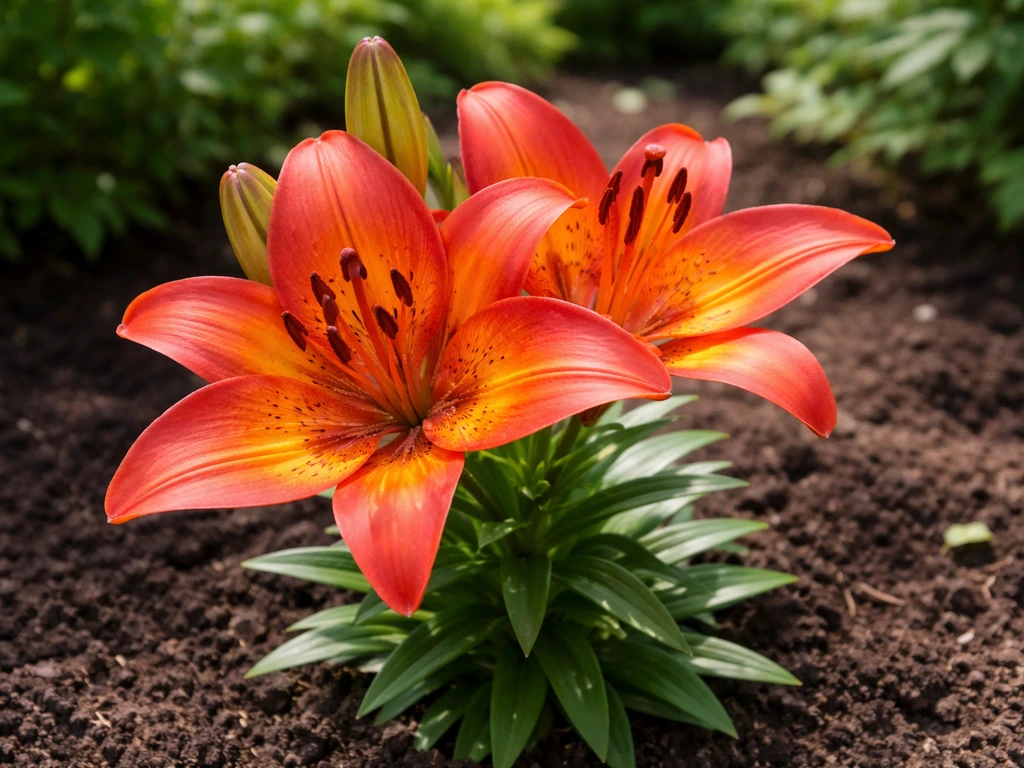
Asiatic lilies want full sun, at least six hours per day, and they will tolerate partial afternoon shade in very hot climates. They need well-drained soil with a slightly acidic pH between 6.0 and 6.5. Waterlogged soil is the single fastest way to kill a lily bulb through rot. Plant bulbs at a depth of about three times the bulb's diameter, typically 4 to 6 inches deep. They go dormant in winter in cold climates (USDA zones 3 to 8) and need that cold period to reset for the following season. In warmer zones like 9 and above, you may need to refrigerate bulbs for 6 to 8 weeks before planting to simulate dormancy. They bloom in early to midsummer and are not repeat bloomers within a single season.
Daylily 'Ember Red' or ember-type daylilies (Hemerocallis)
Daylilies are dramatically more forgiving. They tolerate a pH range from 6.0 to 7.0, handle both clay and sandy soils as long as drainage is reasonable, and survive drought better than true lilies. Full sun produces the most blooms, but many cultivars do fine with four to five hours of direct light. Daylilies are semi-evergreen in warm climates and fully deciduous in colder ones. They do not need a cold dormancy trigger to rebloom the following year, though they do appreciate one in naturally cold climates. Unlike true lilies, daylilies are multi-season plants that spread over time without any special intervention.
| Factor | Asiatic Lily 'Ember' (Lilium) | Daylily 'Ember Red' (Hemerocallis) |
|---|---|---|
| Hardiness zones | 3 to 8 (needs cold dormancy) | 3 to 9 (adaptable) |
| Sun requirement | Full sun, 6+ hours | Full sun to partial shade |
| Soil pH | 6.0 to 6.5 (slightly acidic) | 6.0 to 7.0 |
| Watering | Moderate; excellent drainage essential | Drought-tolerant once established |
| Bloom season | Early to midsummer, once per season | Varies; reblooming cultivars available |
| Dormancy trigger needed? | Yes, cold period required | Not required but beneficial in cold climates |
| Container growing? | Possible in large pots (12+ inches) | Easy in containers |
Propagation methods and what realistic success looks like
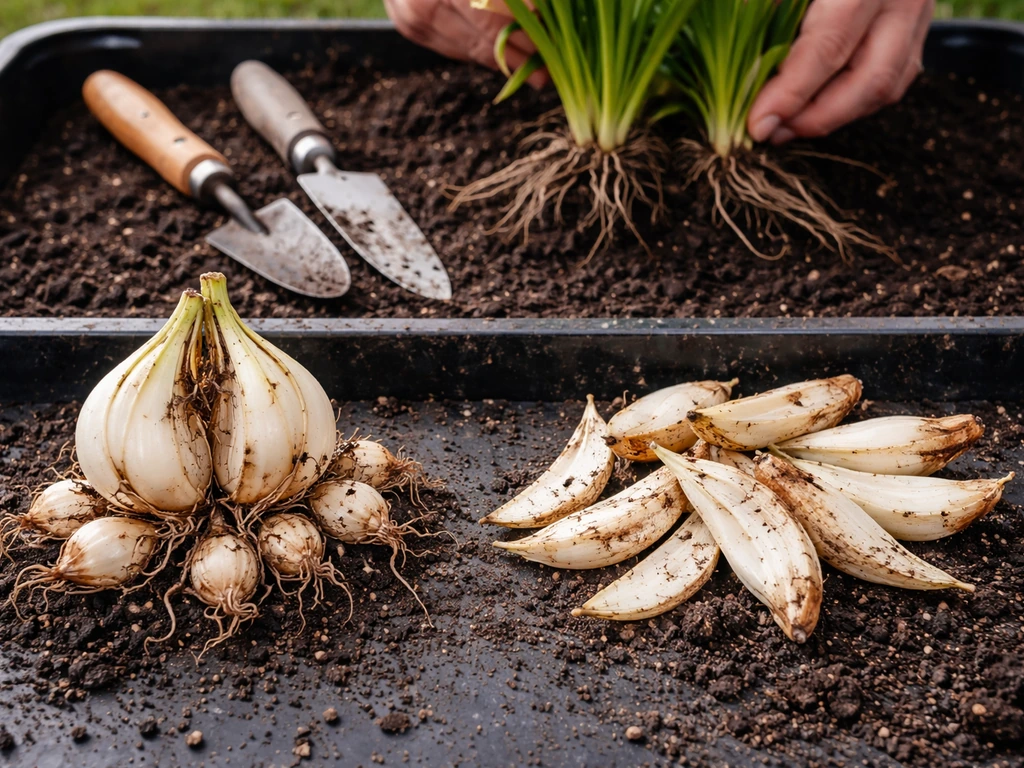
For Asiatic Lily 'Ember,' the practical propagation methods are bulb offsets (bulblets that form around the mother bulb) and bulbscales. Seed propagation is possible but slow: lily seeds need cold stratification (about 6 weeks at 35 to 40°F), and seedlings from hybrid cultivars will not come true to the parent. Plan on two to four years from seed to first bloom. Bulb offsets are faster: dig the clump after the foliage dies back in fall, separate the smaller bulblets, and replant them at the correct depth. Expect blooms from offsets in one to two years. Bulbscale propagation, where you pull outer scales off the bulb and root them in barely moist vermiculite in a sealed bag, gives you more plants from one bulb but takes patience: rooting takes 6 to 8 weeks, and the tiny bulblets that form need another growing season before transplanting.
For daylilies, propagation is much simpler. Division is the standard method: dig the clump in early spring or after flowering ends in late summer, pull or cut the fan-shaped root sections apart, and replant them at the same soil depth they were growing at. Divisions from a healthy clump typically bloom the following season. Success rates are high, often above 90% when you divide at the right time and keep the roots from drying out during transplanting. Growing daylilies from seed is a common practice among hybridizers, but the offspring will not match the named parent cultivar, so it is only useful if you want to experiment rather than reproduce a specific plant.
Where gardeners go wrong with rare lilies
Most failures with true Lilium cultivars come down to a handful of predictable mistakes. Bulb storage is the first one: if you receive or buy bulbs and store them incorrectly before planting, they rot or dry out before they even go in the ground. Keep unplanted bulbs in barely moist peat moss or wood shavings in a cool (35 to 45°F), dark spot, and plant them within a few weeks of receiving them. Do not store them in sealed plastic bags without ventilation.
Watering mistakes are the second major failure point. Overwatering kills lily bulbs faster than almost anything else. If your soil does not drain within an hour of heavy rain, you need to amend it with grit or perlite before planting, or build a raised bed. A tell-tale sign of bulb rot is a stem that yellows from the base upward even when the plant has adequate light. If you see this, dig the bulb immediately: if it is soft and mushy at the base, it is gone, but if only the outer scales are affected, you can trim the damaged tissue, dust it with sulfur powder, and replant in better-draining conditions.
Botrytis (gray mold) is the most common disease problem for lilies in humid climates. It appears as brown spots on leaves that develop a grayish fuzz in wet weather. Improve air circulation by spacing plants 12 to 18 inches apart and avoid overhead watering. A copper-based fungicide applied early in the season helps prevent it. Lily beetle (Lilioceris lilii) is a serious pest in the northeastern US and much of Europe: the bright red beetles and their larvae defoliate plants quickly. Check the undersides of leaves weekly and remove larvae by hand or use neem oil as a preventative spray.
For daylilies, the most common failure is planting the crown too deep. The crown (where the leaves meet the roots) should sit no more than one inch below the soil surface. Deeper than that and the plant may survive but will not bloom reliably. Daylilies planted in heavy shade similarly refuse to flower well, which confuses gardeners who assume they are a low-maintenance shade plant. They are not. Think of Rafflesia in Grow a Garden as the extreme end of the "needs very specific conditions" spectrum: even in a game context, the logic holds that plants with demanding requirements will fail without exact conditions.
Good alternatives when true ember lily is too hard to find or too slow
If you cannot track down a specific cultivar called 'Ember' or 'Ember Red,' there are excellent alternatives that give you the same fiery orange-to-red bloom palette without the sourcing frustration. For the Asiatic lily aesthetic, cultivars like 'Orange Pixie,' 'Red Carpet,' and 'Fireworks' are widely available from bulb suppliers in fall and spring and produce the same upward-facing clusters of vivid warm-toned flowers. They are not substitutes in the collector sense, but for a garden display, they are functionally identical.
For the daylily route, the Hemerocallis world has thousands of orange and red cultivars. 'Stafford' is a classic deep red with a yellow throat that is easy to find and vigorous. 'Canadian Border Patrol' and 'Chicago Apache' are warmer orange-reds that perform reliably across a wide range of climates. Any of these can be divided and multiplied at home within a season or two. If you are curious whether a specific exotic plant like parasol flower is permanent in Grow a Garden, the game's mechanics show the same principle at work: understanding how something persists or renews itself changes your whole strategy, whether in a game or a real garden.
Another option worth exploring is Crocosmia, particularly the cultivar 'Lucifer.' It produces intensely red arching spikes on tall stems in midsummer, grows from corms that multiply freely, and is far easier to source than any named lily cultivar. It suits the same aesthetic niche as an ember-colored lily but with almost none of the difficulty. If you are in Brisbane and looking specifically for waratahs, you can usually source them from specialist native plant nurseries that cater to subtropical conditions can you grow waratahs in brisbane. For gardeners in warmer climates like subtropical Queensland, growing waratahs in Brisbane is another avenue for sourcing bold, unusual floral plants through specialist native plant nurseries, and those same networks often carry hard-to-find ornamental bulbs.
One more alternative to keep in mind: if you like the idea of a multi-harvest, long-season flowering plant in the same color family, reblooming daylily cultivars fit that role well. Whether parasol flowers are one-time use in Grow a Garden is a question that highlights why multi-harvest plants are so prized in the game. In real gardening, reblooming daylilies solve the same problem: you get repeated flushes of fiery color through summer and into early fall rather than a single two-week display. 'Stella de Oro' and 'Happy Returns' are the most accessible rebloomers, and 'Ruby Spider' is a large-flowered red rebloomer worth tracking down through daylily specialty nurseries.
Quick troubleshooting reference
- Bulb not sprouting in spring: check if it rotted over winter (soft, smells bad) or dried out (feels hollow and light). Improve drainage before replanting.
- Plant leafs out but never blooms: most common causes are too little sun, planting depth too deep (daylilies), or a bulb that is too small (Lilium) and needs another season to build energy.
- Brown spots on lily leaves: likely botrytis. Remove affected tissue, space plants further apart, switch to drip irrigation, apply copper fungicide.
- Red beetles on lily stems: lily leaf beetle. Pick off by hand daily in spring, use neem oil spray weekly as a deterrent.
- Daylily foliage looks streaked or distorted: possible aphid infestation or daylily rust fungus. Check undersides of leaves for pests; if rust (orange powder), remove affected leaves and improve air circulation.
- Clump stops blooming after several years: the plant is overcrowded. Dig and divide in late summer or early spring, replanting the outer fans and discarding the woody center.
- Plant wilts despite regular watering: in Lilium, suspect bulb rot at the base. In daylilies, check for crown rot or grubs feeding on the root system.
One myth worth debunking before you go: some gardeners assume that a plant labeled "rare" at a nursery is inherently harder to grow. That is not true. Rarity in commercial horticulture usually just means lower production volume, not higher difficulty. A named Asiatic lily or daylily cultivar with "ember" in its name is no harder to grow than any other lily once you have it. The challenge is finding it, not keeping it alive. The same logic applies on the game side: in Grow a Garden, when horsetail grows is determined by in-game season timing, just like Ember Lily's appearance is governed by the shop rotation odds, not by any growing difficulty once you have the seed. Rarity of access and rarity of care requirements are two completely separate things, and knowing which one you are actually dealing with is half the battle.
FAQ
Is “ember lily” in Grow a Garden connected to real lily plants?
Only in name and appearance. In the game it refers to a specific prismatic-tier crop, but in real gardening “ember” is used as a cultivar nickname for different genera, so you should treat it as a color descriptor until the Latin name (Lilium vs Hemerocallis) is confirmed.
How can I tell if my plant is Asiatic lily 'Ember' versus a daylily like 'Ember Red'?
Look at the leaf and root habit. True lilies come from scaly bulbs with leaves that sit along an upright stem, while daylilies come from a fleshy fan and have strap-like leaves that arch from the base. If you cannot see roots, check whether individual blooms only last one day (daylily) or remain longer (lily).
What if my seller lists “ember lily” but the tag has no cultivar name or Latin name?
Buy only if they can provide a genus and cultivar, or at least a clear photo of the bulb or crown, leaf arrangement, and flower structure. Without that, you risk treating a daylily like a bulb, or a lily like a crown, which leads to the most common “it died” outcomes (rot from overwatering lilies, or poor blooming from planting daylilies too deep).
Are lily and daylily care requirements similar enough that I can guess?
They overlap on basics like sun and drainage, but the differences matter. Lilies require strict drainage and a cool dormancy period in many climates, while daylilies tolerate a broader pH range and do not rely on cold dormancy to rebloom reliably. If you are unsure which you have, prioritize identifying the roots before adjusting watering schedules.
If I live in a warm climate, do I need to refrigerate lily bulbs to grow “Ember”-type lilies?
Often, yes for non-native lily hybrids. If you are in a USDA zone 9 or warmer region, plan on 6 to 8 weeks of refrigeration at about refrigerator temperatures (not freezing) in a ventilated medium before planting to mimic the reset that cold climates naturally provide.
What’s the fastest way to propagate “Ember” if I already have a true lily?
Propagation from bulb offsets is usually fastest and most reliable for home gardeners. Dig after the foliage dies back in fall, separate bulblets, and replant promptly at the same general depth rule (about three times the bulb diameter). Bulbscale propagation multiplies more plants per bulb, but it takes longer and requires patience.
My lily stem turns yellow from the base, is that always bulb rot?
It strongly suggests bulb rot, but confirm quickly. If the base is mushy and the bulb smells off, remove it. If only outer tissue is compromised, you may salvage by trimming damaged parts, treating with a suitable dusting, and replanting in amended, faster-draining soil.
How do I prevent botrytis if I have humid summers?
Focus on reducing leaf wetness and improving airflow. Space plants roughly 12 to 18 inches apart, avoid overhead watering, and start a preventative fungicide early in the season if you have a history of gray mold. Catching it early matters more than treatment after widespread spotting begins.
Do lily beetles ever appear outside the northeastern US?
Yes, they can expand wherever host lilies are grown, but the commonly reported hotspots are the northeastern US and much of Europe. If you notice defoliation, check leaf undersides weekly for larvae and remove them immediately, because their feeding can quickly strip plants.
What’s the most common daylily mistake that prevents blooms?
Planting the crown too deep. Keep the crown about one inch below the soil surface or slightly less. Too-deep planting can produce leaves while suppressing flowers, so correct depth during replanting is often the fix.
Can I grow an “ember-colored” alternative if I can’t find 'Ember' or 'Ember Red'?
Yes, you can keep the fiery orange-to-red look without the cultivar hunt. For lilies, look for widely sold Asiatic varieties with similar warm-toned upward clusters. For daylilies, choose vigorous orange-red cultivars that are easy to source locally, because those will usually be the easiest path to reliable flowering.
Is something labeled “rare” at a nursery actually harder to grow?
Not necessarily. “Rare” often means lower availability and smaller production runs, not increased difficulty. For lilies and daylilies specifically, the care challenge is mostly about matching the right type (bulb versus crown) and providing drainage and depth requirements, not about difficulty caused by the cultivar name.
Next Article
Is Miracle-Gro Good for Mandevilla? How to Feed It Safely
Yes, Miracle-Gro can feed mandevilla safely. Get correct NPK choice, dilution, schedule, and signs to avoid burn.