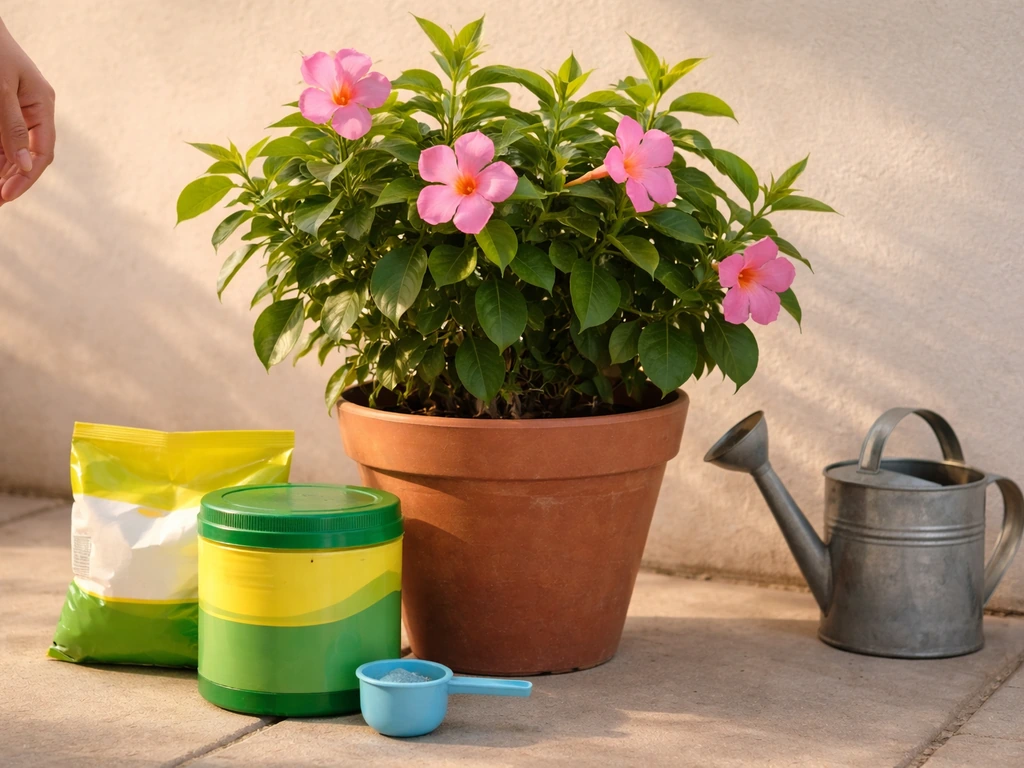
If your crepe myrtle isn't growing, the most likely culprit is one of four things: not enough direct sun, pruning at the wrong time, overwatering combined with poor drainage, or transplant shock from a recent move. Most stalled crepe myrtles are not dead, they're just stuck, and once you find the bottleneck, they bounce back faster than almost any other flowering tree or shrub.
Why Won’t My Crepe Myrtle Grow? Fix It Fast With Checks

Marcus Weir
14 Jun 2026
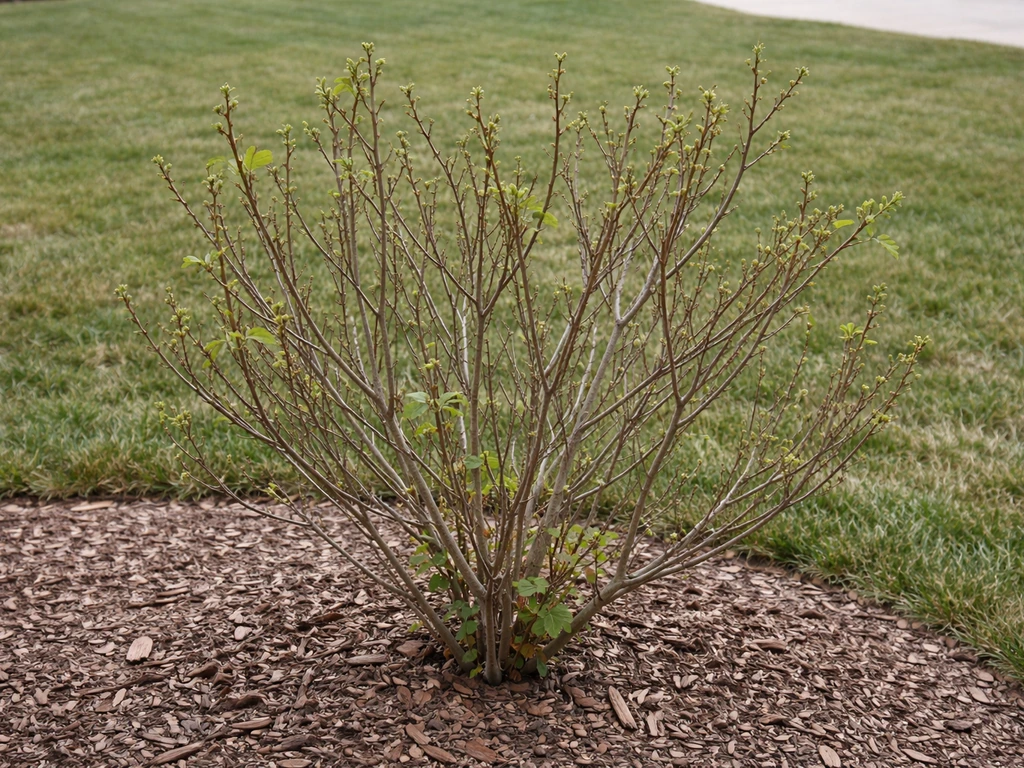
Quick diagnosis: what 'not growing' usually means for crepe myrtle
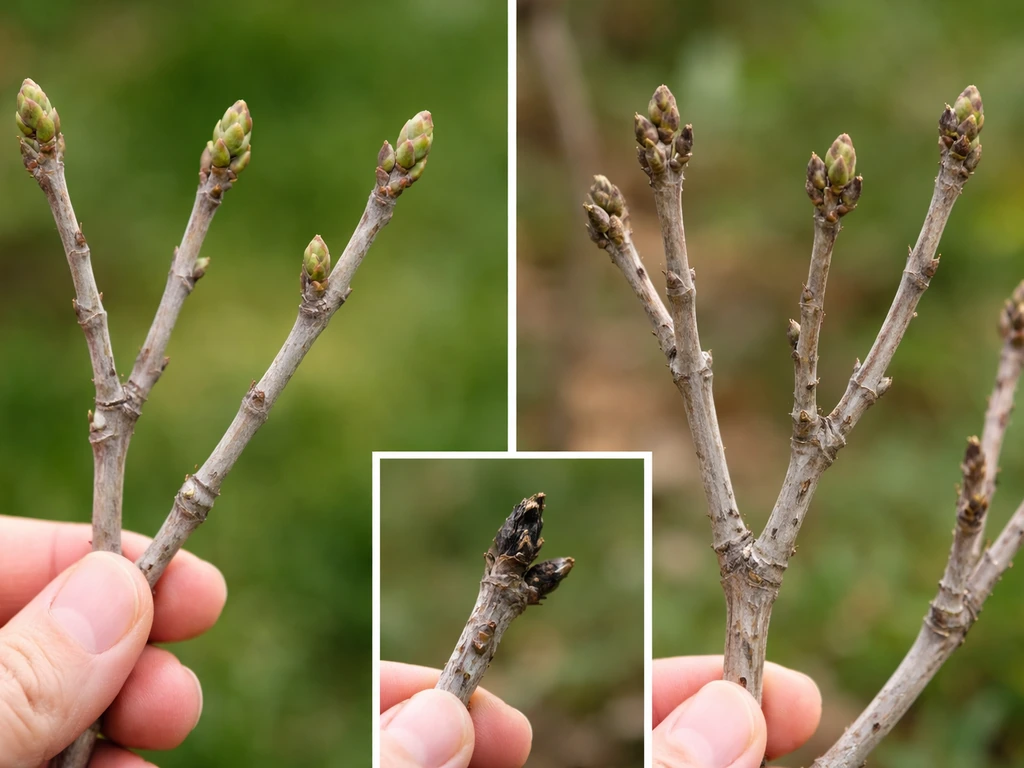
Before you start digging or dumping fertilizer on it, be clear about what you're actually seeing. 'Not growing' can mean several very different things, and each one points to a different fix.
- Dormant but alive: The stems look bare and gray well into spring but scratch the bark and you see green tissue underneath. This is common after a cold winter and it just needs more time.
- Leafing out but not shooting up: You get leaves but no real height or spread gain over a full season. Usually a nutrition, light, or root issue.
- No flowers: The plant is growing green but won't bloom. This almost always traces back to pruning timing, too much nitrogen, or not enough sun.
- Completely stalled after planting or transplanting: New transplants often sit for a full season doing nothing visible above ground while they rebuild roots. This is normal up to about 12 months.
- Dieback on tips or branches: Branches die from the ends inward. Could be freeze damage, borers, or fungal canker.
Pick the description that matches your plant and you'll already have a narrowed list of suspects. The sections below walk through every major cause in detail.
Sunlight, soil, and watering checks
Sunlight
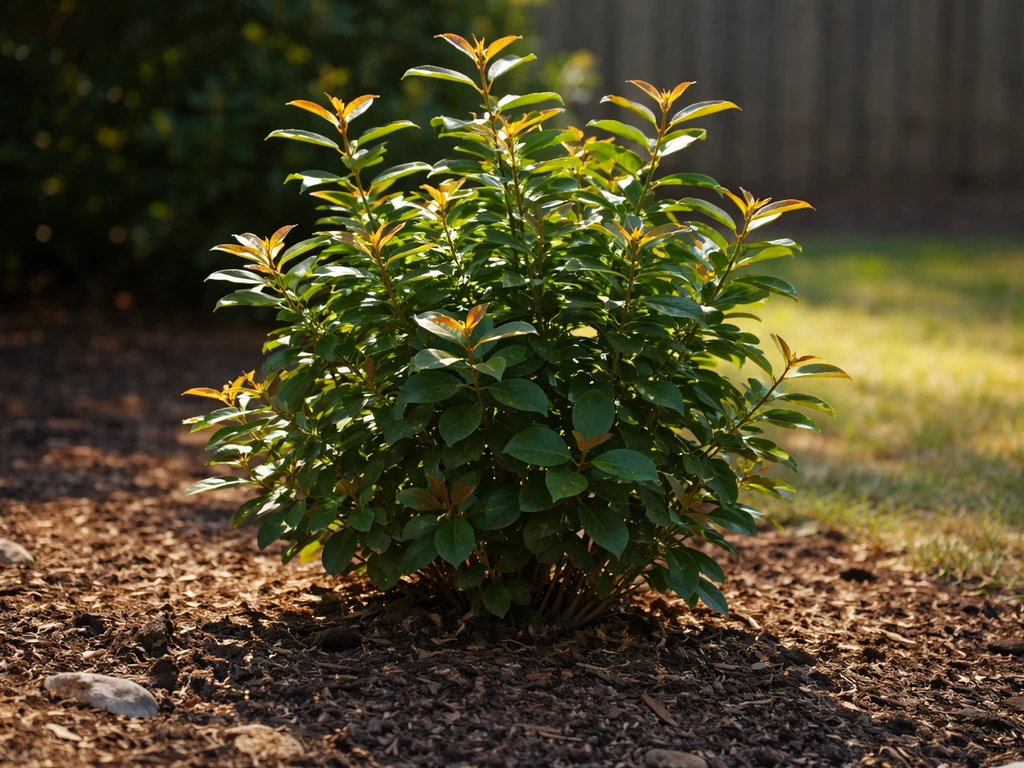
Crepe myrtles need a minimum of 6 hours of direct sun per day to grow well, and they really thrive with 8 hours or more. This is non-negotiable. I've seen gardeners fertilize, water, and coddle a crepe myrtle planted under a large oak for years without getting more than a few feet of growth. Move it to full sun and the same plant doubles in size within two seasons. If your plant is getting dappled light or afternoon shade, low light is almost certainly the primary cause of slow growth. Check with a sun calculator app or just watch the spot in two-hour intervals through a midsummer day.
Soil drainage and pH
Crepe myrtles prefer slightly acidic to neutral soil, roughly pH 5.5 to 7.0. They're reasonably adaptable, but compacted clay or waterlogged soil will shut them down fast. Do a simple drainage test: dig a hole about 12 inches deep, fill it with water, and check how long it takes to drain. If it's still sitting there after 3 to 4 hours, you have a drainage problem. Roots sitting in wet soil suffocate and rot, which shows up above ground as yellowing leaves, little to no new growth, and general sulkiness. Adding organic matter and coarse sand to clay soil before planting helps, and raised planting slightly above grade (2 to 3 inches) makes a real difference in poorly drained spots.
Watering
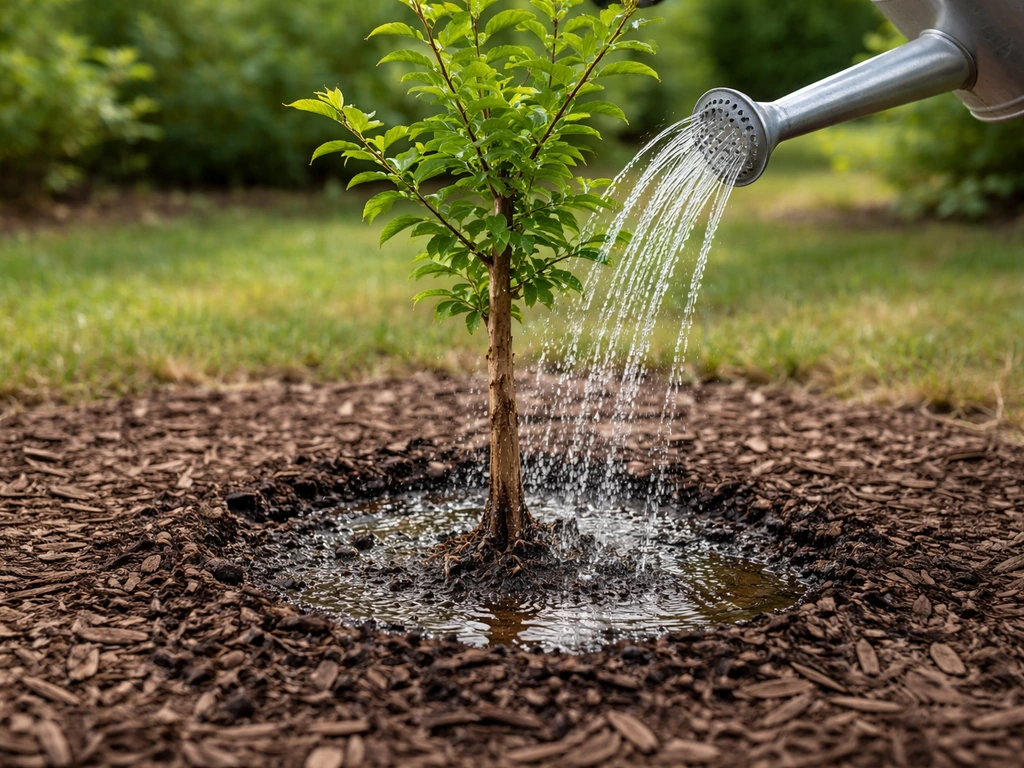
Established crepe myrtles (in the ground for 2 or more years) are drought tolerant and often need no supplemental watering at all in most of the South. But young plants and new transplants need about 1 inch of water per week during the growing season, either from rainfall or irrigation. Both underwatering and overwatering produce similar above-ground symptoms: wilting, slowed growth, and leaf drop. The difference is in the soil.
If the top 4 inches of soil are bone dry and the leaves are drooping, water more. If the soil stays wet for days after rain and the leaves are yellowing from the bottom up, cut back on watering and improve drainage. Don't water every day on a schedule; water when the top inch or two of soil is dry.
Fertilizer mistakes and when to feed (or not)
Here's where a lot of well-meaning gardeners accidentally make things worse. If you're wondering about other plants, is Miracle-Gro good for dogwood trees will depend on the product and how you apply it fertilizer. The most common fertilizer mistake with crepe myrtles is pushing too much nitrogen. Nitrogen drives leafy green growth, which sounds great, but it comes at the expense of flowers and it can leave the plant with soft, lush growth that's more vulnerable to pests and disease. If your crepe myrtle is all leaves and no blooms, excess nitrogen is suspect number one.
For a plant that's genuinely stalled and not just late to bloom, a balanced slow-release fertilizer (something like a 10-10-10 or 12-4-8) applied once in early spring is the right move. If you’re wondering what to feed crepe myrtles to make them grow, use a balanced slow-release fertilizer in early spring and skip late-season feeding.
If you're wondering whether Miracle-Gro applies well to magnolia trees, focus on using the right fertilizer type and timing for their specific needs rather than assuming what works for other ornamentals balanced slow-release fertilizer. For dogwood trees, people sometimes wonder about miracle-gro products, but the better approach is to use a fertilizer matched to the tree’s needs and apply it at the right time balanced slow-release fertilizer.
Don't fertilize after midsummer; late feeding pushes new growth that won't have time to harden before fall and gets killed by frost. Don't fertilize a stressed, newly transplanted, or drought-stressed plant at all, you'll burn the roots and make things worse. If you're curious about specific fertilizer products and whether popular options are worth using, the same questions come up frequently for other flowering trees like oleanders, magnolias, and dogwoods. Oleanders can also struggle when they are underfed or planted in poor conditions, but the key is choosing the right fertilizer and timing for that plant.
The other timing mistake I see is fertilizing too late in the season hoping to trigger one more flush. Wait until early spring the following year and you'll get far better results.
Pruning timing and how pruning can stop growth
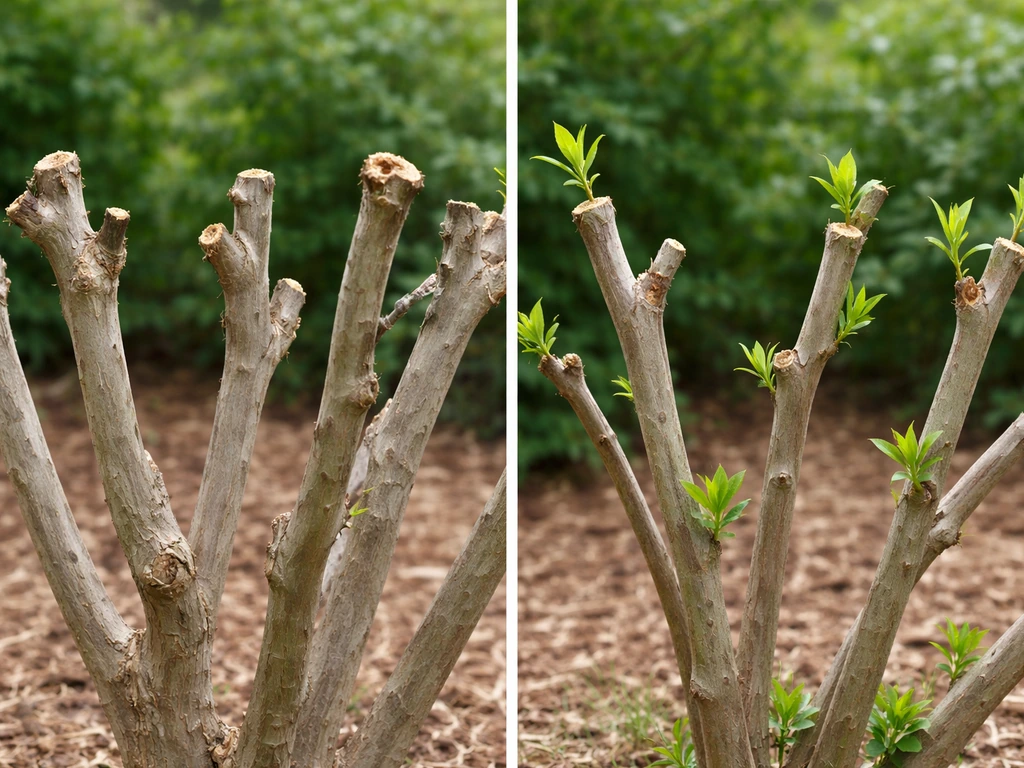
blank" rel="noopener noreferrer">Crepe myrtles bloom on new growth produced in the current season. That's the key fact that explains why pruning timing matters so much. UGA Extension is clear that if you're going to prune, it should be blank" rel="noopener noreferrer">done in late winter to early spring before growth begins, during the plant's dormant period. Pruning in late spring or summer removes the very branches that were about to produce your flowers and new growth, which means you just cut off the season.
Then there's what the gardening world calls 'crape murder': the habit of cutting crepe myrtles back to thick stubs every year. Beyond being ugly, heavy topping stimulates a burst of weak, whippy regrowth from the cuts that's energetically expensive for the plant. That energy comes from somewhere, and it often comes at the cost of root development and overall structural growth. A heavily topped crepe myrtle frequently stays the same height year after year because it's spending all its energy regrowing what was just cut off. The fix is to stop topping, remove the knobby stubs if possible, and let the plant grow on its natural branching structure.
One genuinely useful pruning move: UGA Extension notes that removing spent flower blossoms in late winter or early spring, before growth resumes, can stimulate new growth and in some cultivars may trigger another bloom flush in late summer. So selective deadheading done at the right time can actually help rather than hurt.
Temperature, climate, and winter dieback impacts
Crepe myrtles are cold-hardy in USDA zones 6 through 10, but 'cold-hardy' doesn't mean 'immune to winter damage.' In zones 6 and 7, a hard freeze can kill everything above the soil line, leaving you with what looks like a dead plant in spring. This happens more than you'd think even in zone 7 after a particularly brutal winter. The plant almost always regrows from the roots, but that regrowth comes from the base and looks like new shoots from ground level, not the established tree structure you had before.
The slow-to-wake problem is also real. Crepe myrtles are one of the last plants to leaf out in spring, and in a cool spring they can stay bare well into May or even early June. Lots of people dig up or replace plants that were actually fine, just late. Scratch a small section of bark on a main stem with your fingernail: if you see green or white tissue underneath, the plant is alive. If it's brown and dry all the way through, that branch is dead. Work your way down toward the roots, even if the top is dead, the crown and roots are often still viable.
If you're in a marginal zone and want to protect a young plant, a few inches of mulch over the root zone going into winter makes a measurable difference in root survival.
Pests and diseases that stunt or kill growth
Crepe myrtles are relatively tough, but a few specific problems can stall or kill them if you don't catch them early.
| Problem | What you see | What to do |
|---|---|---|
| Crape myrtle bark scale | White or gray crusty patches on bark, sticky black sooty mold on leaves and stems, reduced growth | Scrub scale off with a brush and soapy water, apply systemic insecticide (imidacloprid) to soil in spring |
| Aphids | Curled or distorted new leaves, sticky residue, ants running up the trunk | Strong blast of water, insecticidal soap, or neem oil on affected areas |
| Powdery mildew | White powdery coating on leaves and new shoots, stunted or deformed growth | Improve air circulation, apply fungicide if severe, choose mildew-resistant cultivars next time |
| Cercospora leaf spot | Small purple or brown spots on leaves, premature leaf drop in midsummer | Remove fallen leaves, apply copper-based fungicide if persistent |
| Bark borers | Small holes in bark, sawdust-like frass, dead or dying branches | Prune out affected branches, apply appropriate insecticide, avoid mechanical wounds to bark |
Crape myrtle bark scale is the pest I'd check for first right now if your plant has been stalling for a season or two. It spread rapidly across the Southern US over the past decade and it's easy to miss until it's well established. Look closely at branch crotches and along the main stems for that white crusty coating. Sooty mold growing on the honeydew the scale produces is often the first thing you notice.
Root and space problems, plus transplant shock
A crepe myrtle planted too deep is one of those problems that takes years to show up, which makes it really frustrating to diagnose. If the root flare, the visible flare where the trunk widens at ground level, is buried under 3 or more inches of soil or mulch, the plant is slowly being suffocated. You'll see gradual decline, yellow leaves, reduced growth, and eventually dieback. Pull mulch back from the base of the trunk so the root flare sits at or slightly above grade. If the plant was planted too deep, carefully excavate to expose that flare.
Transplant shock is the other big one. When a crepe myrtle is dug up and moved, especially if it was bareroot or had roots cut aggressively, it can sit looking completely unchanged for an entire growing season. It's not dead, it's just rebuilding its root system, and all of its energy is going underground where you can't see it. The rule of thumb is roughly one year of establishment time for every inch of trunk caliper. A tree with a 2-inch trunk might need two full growing seasons before it starts putting on noticeable top growth. During that time, keep it watered, don't fertilize heavily, and leave it alone.
Root crowding from nearby trees or structural competition can also be an issue in older landscapes. Crepe myrtles don't have super aggressive roots, but if they're planted in a narrow strip between a sidewalk and a building with no real room to spread, root restriction will limit how large the plant can get.
Step-by-step troubleshooting plan to try this season
Work through these in order. Most people find their answer by step four.
- Do the scratch test first. Scratch a small patch of bark on several branches starting from the tips and working down. Green or white tissue means alive. Brown and dry all the way through means dead. If the upper branches are dead but lower ones show green, cut back to the live wood and wait.
- Count the sun hours your plant actually gets. Do this on a clear day, not in your head. Walk out every 2 hours from 8am to 6pm and note whether the plant is in sun or shade. If you're getting less than 6 hours, consider moving the plant to a sunnier location this fall once temperatures drop.
- Check the soil drainage. Dig down 12 inches near the root zone and do the water drainage test described above. If water sits for hours, address drainage before anything else.
- Check the root flare and mulch. Pull back any mulch piled against the trunk. The flare should be visible. If it's buried, gently remove soil until you expose it.
- Inspect for crape myrtle bark scale. Look at branch crotches and main stems for white crusty deposits and sooty black mold. If you find it, start treatment with soapy water scrubbing and a systemic insecticide drench in spring.
- Review your pruning history. If the plant was topped in late spring or summer, that explains no flowers this year. Stop all topping and let it grow naturally from here. If you need to prune, mark your calendar to do it next late winter or early spring before growth starts.
- Check your fertilizer timing and type. If you applied a high-nitrogen fertilizer mid to late summer, that can delay or prevent flowering and push soft growth. Switch to a balanced slow-release fertilizer and apply it next year in early spring only.
- If you transplanted in the past 1 to 2 years, give it time. Keep watering consistently through dry spells (1 inch per week), pull back on fertilizer, and don't mistake slow establishment for failure. By next spring you should see noticeably better growth if the site conditions are right.
- If none of these apply, get a soil test. Your county extension office can do one for a few dollars. A pH that's too high or too low, or a significant nutrient deficiency, will show up clearly and give you a direct amendment prescription.
- Set a realistic timeline. A plant that was heavily topped, mildly neglected, or just transplanted won't transform overnight. Expect to see meaningful improvement in 6 to 12 weeks if you fix a care issue, or a full season if the problem was structural (wrong location, deep planting, transplant shock).
The good news is that crepe myrtles are genuinely tough plants that want to grow and bloom. In my experience, once you remove whatever's been holding them back, whether that's shade, compacted soil, or years of bad pruning, they recover with real enthusiasm. Fix the biggest problem first, be patient through the rest of this season, and you'll almost certainly be in a much better place by next summer.
FAQ
If my crepe myrtle leafed out but still isn’t growing taller, what should I check first?
Treat it as a “bottleneck” case. Start with light and drainage, then check pruning history and nitrogen level. If the plant is getting less than 6 hours of direct sun or the soil drains slowly, fertilizer usually will not correct the stall.
Can I force blooms by adding fertilizer more often?
Usually no. Crepe myrtles bloom on current season growth, so repeated feeding late or in high nitrogen can produce more leaves and fewer flowers, plus increase pest pressure. Stick to one early-spring application of balanced slow-release fertilizer, then stop after midsummer.
My crepe myrtle grows in spurts, then pauses for weeks. Is that normal?
Some pauses happen, especially during hot spells or after heavy pruning or transplant activity. The key is whether you see steady new leaf growth and improving shoot tips. If there is no new growth for a full season, switch from “normal timing” to checking sun, watering pattern, and drainage.
How can I tell if I’m underwatering versus overwatering when leaves start wilting?
Use the soil, not the leaves. Dig or probe about 4 inches down: bone dry top inches with drooping leaves means water more, while soil that stays wet for days and yellowing leaves from the bottom up points to excess water and/or poor drainage.
What watering schedule should I use if I don’t want to guess?
Skip “every day” watering. Water deeply when the top 1 to 2 inches of soil are dry, and then wait until that depth dries again. Consistent shallow watering can keep roots near the surface and worsen stress during heat waves.
Why are my crepe myrtles doing “leafy growth” but no flowers?
Excess nitrogen and late-season fertilizing are the most common drivers. Also consider pruning mistakes: if branches were cut in late spring or summer, you likely removed the wood that would have produced blooms.
My crepe myrtle blooms less than usual. Could it be too much pruning?
Yes. Heavy topping reduces branch structure and forces weak regrowth that rarely sets as many flowers. If you must prune, do it in late winter to early spring, and avoid cutting back into thick stubs year after year.
What should I do if my plant is in zone 6 or 7 and looks dead in spring?
Check for live tissue by scratching bark on main branches. If everything above ground is brown and dry, assume winter kill, then wait for regrowth from the base. For young plants, consider extra winter mulch over the root zone to improve survival.
Is it normal for my crepe myrtle to stay bare until May or June?
It can be. Crepe myrtles are among the last to leaf out. Confirm viability by checking live green or white tissue under bark. If the crown and roots are alive, it will usually come back without you needing to relocate or replant immediately.
How do I know if it was planted too deep?
Look for the root flare, the widened trunk base at ground level. If mulch or soil buries that flare by 3 or more inches, growth often declines over time. Pull mulch back and, if needed, carefully excavate so the flare sits at or slightly above grade.
Can transplant shock really last an entire year?
Yes. After a move, especially with barerooting or aggressive root cutting, top growth can lag for an entire season. A rough guideline is about one year of establishment for each inch of trunk caliper, during which you should avoid heavy fertilizing and keep watering consistent.
What does crepe myrtle bark scale look like, and when should I suspect it?
Look for white, crusty coatings in branch crotches and along main stems, and watch for sooty mold on surfaces caused by honeydew. If your plant is stalled for a season or two despite proper sun, soil, and watering, scale becomes a top suspect.
My crepe myrtle is in a narrow strip between a sidewalk and a building. Could space affect growth?
Yes. Structural competition and root restriction can limit how tall and wide a crepe myrtle gets. If you cannot expand the planting area, manage expectations and focus on giving it full sun and excellent drainage, since the plant will have less room to build a strong root system.
Next Article
Is Miracle-Gro Good for Mandevilla? How to Feed It Safely
Yes, Miracle-Gro can feed mandevilla safely. Get correct NPK choice, dilution, schedule, and signs to avoid burn.