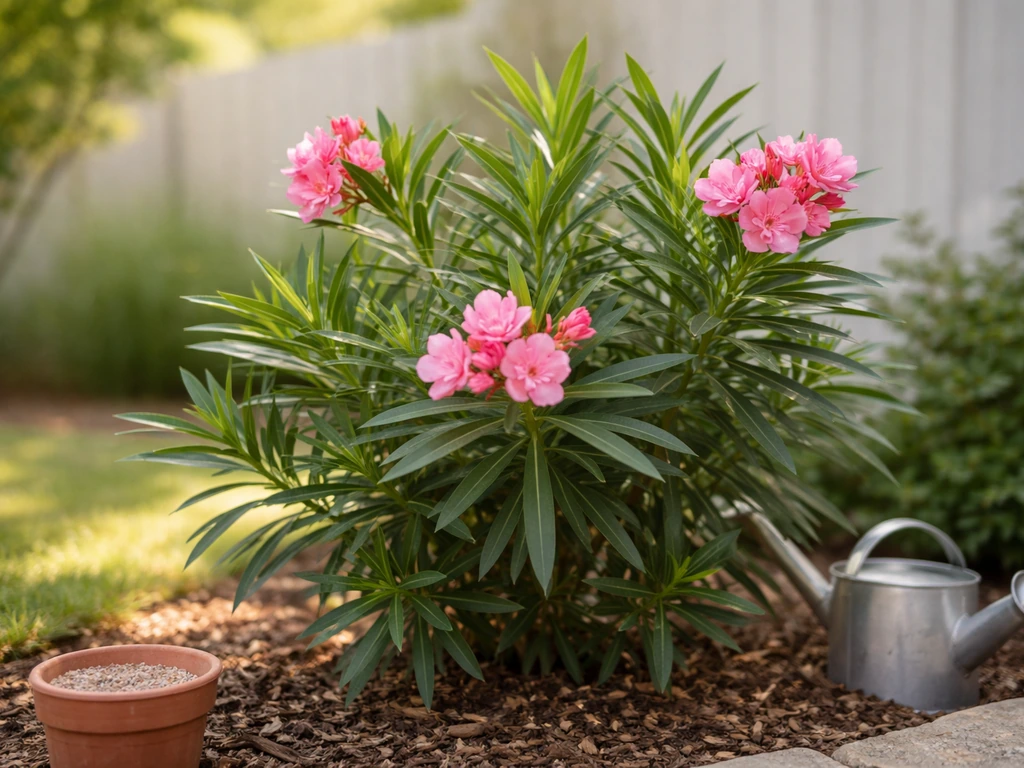
To make crepe myrtles grow faster and bloom better, feed them in early spring with a balanced or slightly nitrogen-forward fertilizer like 10-10-10 or 16-4-8. Apply at 1 lb per 100 sq. ft. for balanced formulas (8-8-8 or 10-10-10) or 1/2 lb per 100 sq. ft. for higher-analysis formulas (12-4-8 or 16-4-8). Repeat once in early summer, then stop feeding by midsummer. That is genuinely all most healthy crepe myrtles need. The bigger issues for most struggling plants are not a lack of fertilizer but wrong soil pH, poor drainage, or not enough sun.
What to Feed Crepe Myrtles to Make Them Grow Fast

Marcus Weir
9 Jul 2026
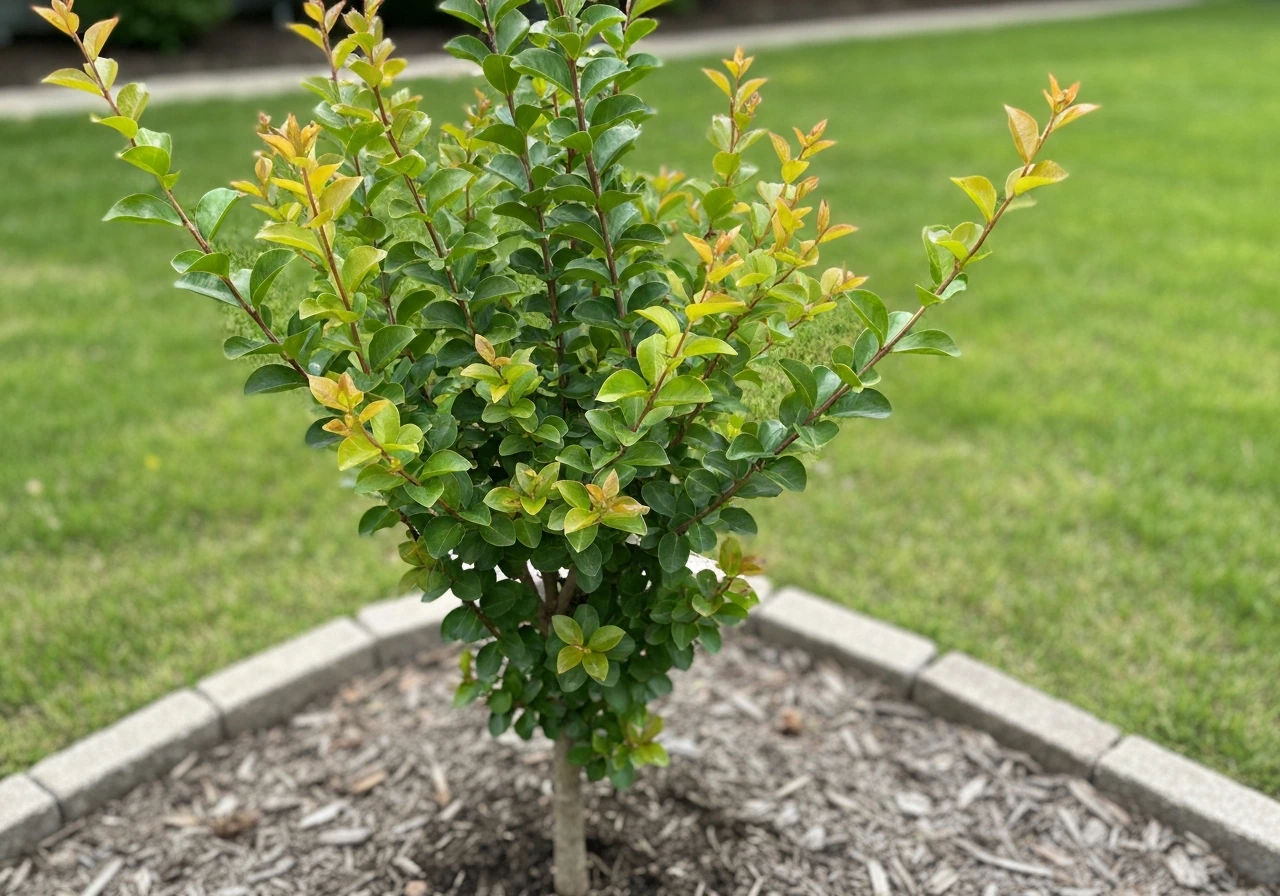
What crepe myrtles actually need to grow well
Before you spend money on fertilizer, it helps to understand what drives crepe myrtle growth in the first place. These trees are heat-lovers native to China and Korea. They want full sun, meaning at least 6 to 8 hours of direct sun daily. Gardeners on Reddit who have tracked their crepe myrtle's bloom performance consistently report that trees in partial shade either bloom poorly or barely at all, no matter how well they are fed. If your tree is in deep shade, no amount of fertilizer is going to fix that.
Beyond sunlight, crepe myrtles need well-drained soil. Roots sitting in waterlogged soil cannot take up nutrients efficiently, which means fertilizer becomes nearly useless and the tree looks starved even when it is not. They also prefer slightly acidic soil, with a pH around 6. Clemson Extension reports that crape myrtles perform best in an acceptable soil pH range of about 5.
0 to 6. 5, tolerating slightly alkaline to acidic conditions and a variety of soil textures [They also prefer slightly acidic soil, with a pH around 6. ](https://www. fairfaxgardening.
org/wp-content/webdocs/ref/CrapeMyrtle-CLEM. pdf). 0 to 6. 5 being the sweet spot for nutrient availability.
They will tolerate a range from about 5. 0 to 6. 5 without too much trouble, but once soil pH climbs above 7. 0 you start running into real problems, which I will cover below.
Water matters too. Crepe myrtles are drought-tolerant once established, but young plants and trees in active growth need consistent moisture to move nutrients from the soil into the roots. A plant that is water-stressed during the growing season will not respond well to fertilizer. If you notice your tree is also barely blooming, that topic is worth exploring separately, since weak blooms are often tied to pruning mistakes and sun exposure as much as feeding. If you are asking why won't my crepe myrtle grow, this weak-bloom angle is also a good place to start because sun and pruning mistakes can matter as much as feeding why it might not bloom.
Test your soil before you buy fertilizer
I know skipping straight to the fertilizer aisle is tempting, but a soil test is genuinely the most useful $15 to $20 you can spend before feeding any tree. Your local cooperative extension office can run one, and many mail-in labs turn results around in a week. The test will tell you your pH, your phosphorus and potassium levels, and often key micronutrients like iron, manganese, and zinc. From those numbers you can make a real decision about what your tree actually needs instead of guessing.
If your pH is too high (above 7.0), you will likely need to lower it before fertilizing makes much difference. Garden sulfur is the standard amendment for this. Worked into the top few inches of soil, it gradually acidifies the root zone over several weeks. If your pH is already in the 6.0 to 6.5 range and your phosphorus and potassium levels are adequate, then a fertilizer with more nitrogen emphasis (like a 16-4-8) makes sense because you are not trying to correct deficiencies, you are just feeding growth.
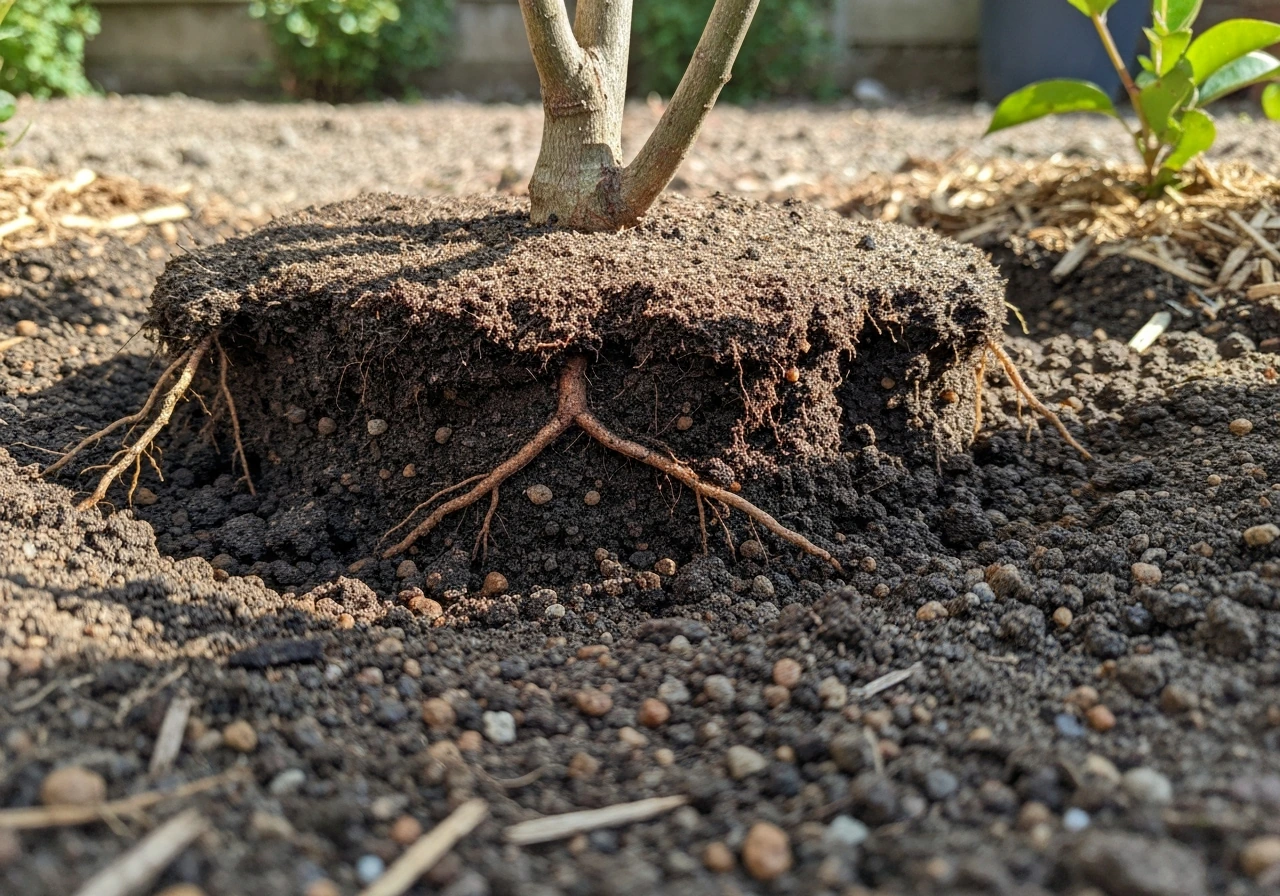
If the soil is heavy clay or compacted, addressing drainage and structure is as important as adjusting chemistry. Working compost into the root zone at planting time, or top-dressing with it annually, improves both drainage and the soil's ability to hold and release nutrients. Poor drainage is one of the most overlooked reasons crepe myrtles fail to respond to fertilizer, and it is worth fixing before adding more inputs.
Choosing the right fertilizer: NPK and micronutrients explained
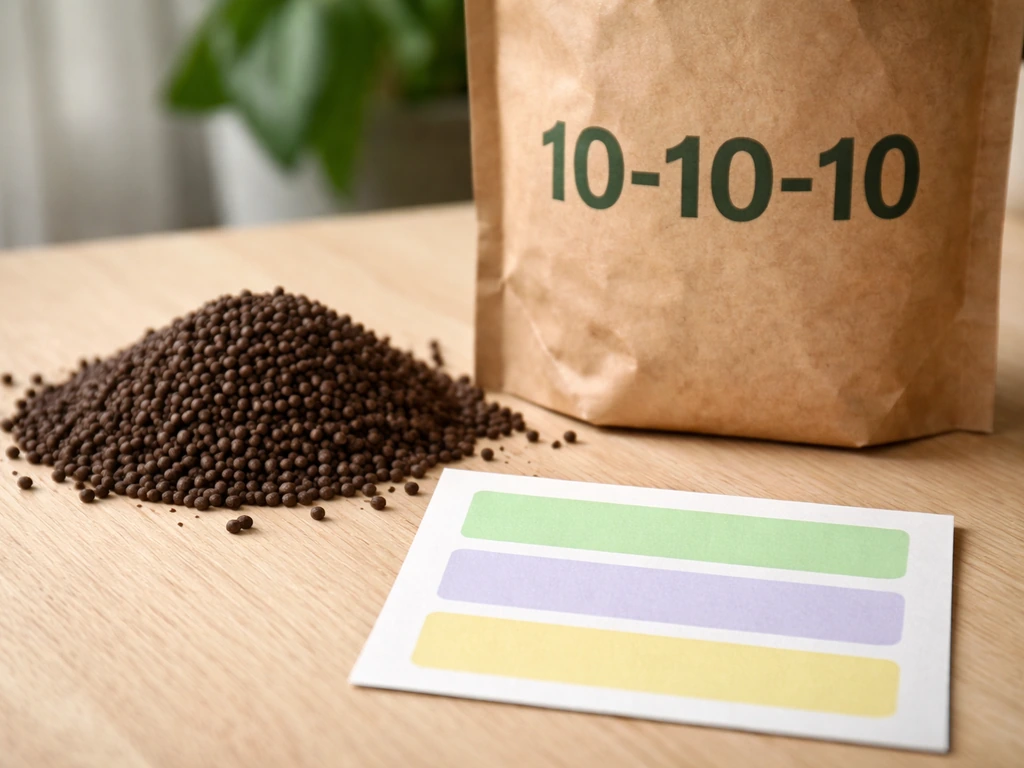
The three numbers on any fertilizer bag are the NPK ratio: nitrogen (N), phosphorus (P), and potassium (K), in that order. Nitrogen drives leafy, vegetative growth and green color. Phosphorus supports roots and flowering. Potassium helps with overall plant health, stress tolerance, and disease resistance. For crepe myrtles, UGA Cooperative Extension recommends a complete general-purpose fertilizer as the ideal choice, specifically naming 8-8-8, 10-10-10, 12-4-8, and 16-4-8 as good options.
The balanced formulas (8-8-8 or 10-10-10) are the safest bet if you have not done a soil test, because you are covering all three bases without overdoing any single nutrient. The higher-nitrogen formulas (12-4-8 or 16-4-8) make more sense for established trees that need a growth push or are in already phosphorus-rich soil. A higher-nitrogen feed encourages the new shoot growth that produces flower buds, which is exactly what you want in spring.
Micronutrients rarely need to be supplemented if your soil pH is correct and your soil is otherwise healthy. Iron and manganese are the ones most likely to cause visible problems, but as I will explain in the troubleshooting section, those problems are almost always caused by high pH locking those nutrients out of the plant, not by a deficiency in the soil itself. Adding more micronutrients to alkaline soil is largely a waste of time and money until the pH issue is corrected.
| Fertilizer Formula | Best Use | Application Rate per 100 sq. ft. | Notes |
|---|---|---|---|
| 8-8-8 (balanced) | Unknown soil or first-time feeding | 1 lb | Safe, general-purpose choice |
| 10-10-10 (balanced) | Healthy trees needing all-around support | 1 lb | Very widely available |
| 12-4-8 (higher N) | Established trees, growth push needed | 1/2 lb | Good when P is already adequate |
| 16-4-8 (higher N) | Fast growth focus, known adequate P and K | 1/2 lb | Use only with soil test confirmation |
When to feed: a season-by-season schedule
Timing your fertilizer applications correctly matters almost as much as choosing the right product. Feed too late in the season and you push tender new growth that gets hit by frost. Feed too early and the nutrients may wash away before the tree can use them. Here is a practical schedule that works across most of the South and Mid-Atlantic, where crepe myrtles are most common.
Spring (March to early April): the main growth push
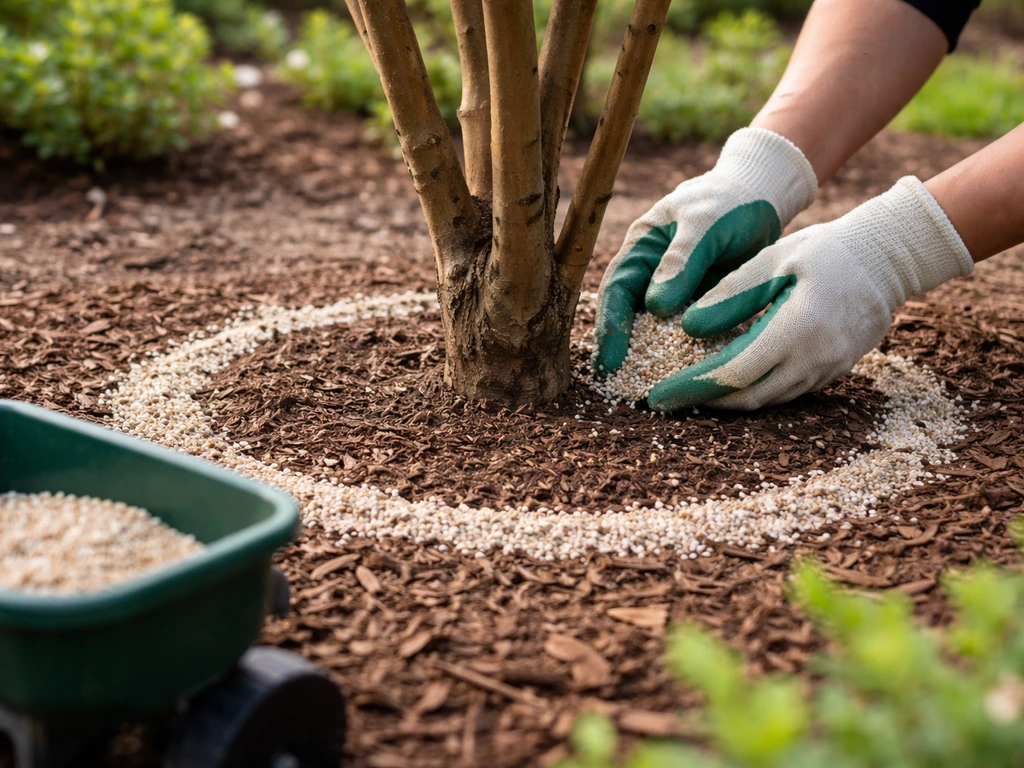
This is your most important application. As soon as you see leaf buds beginning to swell, apply your fertilizer at the recommended rate. This timing aligns with the roots waking up and actively taking in nutrients, so you get maximum uptake. For newly planted small trees, UGA Extension recommends applying just 1 teaspoon of fertilizer monthly from March through the growing season, which is a gentler approach that avoids burning young, establishing roots.
Early summer (May to June): optional support feeding
If your tree is actively growing and you want to encourage another flush of blooms after the first one fades, a second application in late May or early June can help. Keep the rate the same. This is the application most people skip, and for established, healthy trees you can probably get away with skipping it too. But if your tree had a slow spring or is recovering from stress, this feeding helps sustain momentum through peak bloom season.
Late summer and fall: stop feeding
Do not fertilize after midsummer, which typically means stopping by late July or early August at the latest. Nitrogen applied late in the season pushes new vegetative growth that does not have time to harden off before frost. That soft new growth is highly susceptible to cold damage and can lead to dieback that sets the tree back significantly the following spring. Let the tree naturally slow down, harden its wood, and prepare for dormancy on its own schedule.
Winter: nothing needed
Dormant crepe myrtles do not need fertilizer. The roots are barely active and any fertilizer applied now is largely wasted or risks leaching into groundwater. Use this time to do your soil test instead, so you have results and a plan ready for that first spring application.
How much to apply and how to do it right
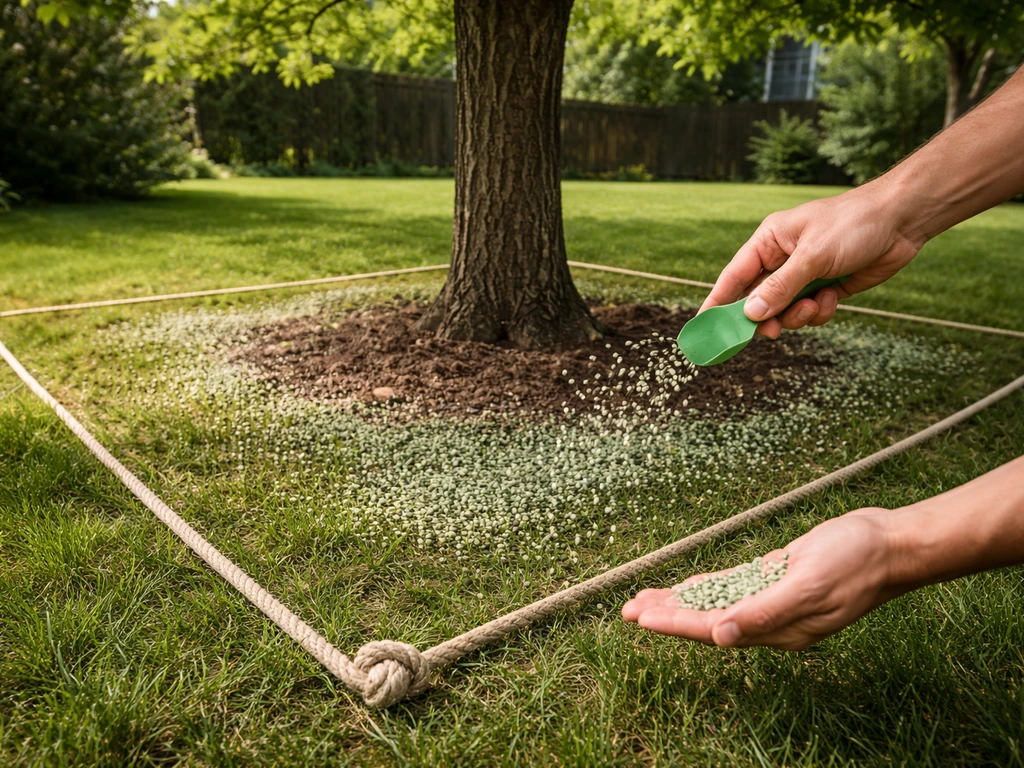
The application rates from UGA Extension are straightforward: 1 lb per 100 sq. UGA Cooperative Extension Circular 944 also specifies the application rates for these fertilizers, including 8-8-8 or 10-10-10 at 1 lb per 100 sq. ft blank" rel="noopener noreferrer">application rates: 8-8-8 or 10-10-10 at 1 lb per 100 sq. ft.. ft. for balanced formulas like 8-8-8 or 10-10-10, and 1/2 lb per 100 sq. ft. for higher-analysis formulas like 12-4-8 or 16-4-8. To figure out how many square feet to cover, measure the area under the tree's canopy out to the drip line (the outer edge of the branch spread), and extend a foot or two beyond it. That is approximately where the feeder roots are most active.
Broadcast the granules evenly over that area and keep them away from the trunk itself. Direct contact with fertilizer granules on bark can cause chemical burns. After applying, water the area thoroughly. This does two things: it dissolves the granules so nutrients can move into the soil, and it prevents fertilizer salts from sitting on the soil surface and burning feeder roots that are close to the surface.
Overfertilizing is a very real risk with crepe myrtles, and it is more common than underfertilizing. Too much nitrogen produces excessive leafy growth and weak, floppy stems at the expense of flowers. You will get a big, green, lush tree that blooms poorly. If your tree is already putting out vigorous growth each year and blooming reasonably well, a single light spring application is probably all it needs. You do not need to fertilize heavily every year once a tree is established and thriving.
Fixing specific problems: yellowing, weak blooms, and slow growth
Yellowing leaves (chlorosis)
If your crepe myrtle's leaves are turning yellow between the veins while the veins themselves stay green, that is classic interveinal chlorosis. It looks like a nutrient deficiency, and it technically is, but adding more iron or manganese to the soil is rarely the real fix. According to USU Extension, iron chlorosis is almost always caused by the plant's inability to extract sufficient iron from the soil, typically because the soil pH is too high (above 7.0). High pH makes iron chemically unavailable even when the iron is physically present in the soil.
High pH can also lock out manganese, which causes a very similar yellowing pattern. Before buying chelated iron or micronutrient sprays, test your soil pH. If it is above 7.0, lowering it with sulfur is the primary fix. Soil applications of acidifying fertilizer can also help by creating small zones of lower pH around the roots where iron becomes more available. In the short term, foliar sprays of chelated iron can green up the leaves quickly, but without fixing the pH, the problem will keep coming back.
Weak or absent blooms
Poor flowering is rarely a fertilizer problem alone. The most common culprits are not enough sun, heavy pruning that removes flower-producing wood, or too much nitrogen that pushes vegetative growth instead of blooms. Crepe myrtles bloom on new growth, so they do need some nitrogen to push the shoots that will carry flowers, but excess nitrogen tips the balance away from flowering. If your tree is green and lush but not blooming, hold off on more fertilizer and check the sun exposure and pruning situation first.
Slow or stunted growth
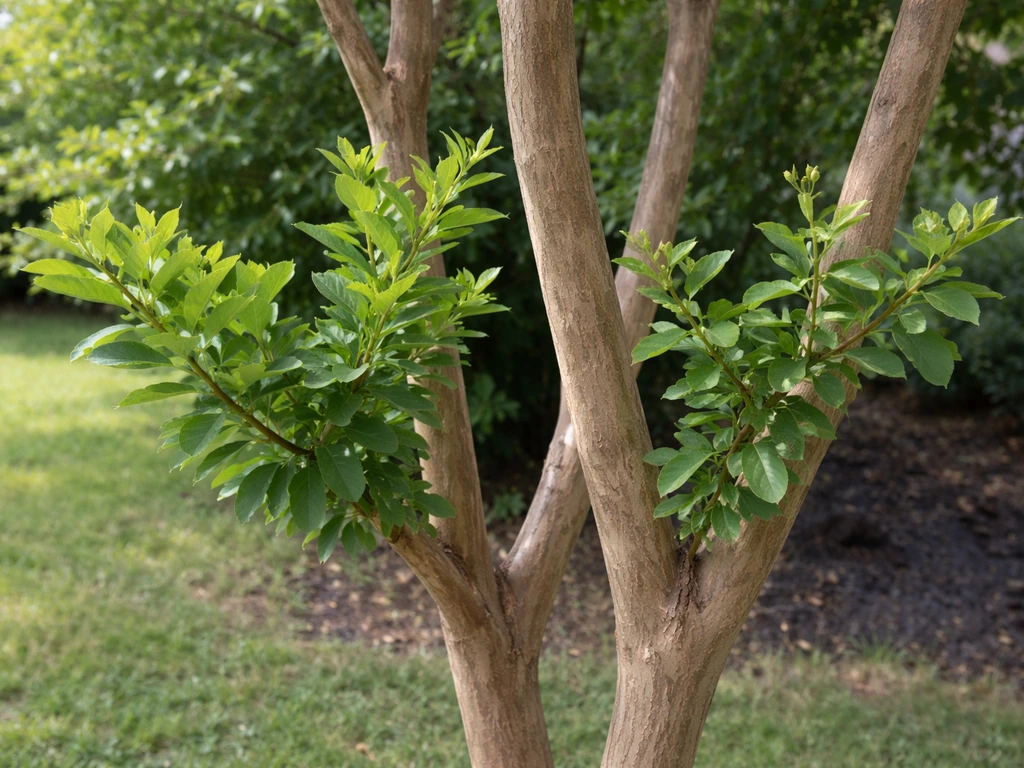
A crepe myrtle that is not putting on much new growth each year despite regular feeding usually has one of three problems: inadequate sunlight, poor drainage that is suffocating the roots, or soil pH that is too far off to allow efficient nutrient uptake. This same soil-and-timing logic is also why Miracle-Gro products are rarely the best choice for dogwood trees unless you first confirm pH and drainage. Fertilizing more aggressively will not overcome any of these.
Work through the checklist: Is it getting 6 to 8 hours of direct sun? Is the soil draining well after heavy rain? Has the soil pH been tested recently? If any of these are off, fix those first and then reassess how the tree responds to feeding.
You might find it takes off without any additional fertilizer at all.
Everything else that helps fertilizer work better
Fertilizer does not work in isolation. You can also run into issues if you use miracle-gro products like Miracle-Gro for other ornamentals, so it is smart to confirm what is truly appropriate for oleanders before feeding Fertilizer does not work in isolation.. A few other practices make a significant difference in whether nutrients actually translate into visible growth and blooms.
- Mulch: Apply 2 to 3 inches of organic mulch (wood chips or shredded bark) in a ring around the tree, keeping it a few inches away from the trunk. Mulch conserves soil moisture, moderates soil temperature, and gradually improves soil structure as it breaks down. It also reduces competition from lawn grass, which can aggressively compete for fertilizer in the root zone.
- Pruning: Crepe myrtles bloom on new wood, so light pruning in late winter (before bud break) removes old seed heads and encourages vigorous new shoots. Avoid the common mistake of severe topping, which weakens the tree and produces excessive, weak regrowth. Light shaping is all that is needed.
- Sunlight: If a tree is not getting enough direct sun, consider whether surrounding trees or structures can be managed to open up more light. This is often more impactful than any change to your fertilizing program.
- Irrigation: Young and recently planted crepe myrtles need consistent watering through their first two growing seasons while roots establish. Even established trees benefit from deep watering during drought, especially right after fertilizing to help nutrients move into the root zone.
Putting all of this together, the practical next steps for today are straightforward. If you have not tested your soil in the past two to three years, order or pick up a test kit before doing anything else. If you already know your pH is in the 6. 0 to 6.
5 range and your tree is in full sun with decent drainage, grab a bag of 10-10-10 or 12-4-8, apply it at the rates above as soon as you see bud swell in spring, water it in well, and you are done for the season. If your tree has been struggling, do not reach for more fertilizer first. Work the checklist: sun, drainage, pH, then feeding.
For magnolia trees, you still want to base feeding on soil testing and the right balance of nutrients, rather than assuming Miracle-Gro will help Magnolia tree fertilizer. That order of operations will save you time, money, and a lot of frustration.
FAQ
Can I fertilize my crepe myrtle in winter or very early spring to make it grow faster?
In general, wait until you see leaf buds starting to swell in spring, then apply once at the labeled rate, water thoroughly, and stop after midsummer. Feeding earlier than bud swell often just means nutrients sit or wash away before roots actively take them up.
Is it okay to use the same fertilizer plan if my crepe myrtle is planted in a raised bed or on a slope?
Yes, but only if the product is a true granular fertilizer and you follow the same NPK goals and timing. Keep the granules off the trunk, measure the drip line area, then water in right after applying to move nutrients into the root zone and reduce burn risk.
Should I add iron or manganese supplements if my crepe myrtle looks chlorotic?
Avoid it. Many “complete” fertilizers already contain micronutrients, and in alkaline or pH-imbalanced soil, extra micronutrients may not be absorbed. If you see leaf yellowing, test pH first, then address drainage and only add targeted nutrients if your soil test indicates a true shortage.
My soil pH tests above 7.0, how long will it take for my crepe myrtle to respond after adding sulfur?
Yes, but the timing is everything. If you need to correct a high pH, work in sulfur and allow a few weeks for the root-zone chemistry to shift before expecting fertilizer to work well. For quick greening, chelated sprays can help temporarily, but long-term improvement usually requires addressing pH.
How do I figure out the right amount of fertilizer if I do not know the tree’s canopy size?
Use the area roughly under the canopy to the drip line, then extend a foot or two beyond it, because feeder roots are often wider than the main stem area. If you apply only near the trunk, you may underfeed the most active roots even if the “rate per square foot” is correct.
What should I do if I accidentally fertilized after midsummer?
Stop after midsummer, then let nitrogen levels drop so the tree hardens off naturally. If you accidentally fertilize late, reduce any additional feeding and focus on consistent watering (not more fertilizer) until growth slows.
How can I tell if I overfertilized, and how do I correct it for the rest of the season?
If you overdo nitrogen, the common signs are lots of soft green growth, fewer blooms, and weak, floppy new stems. The fix is to pause fertilizing, ensure full sun and drainage, and follow correct spring timing next year rather than trying to “balance it out” with more amendments immediately.
Will fertilizer help if my crepe myrtle is in partial shade?
It can help in the short term if the problem is nutrient-related, but fertilizer will not compensate for shade. If the tree is in less than about 6 to 8 hours of direct sun, prioritize relocating, pruning for light penetration, or accepting reduced bloom rather than increasing fertilizer.
Why did my crepe myrtle not respond to fertilizer even though I used the right NPK ratio?
Yes, especially if you’re consistently water-stressing the plant during active growth. Even with the “right” fertilizer, roots cannot take up nutrients efficiently when moisture is inconsistent, so ensure deep, regular watering for young trees and during dry spells.
What is the fastest way to diagnose why my crepe myrtle is not growing after feeding?
If a tree is growing poorly despite fertilizing, the practical next checks are sun exposure, drainage after rain, and pH (especially if above 7.0). Only after those are corrected should you reassess fertilizer choice and rates, because those issues can make feeding ineffective.
How should my feeding schedule change for a newly planted crepe myrtle?
For newly planted small trees, use a gentler approach like monthly small doses from March through the growing season. The goal is to avoid root burn and avoid pushing growth that the young root system cannot support yet.
Next Article
Is Miracle-Gro Good for Oleanders? Safe Fertilizing Guide
Find out if Miracle-Gro is safe for oleanders and learn exact timing, dilution, and troubleshooting tips.