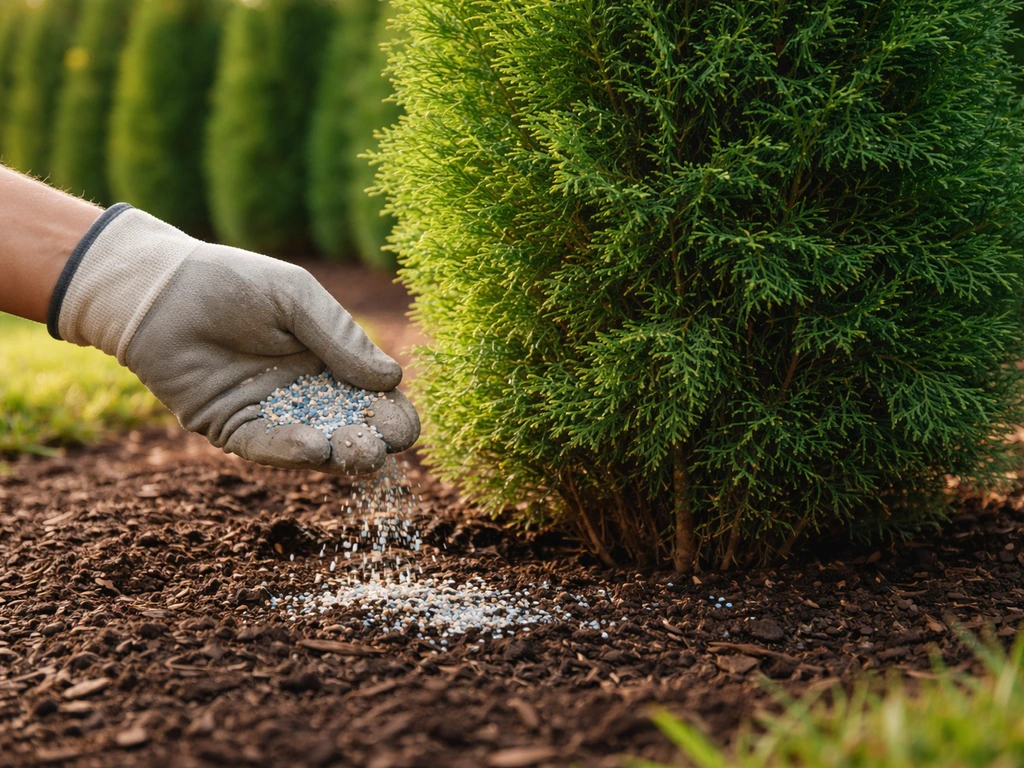
Yes, you can use Miracle-Gro on boxwoods, but the product you choose and how you apply it matters a lot. The safest picks are slow-release granular formulas or Evergreen Plant Food Spikes, applied in early spring and again in fall. The classic water-soluble Miracle-Gro you dissolve in a watering can works too, but it moves fast, can burn shallow feeder roots if you overdo it, and gives you less margin for error. Used correctly, Miracle-Gro gives boxwoods a reliable nutritional boost. If you are also wondering is Miracle-Gro good for ferns, ferns usually need a different balance than boxwoods and may be sensitive to fast-release feeding. Used carelessly, it can set them back or make existing stress worse.
Is Miracle-Gro Good for Boxwoods? How to Use It Safely

Marcus Weir
18 May 2026
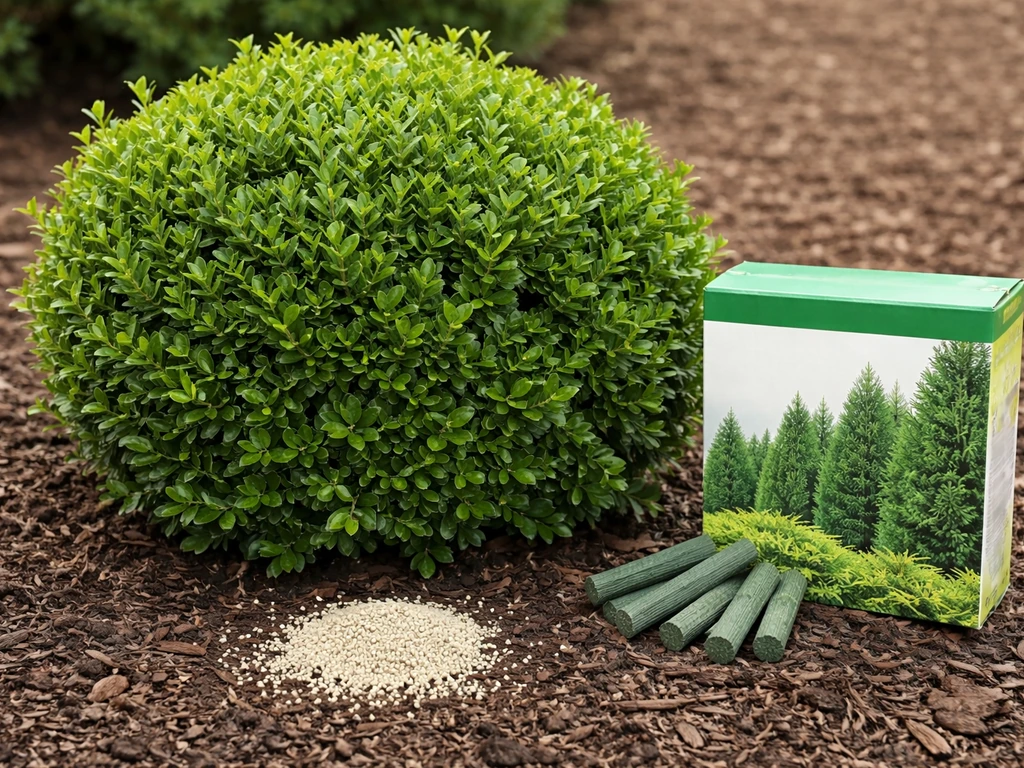
Which Miracle-Gro Products Actually Work for Boxwoods
Not all Miracle-Gro products are created equal for boxwoods, and the label language can be a little confusing. Here is how the main options break down.
Good choices
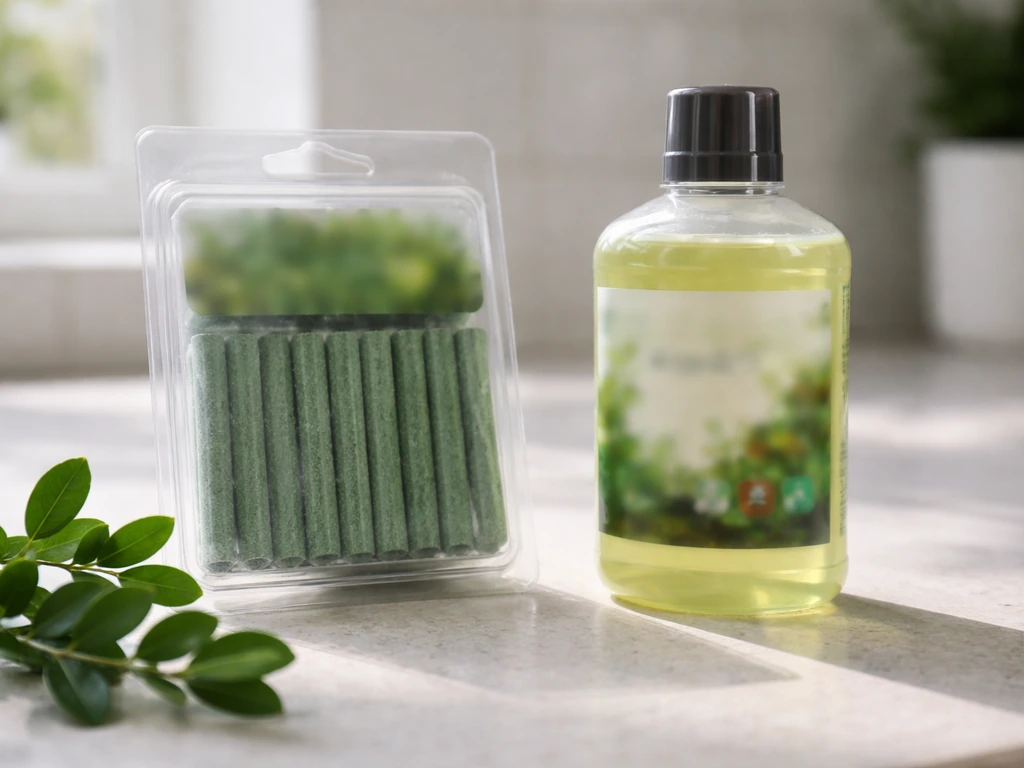
- Miracle-Gro Evergreen Plant Food Spikes: These are probably the most hands-off option. You drive them into the ground around the drip line once in early spring and once in mid-fall, and they release nutrients slowly over the season. Because the nutrient release is gradual, you are much less likely to burn the feeder roots.
- Miracle-Gro Shake 'N Feed Flowering Trees & Shrubs Plant Food: This granular formula feeds for up to three months, which makes it well-suited for boxwoods that do not need aggressive feeding. Broadcast it under the shrub out to and slightly beyond the drip line, then water it in thoroughly.
- Miracle-Gro Water Soluble All Purpose Plant Food (used carefully): This works, but dilute it to the lower end of the label rate and never apply it to dry soil. Because it is liquid and fast-acting, it can concentrate around shallow roots and cause burning if the soil is parched or if you use too much.
Products to approach with caution or avoid
- Miracle-Gro LiquaFeed Flowering Trees & Shrubs: This is labeled for acid-loving plants. Boxwoods prefer a near-neutral pH of 6.5 to 7.2, so a formula designed to serve acid-lovers is not the ideal fit. It will not necessarily harm them in a single application, but repeated use on a plant that does not want acidic conditions can shift soil chemistry in the wrong direction.
- Any high-nitrogen quick-release product applied in summer: Fast-release nitrogen on already-warm soil near boxwoods' shallow feeder roots is a recipe for root burn. Avoid any application after about mid-July.
How to Apply Miracle-Gro to Boxwoods Without Burning Them
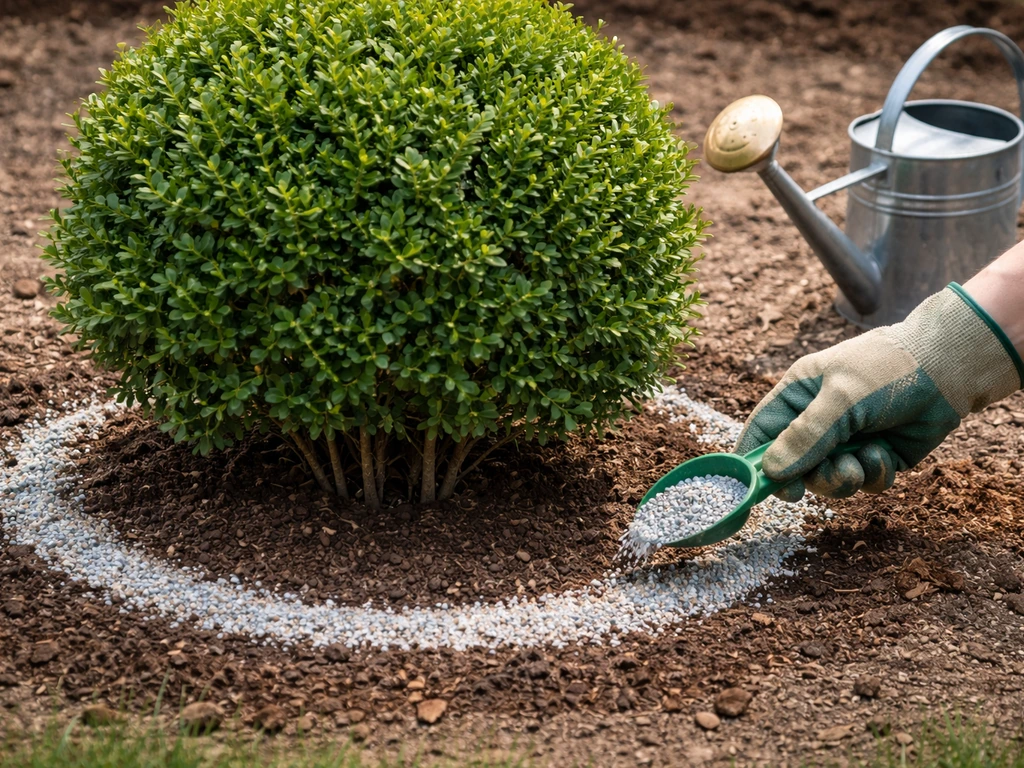
Timing and method are everything with boxwoods because their feeder roots sit very close to the surface. A little carelessness here shows up fast as yellowing, scorched tips, or a plant that just stops responding.
Timing
The two best windows are early spring (March or April, before new growth flushes out) and mid-fall (mid-September through mid-October). The spring application fuels new growth. The fall application helps roots store energy before the ground freezes. Do not fertilize in late summer or during a heat wave. Avoid any feeding after mid-October if you are in a cold climate, as pushing new soft growth into fall leaves boxwoods vulnerable to frost damage.
Application rate
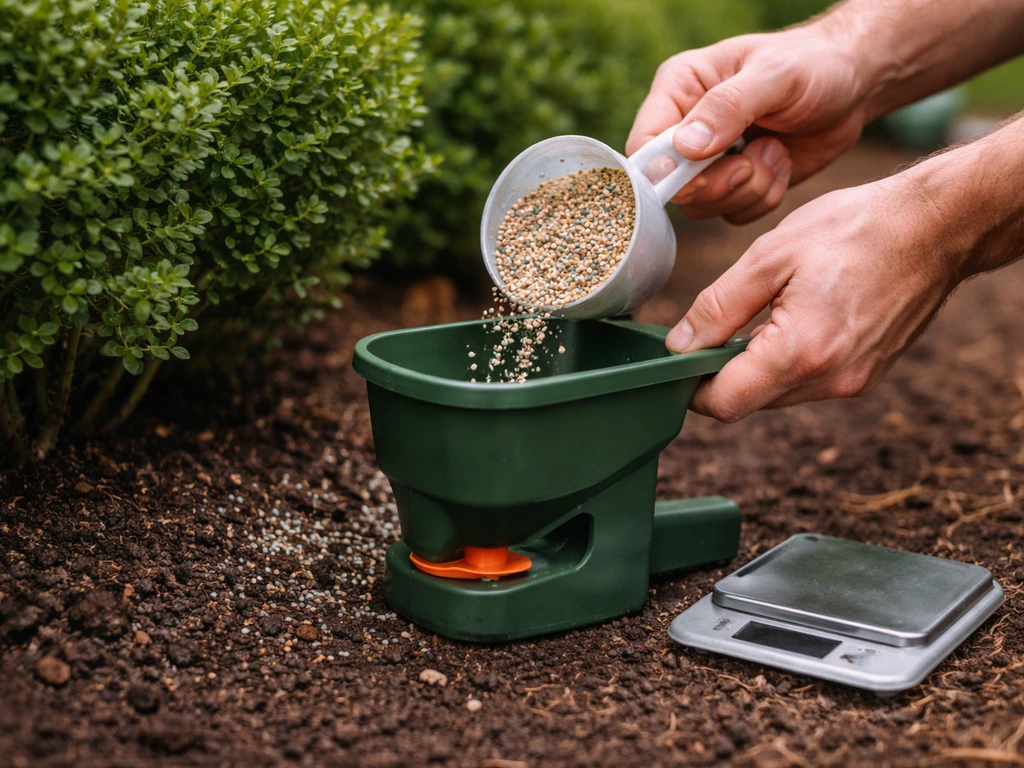
Extension guidance consistently caps nitrogen for evergreens at about 2 to 3 pounds of actual nitrogen per 1,000 square feet per year. Keep any single application under 1.5 pounds of actual nitrogen per 1,000 square feet to avoid root burn. For most home gardeners with a handful of boxwoods, this means simply following the label rate and not going over it, ever. More is not better with these plants.
Granular application method
- Water the boxwoods well one day before you plan to fertilize so the soil is moist but not waterlogged.
- Broadcast the granules from just inside the drip line out a few inches beyond it. Do not pile granules against the stems or trunk.
- Water thoroughly immediately after application to move nutrients down toward the root zone and away from concentrated contact with feeder roots.
- For spikes, drive them into the ground at the spacing the label specifies, roughly evenly around the drip line.
Liquid application method
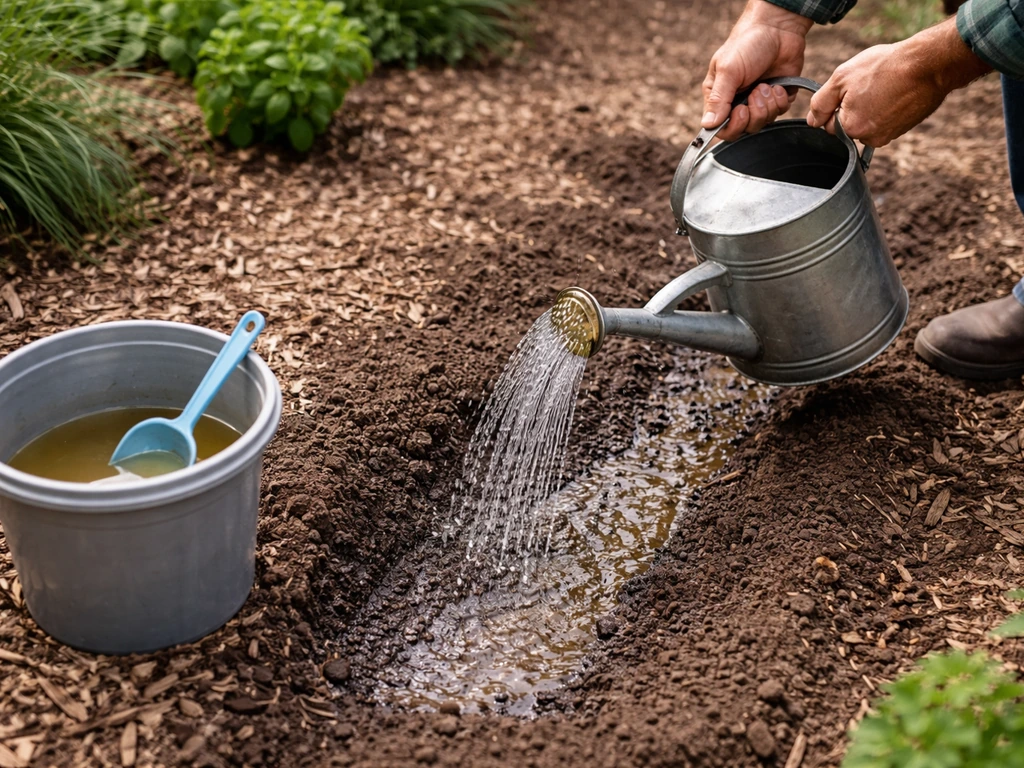
- Never apply liquid fertilizer to dry soil. Always pre-water first.
- Mix at the lower end of the label's recommended rate.
- Apply evenly over the root zone, keeping solution away from the base of the stems.
- Follow with plain water to flush any residual fertilizer off foliage and into the soil.
Soil, pH, and Watering: The Context Fertilizer Can't Fix
Boxwoods grow best in soil with a pH between 6. 5 and 7. 2. That is notably different from acid-loving shrubs like azaleas or some ferns, which want pH down in the 4.
5 to 6. 0 range. If your soil pH is off, fertilizer will not correct it and may make things worse by locking out nutrients. Before you reach for Miracle-Gro, it is worth doing a simple soil test (most cooperative extension offices offer them cheaply) to find out whether your soil actually needs nitrogen or whether a pH correction is the real fix.
If you are wondering whether Miracle-Gro is good for junipers, the answer depends on the product type and your soil conditions, so check the label and follow a conservative rate before you reach for Miracle-Gro.
Moisture management is just as important as feeding. Boxwoods have shallow, fibrous feeder roots that dry out quickly in summer and can desiccate in winter when the ground freezes but the evergreen foliage keeps losing water. Extension research specifically calls out drought and excess water as major drivers of boxwood decline, often mistaken for fertilizer deficiency. If your soil drains poorly, or if your boxwoods are sitting in a low spot, no amount of Miracle-Gro will compensate for root rot or oxygen-starved roots. Similarly, if your watering is inconsistent during dry spells, fix that before feeding. Fertilizer applied to a drought-stressed boxwood concentrates in the root zone and burns.
Mulch depth matters too. A two-to-three-inch layer of organic mulch over the root zone keeps moisture stable and moderates soil temperature, but piling mulch against the stems is a common mistake that traps moisture and invites disease. To help boxwoods grow together into a fuller, more even hedge, focus on spacing and consistent moisture, not extra fertilizer piling mulch against the stems is a common mistake. Keep mulch a few inches away from the main stems.
Does Your Boxwood Actually Need Fertilizer Right Now?
This is the question most gardeners skip, and it leads to a lot of unnecessary feeding. Boxwoods in healthy, amended soil with decent organic matter often need very little supplemental fertilizer. Before you fertilize, take a hard look at what the plant is actually showing you.
Signs that feeding is probably warranted
- New growth in spring is noticeably sparse or very pale compared to prior years
- Foliage has a generalized yellow-green color across the whole plant (not isolated branches)
- Growth is consistently slow over two or more seasons and soil test confirms nitrogen is low
- The plant is in sandy or heavily leached soil with minimal organic matter
Signs that stress is the issue, not nutrition
- Orange or bronze foliage in late winter or early spring, especially on south or southwest-facing sides: this is classic winter burn from desiccation, not a fertilizer problem
- Branch dieback that starts at tips and works inward after a cold, windy winter: again, desiccation
- Yellowing or browning on isolated sections while the rest of the plant looks fine: could be a drainage issue, root injury, or a pest like boxwood leafminer
- Wilting or browning during summer heat after dry spells: drought stress, not hunger
- Poor growth after construction, planting near a driveway, or soil compaction: root injury or compaction will not respond to fertilizer
If any of those stress signals match what you are seeing, hold off on fertilizing and address the underlying cause first. Adding nitrogen to a stressed, drought-affected, or root-damaged boxwood rarely helps and often makes things worse.
Alternatives to Miracle-Gro for Boxwoods
Miracle-Gro is convenient, but it is far from your only option, and for boxwoods, some alternatives actually give you more control and lower burn risk. Miracle-Gro is generally not a great fit for pachysandra because it is easy to overdo and can lead to burn if the plant does not need extra nitrogen. However, if you are asking whether Miracle-Gro is good for arborvitae, the answer depends on the specific product and how closely you follow the label rate.
| Option | Release Speed | Burn Risk | Best For |
|---|---|---|---|
| Miracle-Gro Evergreen Spikes | Slow | Low | Low-maintenance, set-and-forget feeding |
| Miracle-Gro Shake 'N Feed (granular) | Slow to medium | Low-medium | Seasonal feeding with 3-month coverage |
| Holly-tone or Espoma Plant-tone | Slow (organic) | Very low | Gardeners who prefer organic inputs |
| Osmocote Smart-Release granules | Slow (6 months) | Very low | Consistent feeding with minimal intervention |
| Compost top-dressing | Very slow | None | Long-term soil health improvement |
| Balanced granular 10-10-10 | Medium | Medium | Measured feeding when soil test guides use |
Organic options like Holly-tone (which is also commonly recommended for azaleas) or a simple compost top-dressing are particularly forgiving. Compost applied two inches deep over the root zone in spring improves soil structure and supplies low-level nutrients without any burn risk. If you are feeding nearby acid-lovers like azaleas, just be careful not to use the same acid-boosting fertilizer on your boxwoods, since their pH needs are different.
Slow-release synthetic options like Osmocote are also worth considering if you want the reliability of a synthetic fertilizer without the risk of hot spots from quick-release nitrogen. Extension guidance from University of Minnesota notes that slow- or timed-release fertilizers can even be applied a bit later in the season safely, giving you more scheduling flexibility than fast-release products.
Troubleshooting: When Feeding Stalls or Goes Wrong
Growth still slow after fertilizing
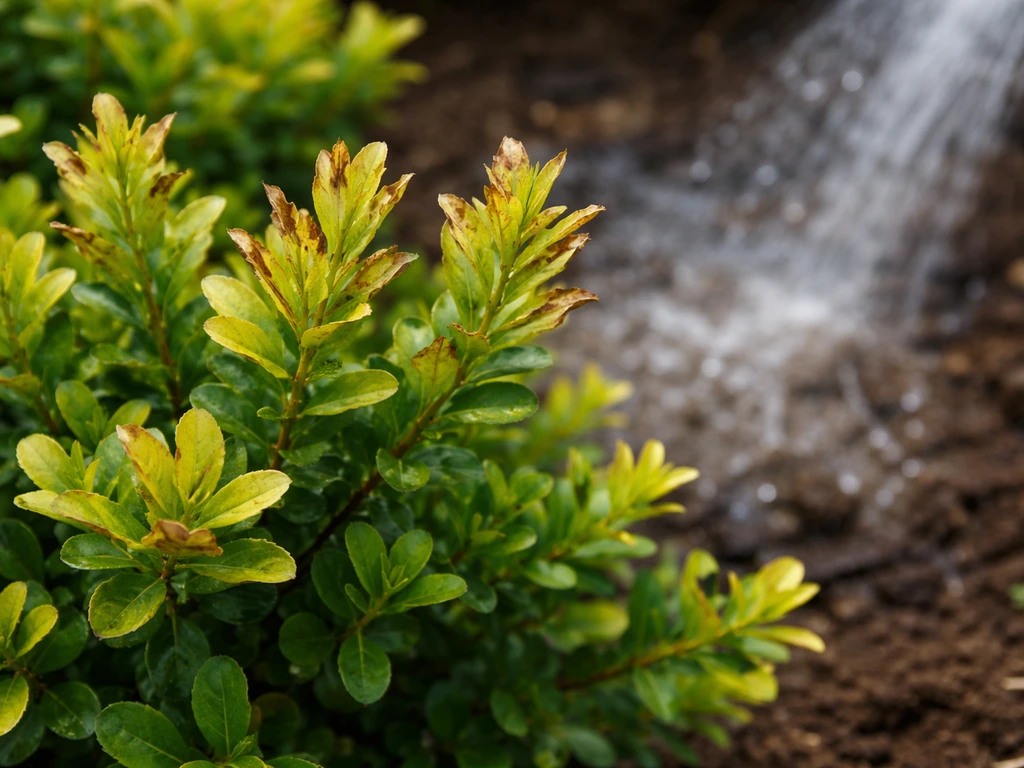
If you have fertilized correctly and the plant still is not responding after a full growing season, go back to the basics. Check soil pH first: if it is outside the 6. University of Maryland Extension notes that boxwood and yew do best with a soil pH range of about 6. 5 to 7.
2 and warns that excessive or quick-release fertilizer can damage their shallow evergreen feeder roots [boxwood and yew need soil pH of 6. 5 to 7. 2](https://extension. umd.
edu/resource/fertilizing-trees-and-shrubs-and-nutrient-deficiency-symptoms). 5 to 7. 2 window, nutrients may be present but unavailable to the plant. Then look at drainage.
Waterlogged roots cannot absorb nutrients no matter how much fertilizer you apply. Also consider whether the problem is actually a pest issue: boxwood leafminer and boxwood mite can cause discoloration and slow growth that looks like a nutrition problem.
Yellowing or tip burn after fertilizing
This usually means fertilizer burn, especially if it appeared within a week or two of application. Flush the root zone thoroughly with water for two to three days in a row to dilute the fertilizer concentration. Do not apply any more fertilizer until the plant recovers. Trim any fully dead or crisped foliage, but leave growth that looks stressed but still green: it may recover once the salt load in the soil drops. Going forward, always pre-water before feeding and stick to the lower end of the label rate.
Orange or bronze foliage that showed up in late winter
This is almost always winter burn from desiccation, not a fertilizer failure. The fix is better fall watering (keep the soil moist going into freeze-up) and potentially some wind or sun protection for exposed plants. If the plant is on a south or southwest-facing wall, it is getting hit extra hard by winter sun that drives moisture out of the foliage while the frozen ground prevents water replacement. Fertilizing in this situation will not help until the plant breaks dormancy in spring and conditions normalize. Once it does flush new growth, a light early spring application of a slow-release product can support recovery.
Quick-reference troubleshooting checklist
- No response to fertilizer: check soil pH, drainage, and for pests before reapplying
- Yellowing or burn within 2 weeks of feeding: flush with water for several days, no more fertilizer until recovery
- Orange/bronze winter color: address fall watering and site exposure, not fertilizer
- Wilting despite feeding: check for root rot, compaction, or drought stress
- Dieback on random branches: rule out boxwood blight, leafminer, or mite before blaming nutrition
- Overly lush, soft new growth in fall: stop feeding, you are pushing growth that will be frost-damaged
FAQ
Can I use Miracle-Gro on boxwoods if I already fertilized my lawn or landscape recently?
Yes, but only if the product you choose is a nitrogen balanced, evergreen-safe formula and you can match its application window. In-ground boxwoods that are “already fertilized” from a previous homeowner or lawn program can easily get double-fed if you add more in summer. Before you apply anything, look for the last fertilizer date and check the label type (fast-release liquid versus slow-release granular), then skip feeding until the next proper window if you are near a scheduled dose.
How do I know whether my boxwood problem is actually from needing fertilizer, not something else?
Stop using it if you have symptoms that suggest non-nutrient stress, especially drought wilt, root rot, or winter desiccation. Yellowing and scorched tips can be fertilizer burn, but they can also be low oxygen from soggy soil, salt damage, or pest injury. A practical approach is to test soil pH and drainage first, and only fertilize after the underlying moisture issue is corrected.
What is the correct way to water before and after applying Miracle-Gro to boxwoods?
Pre-watering is the right first step, but use the right amount. Give the soil a thorough soak the day before (or the same day in the morning) so the root zone is evenly moist, then apply fertilizer to that damp soil. Avoid feeding right after heavy rain or on persistently waterlogged ground, because shallow roots can be damaged when fertilizer sits in saturated soil.
What should I do if I missed the spring or fall feeding window for boxwoods?
If a fast-release Miracle-Gro product is on a label-only schedule that falls in late summer for your region, do not follow it for boxwoods. For cold climates, the article’s safer cutoff is mid-October to prevent soft growth that is easily frost-damaged. If you miss the window, wait until early spring rather than trying to “catch up.”
Is Miracle-Gro safe for boxwoods in containers, and do I need to adjust the rate?
For potted or container boxwoods, be extra conservative because nutrients concentrate faster and roots dry sooner. Use slow-release granular or spikes, apply at the low end of the label rate for container use, and never exceed the normal nitrogen limit. Also watch for buildup over time, flush the container with water occasionally (only if drainage is excellent), and consider repotting or fresh potting mix if the plant has been in the same container for years.
Can I use Miracle-Gro granules or spikes, and how far from the stems should I place them?
Yes, but only if you control where the granules land and you avoid direct contact with the stems. Granular products applied too close to the trunk can increase localized salt burn, especially on shallow roots. A safer technique is to measure the dripline area, spread evenly on the soil surface, then water in thoroughly to move nutrients into the top root zone.
If Miracle-Gro works, should I fertilize boxwoods every season or only when needed?
You usually should not keep feeding indefinitely if the plant is already healthy and in adequate soil. If boxwoods are growing steadily and foliage is dense and uniformly green, supplemental feeding can be minimal, sometimes one well-timed application per year or even skipping a year depending on soil quality. Focus first on soil pH, drainage, mulch quality, and consistent moisture, then decide whether a single conservative feeding is warranted.
What are the most common mistakes people make when using Miracle-Gro on boxwoods?
Yes, and it is one of the easiest ways to create problems. Water-soluble, fast-release fertilizers can burn shallow feeder roots if the rate is too high or if the soil is dry. If you want more scheduling flexibility and less “hot spot” risk, prefer timed-release products, and still limit nitrogen per the label guidance to reduce the chance of root injury.
If my boxwoods look burned after feeding, what is the fastest safe recovery plan?
If you see damage within a week or two, treat it as likely fertilizer burn and dilute the salts with 2 to 3 days of deep flushing. Then stop all feeding until new growth resumes, and do not “repair” with extra fertilizer or a different product. To prevent recurrence, pre-water, use the lower label rate, and confirm your soil pH is in the 6.5 to 7.2 range so nutrients are available.
My boxwoods look pale or slow growing, could it be a pest issue instead of a fertilizer issue?
Yes. Boxwood leafminer, boxwood mite, and some fungal leaf issues can cause pale foliage or slowed growth that resembles nutrient deficiency. Before fertilizing again, inspect the undersides of leaves for mites, look for mines or stippling, and check for webbing or abnormal leaf drop. If pests are present, addressing the pest is often more effective than changing fertilizer type.
Next Article
Is Miracle-Gro Good for Arborvitae? Safe Feeding Guide
See if Miracle-Gro is good for arborvitae, when to fertilize, safe dilution, and how to avoid burn or yellowing.