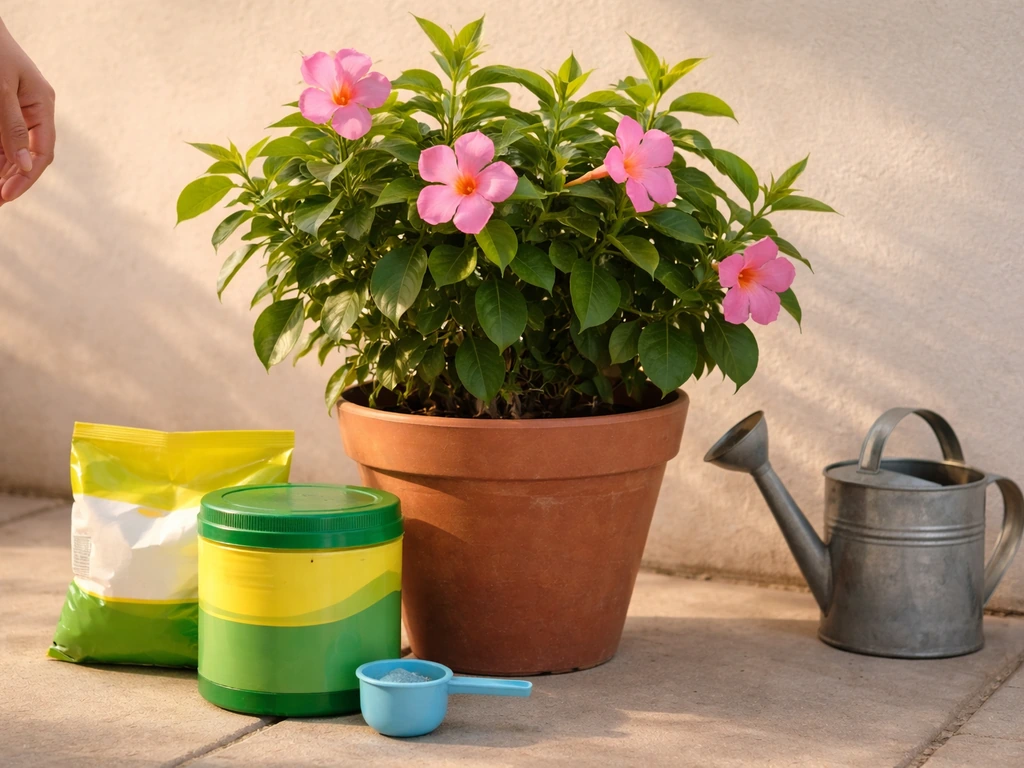
Yes, Miracle-Gro can be good for azaleas, but only if you pick the right product. The standard all-purpose Miracle-Gro (the classic blue crystals, 24-8-16) is not ideal for azaleas. The one you want is Miracle-Gro Water Soluble Azalea, Camellia, Rhododendron Plant Food, a 30-10-10 formula specifically designed for acid-loving plants. It includes iron, manganese, and zinc, which are exactly the micronutrients azaleas need and can struggle to absorb when soil conditions aren't right. Use that specific product correctly and your azaleas will benefit. Use the wrong one, or use it in alkaline soil, and you could make things worse.
Is Miracle-Gro Good for Azaleas? What to Use and When

Marcus Weir
26 Apr 2026
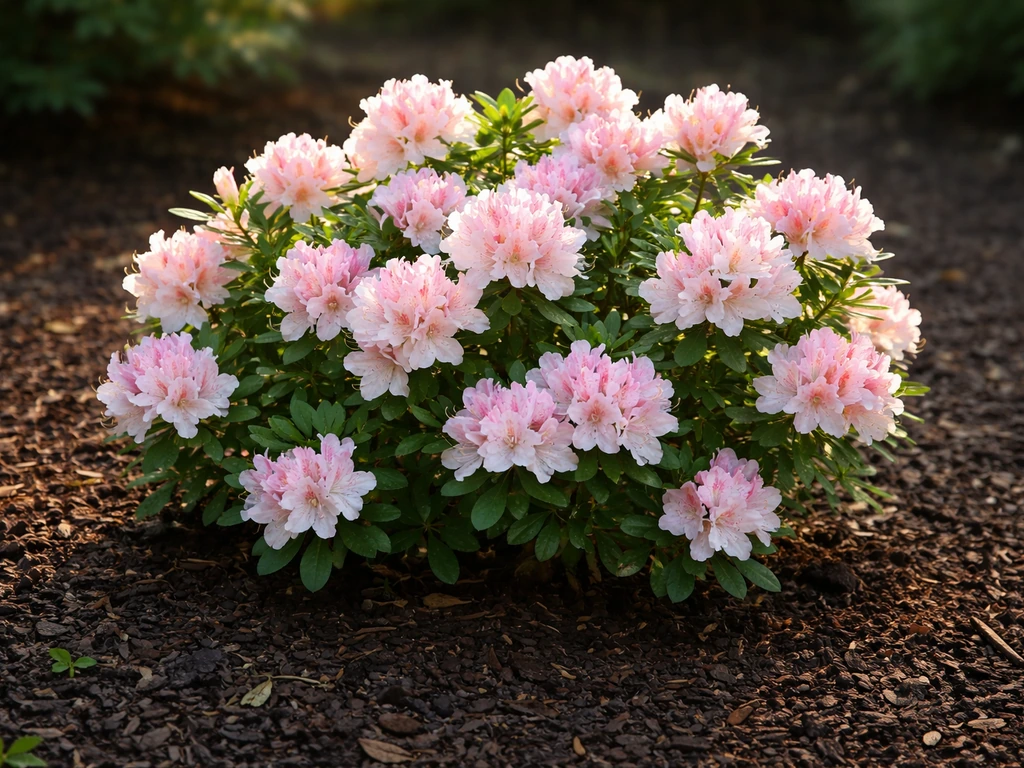
What azaleas actually need from their soil
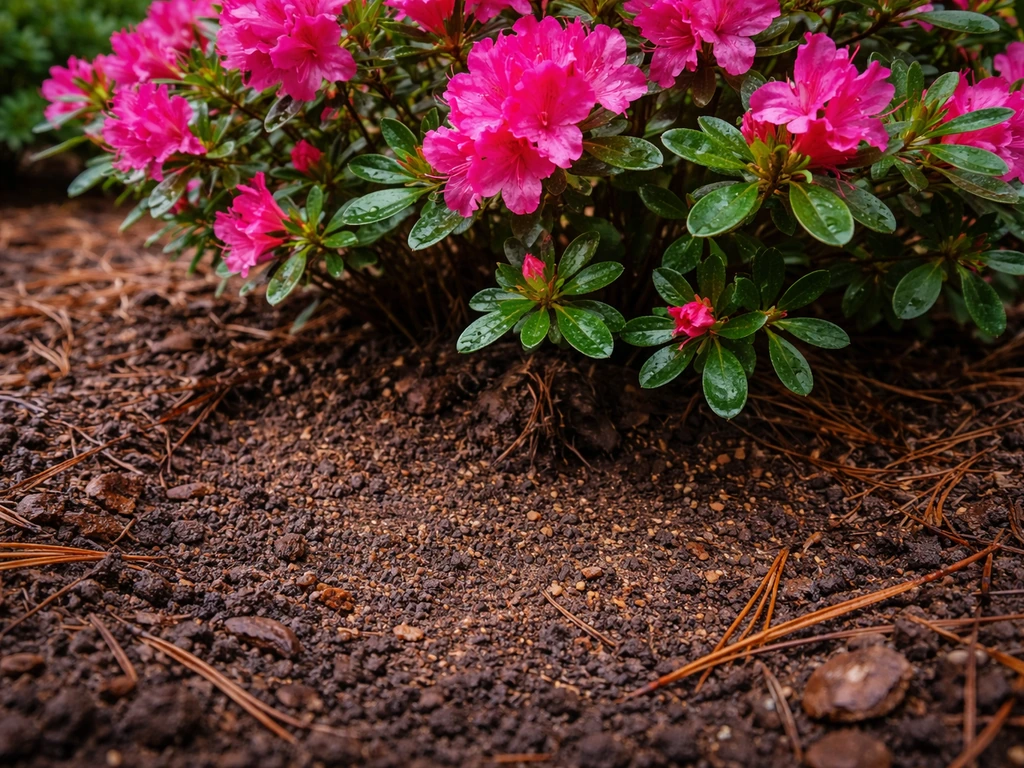
Before any fertilizer conversation makes sense, you need to understand what makes azaleas different from most shrubs. Azaleas need acidic soil, and I mean genuinely acidic: a pH between 4.5 and 6.0. The sweet spot most growers aim for is around 5.0 to 5.5. That might seem like a narrow target, but there's a real reason for it.
Soil pH controls how available nutrients are to plant roots. Iron is the big one for azaleas. When soil pH rises above 6.5, iron is often physically present in the soil but locked into a form the plant's roots can't absorb. Above pH 7.5, the situation gets worse fast, and azaleas become especially prone to iron deficiency. The same pH-related lockout affects nitrogen, sulfur, manganese, and zinc. So when an azalea looks pale, yellow, or just generally sad, the instinct is to feed it more fertilizer, but the fertilizer often isn't the issue. The pH is.
This is why soil pH testing isn't optional for azalea growers. The Azalea Society of America also recommends soil testing, often through County Extension, because azaleas are sensitive to soil conditions and chlorosis is linked to soil acidity soil pH testing isn't optional for azalea growers. It's the first step, not an afterthought. You can pour the best fertilizer in the world over an azalea in alkaline soil and get nothing useful from it.
Which Miracle-Gro products actually work for azaleas
Miracle-Gro makes a lot of products, and most of them are not formulated with azaleas in mind. Here's a quick breakdown of what you'll encounter and how they compare.
| Product | NPK Ratio | Suitable for Azaleas? | Notes |
|---|---|---|---|
| Miracle-Gro All Purpose Plant Food | 24-8-16 | Not ideal | No acid formulation; may raise soil pH over time with repeated use |
| Miracle-Gro Water Soluble Azalea, Camellia, Rhododendron Plant Food | 30-10-10 | Yes | Formulated for acid-loving plants; includes iron, manganese, and zinc |
| Miracle-Gro Shake 'N Feed Azalea, Camellia, Rhododendron | 10-8-6 | Yes | Slow-release granular option; feeds over time without frequent reapplication |
| Miracle-Gro Garden Soil for Acid-Loving Plants | Not a fertilizer | As a soil amendment | Helps create the right pH environment at planting time, not a standalone fertilizer |
The water-soluble 30-10-10 formula is the one Miracle-Gro themselves recommend for azaleas, and it's the right call for actively growing plants during the season. The granular Shake 'N Feed version is a good choice if you want lower-maintenance feeding since you apply it less frequently and it releases slowly. If you're unsure which form to use, consider your schedule: liquid feeding every 7 to 14 days during the growing season gives you more control and lets you see results faster, while granules suit gardeners who prefer to feed once and forget about it for a few weeks.
How to apply Miracle-Gro to azaleas without overdoing it
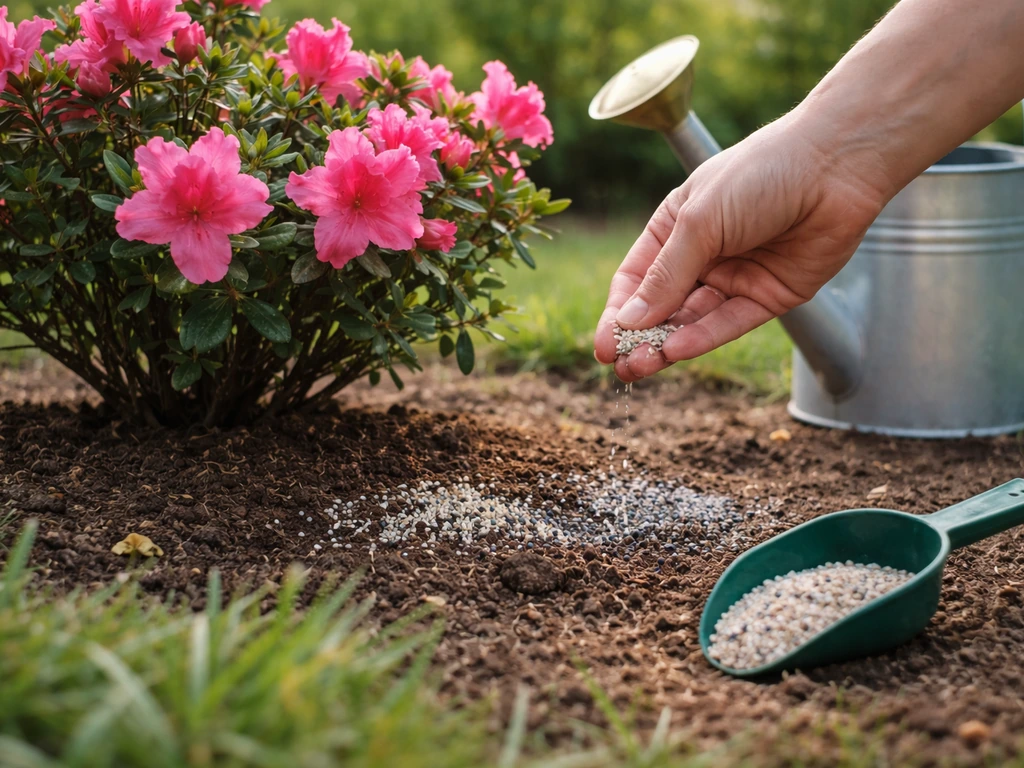
Timing: when to start and stop
Start feeding about one month after planting if you're putting in new azaleas. For established plants, begin feeding in spring as new growth emerges. The other key feeding window is right after flowering finishes. That post-bloom period is when the plant shifts energy toward building the next season's buds, so giving it a nutrient boost then pays off later.
Stop fertilizing by late summer, around early August at the latest in most climates. Feeding too late in the season pushes tender new growth that won't harden off before frost, which can damage the plant. OSU Extension Service advises stopping fertilizer by mid-July because late feeding can stimulate new growth that may not harden off before winter [Spring care tips keep rhododendrons and azaleas thriving](https://extension. oregonstate.
edu/news/give-rhododendrons-azaleas-annual-check-each-spring).
Application method and rates
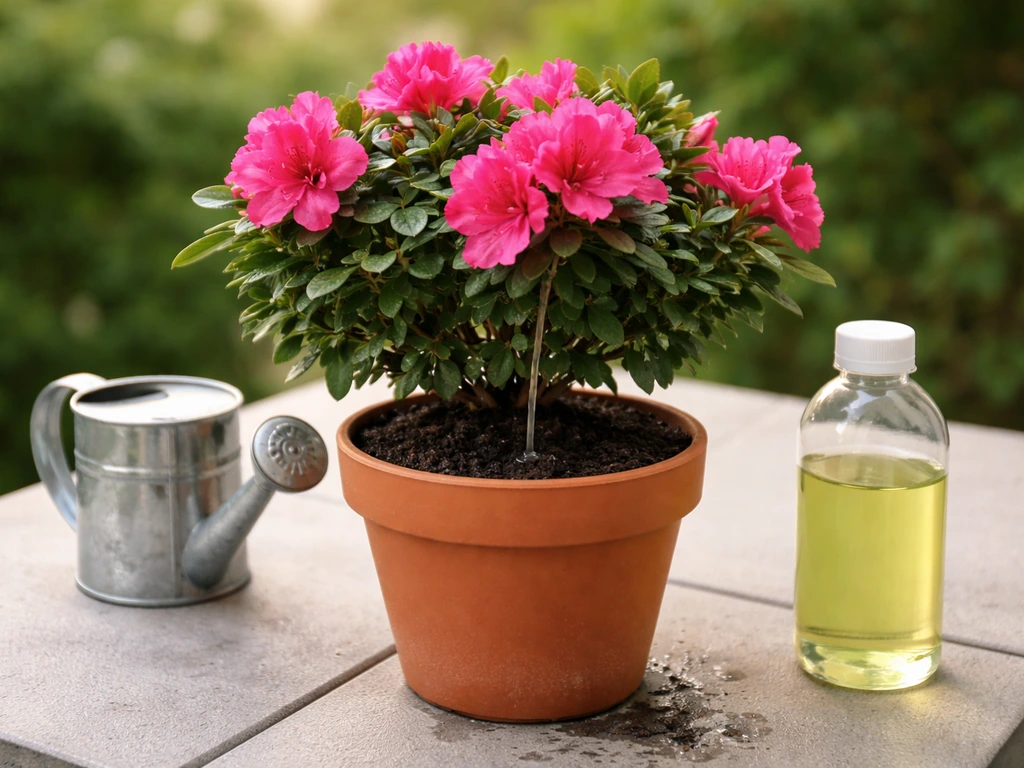
- Water the azalea thoroughly before applying any liquid fertilizer. Applying to dry soil or dry roots increases the risk of fertilizer burn.
- Mix the water-soluble formula according to label directions and apply with a Miracle-Gro Garden Feeder (hose-end applicator) or a watering can.
- Apply to the root zone, which extends out to the drip line (the outer edge of the plant's canopy) and sometimes a bit beyond. Don't just pour it at the base of the trunk.
- For the water-soluble product, feed every 7 to 14 days during the active growing season. The 1.5 lb bag covers approximately 600 square feet, so a little goes a long way for a few shrubs.
- For granular Shake 'N Feed, scatter evenly around the root zone and water in well immediately after application.
- After any feeding, water the area again lightly to move the fertilizer into the soil and away from the foliage and root crown.
One thing I always tell people: follow the label rate exactly, especially the first time. It's tempting to add a little extra when a plant looks stressed, but more fertilizer does not equal faster recovery. It often makes things worse.
Real risks: what can go wrong
Miracle-Gro is not a risk-free option for azaleas, and it's worth being honest about the ways it can cause problems.
- Wrong pH undermines everything: If your soil pH is above 6.5, even the azalea-specific formula won't deliver its full benefit. The iron and micronutrients in the fertilizer can't be absorbed when pH is too high. You'll keep feeding, the plant will keep looking bad, and you'll waste money.
- Overfeeding causes salt buildup: Synthetic fertilizers like Miracle-Gro are salt-based. Applying too much or too frequently builds up salts in the soil, which can damage the fine surface roots azaleas depend on. Symptoms look like drought stress: browning leaf tips and edges, wilting even when the soil is moist.
- Nutrient burn from dry application: Applying liquid fertilizer to dry soil or letting concentrated solution sit on foliage can cause leaf scorch. Always water first, water after.
- Late-season feeding causes cold damage: Nitrogen pushes soft new growth. New growth that forms in September or October in most of the US won't have time to harden before frost hits, leaving the plant vulnerable.
- Using all-purpose Miracle-Gro long-term: The standard formula is not designed for acid-loving plants. Repeated use can gradually work against the soil conditions azaleas need.
How to tell if it's working or if something's gone wrong
If your azaleas are responding well to feeding, you'll see deep green, glossy foliage within a few weeks and strong bloom production the following season. New growth will be vigorous but not spindly. The plant will look, in simple terms, healthy.
If something's off, here's how to read the symptoms:
| Symptom | Likely Cause | What to Do |
|---|---|---|
| Yellowing leaves with green veins (interveinal chlorosis) | Iron deficiency, usually from high pH | Test soil pH; amend if above 6.0; consider foliar iron spray for quick temporary relief |
| Brown, crispy leaf tips and edges | Fertilizer salt burn or drought stress | Flush soil with deep watering; reduce fertilizer frequency |
| General yellowing of older leaves | Nitrogen deficiency or pH lockout | Test pH first; if pH is correct, apply a diluted feeding |
| Wilting despite moist soil | Root damage from overfeeding or salt buildup | Stop feeding; water deeply to flush salts; check root zone for damage |
| No improvement in color after feeding | pH is the underlying problem, not nutrition | Soil test is essential; amend pH before reapplying fertilizer |
| Weak, soft new growth in fall | Late-season feeding with too much nitrogen | Stop all feeding; protect vulnerable growth from frost |
One thing worth knowing: if you see interveinal chlorosis (the yellow-between-the-veins pattern) on young leaves, that's almost always iron deficiency driven by pH. A foliar spray with chelated iron can give the plant quick, temporary relief while you address the underlying soil issue, but it's a bandage, not a fix. The fix is correcting pH.
Your decision guide and next steps right now
Step 1: Test your soil pH before you buy anything
A basic soil pH test kit from a garden center costs a few dollars and takes five minutes. Your local cooperative extension service often offers more detailed soil testing for a small fee and will give you amendment recommendations specific to your region. Don't skip this step. Everything else depends on it.
Step 2: Fix pH if it's off
If your soil is above pH 6.0 to 6.5, you need to bring it down before fertilizing will help. The two most practical options are iron sulfate and agricultural sulfur. Iron sulfate acidifies quickly and also supplies iron directly. Sulfur acidifies more slowly but is effective over time. Missouri Extension suggests that lowering pH by about one unit generally requires an amendment like these, applied and worked into the root zone. Avoid lime and wood ash entirely, both of which raise pH and are the opposite of what azaleas need.
Step 3: Choose the right Miracle-Gro product
If your pH is in the right range (4. Arborvitae also prefer balanced nutrients, but Miracle-Gro isn't a one-size-fits-all solution, so make sure you match the product and soil needs. 5 to 6.0), go with Miracle-Gro Water Soluble Azalea, Camellia, Rhododendron Plant Food (30-10-10) for in-season feeding. Apply every 7 to 14 days during active growth. If you want a lower-effort option, the Shake 'N Feed granular version for acid-loving plants is a reasonable alternative. Either way, do not use the all-purpose blue Miracle-Gro formula on azaleas as your primary fertilizer.
Step 4: Consider alternatives if Miracle-Gro doesn't feel right
Miracle-Gro is convenient and widely available, but it isn't your only option. Organic alternatives like Holly-Tone (an Espoma product formulated for acid-loving plants) release nutrients slowly and improve soil biology over time, which can be a better long-term strategy, especially if you've had salt buildup issues. Cottonseed meal is another organic acidifying fertilizer that works well worked into mulch around azaleas. If you are asking whether Miracle-Gro is good for pachysandra, the same idea applies: check your soil pH and choose a product that fits the plant’s needs rather than assuming any fertilizer will help Miracle-Gro good for pachysandra.
If you're also growing other acid-loving shrubs like ferns, boxwoods in acid soils, or arborvitae, the same pH-first principle applies across the board. To get boxwoods to grow together, focus on getting the spacing and pruning right and keep consistent watering and soil conditions so each plant can fill in without being stressed how to get boxwoods to grow together.
Junipers also do best when you use the right fertilizer for their soil needs rather than a one-size-fits-all product acid-loving shrubs. If you're also wondering whether Miracle-Gro is good for arborvitae, use the same pH-first approach and choose a fertilizer that matches what the plant needs. If you are wondering whether Miracle-Gro is good for pachysandra, it comes down to matching the product to the plant’s nutrient and soil needs.
Boxwoods generally do best in similarly acidic soil, so testing pH is the first step if you want them to grow together into a dense hedge boxwoods in acid soils. Boxwoods generally do best in similarly acidic soil, so testing pH is the first step if you want them to grow together into a dense hedge boxwoods in acid soils. Ferns also prefer appropriately acidic soil, so the same pH-first approach helps Miracle-Gro perform better for them. If you’re wondering whether Miracle-Gro is good for ferns, keeping the right soil pH is the key factor Miracle-Gro perform better for them.
The bottom line
Miracle-Gro is genuinely good for azaleas when you use the azalea-specific formula in soil that's already at the right pH. Boxwoods have different needs than azaleas, so check whether the Miracle-Gro product you’re using matches boxwood nutrient and pH requirements. The product is well-formulated and includes the micronutrients azaleas actually need. Where people run into trouble is either using the wrong Miracle-Gro product, skipping the pH check, or overfeeding in an attempt to fix problems that are fundamentally pH-related. Get the pH right first, use the right formula, follow label rates, time your feedings around bloom cycles, and Miracle-Gro will do its job well.
FAQ
Can I use Miracle-Gro on azaleas if I do not know my soil pH yet?
Usually no. Miracle-Gro’s all-purpose blue 24-8-16 can push azaleas the wrong way because it is not formulated for acid-loving nutrient uptake, and it lacks the specific micronutrient blend azaleas need. If you use Miracle-Gro, match it to the azalea-specific 30-10-10 water-soluble (or the corresponding acid-loving granular) and still rely on a soil pH that is in range.
What if my azalea looks yellow, does that mean I should fertilize more?
Add fertilizer only after a pH test or at least assume you may need to adjust pH first. If your soil is above about 6.0 to 6.5, feeding often won’t correct the real issue, nutrient “lockout” does. A fast compromise is to test first, then fertilize once you know whether you must acidify.
My azaleas have yellowing between veins on new leaves, what should I do first?
In that case, do not rely on more fertilizer. Interveinal chlorosis on new leaves typically points to iron deficiency driven by pH, so the most effective next step is correcting soil pH and then, if you need quick cosmetic improvement, you can use chelated iron as a temporary foliar bandage.
Is it okay to fertilize azaleas again in late fall if they are still growing?
Yes, but timing matters. Continue feeding only through the active growth period, then stop by late summer (around early August in many climates). If you keep feeding into fall, you can stimulate tender growth that will not harden off before frost.
Will foliar iron make azaleas green again permanently?
Foliar feeding with chelated iron can help quickly, but it does not replace the underlying pH problem. Treat it as short-term relief while you adjust the soil with acidifying amendments (like iron sulfate or sulfur) and recheck pH later to confirm it is staying in the target range.
How can I tell if I over-fertilized my azaleas with Miracle-Gro?
Overapplication is a common mistake. Follow the label rate exactly, especially the first season. Too much fertilizer can stress roots, increase salt buildup, and create a situation where leaves look “burned” or the plant becomes less vigorous even though you fertilized.
If I choose the granular Shake ’N Feed type, how do I know it is working properly?
It can be, because granular products may release nutrients differently based on moisture and soil conditions. If your goal is tight control, use the water-soluble form every 7 to 14 days during active growth, and keep an eye on results rather than sticking blindly to a calendar.
Does Miracle-Gro work differently for azaleas in containers?
Watch for salt buildup and poor drainage, especially in containers. If you are growing azaleas in pots, use the labeled container guidance, do not exceed label rates, and periodically flush the pot with water to reduce salt accumulation that can worsen nutrient uptake.
My soil test shows pH is above 6.5, should I acidify first or fertilize first?
If your pH is too high, do not start by fertilizing, start by acidifying and then reassess. Iron sulfate or agricultural sulfur can help, but you typically need time for the soil chemistry to shift, then you retest pH before continuing a fertilizer routine.
Can I add lime or wood ash to “help” azaleas if the leaves look unhealthy?
Yes. If you plan to lower pH, avoid lime and wood ash because they raise pH, which directly counteracts what azaleas need. Stick to acidifying amendments and recheck pH after an interval that matches how quickly your amendment works.
Next Article
Is Miracle-Gro Good for Mandevilla? How to Feed It Safely
Yes, Miracle-Gro can feed mandevilla safely. Get correct NPK choice, dilution, schedule, and signs to avoid burn.