The Aztecs grew maize (corn), beans, squash, chili peppers, tomatoes, and seed amaranth on their chinampas. Those six crops are the most thoroughly documented, and they were not grown by accident. Each one was chosen because it thrived in the specific conditions chinampas created: rich organic soil, constant moisture wicking up from below, and a warm, open microclimate above shallow water. If you want to understand why those crops worked, or how to replicate that system in your own garden today, the soil and water mechanics are the real story.
What Did the Aztecs Grow on Chinampas? Main Crops and How to Replicate Them

Marcus Weir
16 Apr 2026
What chinampas are and why they worked so well
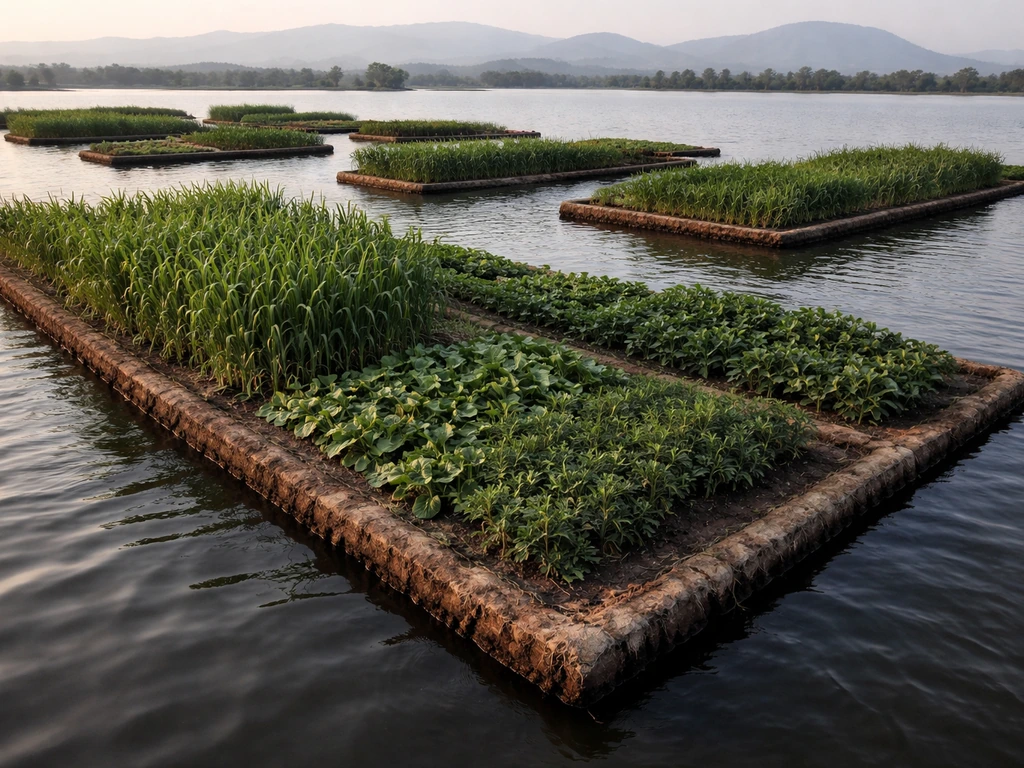
Chinampas are small, rectangular raised beds built directly on shallow lake bottoms in the Valley of Mexico. The Aztecs stacked lake-bottom sediments, branches, and decaying aquatic vegetation into narrow strips, separated each strip with a canal, and repeated that grid pattern across thousands of acres of lake. The result was an intricate network of fertile crop beds surrounded by water on all sides. Historical records, including dimensions reconstructed from the Codex Vergara, show these beds were long and narrow, roughly 10 meters wide in many cases, with canals just 1 to 3 meters wide running between them. The beds sat only about 20 to 70 centimeters above the waterline, and in some archaeological examples in Xochimilco, the surface was just 30 centimeters above the water surface.
That modest elevation above the water was not a design flaw. It was the whole point. With the crop bed sitting that close to the canal, water could wick upward through the soil by capillary action, constantly feeding moisture into the root zone without any rainfall or irrigation infrastructure. The beds were also loaded with organic matter, since lake sediment and decomposed plant material were layered in during construction and replenished regularly by mucking canal bottoms. High organic matter holds water like a sponge and makes capillary rise work even better. The system essentially built its own sub-irrigation into the soil structure. Engineers of the era also added dikes and sluice gates to control flooding, meaning the farmers had real water management tools, not just a lucky geography.
The economic importance of chinampas cannot be overstated. They were a central pillar of Aztec food production, sitting close to the capital Tenochtitlan and capable of producing multiple harvests per year because the soil never dried out and fertility was continuously renewed. That kind of intensive, year-round production on small plots is what made them such a powerful agricultural model.
The main crops the Aztecs grew on chinampas
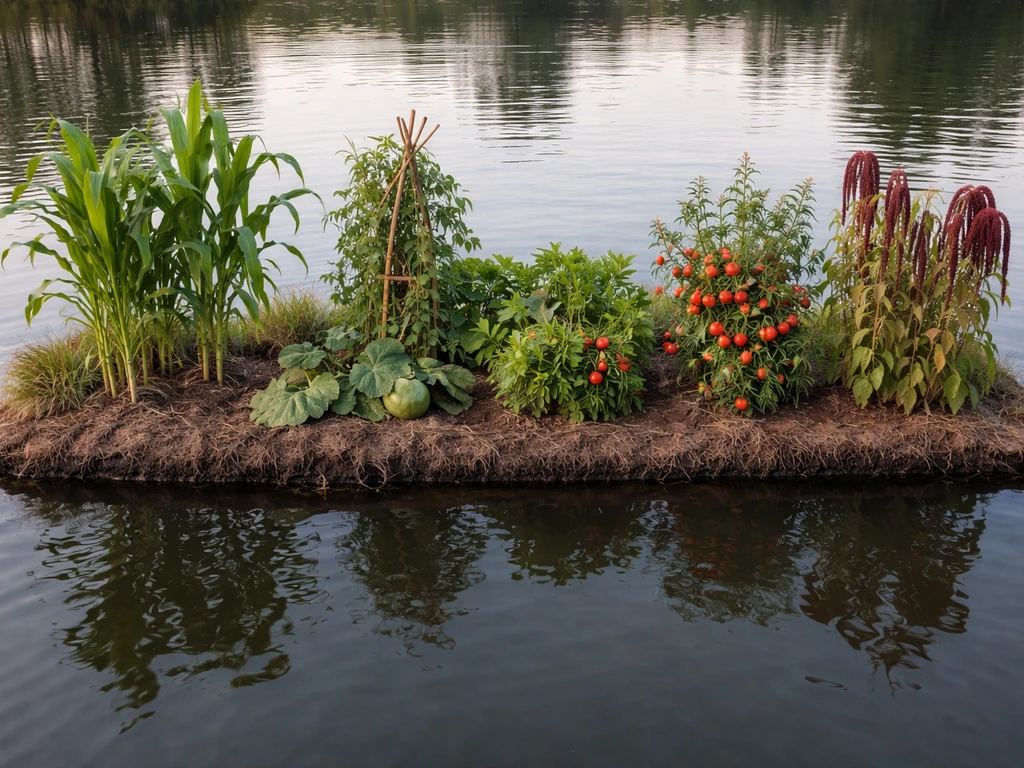
Historical documentation consistently points to six core crops: maize, beans, squash, chile, tomatoes, and seed amaranth. These show up repeatedly across scholarly reconstructions and are supported by both written records and palynological (pollen) evidence from archaeological chinampa sites. The FAO notes that over time, chinampa production actually diversified away from pure maize dominance toward a wider vegetable mix including chile, tomato, and squash, which tells you those vegetables were particularly well-suited to the conditions.
- Maize (corn): The caloric foundation, grown in hills or rows and also used as a living trellis for beans.
- Common beans: Nitrogen-fixing climbers that used maize stalks for support and enriched the soil.
- Squash (various types): Sprawling plants that shaded the ground, reduced evaporation, and suppressed weeds.
- Chili peppers: Heat-loving vegetables that thrived in the warm, moist, fertile chinampa soil.
- Tomatoes: Close relatives of modern garden tomatoes; performed well in organically rich, consistently moist beds.
- Seed amaranth: A highly productive grain and leafy green that tolerated wet-fertile conditions and was a major Aztec food staple.
Flowers were also cultivated on chinampas, particularly for ceremonial use and trade in the markets of Tenochtitlan, though the six crops above were the core food-production focus. It is worth noting that this same combination of crops overlaps significantly with what other sophisticated early agriculturalists relied on. For instance, what the Anasazi grew in the American Southwest included maize, beans, and squash as well, which shows how broadly this crop trio dominated Indigenous North and Mesoamerican food systems.
Growing conditions on chinampas: water, soil, and nutrients
Understanding the soil chemistry helps explain why these crops thrived. Chinampa soils are extraordinarily high in organic matter, with measured total nitrogen values in the range of 5.92 to 6.17 grams per kilogram, which is far higher than most conventional garden soils. That nitrogen came from layered lake sediments, decomposed aquatic vegetation, and the continuous practice of pulling mud from canal bottoms and spreading it on the crop surface. Phosphorus availability in chinampa soils also benefits from periodic waterlogging: when soil is inundated, phosphorus becomes more soluble and diffuses more readily into the root zone, which is a significant fertility bonus for crops like maize and squash that are heavy phosphorus users.
The capillary sub-irrigation mechanism is the key physical advantage. Because the raised beds are only slightly above the canal water level, and because the soil is rich in organic matter that supports fine pore structure, water moves upward from the canal into the rhizosphere (the root zone) continuously. This means the soil stays evenly moist during dry periods without the farmer needing to manually irrigate. In practical terms, you get drainage (because the bed is raised above standing water) and moisture retention (because capillarity keeps the root zone damp) at the same time, which is exactly what heavy-feeding crops like maize, tomatoes, and chili peppers want.
Soil structure in chinampas is also layered rather than uniform. Distinct strata of sediment, organic material, and plant residues stack up over time, creating zones with different drainage rates and nutrient profiles. That stratification supports diverse root depths and helps different crops coexist in the same bed without competing destructively for the same narrow resource band.
How Aztec companion crops fit chinampa beds
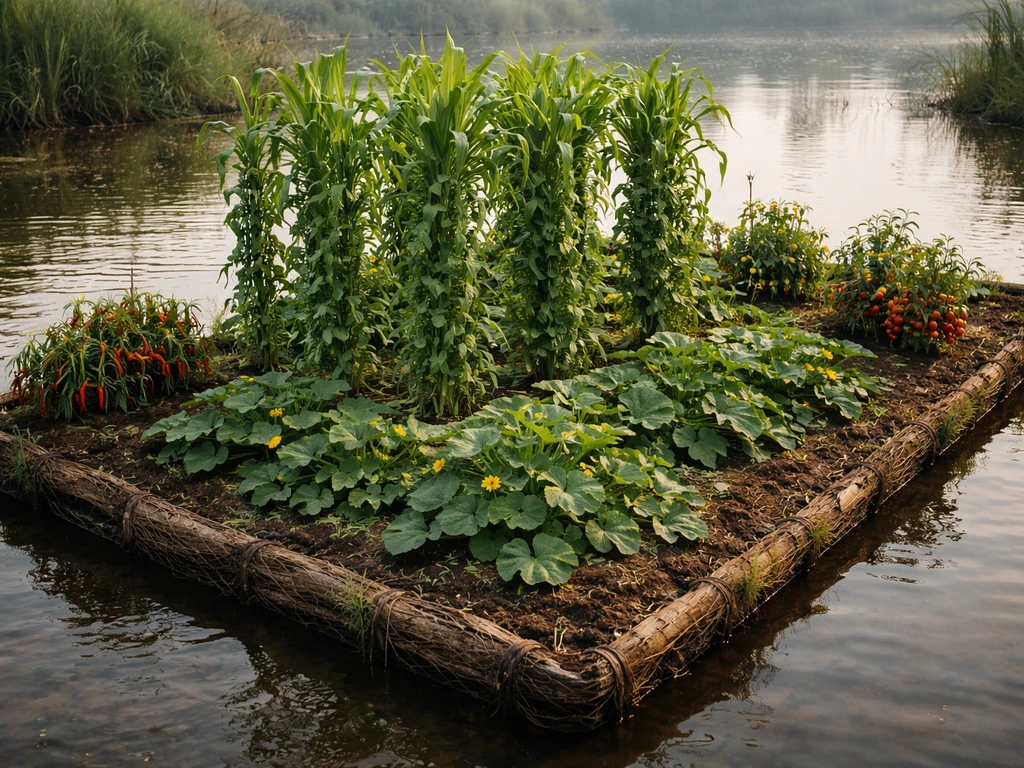
The combination of maize, beans, and squash planted together was not a random choice. It is one of the most ecologically logical crop combinations ever developed, and chinampas were almost purpose-built for it. Maize grows tall and fast, providing a vertical structure for beans to climb. Beans fix atmospheric nitrogen in their root nodules, feeding the soil and benefiting the nutrient-hungry corn and squash growing beside them. Squash spreads low and wide, shading the soil surface, reducing moisture evaporation, and making it harder for weeds to establish. On a narrow chinampa bed surrounded by canal water, that living mulch function of squash was especially valuable because it helped the bed retain the capillary moisture the system depended on.
Chili peppers and tomatoes were often grown in their own sections or interplanted where taller crops left gaps. Both are relatively compact plants that do not compete aggressively for vertical light, making them good candidates for the edges of a chinampa bed where light from the open canal could reach them. Amaranth, which can grow quite tall, may have been planted in blocks or alternated with maize to take advantage of similar spacing needs.
This kind of intensive polyculture is philosophically different from modern monoculture rows. The chinampa beds were designed to support multiple species at once, each filling a different ecological niche. If you are already familiar with container or small-space planting, this layered approach has a lot in common with how experienced growers think about what else you can grow alongside a primary crop to maximize yield from a limited footprint.
How to grow chinampa-style today: setup and water and soil management
You do not need a lake to grow chinampa-style. The core principles translate directly to a backyard raised bed, a small farm row, or even a large container setup. The goal is to replicate two things: a highly organic, layered soil profile, and a root zone that stays consistently moist without becoming waterlogged.
Building your bed
- Choose a raised bed at least 20 to 30 centimeters deep. Deeper is better for maize and squash roots.
- Fill the bottom third with a mix of compost, aged wood chips, and any available aquatic plant material (pond weeds, water hyacinth, or even soaked straw work as analogs to the lake vegetation the Aztecs used).
- Fill the middle third with a rich compost and topsoil blend, targeting high organic matter content. Aim for a dark, spongy texture rather than a sandy or heavy clay mix.
- Top with a finer layer of compost mixed with garden soil. This is your seeding surface.
- If possible, position your raised bed near a low-lying area, rain barrel, or irrigation line so the bottom of the bed can stay consistently moist.
Managing water the chinampa way
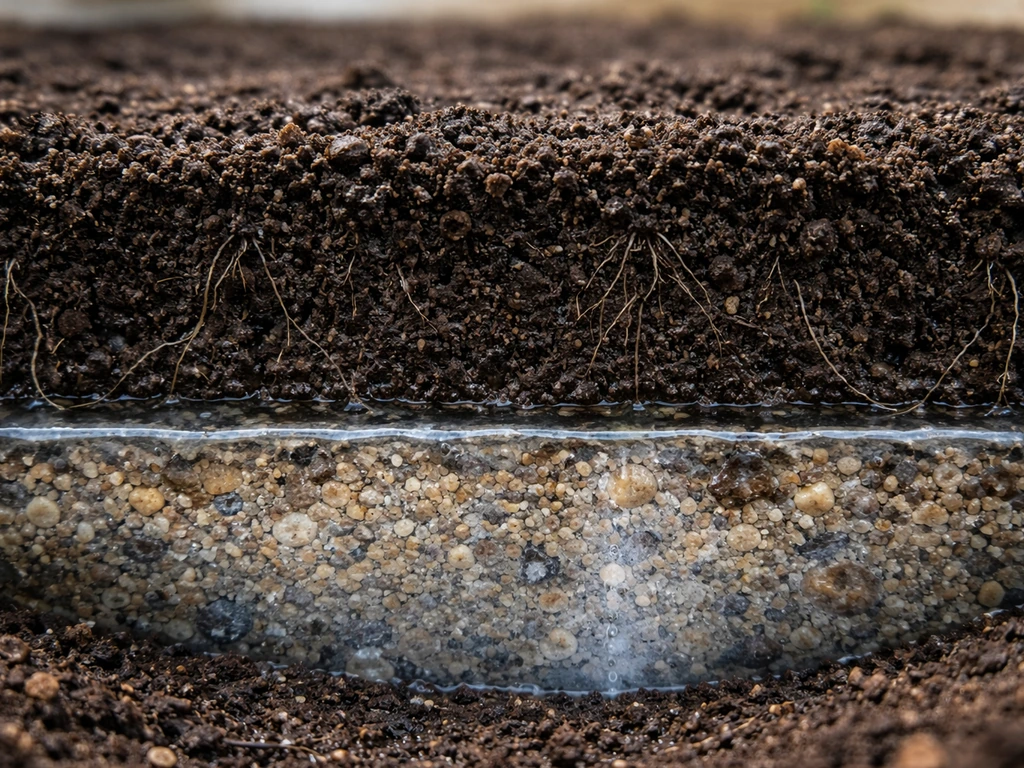
The chinampa's secret was sub-irrigation by capillarity, where water wicks up from below rather than being poured on top. You can replicate this in a modern raised bed by keeping the bottom of the bed consistently damp while allowing the surface to dry slightly between waterings. A drip irrigation line running along the base of the bed, or a self-watering raised bed insert, mimics the capillary fringe that chinampa crops depended on. The critical rule from chinampa science is: do not let the capillary fringe drop below the root zone. That means checking soil moisture at 10 to 15 centimeters depth and watering before that zone dries out, even if the surface looks fine. Modern gardeners can also reduce reliance on capillarity entirely by using drip or mechanical irrigation, which is a practical adaptation for drier climates.
For fertility inputs, the chinampa equivalent is a top-dressing of compost or well-aged manure applied every four to six weeks during the growing season. If you have access to pond or lake sediment, even better. That practice of continuously adding organic matter from the canal bottom is what kept chinampa soils productive for centuries without synthetic fertilizers. Think of it as the original "feed the soil, not the plant" approach. This concept of creative fertility sourcing is also relevant when repurposing garden structures: growers who try to grow in an old chiminea or other repurposed containers face similar challenges around organic matter buildup and drainage management.
Soil and structure comparison: chinampa vs. modern raised bed
| Feature | Traditional Chinampa | Modern Raised Bed Equivalent |
|---|---|---|
| Bed height above water/ground | 20–70 cm above lake surface | 20–40 cm raised bed depth |
| Primary soil material | Lake sediment + aquatic vegetation layers | Compost + topsoil + aged organic matter |
| Water supply method | Capillary rise from canal | Drip irrigation or self-watering insert |
| Fertility renewal | Canal mud applied to surface regularly | Compost top-dressing every 4–6 weeks |
| Drainage | Canal water drains excess, dikes control floods | Raised bed sides + drainage holes |
| Soil nitrogen content | ~5.92–6.17 g/kg (very high) | Target >3 g/kg with heavy compost inputs |
| Planting style | Polyculture, companion planting | Companion planting, interplanting |
Crop plan and seasonal planting guidance for modern gardeners
If you want to run a chinampa-inspired planting season, the crop list and timing below will get you started in most temperate climates with a growing season from late spring to fall. Adjust for your last frost date, but the sequencing logic stays the same.
Early season (4–6 weeks before last frost)
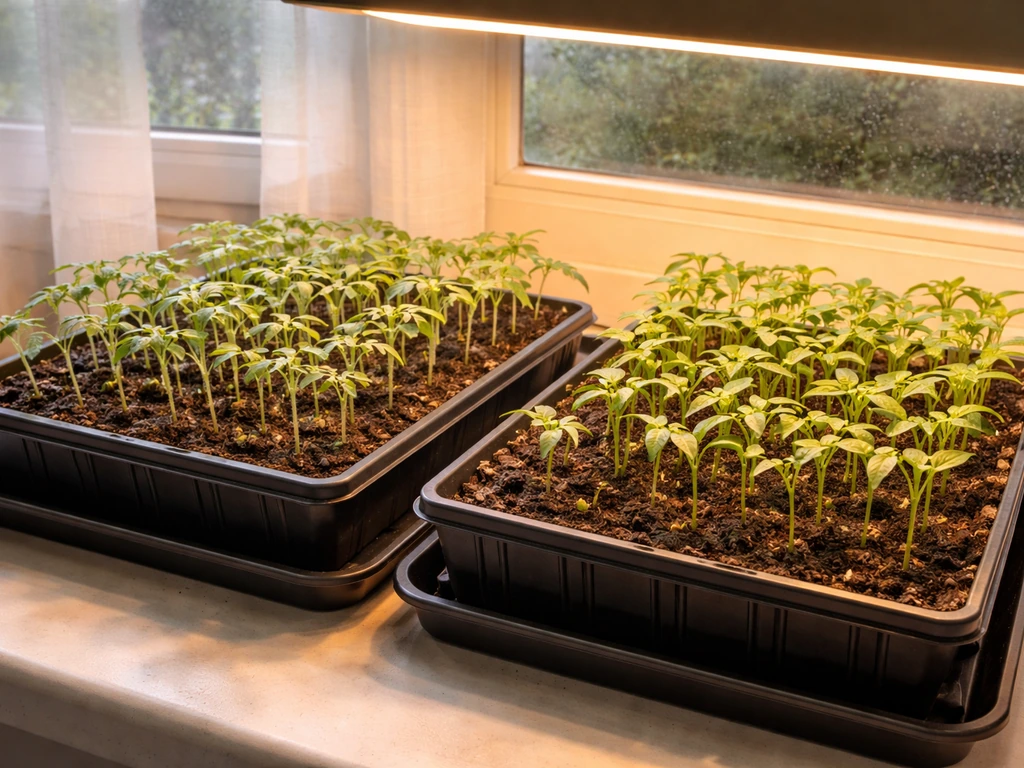
- Start tomatoes and chili peppers indoors. Both need 6 to 8 weeks of indoor growth before transplanting, and they love the warm, moisture-rich conditions you will be setting up.
- Start seed amaranth indoors or direct sow after frost risk passes. It germinates quickly (within 7 to 10 days) and grows fast once soil warms above 18°C.
- Prepare your raised bed with the layered organic matter described above. Apply a first round of compost and soak the bed thoroughly to start building your moisture profile.
Main planting (at or just after last frost)
- Direct sow maize in hills of 3 to 4 seeds, spaced roughly 30 cm apart within the hill and 60 to 90 cm between hills. This mimics the traditional hill-planting spacing common in Mesoamerican agriculture.
- Sow beans around each maize hill once the corn is about 15 cm tall (roughly 2 weeks after germination). Plant 4 to 6 bean seeds per hill, 10 cm from the corn base.
- Transplant squash seedlings or direct sow squash seeds between the hills once beans are up. One squash plant per every two corn hills is a good density.
- Transplant tomatoes and chili peppers into their designated sections of the bed after your last frost date. Give them 45 to 60 cm of spacing and stake tomatoes immediately.
Mid-season care (weeks 4–10)
- Top-dress with compost at week 4 and again at week 8. Work it gently into the surface without disturbing roots.
- Monitor soil moisture at 10 to 15 cm depth every 2 to 3 days. Water before that zone dries out completely.
- Thin amaranth to one strong plant per 30 cm if you direct-sowed thickly. It competes aggressively once established.
- Watch for squash coverage: once it spreads, it acts as your living mulch and reduces your watering frequency naturally.
Late season and harvest (weeks 10–20)
- Harvest chili peppers and tomatoes continuously from week 10 onward to extend the fruiting period.
- Maize is typically ready 60 to 100 days from planting depending on variety. Harvest when the silk turns brown and kernels are plump.
- Beans can be harvested as green beans from week 8 or left to dry on the vine for dry beans by week 14 to 16.
- Squash can be harvested young as summer squash or left to mature into winter storage squash.
- After the season, chop all plant residue (except any diseased material) and dig it into the bed surface. This is your version of the Aztec canal-mud application: returning organic matter to the soil to rebuild fertility for next year.
One thing that surprises most gardeners trying this system for the first time is how low-maintenance it becomes once the soil organic matter builds up. After two or three seasons of heavy compost inputs, the bed starts to hold moisture on its own for longer periods, and fertility issues become rare. That is exactly what the archaeological record shows in chinampa soils: centuries of layered organic matter creating a self-sustaining fertility engine. The system rewards patience and consistency over any single dramatic intervention.
It is also worth thinking about scale creatively. Chinampa-style principles are not limited to traditional soil beds. Growers experimenting with unconventional setups, like those exploring whether a chinchilla-inspired garden concept can be mimicked in small spaces, often find that the same core ideas apply: layered organic inputs, controlled moisture, and companion planting are what drive productivity regardless of the container or structure you use.
The Aztecs did not grow those six crops on chinampas by tradition alone. They grew them because the system and the crops were a near-perfect match: high organic matter for nutrient-hungry feeders, constant capillary moisture for water-sensitive stages like pollination and fruit set, and a polyculture structure that let each plant support the others. Replicate those conditions, even approximately, and you will get results that feel surprisingly close to what made chinampas one of the most productive farming systems in human history.
FAQ
Did the Aztecs grow only those six crops on chinampas?
Not necessarily. The six crops described as core are the best-documented food staples, but chinampa systems were dynamic, with plantings shifting by season, market demand, and local water conditions. Some areas also emphasized flowers and other vegetables over time, so a modern “replication” should treat the six listed crops as a starting framework, not a strict rule set.
How should I arrange maize, beans, and squash on a chinampa-style bed?
Beans and squash were not just partners, they were timing and spacing helpers. If you are trying the traditional maize-beans-squash logic, sow corn first (or very early), then establish beans shortly after so they can climb, while using squash as a ground cover once the bed can shade down weed growth. Keeping squash from choking young corn is easier if you train corn early and do not overpack plants.
Can I grow tomatoes and chilies on chinampa-inspired raised beds without causing waterlogging?
Yes, but only if you manage moisture so the root zone stays near the capillary fringe without staying saturated all the time. In backyards, use frequent checks at 10 to 15 cm depth, and ensure drainage pathways exist below the bed. If waterlogged conditions persist, phosphorus benefits can turn into oxygen stress for roots, especially for tomatoes.
Is seed amaranth straightforward to include, and where should it go in a mixed planting?
Amaranth can be grown, but it is easy to under-sow or crowd it. Since it can get quite tall, treat it like a separate block or edge planting rather than mixing it densely through the maize. Consider rotating amaranth beds year to year, because high-biomass leafy crops can deplete specific micronutrients faster than maize and squash.
What’s the most common error when gardeners try to mimic chinampa moisture?
A common mistake is watering based on the surface instead of the root zone. The chinampa advantage comes from maintaining moisture upward movement, so the soil surface drying slightly is fine, but the 10 to 15 cm zone should not drift too dry. Use a moisture meter or do consistent manual checks (finger probe or small soil core) before you add more water.
Do I need to start with chinampa-level soil, or can I build it over time?
High-organic, layered soil is the backbone, so if you start with low-organic garden soil, the system will feel “finicky” for a while. Plan on building fertility for at least one or two growing seasons using repeated compost top-dressings, and keep soil structure intact (avoid over-tilling). Once organic matter builds, the moisture buffering effect improves noticeably.
How do I replicate chinampa capillary sub-irrigation if I do not have canals?
You can adapt capillary sub-irrigation, but the method changes by bed type. For raised beds, a self-watering insert or a drip line run near the base can help maintain a damp lower zone. The key is controlling the lower boundary moisture so the capillary fringe remains within the rooting depth, while still allowing excess drainage.
Can I rely on synthetic fertilizer instead of compost and manure for chinampa-inspired gardening?
Yes, but the “feed the soil” approach still matters. If you add lots of mineral fertilizer without building organic matter, you may get quick early growth but less stable moisture retention, which undermines the chinampa-like low-maintenance benefit. Use compost or well-aged manure top-dressings on a regular cadence, then add targeted nutrients only if soil tests show a specific deficiency.
What if I want to use different crops but keep the same chinampa system idea?
You can, but the crop combo tolerates changes better than the water-management part. If you swap maize for another tall grass crop or replace squash with a different ground-cover cucurbit, keep the roles consistent (vertical support for a climbing legume, soil shading, and a rooting depth mix). However, avoid replacing legumes with non-legumes, since nitrogen fixation is a big part of why the classic trio works so well together.
Do chinampa-style beds require crop rotation, and how should I rotate in a small garden?
Rotation helps prevent buildup of pests and specific nutrient depletion, even in a small, intensively managed bed. A practical approach is to rotate maize and tomatoes out at least every couple of seasons, and keep squash coverage frequent but not always in the exact same spots. Include rest or cover-crop phases if disease pressure rises or yields drop.
Next Article
Does Mint Grow Flowers? Timing, Care, and Harvest Tips
Yes, mint flowers. Learn which types bloom, when to expect it, how to spot flowers, and how to encourage or remove buds.