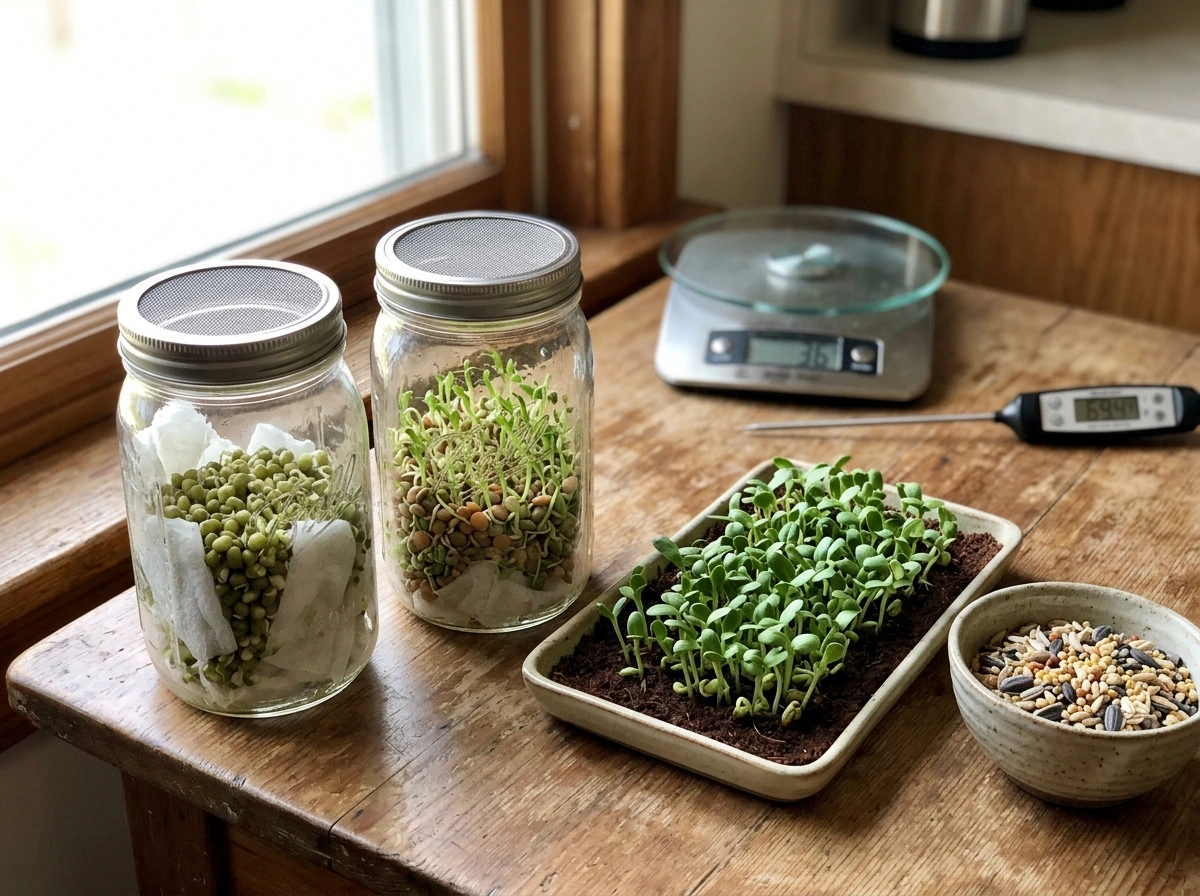
Yes, wild bird seed can germinate and grow if you plant it, but your success rate depends heavily on what's actually in the mix and how fresh it is. Some seeds in a typical wild bird blend, like sunflowers and millet, sprout reliably. Others, like processed or hulled seeds, are essentially dead before they hit the bag. So planting a scoop of wild bird seed is really planting a mystery mix with uneven odds. Here's how to figure out what you've got and how to get the most out of it.
Will Wild Bird Seed Grow If Planted? Germination Test & Tips

Marcus Weir
3 May 2026
What's actually inside wild bird seed (and why it matters)
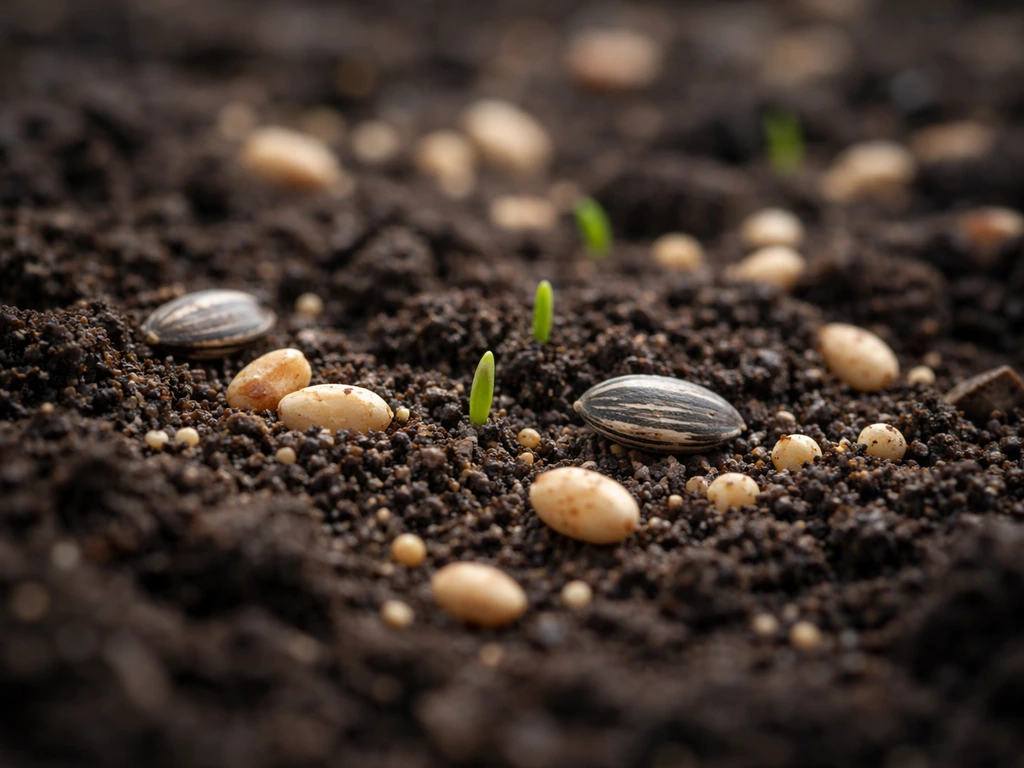
Commercial wild bird seed mixes aren't a single product. They're a blend of whatever was cheapest and most appealing to birds at the time of packing, and that composition varies a lot by brand and price point. Understanding what's in there tells you a lot about what will and won't sprout.
Most blends contain some combination of the following:
- Sunflower seeds (black oil or striped): usually whole and viable, good germination potential
- White proso millet: small, round, and often germinates readily if fresh
- Safflower seeds: viable whole seeds, can sprout but germinate slowly
- Cracked corn: split kernels that are already damaged and will not germinate
- Hulled or shelled seeds: any seed with its hull removed is no longer viable
- Milo (sorghum): viable if whole, but often a filler birds mostly ignore
- Nyjer (thistle) seed: frequently heat-sterilized before sale to prevent spreading invasive plants, meaning it won't grow at all
The hulled and cracked seeds are the key issue. Many budget blends bulk up with cracked corn and hulled sunflower chips because they're cheaper and birds eat them easily, but those seeds are biologically incapable of sprouting. Nyjer seed is a special case worth noting: it's often deliberately sterilized by importers under USDA requirements, so even though it looks like a whole seed, it reliably produces nothing. If you're curious what nyjer would grow into under other circumstances, that's a separate rabbit hole worth exploring.
The bottom line: a higher-quality mix with whole, unhulled seeds gives you a much better shot at germination. A bargain-bin mix heavy on cracked corn and hulled seeds may produce almost nothing no matter what you do.
Test germination at home before you bother planting
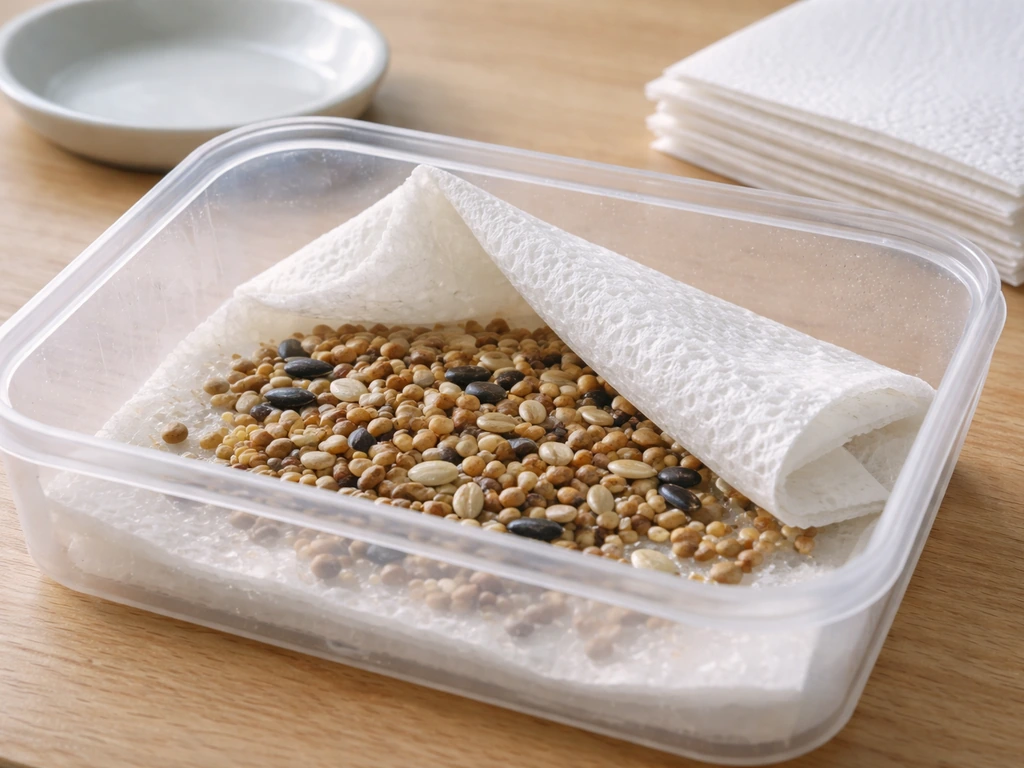
Before you prep a garden bed, spend five minutes doing a germination test. This tells you whether the seeds in your mix are even alive, and roughly what percentage will actually come up. Penn State Extension also recommends checking seed viability with a moist paper towel test over about 5 to 10 days and counting how many seeds germinate germination test. I do this with any seed I'm unsure about, and it's saved me a lot of wasted effort.
- Pick out 10 to 20 whole, unhulled seeds from your mix. Avoid cracked corn, hulled seeds, or anything clearly broken. Try to test one seed type at a time if you can separate them.
- Dampen a paper towel so it's moist but not dripping. Lay it flat on a plate or inside a zip-lock bag.
- Place the seeds on one half of the towel, spaced about 1 inch apart and at least 1 inch from the edges, then fold the other half of the towel over them.
- Seal the bag or cover the plate loosely and set it somewhere warm, around 65 to 75°F. A spot on top of the refrigerator or near a heat vent works well.
- Check daily for moisture and signs of sprouting. Add a few drops of water if the towel starts to dry out.
- After 7 to 10 days, count how many seeds have developed a visible shoot longer than about 1.5 inches and at least one firm root. Those are your genuinely viable seeds.
- Calculate your germination rate: divide the number of strongly sprouted seeds by the total seeds tested, then multiply by 100. If you tested 20 seeds and 14 sprouted well, that's 70% germination.
A result above 70 to 75% means the seed is worth planting and you can expect decent results. Below 50%, you'll get patchy growth at best and may want to reconsider. Below 30%, don't waste a garden bed on it. This same method is used by university extension services for evaluating wheat and vegetable seed lots, and it works just as well for bird seed mixes. USDA ARS (Midwest Area) describes germination testing using folded moistened paper towels and counts germination at 7, 10, and 14 days after the test begins.
What will actually sprout, and how long will it take?
If your germination test came back positive, here's a realistic picture of what you'll see growing and when. The sprouts that come up from bird seed are almost never a single tidy crop. You're growing a patchwork.
| Seed Type | Typical Time to Sprout | What You'll Get |
|---|---|---|
| Black oil sunflower | 5 to 10 days | Sunflower plants, can grow 3 to 6+ feet tall |
| White proso millet | 5 to 7 days | Low grass-like clumps, small seed heads |
| Safflower | 7 to 14 days | Thistle-like flowering plants, 1 to 3 feet tall |
| Milo (sorghum) | 7 to 10 days | Sorghum stalks, can get quite tall |
| Nyjer (thistle) | Unlikely to sprout | Usually sterilized, expect nothing |
| Cracked corn / hulled seeds | Will not sprout | Already processed, not viable |
Sunflowers are usually the star of the show. They germinate fast, grow big, and produce seeds birds will actually come back for. Millet fills in around them with a grass-like texture. If you planted in spring with decent soil temperatures (above 55°F), you should see the first shoots within a week to ten days and recognizable plants within three to four weeks. where do birds of paradise grow, and how climate and habitat affect what will thrive in your garden. Sunflowers will be clearly sunflowers by week three. Millet takes a little longer to become obvious.
How to plant wild bird seed for the best results
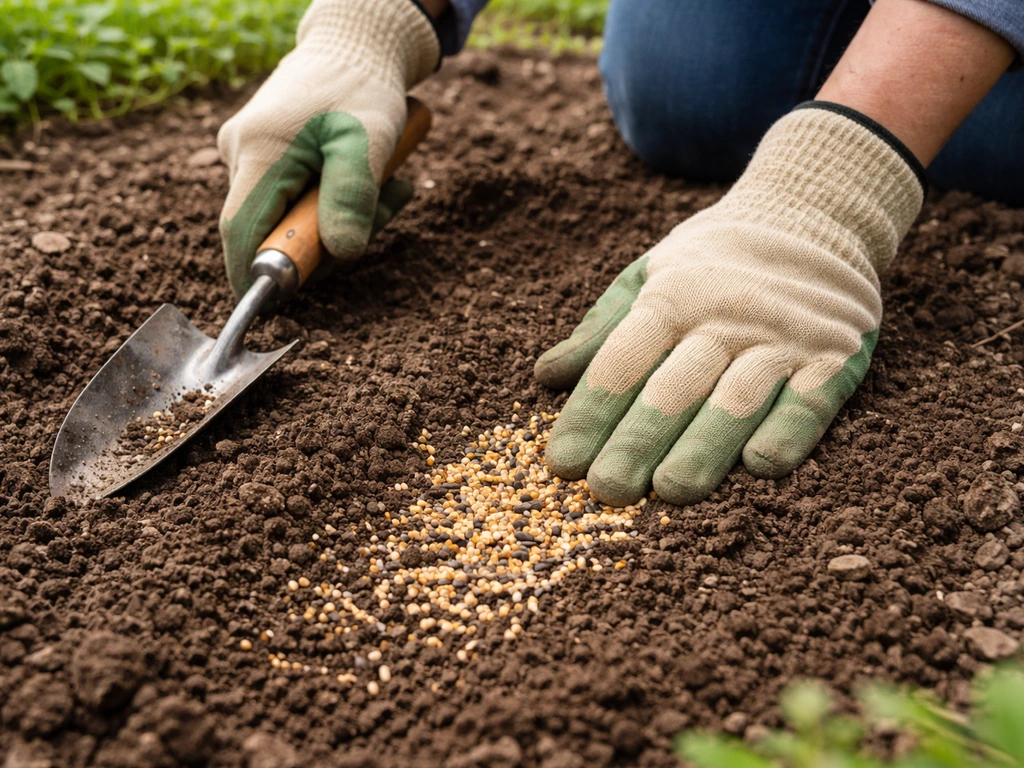
If your test showed viable seed, here's how to give it a fair shot. The goal is simple: good seed-to-soil contact, consistent moisture, and the right depth. Don't overthink it.
Soil prep
Loosen the top 3 to 4 inches of soil and break up any clumps. You don't need rich, amended garden soil for most of these plants, but you do need soil that drains reasonably well. Compacted clay or waterlogged ground will rot seeds before they can sprout. If your soil is heavy clay, work in a little compost to improve drainage and structure.
Planting depth
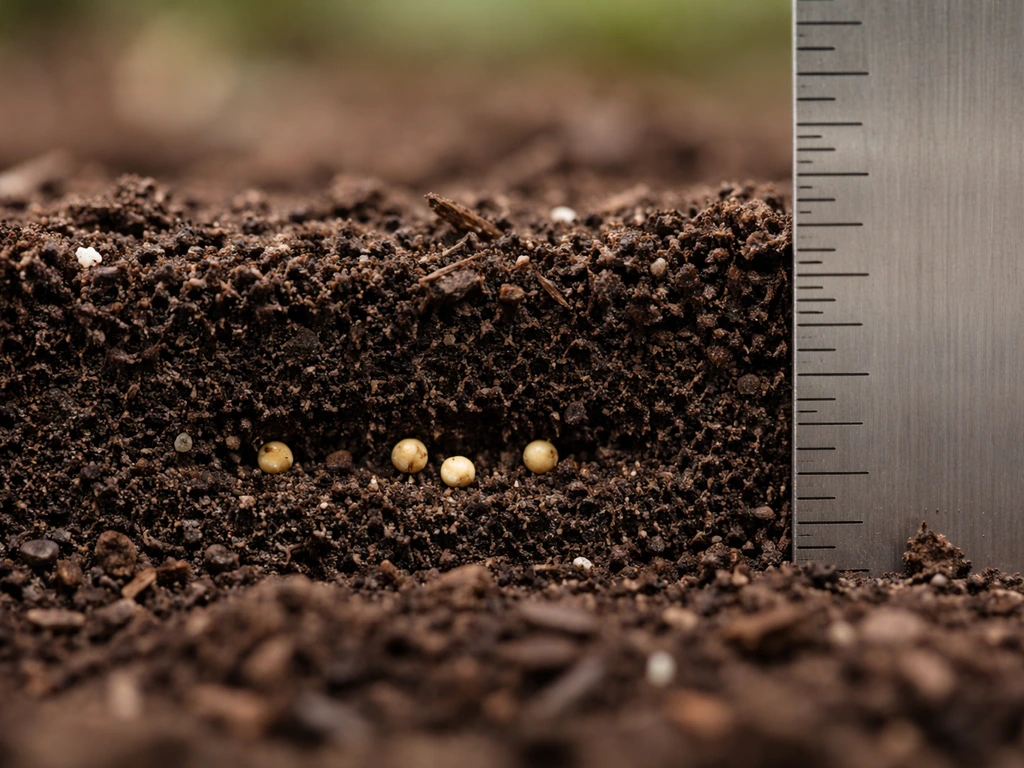
For most seeds in a bird mix, a depth of about one-quarter to one-half inch works well. USDA guidance for small grass-type seeds like millet specifically cautions against planting deeper than one-quarter inch since small seeds don't have enough stored energy to push through too much soil. Larger seeds like sunflower can handle up to one-half inch, especially in lighter, sandier soil. In heavy, moist soil, plant shallower. When in doubt, err on the side of too shallow rather than too deep.
Moisture and watering
Keep the soil consistently moist from planting until you see seedlings emerge. If the soil dries out completely during the germination window, seeds that were starting to sprout will die. Water gently after sowing, especially if the soil was dry at planting time, and then check every day or two. Once seedlings are up and have a couple of true leaves, they become much more forgiving.
Timing
Plant after your last frost date when soil temperatures have hit at least 55°F. For most of the US, that means sometime between late April and late May depending on your zone. Warm-season seeds like millet and sorghum really need that soil warmth to germinate properly. Planting too early in cold, wet soil is one of the most common reasons bird seed plantings fail.
Why your bird seed might not grow (and how to fix it)
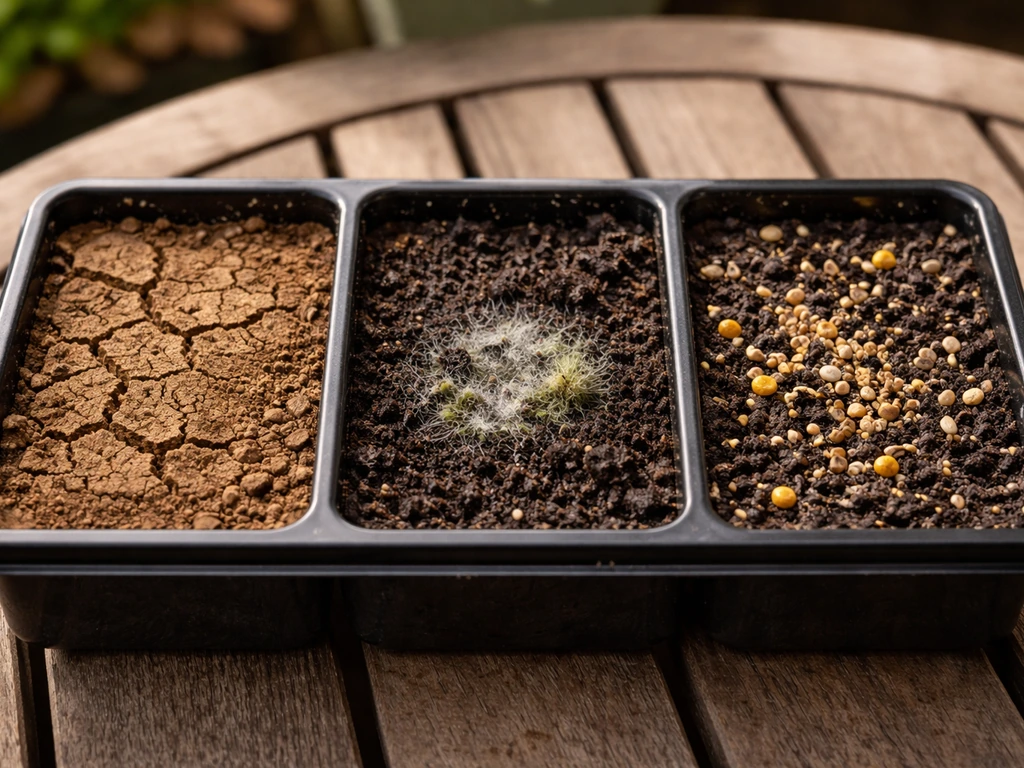
If you planted a batch and nothing came up, here are the most likely culprits:
- Old or improperly stored seed: seed stored in a hot garage, shed, or exposed to moisture loses viability fast. Bird seed sitting in a feeder through summer heat is often dead by fall. Always test before planting.
- Processed seeds: hulled sunflower chips, cracked corn, and split seeds simply cannot germinate. If your mix is heavy with these, almost nothing will come up.
- Sterilized nyjer: as mentioned, nyjer sold commercially is almost always heat-treated specifically to prevent germination. No amount of good planting will fix that.
- Soil too cold: seeds planted in soil below 50°F may just sit dormant and eventually rot. Wait for real warmth.
- Planted too deep: small seeds buried more than half an inch often exhaust their energy before breaking the surface. Shallow planting fixes this.
- Inconsistent moisture: seeds that dry out mid-germination don't recover. This is especially common in raised beds or sandy soil in warm weather.
- Competition and crowding: if you broadcast the whole mix thickly, seedlings compete hard and many die out. Thin or space intentionally for better results.
The fix for most of these is simple: do the germination test first, plant at the right time, keep the soil moist, and don't bury seeds too deep. If you've done all that and still got nothing, the seed was probably not viable to begin with.
Better options if you want reliable plants for wildlife
If your goal is to grow plants that attract birds and pollinators rather than just experimenting with what's in a bird seed bag, you'll get much more reliable results by buying seeds sold for planting rather than feeding. The difference is significant: seed sold for planting is graded for germination percentage, stored correctly, and labeled with what you're actually buying.
For a wildlife garden, consider these reliable alternatives:
- Black oil sunflowers: buy planting-grade seed and you'll have near-certain germination and full-size plants by midsummer
- Purple coneflower (Echinacea): pollinators and goldfinches love the seed heads in fall
- Zinnias: easy to grow from seed, attract butterflies and hummingbirds, birds eat the dry seeds
- Native grasses like switchgrass or little bluestem: provide seed for birds through fall and winter, very low maintenance once established
- Millet (white proso): sold as planting seed, germinates reliably, produces exactly what birds want
If you're specifically curious about what certain seeds become, like whether general birdseed grows or what a specific seed type produces, those questions have their own clear answers depending on the seed. The main takeaway here is that wild bird seed mixes can grow, and some of what's in them will sprout quite well, but treating it like a defined planting product is setting yourself up for mixed results. Use the germination test, plant the viable whole seeds you find, and supplement with reliable planting-grade seeds if you want a wildlife garden you can actually count on. If you're raising yellow chicks yourself, you can also wonder what color they will grow up to be as their feathers mature what color do yellow chicks grow up to be.
FAQ
How long should I wait to see sprouts after planting wild bird seed?
If the seeds are viable, you usually see initial shoots within about 7 to 10 days in warm conditions (soil above 55°F). If you have no visible growth by about 3 to 4 weeks, it is likely due to poor viability, incorrect timing, or seeds being buried too deep.
Will hulled sunflower seeds in a wild bird mix sprout if I plant them?
Often, no. Budget mixes commonly include hulled or cracked sunflower components that are cheap but biologically incapable of sprouting. A germination test is the fastest way to confirm what is alive in your specific bag.
Does it matter if I plant wild bird seed directly in the yard or only in a garden bed?
Yes, the biggest difference is seed-to-soil contact and moisture retention. In areas with grass that stays thatchy or very dry, seeds can fail even if they are viable. You typically get better results by lightly loosening soil and watering consistently until seedlings emerge.
What is the best depth to plant wild bird seed if I do not know what types are in the mix?
Use the safe middle ground mentioned for many bird seeds, about 1/4 to 1/2 inch. Since smaller grass-type seeds can struggle when buried deeper, err slightly shallower if your soil stays wet or if the mix seems mostly small seeds.
How do I run a quick germination test at home for a wild bird mix?
Count a measured number of seeds, place them on damp paper towel (not soaking), keep them in a warm area, and check daily for germination. Record how many sprout out of the total, then use those numbers to decide whether to plant and how much to expect.
Is there a difference between planting bird seed outdoors and keeping it indoors first?
Yes. Outdoors, timing and soil warmth matter (warm-season seeds often need at least 55°F soil). Indoors, you may get sprouting faster, but indoor sprouting does not solve viability problems and you must still move seedlings carefully so they are not shocked by outdoor conditions.
Can I just sprinkle wild bird seed on the ground for it to grow?
You can, but success is usually lower. Sprinkling often leads to poor seed-to-soil contact and seeds drying on top. If you want more reliable results, lightly rake the soil after sowing and keep the top layer consistently moist until emergence.
What should I do if my germination test is low, but I want to try anyway?
If germination is under about 50%, expect patchy growth. You can still attempt planting, but use a thicker sowing rate and plan to supplement later with planting-grade seed for the plant types you want to establish reliably.
Will all wild bird seed mixtures attract birds if the plants grow?
Not necessarily. Seed types that sprout reliably, like certain whole sunflower and millet, are more likely to become food birds return for. Other components may either not sprout (hulled or processed) or produce less preferred growth, so for a wildlife garden it helps to choose planting-grade seed blends or supplement intentionally.
Does ‘planted for wildlife’ seed differ from ‘bird feeding’ seed in a way that affects whether it grows?
Yes. Seed sold for planting is typically graded and labeled for germination percentage and is stored for viability. Feeding-oriented mixes may be older, processed, or bulked with components that do not sprout well, which is why germination tests matter.
Next Article
Will Birdseed Grow? How to Test and Grow It Successfully
Test if your birdseed will grow, learn why mixes sprout or fail, and grow greens safely with mold and pest tips.