Yes, bird seed can absolutely grow into real plants, and some of it will sprout surprisingly fast if you give it the right conditions. But not all of it will, and not all of it should. The honest answer is that a typical commercial bird seed mix is a grab-bag of seeds with very different germination odds, and a few of those seeds may have been processed in ways that make them non-viable entirely. So the real question isn't just 'can bird seed grow,' it's 'which parts of it will, and how do I give those parts the best shot.' That's exactly what this guide covers.
Can Bird Seed Grow? How to Plant It and What to Expect

Marcus Weir
24 Mar 2026
What bird seed actually is (and what it can realistically become)
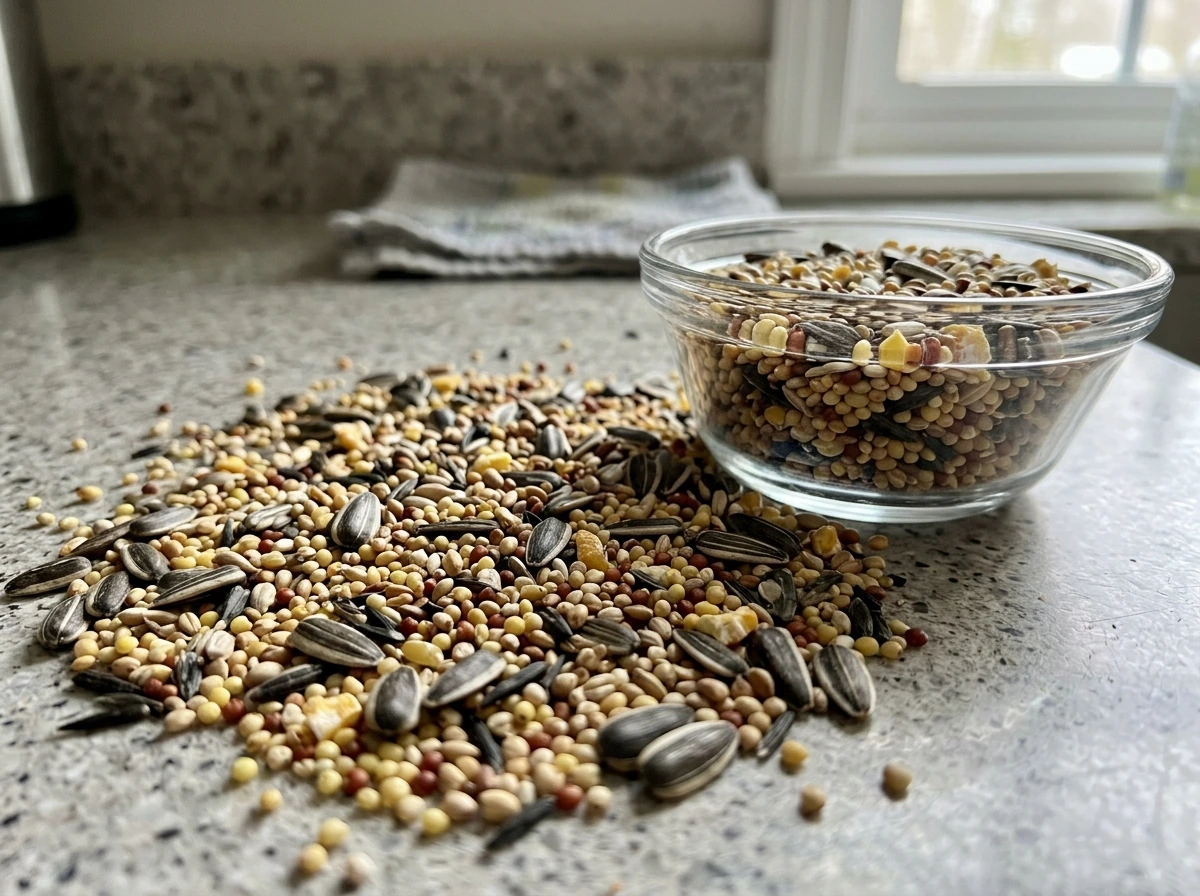
Most bags of wild bird seed are a blend of several different seeds, each from a completely different plant. The big three you'll almost always find are sunflower (from Helianthus species), millet (commonly from Pennisetum or related grain grasses), and sometimes nyjer, which is worth clarifying: despite being marketed under the name 'nyjer thistle,' it isn't actually from a thistle plant at all. It comes from a different plant source entirely, which matters when you're trying to figure out what you're working with in the garden.
Depending on the mix, you might also find sorghum (sometimes listed as milo), safflower, or cracked corn. Premium or 'no mess' blends are often shell-free and formulated without filler seeds, which generally means the seeds in the bag are more intentionally selected. A bag that still has hulls and shells on the sunflower seeds is a good sign those seeds are less processed and more likely to be viable for planting. Shell-free or no-waste blends may use seeds that have been cracked, hulled, or otherwise handled in ways that reduce germination rates.
So what can bird seed grow into? Sunflower seeds can become full sunflower plants, sometimes reaching 5 to 6 feet tall depending on variety. Birds of paradise, however, grow in tropical habitats, so matching those conditions matters where do birds of paradise grow. Millet becomes a grassy annual that produces seed heads. Sorghum becomes a tall grain grass. Nyjer, when viable, grows into a low, branching plant that produces small yellow flowers. None of these are invasive nightmare plants, and most are actually pretty useful in a garden as pollinator attractors or additional bird feeders growing right in your yard.
Will bird seed actually sprout if you plant it
Most of the time, yes, at least some of it will. Sunflower seeds from bird seed bags are among the most reliable germinators you'll find, especially if the bag is reasonably fresh. Millet germinates well too. Nyjer is hit or miss, partly because imported nyjer seed is sometimes heat-treated to prevent the spread of invasive weeds, and that treatment kills the embryo inside. If your nyjer-heavy mix doesn't sprout at all, that's likely why.
Freshness is a bigger factor than most people expect. Seed that's been sitting in a warm garage or a store shelf for two years may have viability rates well below 50 percent even for the species that would otherwise germinate easily. If you bought a bag recently, you're in better shape than if you're working with leftover seed from last spring. The best way to know is to do a simple germination test before you commit to a planting bed: place 10 seeds on a damp paper towel, fold it over, put it in a plastic bag, and leave it somewhere around 70°F for a week. Count how many sprout and you'll know your realistic germination rate.
On the ground vs. in proper soil: which actually works
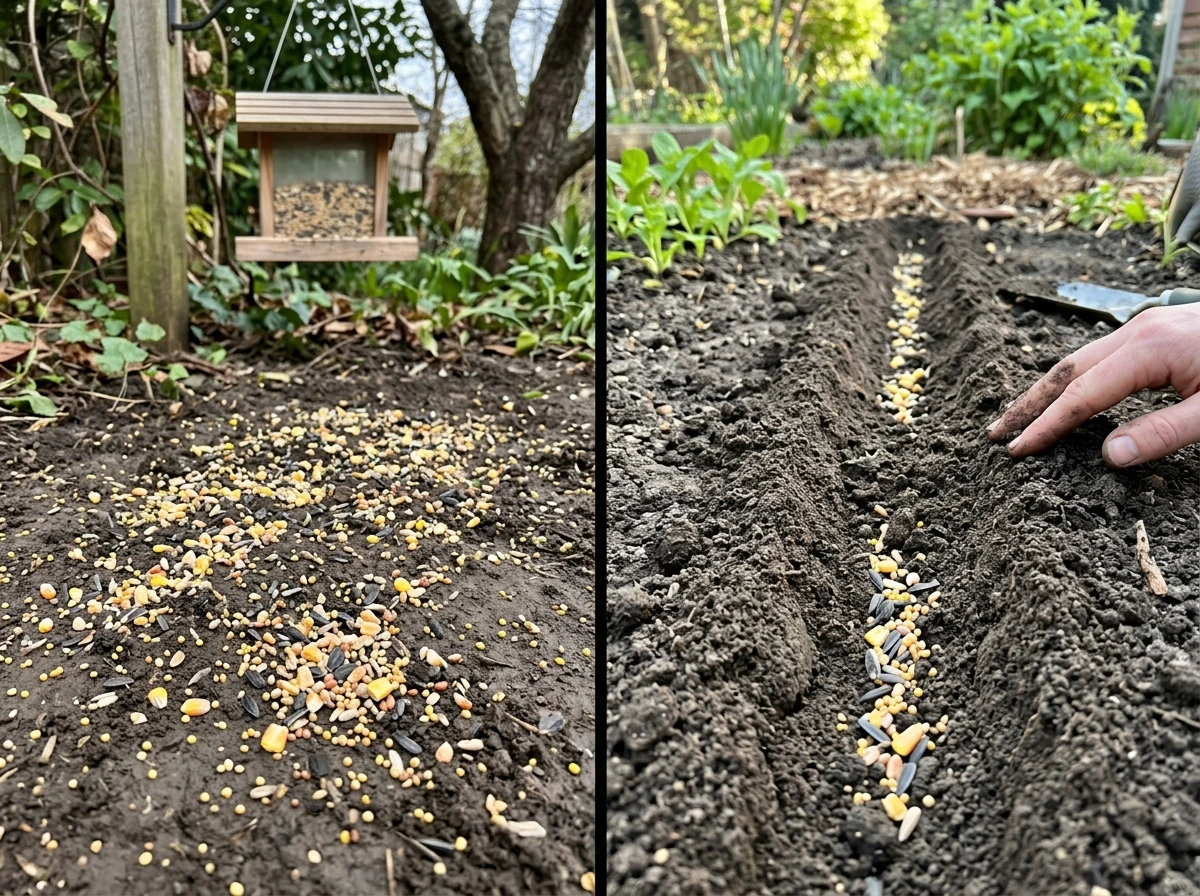
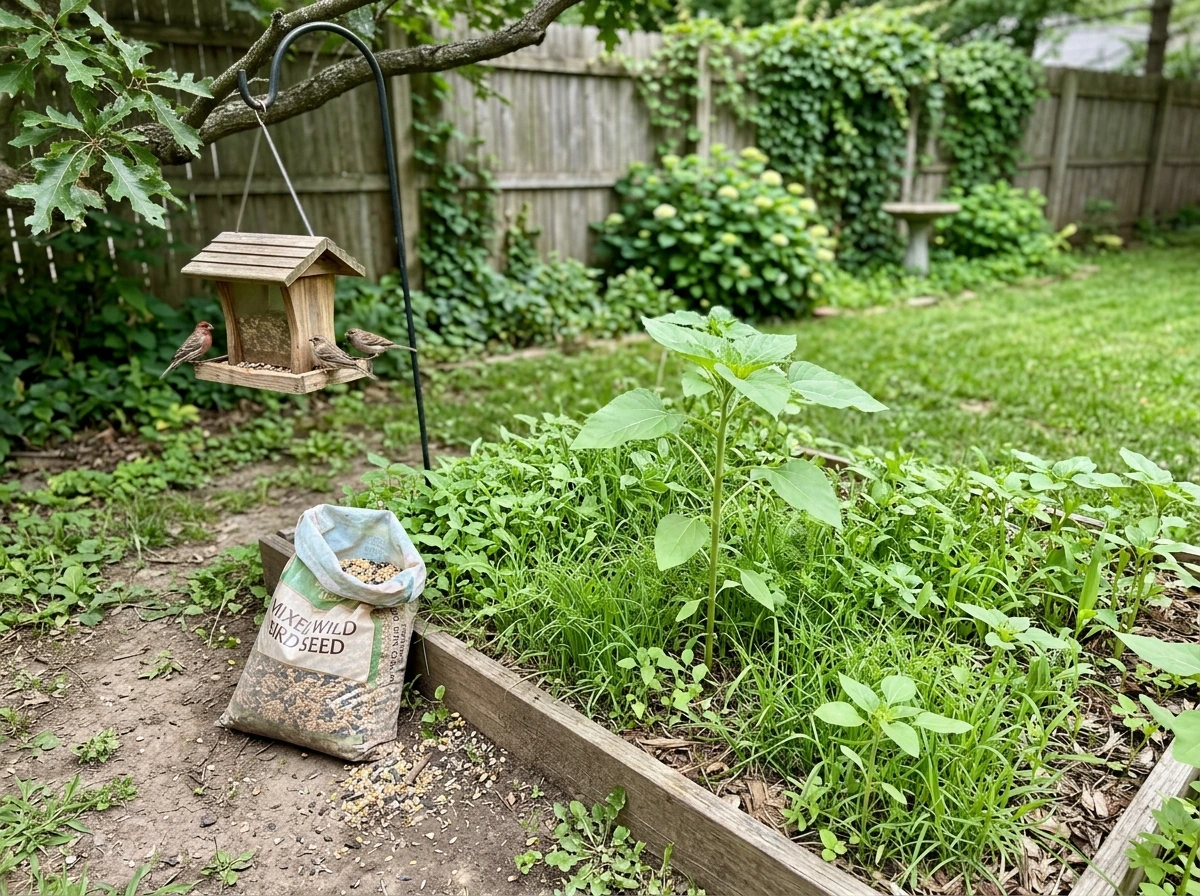
If you've ever noticed bird seed sprouting under a feeder, you already have your answer about surface germination: it does happen. Seeds that fall on bare, slightly moist soil will sometimes germinate without any help from you. But the success rate is lower than it would be in prepared soil, and here's why. Seeds need good seed-to-soil contact to absorb moisture evenly, and just sitting on top of dry ground, grass, or mulch doesn't provide that. They're also more exposed to birds eating them, squirrels taking them, and temperature swings drying them out before the root can establish.
Surface-scattered seed in your garden can work for millet and sunflower if you press the seeds lightly into the soil surface afterward, but it's not the same as intentional planting. For the best results, you want seeds at a consistent shallow depth with firm soil around them. More on the exact process below.
How to grow bird seed successfully, step by step
You don't need fancy equipment or special soil to try this. Here's what actually works, based on the types of seeds most commonly found in bird seed blends.
- Sort your mix if possible. Pull out the larger sunflower seeds and plant them separately from the smaller millet and sorghum seeds. They have different depth requirements and germination speeds, so planting them together in a flat can get confusing fast.
- Pick a planting spot or container with good drainage. These are all sun-loving plants. They want at least 6 hours of direct sun and loose, well-draining soil. A raised bed, a large pot, or a prepared garden row all work well.
- Plant sunflower seeds about 1 inch deep. Millet and sorghum go shallower, around a quarter to half an inch deep. Cover lightly and firm the soil down with your hand so there's real contact between seed and soil.
- Water gently right after planting. You want the soil moist but not waterlogged. A gentle spray is better than a heavy pour that can move tiny seeds around or compact the surface.
- Keep the soil consistently moist (not soggy) for the first week. This is the critical window. Letting the soil dry out completely during germination is the fastest way to kill emerging seedlings.
- Expect sunflower seeds to break the surface in about 5 to 7 days under warm conditions (around 70°F is ideal). Millet and grass-type seeds can take 7 to 14 days depending on temperature and freshness.
- Once seedlings are an inch or two tall, back off on watering slightly and let the top half-inch of soil dry out between waterings. This encourages roots to grow downward and prevents the damping-off fungal problems covered later in this guide.
If you're planting outside, timing matters. In most of the US, wait until after your last frost date and soil temperatures are at least 55 to 60°F. Since it's late March 2026, gardeners in zones 7 and warmer can start direct sowing now. If you're in a colder zone, start seeds indoors in small pots and transplant out in 4 to 6 weeks.
How to tell which seeds in your mix will actually germinate
Not every seed in a commercial bird seed blend has equal germination potential. Here's a quick rundown of the most common components and what to expect from each.
| Seed Type | Germination Likelihood | Notes |
|---|---|---|
| Sunflower (in-shell) | High | Most reliable germinators in the mix; intact hull is a good sign |
| Sunflower (hulled/shell-free) | Low to none | Hulling process damages the embryo; don't count on these to sprout |
| Millet (white or red) | Moderate to high | Small seeds, germinates relatively quickly in warm soil |
| Nyjer (nyjer seed) | Low to moderate | Often heat-treated to prevent weed spread; viability varies significantly by source |
| Sorghum/milo | Moderate | Round red or white seeds; germinates well if fresh, drops off quickly with age |
| Safflower | Moderate | Less common in budget mixes; germinates reasonably well if seeds are intact |
| Cracked corn | None | Cracking destroys germination ability entirely; these will not grow |
The rule of thumb here is: intact, whole seeds with their outer coating still on them are your best candidates. Anything that's been cracked, hulled, or split during processing has lost its ability to germinate. If your bag is mostly cracked corn and hulled sunflower pieces, you're not going to get much growth no matter what you do. A mix with lots of whole in-shell black oil sunflower seeds and white millet gives you the best starting point.
One more viability check worth doing: drop seeds into a glass of water. Seeds that sink are usually denser and more likely to be viable. Seeds that float are often hollow or damaged. This isn't a perfect test, but it can help you cull the worst of a borderline batch before planting.
Troubleshooting: when things go wrong
Nothing is sprouting
If it's been two weeks and you're seeing nothing, the most common causes are old seed with dead embryos, soil that's too cold, or seed that dried out during that critical first week. Check your soil temperature first. If it's below 55°F, germination will be very slow or stalled. If temperature isn't the issue, try your paper towel germination test to confirm whether the seeds are even viable before you invest more time in the bed.
Mold or fuzzy growth on seeds
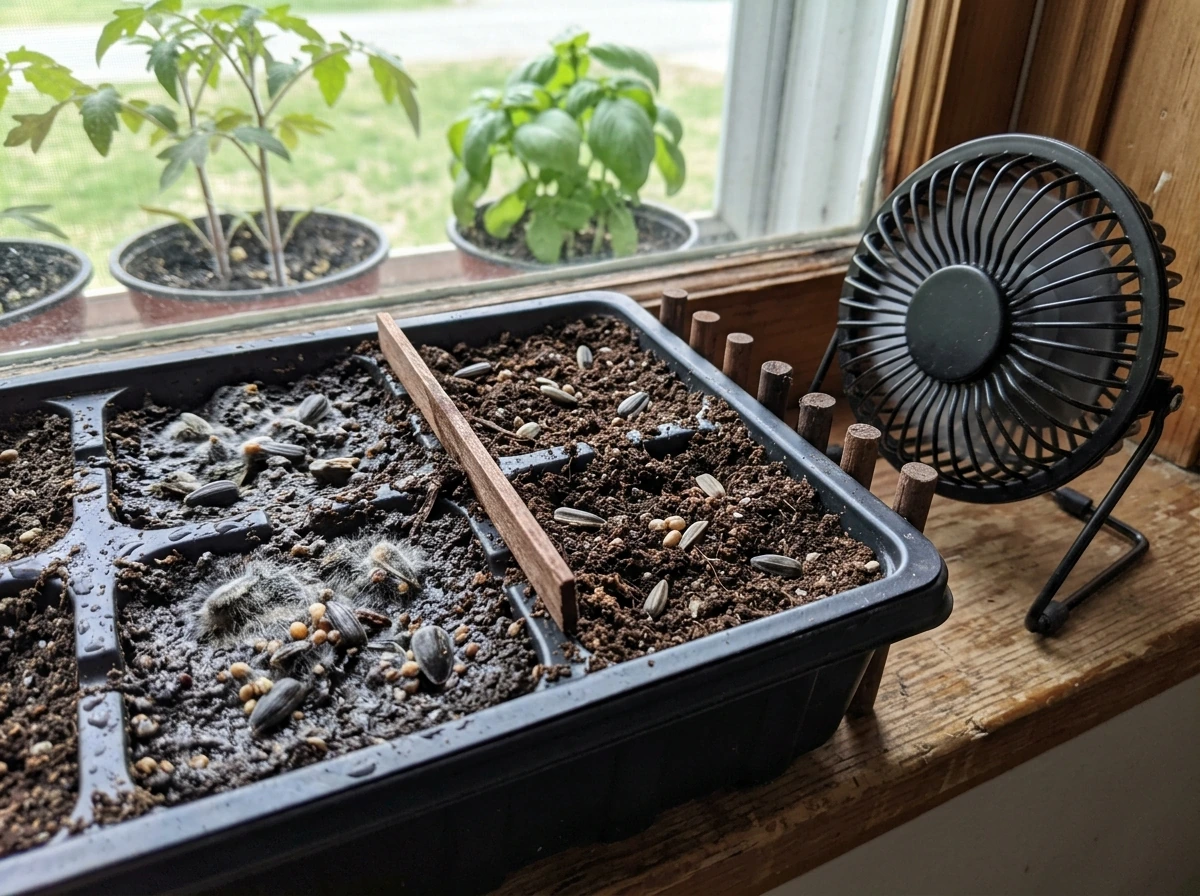
This is usually a sign of overwatering combined with poor airflow, and it's a textbook setup for damping-off, a fungal problem that kills seedlings at or just below the soil line. Damping-off can wipe out an entire flat of seedlings almost overnight. The seedlings will look healthy, then suddenly collapse and rot at their base. If you're starting seeds indoors, the biggest risk factor is keeping trays in a closed space with no air movement and wet soil. A small fan on low, running a few hours a day near your seedling trays, makes a real difference. If you notice seedlings collapsing, remove affected ones immediately, stop watering temporarily, and improve ventilation.
Another damping-off trigger is using garden soil directly in seed-starting trays. UMN Extension also cautions that garden soil can introduce damping-off pathogens, so use sterile media rather than garden soil when starting seeds indoors Another damping-off trigger is using garden soil directly in seed-starting trays.. Garden soil carries the pathogens that cause damping-off, and in the warm, wet environment of a seedling tray, those pathogens spread fast. Use a sterile seed-starting mix if you're growing indoors.
Wildlife and pests eating seeds before they sprout
If you're planting bird seed outdoors, you're essentially setting a buffet for the same animals the seed was designed to attract. Squirrels, mice, chipmunks, and yes, birds will dig up freshly planted seed if it's accessible. A few practical fixes: cover the bed with a light row cover or wire mesh immediately after planting and leave it in place until seedlings are an inch or two tall. Alternatively, start seeds indoors in pots and transplant once they're established enough that digging them up isn't easy.
Seedlings that come up but grow weak and leggy
Weak, stretched seedlings almost always mean not enough light. Sunflowers and grain grasses need full sun, and if you're starting them indoors near a window that gets only a few hours of light, they'll stretch toward the source and end up too fragile to transplant well. Either move them to your sunniest window, supplement with a grow light for 14 to 16 hours a day, or wait and direct-sow outdoors once temperatures allow. Leggy seedlings can sometimes recover after transplanting to full sun, but it's better not to let it get to that point.
What to realistically expect from your bag of bird seed
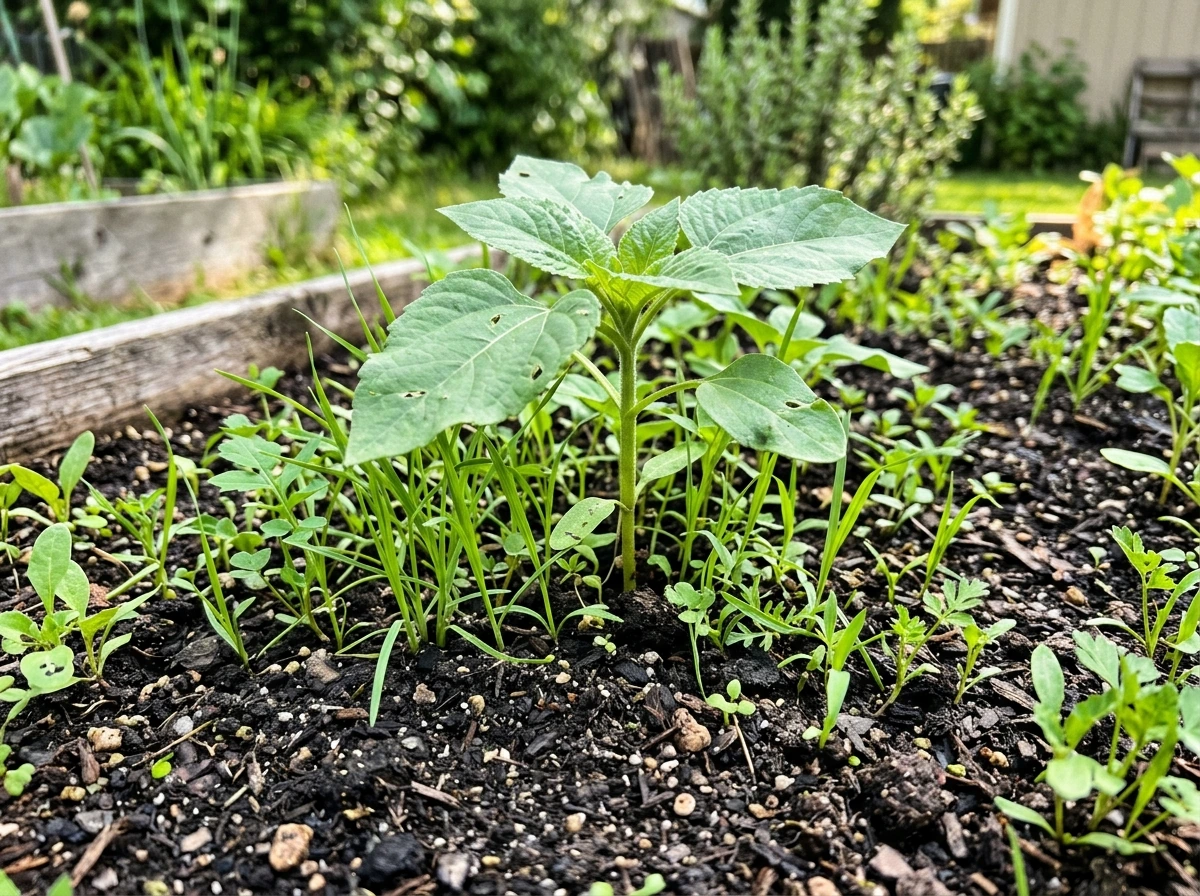
If you're working with a fresh bag of mixed wild bird seed that contains whole, in-shell sunflower seeds and intact millet, expect a reasonable germination rate from those two components, somewhere around 50 to 80 percent if the seed is from this season. The other components are more variable. Don't expect anything from cracked corn, hulled seeds, or nyjer that hasn't been confirmed viable. What you'll end up with is mostly a sunflower and millet planting, which honestly is a pretty good garden result. You'll get tall, cheerful sunflowers and a soft ornamental grass-like backdrop, plus the added bonus that the seed heads those plants produce will attract birds right back to your yard.
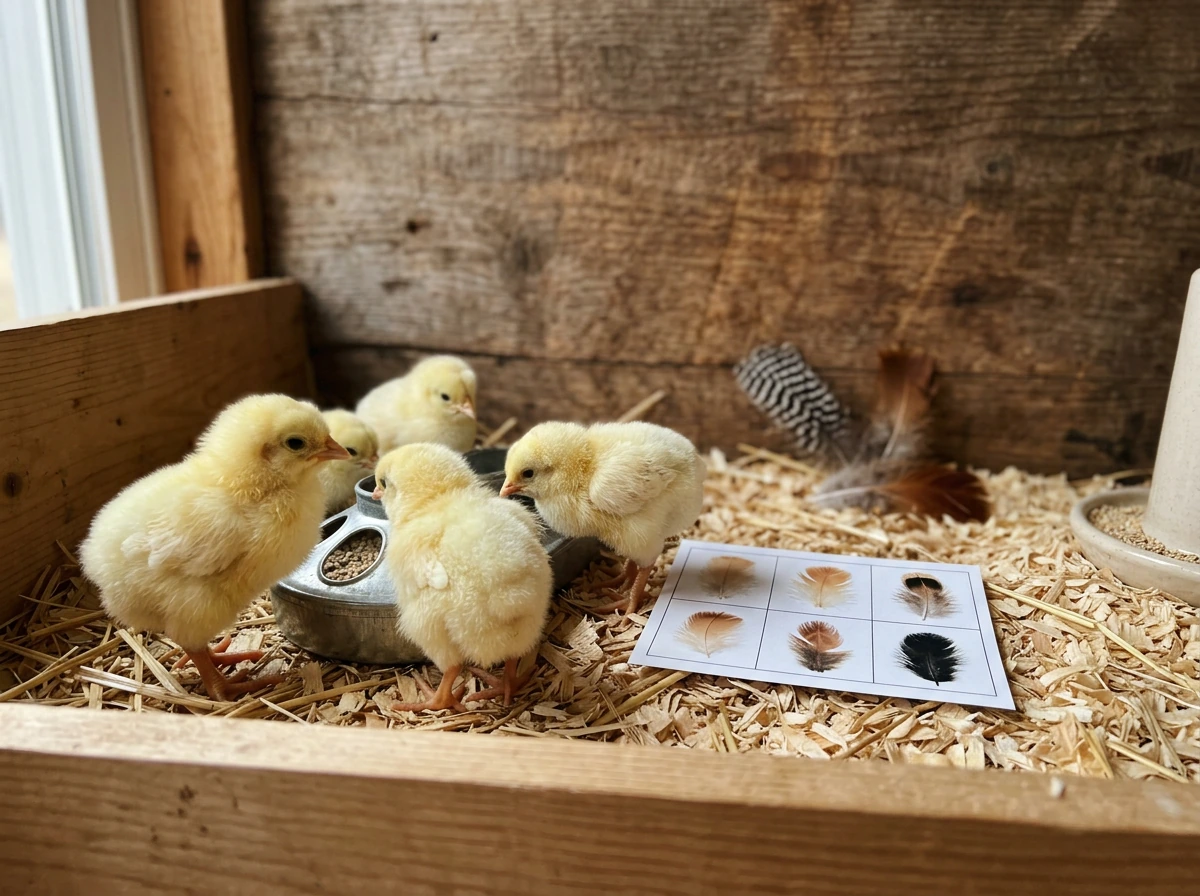
If you want to dig deeper into specific seed types, there's more detail available on what nyjer seed specifically grows into and whether wild bird seed mixes are worth planting as a whole. If you’re also curious about what color do yellow chicks grow up to be, that’s a different topic from bird seed plants but it’s another common “what to expect” question. But for today, the practical answer is: sort your mix, plant the whole seeds at the right depth, keep the soil consistently moist and warm, watch out for damping-off, and protect the bed from wildlife. If you want the quick bottom-line on timing and germination odds, see will birdseed grow. Do those things and you'll get plants. will birdseed grow. what does nyjer seed grow into what does nyjer seed grow into.
FAQ
What does nyjer seed grow into, and how is it different from a “thistle” plant?
When viable, nyjer seed grows into a low, branching plant that produces small yellow flowers. Despite being sold as “nyjer thistle,” it comes from a different plant type, so you should expect the plant form and growth habits of a low ornamental rather than a typical thistle-style weed.
Will all nyjer-heavy bird seed mixes sprout if I plant them correctly?
Not necessarily. Imported nyjer seed is sometimes heat-treated to prevent invasive spread, and that processing can kill the embryo. If you get little to no germination despite correct warmth and moisture, the seed may simply be non-viable.
How can I tell if my bird seed bag is too old before planting a whole bed?
Do a quick germination test on 10 seeds using a damp paper towel in a bag at around 70°F for about a week. Count sprouted seeds to estimate your realistic germination rate, rather than assuming the bag label or past experience applies.
Should I plant bird seed on the surface like it naturally falls under a feeder?
Surface-scattered seed can sprout, but success is usually lower because seeds need consistent seed-to-soil contact and stay vulnerable to birds, squirrels, and drying. For better results, press lightly and lightly bury with firm contact, using a consistent shallow depth.
What depth should I plant whole sunflower and millet seeds at?
Aim for shallow, consistent coverage with firm soil contacting the seed (not buried deep). If you notice the bed drying quickly or the seeds not staying in place, you likely need slightly firmer contact and a consistent shallow depth rather than deeper planting.
Why did my seedlings collapse suddenly after looking fine?
That pattern often points to damping-off from overwatering plus poor airflow. Remove affected seedlings, pause watering briefly, increase ventilation, and avoid seed-starting with garden soil that can carry pathogens into warm, wet trays.
Can I start bird seed indoors in regular potting soil?
It’s safer to use a sterile seed-starting mix instead of straight garden soil. Regular soil can introduce fungi that cause damping-off, especially when trays stay warm and wet with limited airflow.
How much airflow and watering do seedlings need to avoid damping-off?
Keep soil consistently moist but not soggy, and provide airflow, such as a low fan running part of the day. The goal is to prevent constant surface wetness and still allow quick drying between waterings enough to keep fungal conditions from taking over.
Do I need full sun for bird-seed plants, or will a partially sunny spot work?
Sunflower and grain grasses generally need full sun. Inadequate light indoors or outdoors leads to leggy, weak seedlings that can be harder to transplant and less likely to establish well.
What should I do if my bird seed hasn’t sprouted after about two weeks?
Check soil temperature first, since below roughly 55°F germination can stall. If temperature is fine, run your paper-towel germination test again to confirm viability, since old seed or dried embryos can be the real cause.
How can I reduce seed loss to squirrels and birds after planting?
Right after planting, cover the bed with light row cover or wire mesh and keep it in place until seedlings reach about 1 to 2 inches tall. Another option is starting indoors and transplanting once plants are established enough that digging is less likely.
Can I plant the entire mixed bird seed bag and just hope for the best?
You’ll usually get a mix of results, because components vary widely in viability. Sorting for intact, whole seeds with their outer coating intact gives you the best chance, and you should avoid relying on cracked corn, hulled seeds, or unconfirmed nyjer.
What’s the simplest way to improve germination from a random mix?
Sort and select whole intact seeds first, then ensure warmth (around 55 to 60°F soil or warmer for outdoor sowing), shallow consistent planting, and steady moisture. If you do nothing else, do the paper-towel germination test and plant based on those numbers.
Next Article
What Color Do Yellow Chicks Grow Up To Be? Adult Plumage Guide
See what yellow chicks become: likely adult plumage colors by breed, plus early signs, sex effects, and prediction tips.