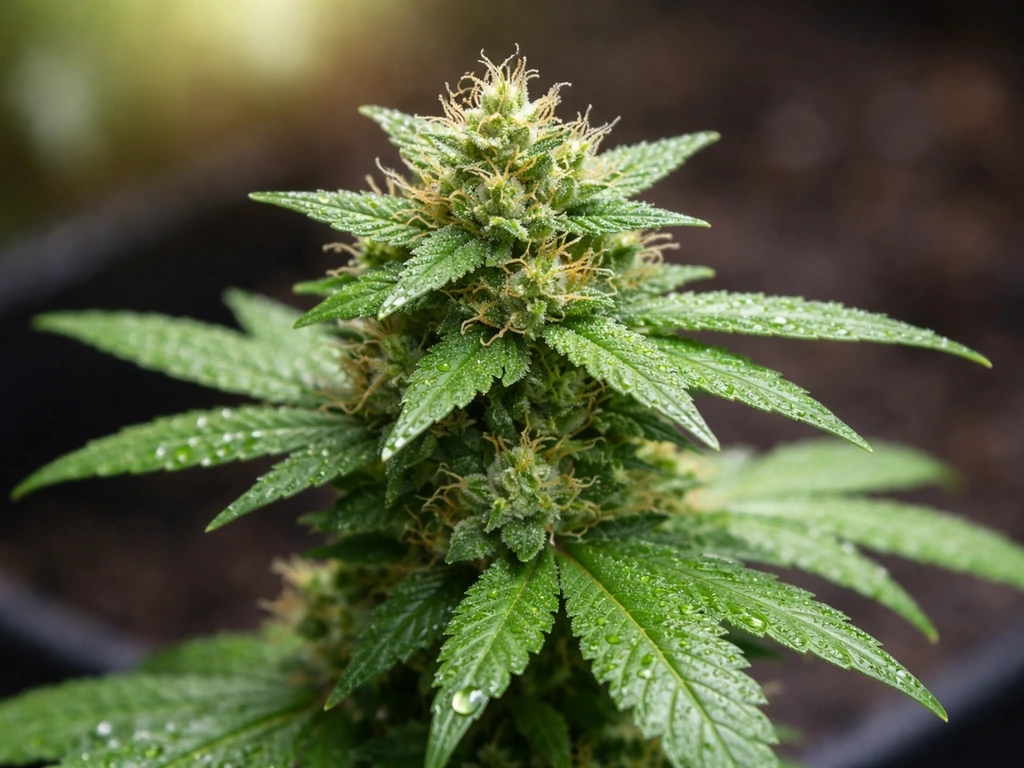
Buds grow the most during the transition into active growth after dormancy or rest, and the exact timing depends on the plant. For spring-flowering trees and shrubs, the biggest bud growth surge happens in late winter to early spring, usually when temperatures consistently hit 40–50°F (4–10°C) at night and days climb above 50°F (10°C). For bulbs and perennials, it's as soil temperatures warm past 50°F in spring. For houseplants and tropicals that bud seasonally, the peak comes when day length and light intensity start increasing, typically late winter through early summer. If you're trying to push bud development right now in early July, you're working with summer-active plants and should focus on consistent moisture, balanced feeding, and making sure your plants are getting full light without heat stress. If you are wondering can you grow poppies hydroponically, the same ideas like steady moisture, balanced feeding, and stable light apply, just with a soilless system.
When Do Buds Grow the Most? Peak Timing and How to Boost It

What counts as a "bud" anyway
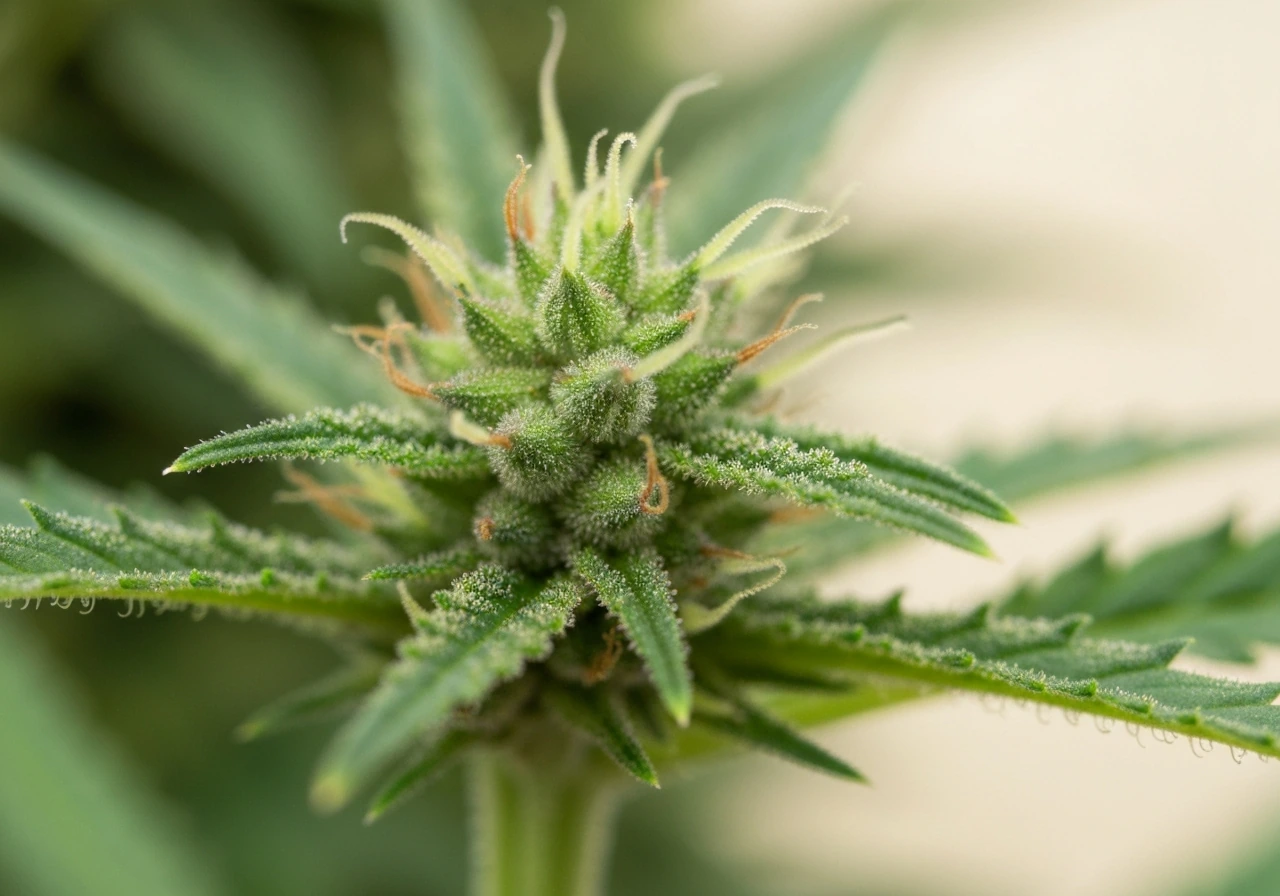
A bud is essentially a tightly packed embryonic structure that holds the plant's next move in miniature. It can develop into a new shoot with leaves (a vegetative or growth bud) or into a flower and all its parts (a flower bud). That distinction matters a lot when you're trying to figure out your timing, because the two types behave differently and respond to different triggers.
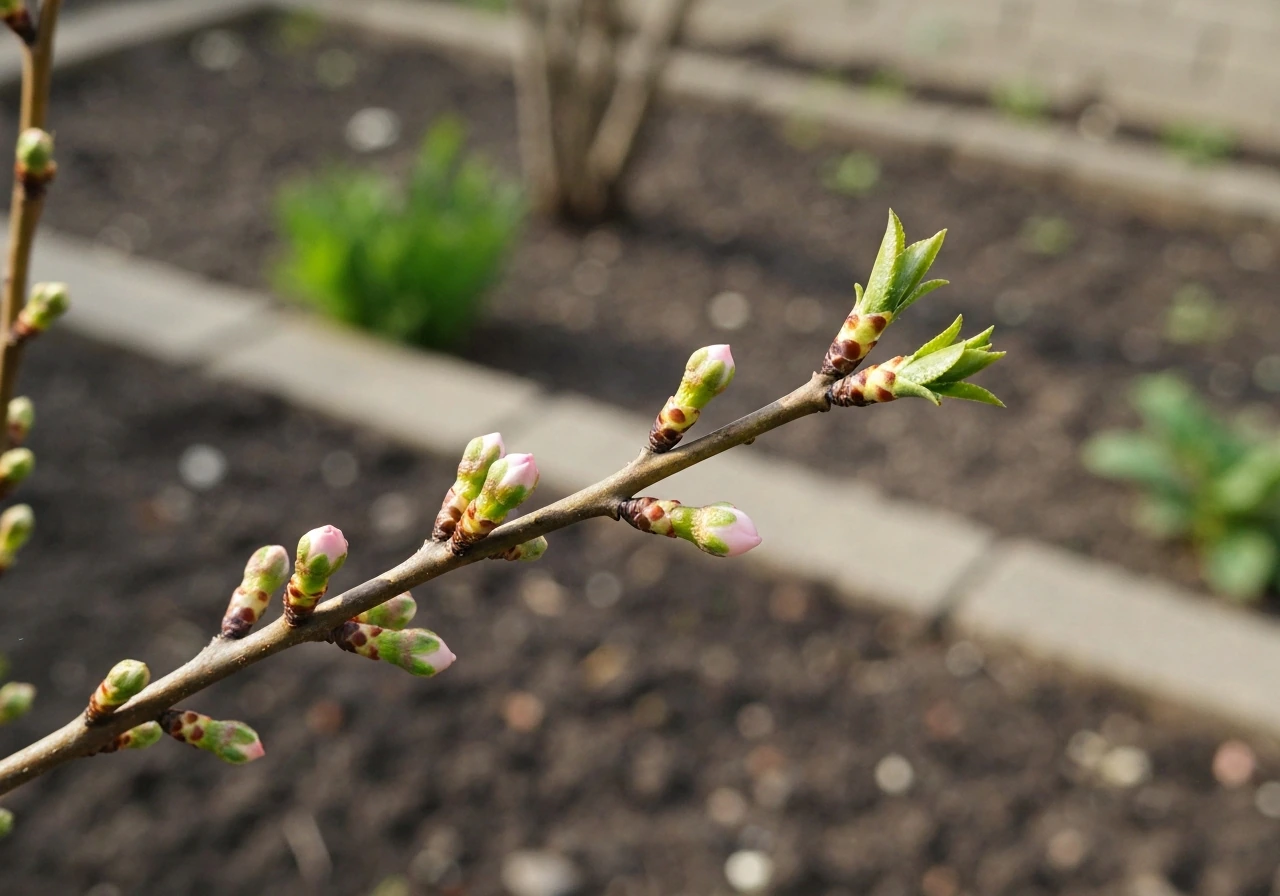
On a fruit tree or ornamental shrub, the flower buds and vegetative buds are often sitting right next to each other on the same branch, but flower buds tend to be rounder and fatter while vegetative buds are more pointed and narrow. If you've ever looked at a forsythia or cherry tree in February and noticed those swollen knobs before any green appeared, those are flower buds that were actually formed the previous late summer or fall. The bud-swelling you see in spring is the visible expansion of a structure that was quietly waiting all winter, not something that just started forming. For many temperate-zone plants in the Pacific Northwest, blank" rel="noopener noreferrer">flower buds are formed in late summer or early fall prior to the spring they bloom, so spring “bud swelling” often reflects development of previously formed buds rather than new bud initiation. That's an important distinction: bud initiation (when the plant first builds the bud) and bud development (when it visibly swells and opens) are two separate events, sometimes months apart. If you're wondering whether buds still grow during flushing, it helps to understand how bud development timing differs from bud initiation.
For garden plants like roses, dahlias, or hydrangeas, buds are the tight green or colored nubs that appear at stem nodes or branch tips before flowers open. For houseplants like peace lilies or holiday cacti, buds are the emerging flower spikes or small knobs that precede blooming. All of these share the same basic biology: a compact growth center waiting for the right signal to expand rapidly.
Peak bud growth by plant type
Different plants have very different bud-growth calendars, and matching your care to the right window is most of the battle.
Spring-flowering trees and shrubs
These include cherries, magnolias, forsythia, lilacs, and fruit trees like apple and peach. Their flower buds form in late summer or early fall of the previous year, then go dormant through winter. The biggest visible bud growth surge happens in late winter to early spring, roughly February through April depending on your climate zone, as temperatures cross that 40–50°F threshold and daylight hours start increasing. If you want the short answer for the most bud growth, aim for late winter into early spring, roughly February through April. Blueberries follow this same pattern: blank" rel="noopener noreferrer">bud swell on one-year-old wood becomes visible in early spring as the first sign of the season kicking in. The entire bud-swelling-to-open-flower window can happen in as little as two to four weeks under warm conditions.
Summer-flowering shrubs and roses
Plants like roses, butterfly bush, and crape myrtle form buds on new growth each season. Spruce tips also form their growth on a seasonal schedule, so knowing the timing helps you avoid mistiming pruning or feeding Roses in particular cycle through bud formation. Their peak bud growth period is late spring through midsummer, driven by warm temperatures and long days. Roses in particular cycle through bud formation every four to six weeks during the growing season, so if you're in early July right now, roses should be in the middle of a productive bud cycle or just finishing one.
Bulbs and spring perennials
Tulips, daffodils, alliums, and most spring-blooming perennials develop their buds underground during late winter, and the most dramatic bud growth happens as soil temperatures warm from 40°F to 60°F in early spring. Everything happens fast at this stage; a tulip bud can go from barely visible to fully open in under two weeks once temperatures warm.
Houseplants and tropicals
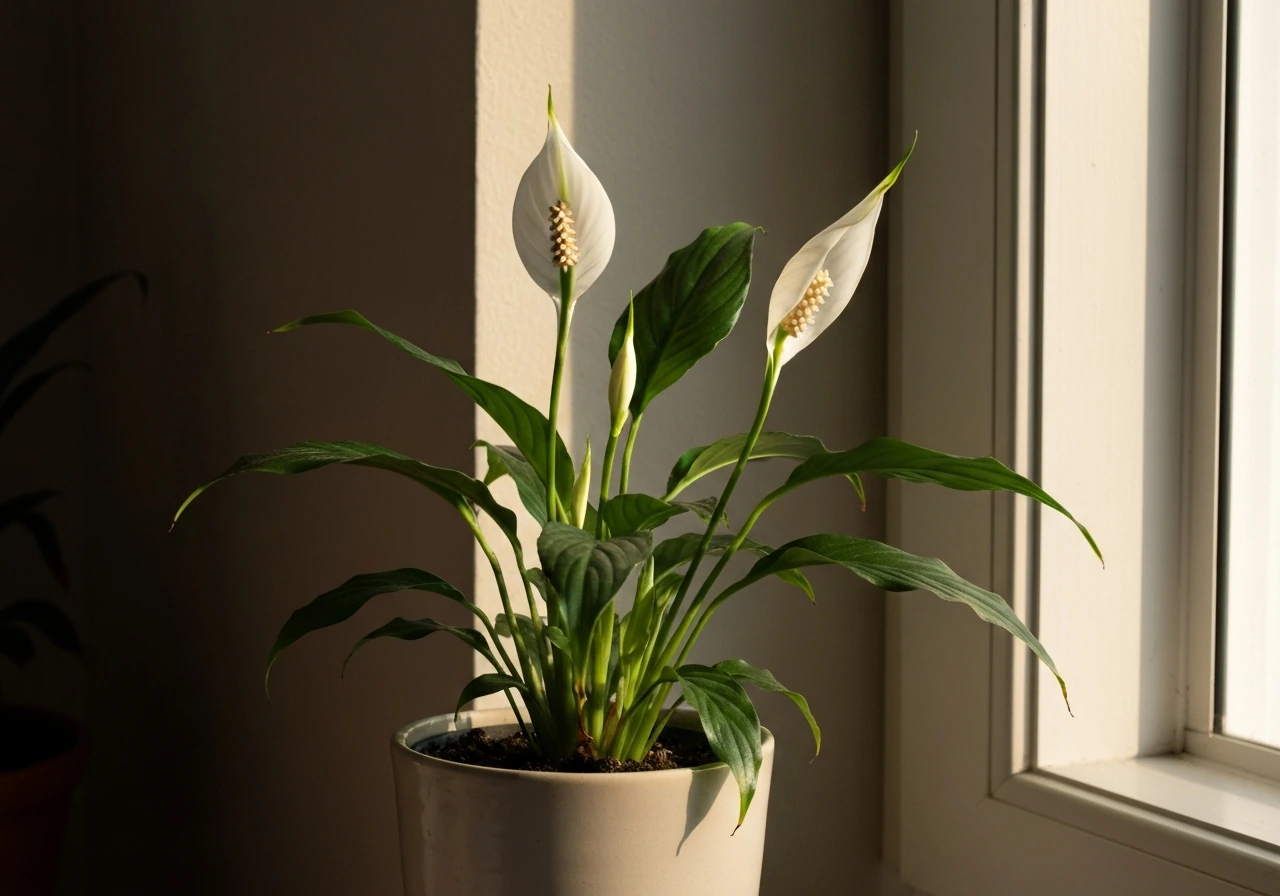
Houseplants that bud seasonally, like peace lilies, anthuriums, gardenias, and orchids, usually produce the most bud growth when light levels increase in late winter and spring, combined with consistent warmth. Holiday cacti (Thanksgiving and Christmas cactus) are triggered by shortening days and cooler temperatures in fall, making October through November their peak bud-initiation period. Plants with continuous bud cycles, like African violets or some orchids, can produce buds year-round as long as conditions stay stable.
Plants on continuous vs seasonal cycles
Some plants (tomatoes, many herbs, everblooming roses) build and open buds continuously as long as conditions are right, with no hard seasonal trigger. Others (lilacs, magnolias, holiday cacti) are strictly seasonal and will not produce buds outside their window no matter how good your care is. Knowing which type you're working with prevents a lot of frustration.
The environmental triggers that drive bud growth
Temperature
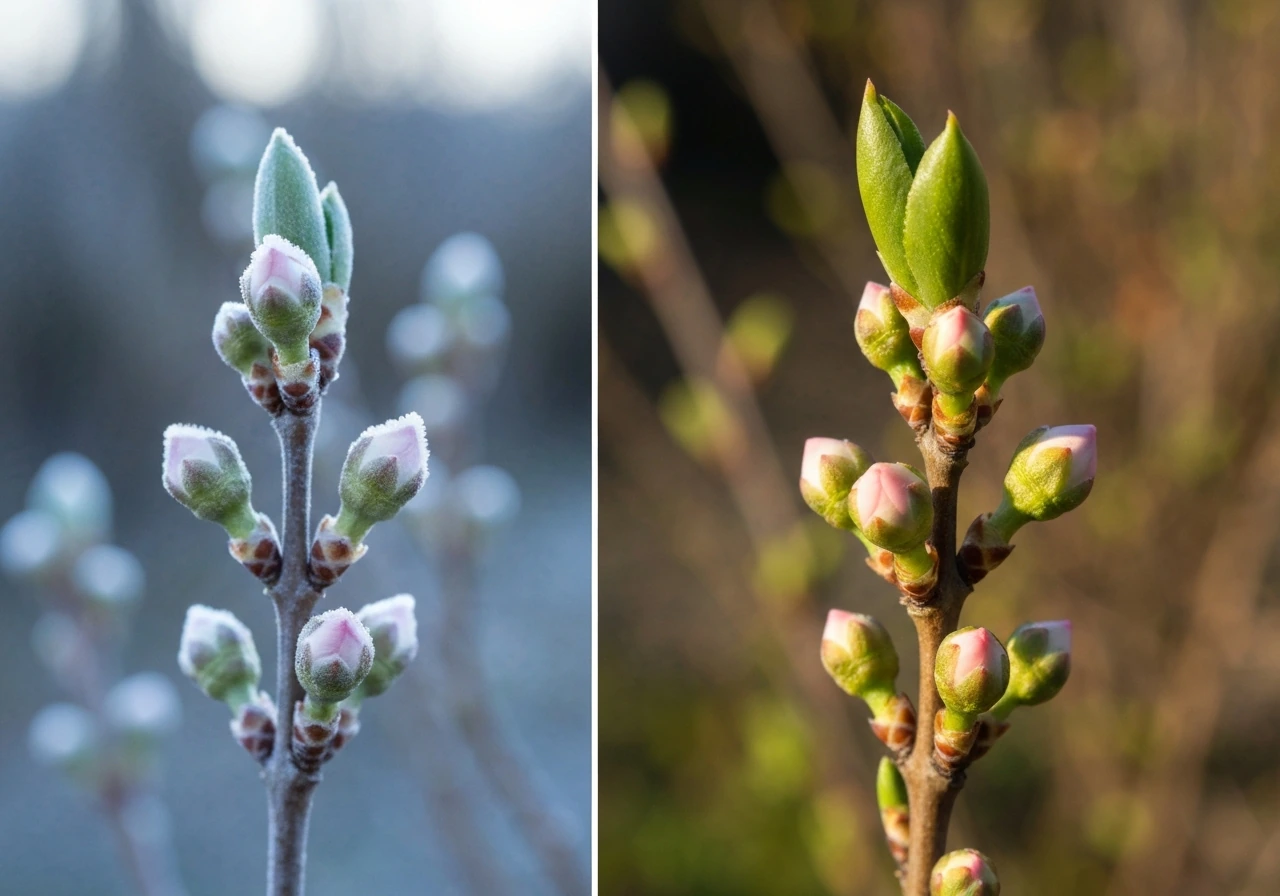
Temperature is the biggest single trigger for bud growth in most plants. Spring-flowering trees and shrubs need a certain number of chilling hours (temperatures between roughly 32°F and 45°F) to break dormancy properly, after which warming temperatures drive the bud-swelling surge. The apical meristem cells at the core of each bud begin dividing rapidly once the plant receives the right warm signal. For most temperate plants, sustained daytime temperatures above 50°F and nighttime temperatures consistently above 40°F are enough to kick this off. In summer, buds on continuously flowering plants can stall or drop if temperatures exceed 90–95°F for extended periods, a phenomenon called heat stress bud drop.
Light and photoperiod
Day length (photoperiod) is the signal that tells many plants what season it is. Long-day plants (like many summer annuals) form buds when days exceed 12–14 hours. Short-day plants (like holiday cacti and chrysanthemums) bud when nights are long, typically in fall. Day-neutral plants bud based on age or temperature rather than day length. Light intensity matters too: low light delays or prevents bud development in most flowering plants, while full sun accelerates it. If your plant is getting fewer than four to six hours of direct sun and it's supposed to be budding, that's often your problem right there.
Water
Consistent moisture is critical during the bud swelling and development phase. Buds are expanding, dividing cells that need water to do their work. Can buds still form without fan leaves? In many cases, yes, but the plant needs enough light energy and the right triggers to develop buds properly Buds are expanding. A single drought stress event during active bud development can cause bud drop, stunted flowers, or delayed opening. At the same time, waterlogged soil cuts off oxygen to roots and can trigger the same stalling effect. The goal is evenly moist soil that never sits soggy.
Nutrients
Phosphorus is the key nutrient for bud initiation and flower development; a phosphorus-deficient plant will struggle to form healthy buds. Nitrogen is important for overall plant vigor but in excess it pushes leafy growth at the expense of buds. Potassium supports the energy transfer and stress resistance that help buds develop fully. Micronutrients like iron, boron, and magnesium matter more than most gardeners realize for flower quality and bud set.
How to spot peak bud growth as it happens
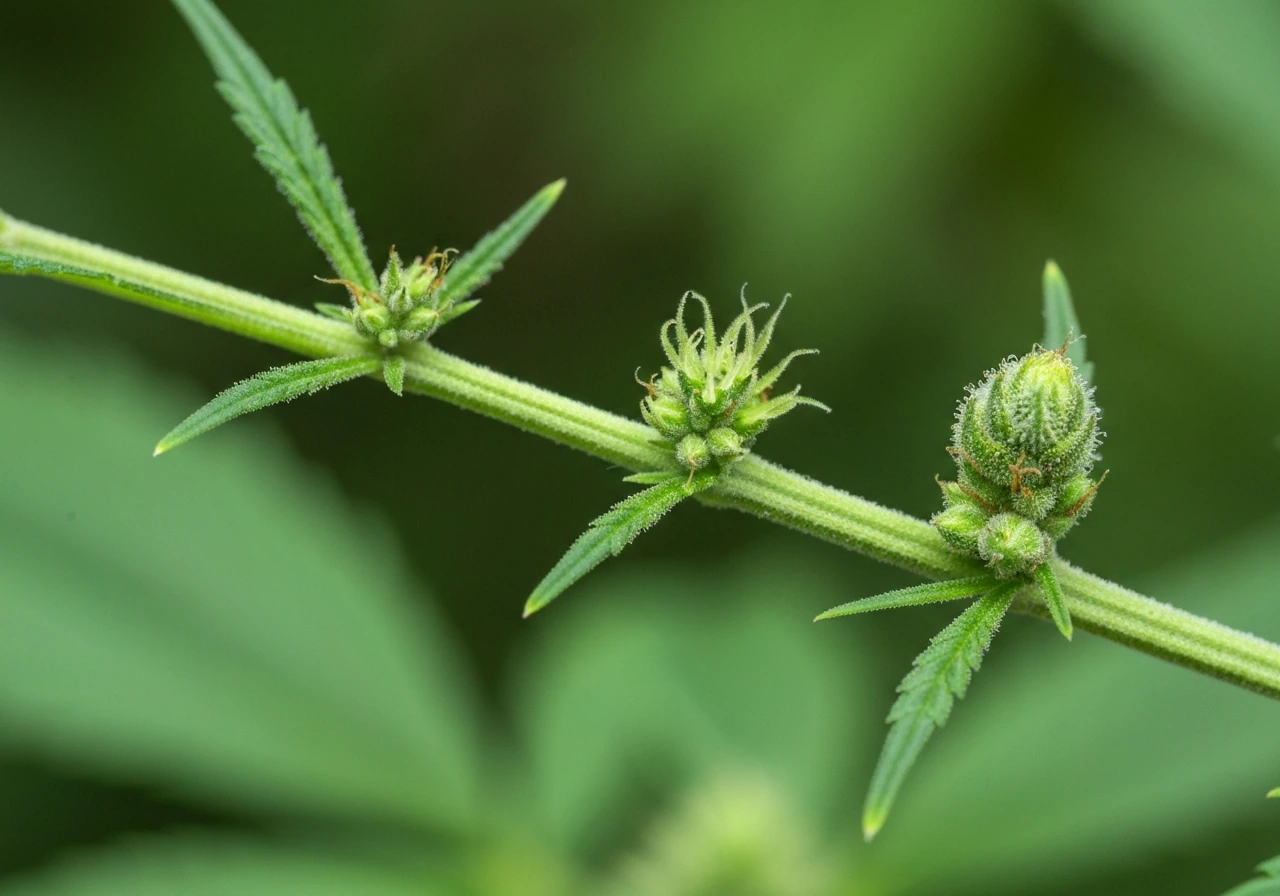
You don't have to guess. Plants give you clear visual signals when bud growth is ramping up fast, and learning to read them lets you time your care precisely.
- Bud swelling: The most obvious sign. Buds that were tight and flat against the stem begin to visibly plump up, looking rounder and larger than the day before. On trees, this often happens almost overnight once temperatures warm enough.
- Color change: Dormant buds are often brown or gray-green. Actively growing buds shift to brighter green, red, or purple depending on the species. A forsythia bud goes from dull brown to bright yellow-green. A rose bud goes from tight dark red to a more vibrant, lighter green as it opens.
- Scale separation: The protective outer scales (the papery or waxy coverings on many tree and shrub buds) begin to separate and pull back, revealing the paler, softer tissue inside. This is one of the earliest signs you can catch.
- Visible shoot or petal tip emergence: Green shoot tips become visible poking out of the bud, or you can see the first hint of petal color at the tip of a flower bud.
- Lengthening internodes: On actively growing vegetative shoots, the distance between leaf nodes visibly increases as bud growth peaks. What looked compact yesterday has noticeably stretched today.
- Increased plant water use: Not something you can see directly, but during peak bud growth your plant will drink noticeably more water. Pots feel lighter faster; soil in garden beds dries more quickly. This is a reliable indirect signal.
Practical steps to encourage more and healthier bud growth
- Water consistently, not sporadically. During active bud development, aim for even soil moisture. For garden plants, deep watering two to three times per week is usually better than shallow daily watering. For container plants, water when the top inch of soil is dry. Never let the plant wilt during this phase.
- Feed with a bloom-focused fertilizer at the right moment. Switch from a high-nitrogen fertilizer to a phosphorus-forward formula (like a 5-10-5 or 10-30-10 NPK ratio) as buds begin to form. Feeding too early with high nitrogen just creates leaves. Start the bloom fertilizer when you see the first signs of bud swelling.
- Prune at the right time, not just whenever you feel like it. For spring-flowering plants, pruning after bloom but before late summer preserves the new buds forming for next year. Pruning in fall or late winter removes those buds and kills your spring show. For repeat-blooming plants like roses, deadheading spent flowers immediately encourages the next bud cycle.
- Maximize light exposure. Move container plants to your sunniest location during bud development. For garden plants, cut back any overhanging branches or competing vegetation that's blocking sun. Most flowering plants need a minimum of six hours of direct sun to bud well.
- Protect from temperature extremes. A late frost can kill developing buds on fruit trees and ornamentals in minutes. Use frost cloth, row cover, or even an old bedsheet to cover plants when a frost is forecast after bud break. In summer heat waves, provide afternoon shade for plants prone to bud drop in high heat.
- Avoid repotting container plants during active budding. Repotting stresses roots at exactly the wrong time. If repotting is needed, do it before budding begins or wait until after blooming is finished.
- Check for and treat pests early. Aphids, spider mites, and thrips specifically target tender new buds. A weekly visual inspection during peak bud growth lets you catch infestations before they cause real damage.
Why buds stall or fail to grow
If your plant should be budding but isn't, or if buds are forming and then dropping without opening, one of these is usually the culprit.
| Problem | What it looks like | Fix |
|---|---|---|
| Insufficient chilling hours | Spring-flowering trees or shrubs leaf out but produce few or no flowers | Nothing to fix this season; choose chill-hour-appropriate varieties for your zone next time |
| Wrong pruning timing | Plant is healthy and leafy but no flower buds appear | Avoid pruning spring-bloomers after midsummer; check whether you removed last year's bud-bearing wood |
| Too much nitrogen | Lots of lush green growth but no buds | Stop nitrogen feeding; switch to a bloom formula and wait for the plant to shift its energy |
| Underwatering during bud development | Buds form but drop before opening; edges look dried or crispy | Increase watering consistency; check soil moisture daily during bud development |
| Overwatering or poor drainage | Buds yellow and drop; leaves may yellow too; soil smells sour | Improve drainage, reduce watering frequency, check for root rot |
| Low light | Buds are small, sparse, or fail to form at all | Move plant to higher light or add supplemental lighting for indoor plants |
| Heat stress above 90-95°F | Buds drop suddenly on otherwise healthy plants | Provide afternoon shade, increase watering, and mulch roots to keep soil cooler |
| Pests (thrips, aphids, spider mites) | Buds are deformed, discolored, or drop early; visible insects or webbing | Treat with insecticidal soap, neem oil, or appropriate pesticide immediately |
| Pot-bound roots | Plant hasn't budded well for a season or two; rootball is dense and circling | Repot into a container one to two sizes larger after this bloom cycle ends |
Seasonal planning around the bud growth peak
Since it's early July right now, here's how to think about bud growth across the rest of this season and into the next. If you’re asking whether late growers grow taller, the timing of when growth starts and how conditions change later can strongly affect final height do late growers grow taller.
Right now in July
Summer-blooming plants (roses, dahlias, echinacea, rudbeckia) are in active bud production. Keep up consistent watering during heat, deadhead spent blooms immediately on reblooming varieties, and use a phosphorus-forward fertilizer every two to three weeks. This is also when spring-flowering trees and shrubs like lilacs, rhododendrons, and azaleas are quietly forming next spring's flower buds on their new growth. Do not prune them after mid-July or you'll remove those buds. If you want to prune, do it in the next few weeks and then stop.
Late summer (August through September)
This is when bud initiation is happening inside spring-flowering plants, even though you can't see it yet. Keep watering, avoid heavy nitrogen fertilizing (which pushes leaves instead of supporting bud formation), and let plants begin to harden off naturally. Start reducing water for spring-dormant bulbs like tulips and daffodils as their foliage dies back. This is also when you should be thinking about planting spring bulbs: they need to go in the ground in fall to bloom next spring.
Fall (October through November)
Plant spring bulbs now for next year's bud show. For holiday cacti and chrysanthemums, this is their natural bud-initiation window, triggered by lengthening nights. For example, whether certain types of buds, like hops, grow wild can depend on where the plant is and how conditions such as light and moisture line up. Move holiday cacti to a spot where they get 12–14 hours of darkness per night and temperatures of 50–55°F at night for four to six weeks to trigger bud set. Do not prune spring-flowering trees and shrubs now; their flower buds are already formed and sitting on the branches.
Winter through early spring
This is the bud dormancy and chilling period for most temperate plants. The best thing you can do is leave dormant plants alone. Avoid pruning spring-bloomers until right after they flower. Watch for early bud swell on trees and shrubs in late winter as your first indicator that the growing season is starting, and have your bloom fertilizer and mulch ready to apply as soon as you see that first swelling. That's your cue to start the season's active care.
It's worth noting that bud behavior in one part of the plant can surprise you. Questions like whether buds develop differently without their supporting fan leaves, or whether bud growth continues during a flush phase, come up a lot once gardeners start paying close attention to their plants' bud cycles. Because buds sit on specific parts of the plant, their growth is usually limited to the main bud area rather than spreading horizontally across the stem. The more closely you watch your specific plants across full seasons, the more predictable their patterns become, and the easier it gets to give them exactly what they need at exactly the right moment.
FAQ
How can I tell if my plant is in peak bud-growth timing versus just “about to start” bud swelling?
Look for whether buds are already visibly swollen or only tightly closed. Swelling buds usually respond within days to changes in light and watering, while plants that are still in the invisible initiation phase often do not show improvement until after the temperature and photoperiod signals have been met.
If I miss the late-winter window, will buds still grow the most later in spring?
For many temperate spring-bloomers, the visible growth surge is tied to when warming follows dormancy, so delaying care often means you miss the fastest swell period. You can still support opening by keeping light full and moisture even, but bud number and flower size may already be set before you see swell.
Do buds grow the most on the entire plant, or only at certain spots?
Bud development is concentrated at specific bud sites (terminals and leaf axils). That means one branch or side of the plant can show progress earlier, especially if it gets more light or has different airflow, while other areas lag behind.
Why do my buds form but then fall off before opening (even though it seems like I hit the right season)?
Most common causes are heat stress, uneven watering during the swelling phase, or low light. A short drought or letting soil dry out repeatedly can trigger bud drop, and the same happens if roots sit soggy from overwatering.
Should I fertilize more heavily during peak bud growth, or can it backfire?
It can backfire. Use a phosphorus-forward fertilizer to support bud formation, but avoid heavy nitrogen during the bud stage because it tends to promote leafy growth instead of flowers. Also, don’t switch to high-potassium or heavy feeding if the plant is already heat-stressed, since stress can limit uptake.
How do I adjust timing when my location has warmer winters or earlier springs?
Watch for the plant’s cues rather than the calendar. Early bud swell on spring-flowering trees and shrubs is your local signal, and it often shifts your “peak” earlier by a few weeks when winter is mild. Still respect pruning rules based on whether buds are already present.
For spring bulbs, do I need to wait until soil is 50 to 60°F to get maximum bud growth?
You generally want to be past the cool phase so buds can rapidly expand as soil warms. If foliage is already dying back naturally, don’t force the process with extra watering or late feeding, since the plant needs a typical dry-back rhythm to transition into the next cycle.
What’s the fastest way to get more bud development indoors, where day length is limited?
Increase effective light intensity, not just total hours. Move the plant closer to a bright window or add grow lights, and keep temperatures steady during the expected bud phase. Indoor plants also respond more to consistent day-night conditions than to occasional changes.
Why do my summer-blooming plants not produce many buds in early July, even with regular watering?
Early July can coincide with bud initiation inside some shrubs, but if the plant is getting heat stress or too little sun, buds can stall. Confirm it has enough direct light (often at least several hours) and that daytime heat does not push temperatures into the range where bud drop becomes likely.
When is it safe to prune if I want the most buds next season?
For spring-flowering shrubs and trees, pruning after mid-July can remove next season’s buds. If you need a rule of thumb, prune right after the plant finishes blooming, then stop until the next cycle begins.
Do night temperatures matter as much as daytime temperatures for peak bud growth?
Yes, night conditions help trigger or maintain the swelling phase for many temperate plants. If nights stay too warm during a period when the plant expects dormancy or cool conditions, or if nights fluctuate wildly, bud development can become less predictable.
Can I speed up bud growth with more sun or more water?
More sun can help up to the point where heat stress begins, but extra watering usually does not help if it becomes uneven or waterlogged. The goal during bud swelling is evenly moist soil, plus strong light intensity, without extremes on either side.
Do continuously blooming plants have a “peak” time, or is it different from seasonal bud formers?
Continuous bloomers often produce buds in waves rather than one sharp peak. They can slow down temporarily during the hottest stretch or during low-light periods, so the “peak” usually tracks comfort temperature and stable light, not a single calendar date.
Do Buds Still Grow During Flushing? How to Tell and Fix It
Yes, buds can keep growing during flushing if light, water, nutrients, and temps are steady. Learn how to spot stalling