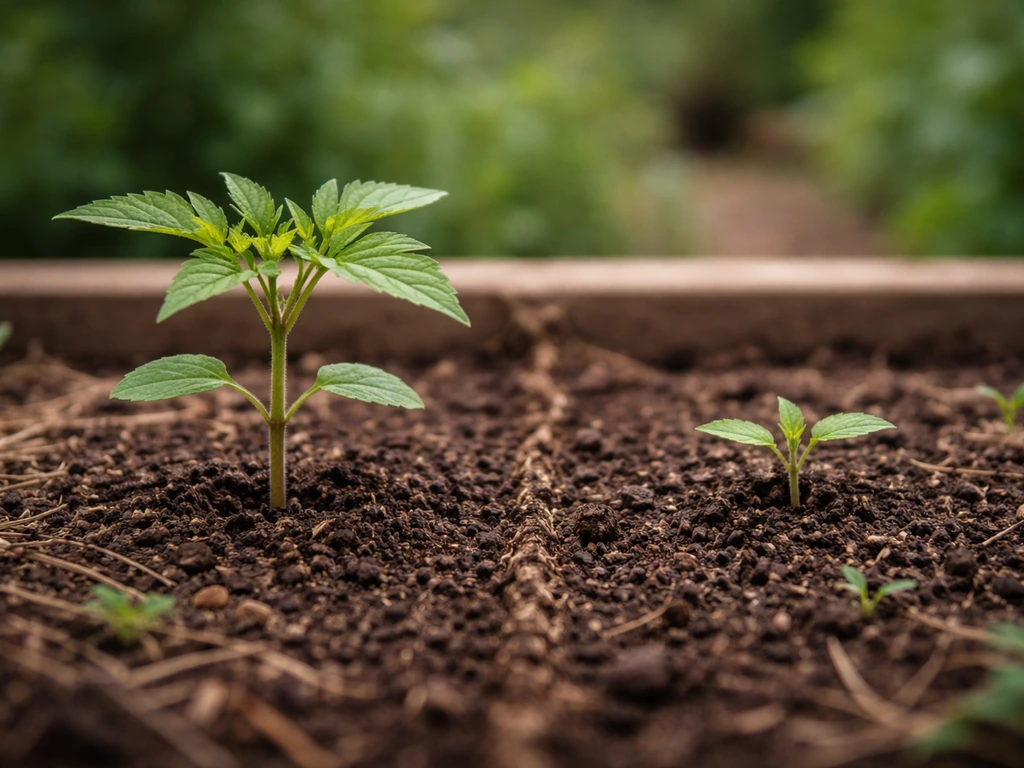
Yes, buds can absolutely still grow during flushing, but how much growth you see depends entirely on which kind of 'flushing' you're dealing with and whether the plant's basic needs are being met at the same time. If you're talking about a growth flush (the wave of new shoots a plant pushes after a rest period, pruning, or a seasonal cue), buds are literally the stars of the show. If you're talking about a nutrient or water flush (rinsing excess fertilizer or salts from the root zone), bud development should continue as long as you haven't disrupted root health in the process. The two meanings of the word cause a lot of confusion, so let's clear that up first.
Do Buds Still Grow During Flushing? How to Tell and Fix It

Marcus Weir
24 Jun 2026
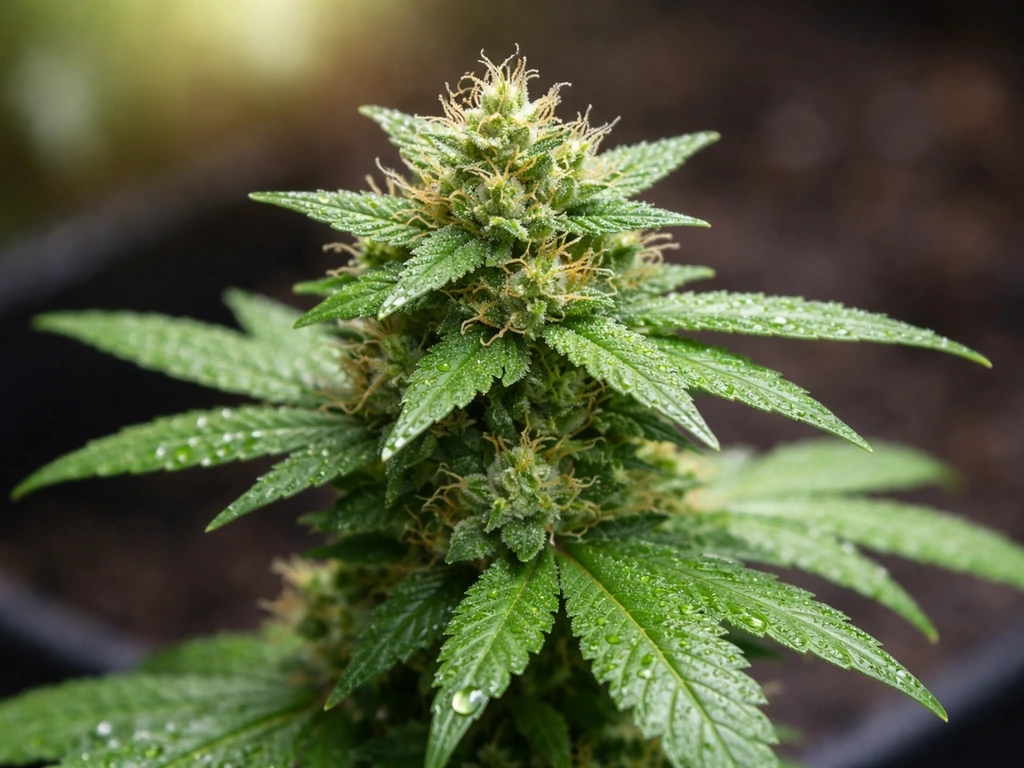
What 'flushing' means (and why the definition changes the answer)
In everyday gardening, 'flushing' describes two very different things. The first is a growth flush: the burst of new vegetative shoots and buds a plant produces after dormancy breaks, after pruning, after a watering schedule change, or after a seasonal transition. This is the flush that makes a citrus tree suddenly bristle with tiny light-green leaflets or sends a pruned shrub into overdrive with new shoot tips. University of Delaware Extension specifically describes pruning as a tool to 'flush out new growth' in woody plants, so this kind of flush is a deliberate outcome. The second meaning is a nutrient or salt flush, common in container and indoor plant care, where you run extra water through the potting medium to leach out excess fertilizer salts before moving the plant or correcting an overfertilization problem. Penn State Extension recommends this approach when container plants have been hit with too much fertilizer.
The reason the definition matters: during a growth flush, bud development is the whole point, so yes, buds are growing. During a nutrient flush, bud growth is neither the goal nor the automatic result. Whether buds continue developing depends on whether you've accidentally stressed the roots in the process. Both situations can stall bud growth if something goes wrong, but for completely different reasons.
Do buds actually grow during a flush?
During a growth flush, yes, buds grow, and they grow fast. In most plants, bud growth is strongest once the flush has moved past the tiny enlargement stage and the buds begin pushing new shoots when do buds grow the most. Research on citrus flush shoots describes the progression in a way that applies broadly to most plants: it starts with bud enlargement, then tiny unexpanded light-green leaflets appear (sometimes called a 'feather flush'), and those leaflets expand into full new shoots over days to weeks. At the very start of this stage, the new growth can be so small that you can't easily see it from a distance, even though real development is already underway. blank" rel="noopener noreferrer">This physiological lag between 'started growing' and 'visibly growing' trips people up all the time. They assume nothing is happening when in fact the buds are already moving.
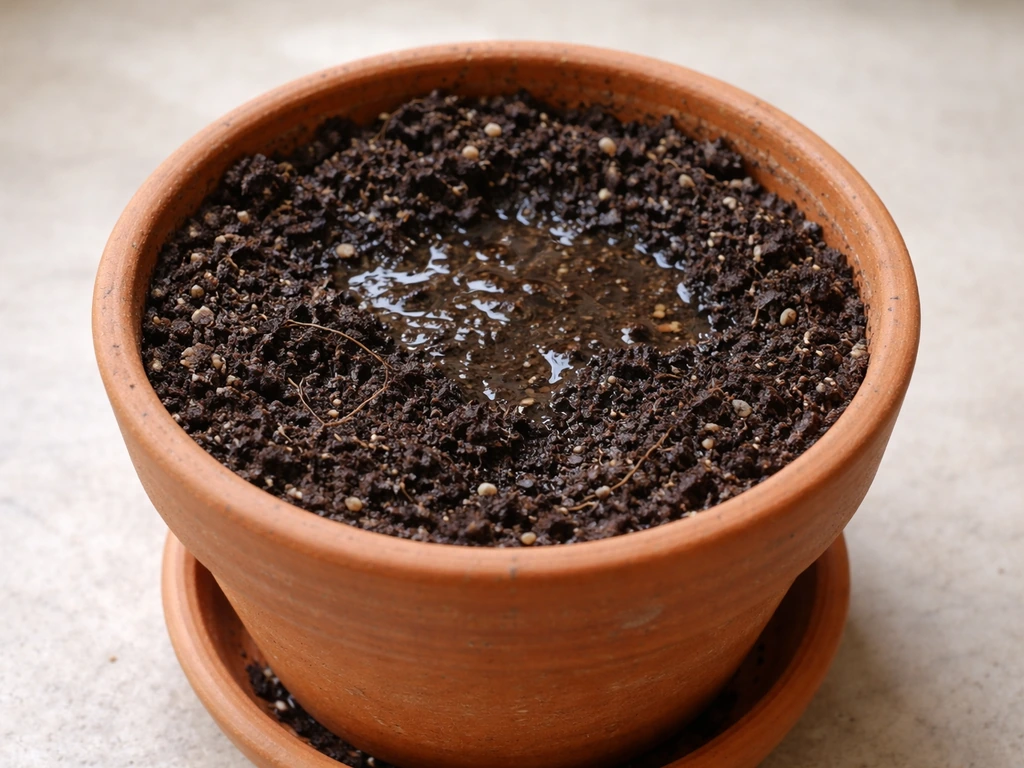
During a nutrient flush, buds should keep growing as long as root function stays intact. The risk is that running excess water through the medium can temporarily displace oxygen from the root zone. University of Maryland Extension and Utah State University Extension both document how waterlogged soil deprives roots of oxygen, which shuts down fine root function and prevents water and nutrient uptake. If a nutrient flush leaves the growing medium waterlogged for more than a day or two, you can absolutely see bud development slow or stall. But if drainage is good and the medium dries back to normal within 24 to 48 hours, you shouldn't see any interruption in bud growth.
One more nuance worth knowing: not every visible bud will break during a flush. NC State Extension explains the concept of latent buds, which are buds that form but stay dormant through an entire season rather than developing immediately. If you're watching a plant mid-flush and some buds aren't moving, it doesn't always mean something is wrong. If you are wondering whether hops can grow wild in nature, the answer depends on the region and how much care they need to keep thriving do hops grow wild. Some of those buds may simply be latent. Focus your attention on the actively swelling buds and healthy shoot tips rather than assuming every bud on the plant should be breaking at the same time.
How to tell if buds are forming vs. stalled
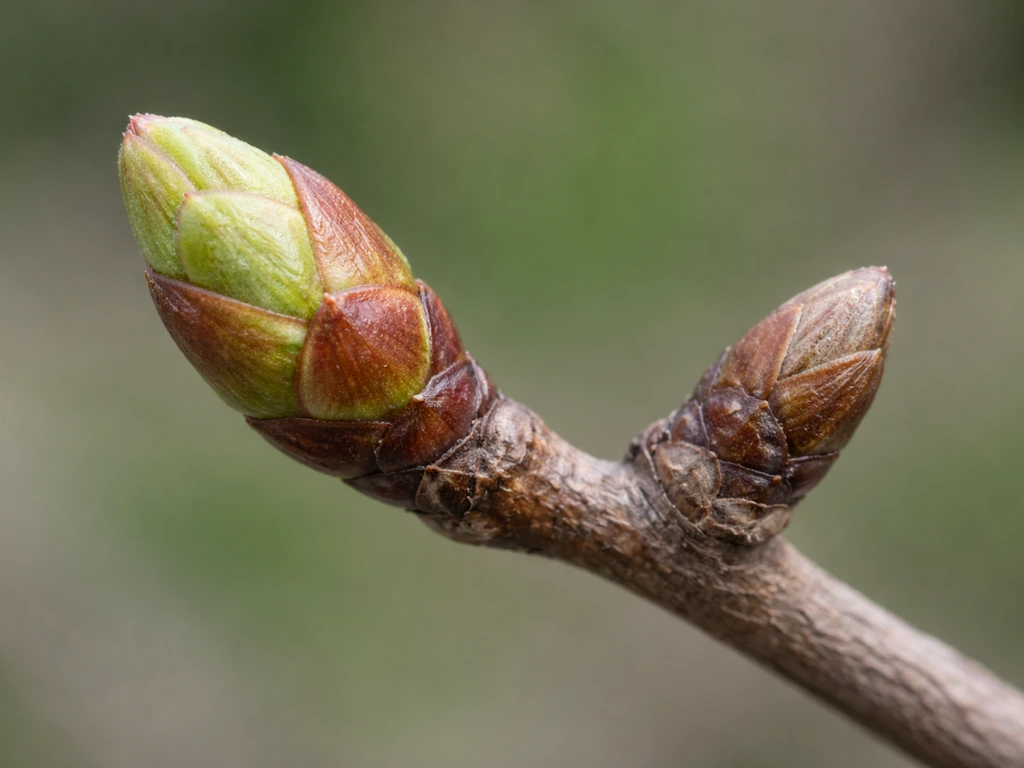
The earliest sign that buds are actively developing is swelling. A dormant or stalled bud sits flat and tight against the stem, often with a papery or dry outer scale. An actively growing bud visibly enlarges, the scales loosen or separate, and within days you'll see the tip turn green or begin to crack open. For woody plants like shrubs and trees, you may also notice a slight glossy sheen or a change in color at the bud tip before any green tissue is visible. On herbaceous plants and houseplants, watch for small, tightly folded leaf clusters emerging from growth nodes, often a noticeably brighter green than the surrounding mature tissue.
If you're not sure whether you're looking at a vegetative bud or a flower bud, the shape is your best clue. Research on blueberry bud types is useful here as a model: vegetative buds tend to be narrower, more pointed, and produce a new shoot and leaves, while flower buds are fatter, rounder, and show swelling across a broader surface. This distinction matters if you care whether your flush produces new foliage growth versus blooms.
A stalled bud, by contrast, looks the same week after week. The bud may stay tightly closed, turn brown at the tip, or show no change in size. If multiple buds across the plant show this pattern after you've already seen some initial swelling, that's a signal to troubleshoot. If none of the buds are moving at all and the plant recently came out of dormancy, insufficient chilling may be the issue (more on that below). If some buds broke fine but growth elongation has since stopped, the problem is more likely in the root zone or growing environment.
Conditions that promote bud growth during flushing
Getting a strong flush of bud development isn't mysterious; it comes down to giving the plant the same fundamentals it needs for any active growth phase, just at the right moment. Here's what actually moves the needle. If you’re wondering about timing, bud growth often peaks a few weeks into the active flush, when swelling is well underway and shoots are accelerating.
Light
Light is probably the single most underestimated factor. Without enough light intensity and duration, new buds either stall at the swelling stage or produce weak, spindly shoots that don't develop properly. University of Hawaii extension material ties spindly or stunted new growth directly to insufficient light as a primary cause. For outdoor plants, make sure you haven't recently moved the plant into a shadier spot or that neighboring plants haven't grown to block sun since last season. For indoor plants, getting closer to a south- or west-facing window, or adding a grow light at this time of year, can make a real difference in whether buds push through to full shoots.
Temperature
Most bud development needs consistently warm temperatures to sustain active growth after dormancy breaks. OSU Extension documents the budbreak-to-shoot-elongation window as broadly running from March through May in temperate climates, which maps to the period when temperatures stabilize above cool dormancy thresholds. For specific timing with spruce, you can also look up when spruce tips grow in relation to temperature and seasonal cues. For plants that needed winter chilling to release dormancy, UMN Extension notes that about four to eight weeks of temperatures in the 24 to 50 degree Fahrenheit range is typically enough to allow bud break, after which warmth drives development. Cold drafts, unheated spaces, or a late cold snap can stall buds that have already started to swell, which is one of the most frustrating stalls to diagnose because the plant looked fine one week before.
Watering
Consistent moisture supports root function, which supports bud development. For hedges, Iowa State Extension recommends shearing just after the new flush appears shearing hedges just after the new flush appears. But 'consistent' doesn't mean 'continuously wet.' The target is soil that stays evenly moist without sitting waterlogged. UMN Extension recommends thorough watering as part of post-transplant and establishment care to support new growth. The key is to water deeply and then let the medium begin to dry slightly before watering again, which keeps oxygen available in the root zone. For container plants going through a flush, watering on a schedule rather than by feel is less reliable than checking the medium by touch or with a moisture meter.
Nutrients
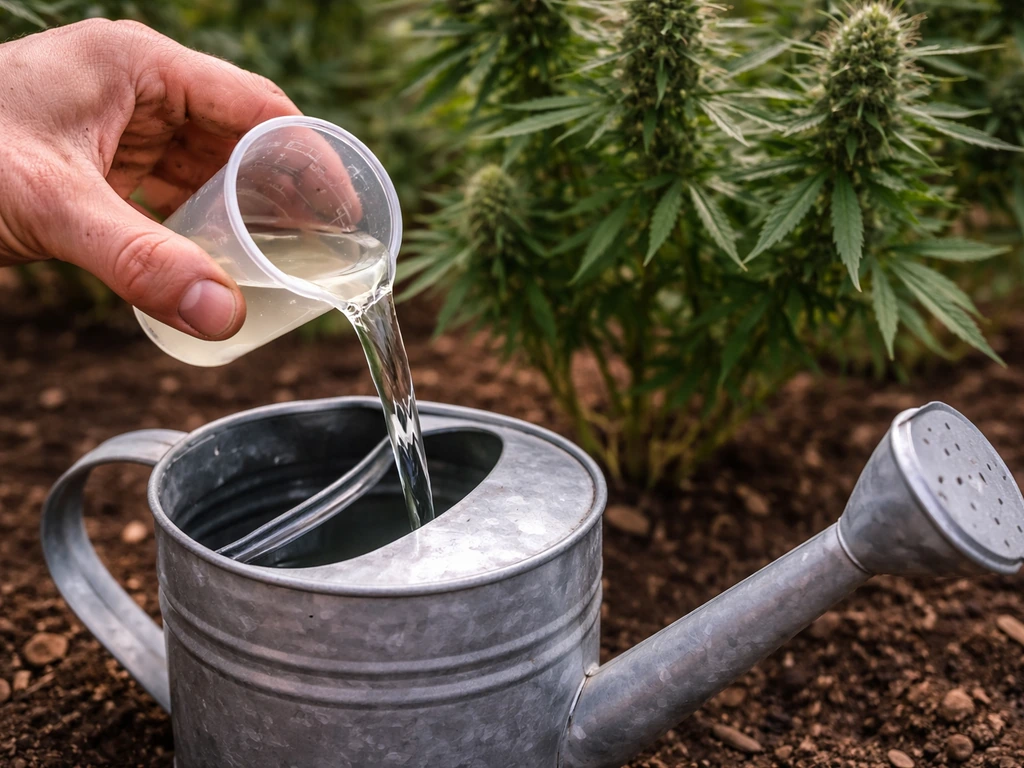
Active bud development consumes nitrogen and other nutrients, so some fertilizer support is appropriate during a growth flush. UMN Extension suggests starting regular fertilizer applications two to six weeks after planting for containers, which gives roots time to establish before pushing growth. For established plants in an active flush, a balanced fertilizer at the label's recommended rate is usually sufficient. The mistake to avoid is overfeeding in the hope of speeding things up. OSU Extension ties fertilizer burn (root damage from excess fertilizer concentration) to stunted and stalled growth, and Penn State Extension recommends leaching rather than continuing high rates if you suspect overfertilization.
Common reasons bud growth slows or stops while flushing
If your plant entered a flush and then seemed to stall, one of these is almost certainly the cause. Late growers usually do not end up much taller than earlier growers, because they have less time to stack growth do late growers grow taller.
- Overwatering after the flush started: The most common culprit. Excess water pushes oxygen out of the root zone, fine roots stop functioning, and bud development stalls even though the plant looks watered. Watch for wilting, yellowing leaves, or leaf drop alongside soil that stays wet for days at a time.
- Insufficient chilling before bud break: If a woody plant didn't get enough cold hours through winter (roughly 4 to 8 weeks at 24 to 50°F depending on species), buds may swell slightly but fail to fully break and elongate. This is more common after unusually warm winters.
- Pruning at the wrong time: Pruning during active bud swell to leaf-out can wound the plant and interrupt the flush already underway. Japanese maple growers know this well: cutting during that spring swell window causes unnecessary stress and bleeding. Ideal pruning timing for stimulating a flush is just before bud break, not during it.
- Not enough light: Buds that swell in low light may break but then produce weak, elongated shoots that stall quickly because photosynthesis can't support continued growth.
- Cold drafts or temperature swings: Buds that have already started developing are more sensitive to cold than dormant buds. A single cold night or a drafty indoor location can set growth back by weeks.
- Nutrient shock from a fertilizer change: Suddenly changing fertilizer rates in either direction, up or down, can stress roots and stall the flush. A switch from a high-nutrient regime to a heavy water flush, or vice versa, can cause a temporary growth pause while the plant adjusts.
- Latent bud behavior: Some buds are simply going to stay dormant regardless of what you do. If only certain buds are stalling and the rest of the plant is growing normally, latent bud behavior is a likely explanation rather than a problem.
What to do right now: step-by-step troubleshooting during today's flush
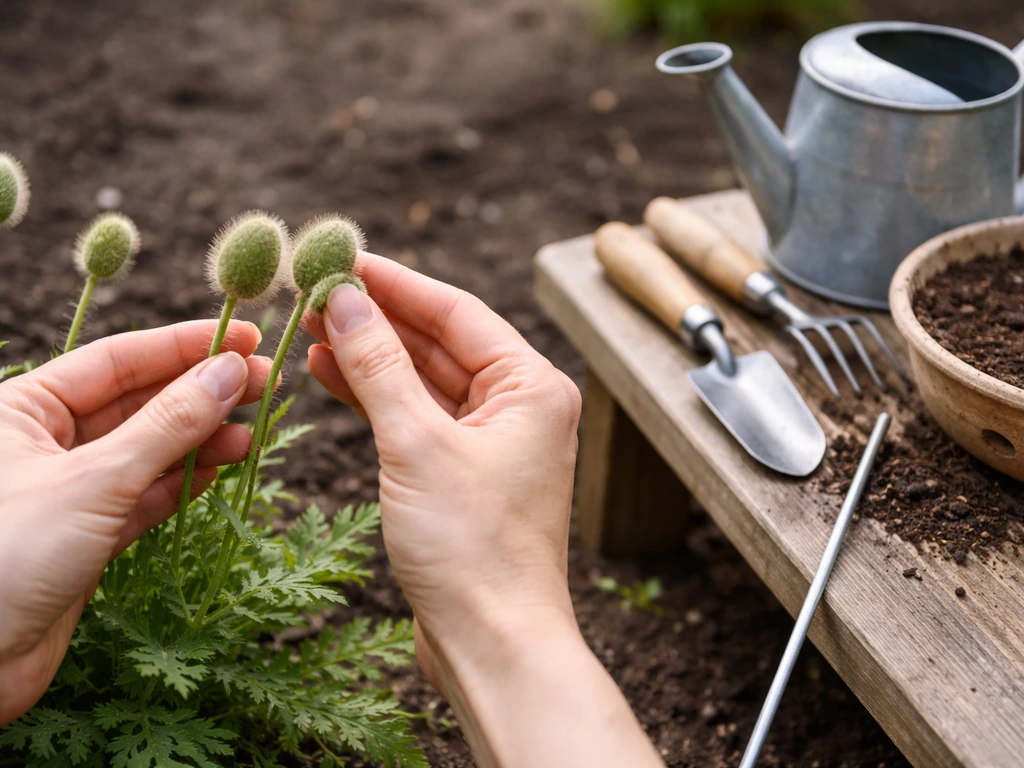
Use this sequence to figure out what's going on and what to do about it today. If you're trying to can you grow poppies hydroponically, the same root oxygen, light, and nutrient stability principles for fast bud growth still matter.
- Check your buds up close: Get within a few inches of the growth nodes. Are any buds visibly swelling, separating at the scales, or showing green at the tip? Even tiny feather-flush leaflets that are hard to see from a distance count as active growth. If you see any movement at all, the flush is underway and may just need more time.
- Assess soil moisture before anything else: Stick your finger two inches into the growing medium or use a moisture meter. If it's wet and has been wet for more than two days, overwatering is your most likely stall cause. Stop watering immediately, improve drainage if possible, and wait for the medium to dry back to 'moist but not saturated' before resuming.
- Evaluate light intensity: Is the plant getting direct sun for at least part of the day? For indoor plants, is the nearest window large and unobstructed? If light is borderline, move the plant closer to the window or add supplemental lighting. Expect to see a response in bud development within one to two weeks of improving light.
- Check ambient temperature: If nighttime temps are still dropping below 50°F for your outdoor plants, or if an indoor plant is near a drafty window or AC vent, temperature stress may be slowing the flush. Move indoor plants away from cold sources and monitor forecasts for late cold snaps outdoors.
- Review recent fertilizer history: Did you recently apply a heavy dose, change products, or run a heavy water flush through a container? If fertilizer salts could be an issue, do a controlled leaching: run clean water (at room temperature) through the container slowly until water flows freely from the drainage holes, then allow the medium to drain fully before resuming normal care. Penn State Extension recommends this approach for overfertilization correction.
- Look at your pruning timing: If you pruned during an active bud swell, give the plant two to three weeks to recover before assuming something is permanently wrong. Avoid any additional pruning until new growth has hardened off.
- Give it a realistic timeline: From visible bud swell to shoot elongation typically spans days to a few weeks, depending on species and conditions. OSU Extension places the budbreak-to-elongation window across roughly two to three months in temperate climates at a seasonal scale. Don't panic if today's buds look the same as yesterday's. Check every three to five days rather than daily, which makes real progress easier to spot.
- If nothing is moving at all and dormancy should be broken: Consider whether adequate chilling occurred. If you have a woody plant that overwintered in an unusually warm spot, it may not have accumulated enough cold hours. At this point, there's little you can do to retroactively supply chilling, but improving all other conditions (light, warmth, consistent watering) gives the plant the best chance of breaking bud as late as it's able.
One thing worth keeping in mind: bud growth during flushing is closely related to the broader question of when buds grow the most and whether fan leaves or other supporting structures need to be in place for full development. If you are also wondering whether can buds can grow horizontally as they develop, that tendency is tied to light direction, spacing, and how shoots are trained during the flush when buds grow the most. If you've recently removed significant foliage while triggering a flush, the buds may be slower to push because the plant has fewer resources to draw on while new photosynthetic tissue develops. Patience and stable conditions are usually more useful at that point than any additional intervention.
Quick-reference: flush stall causes and fixes
| Symptom | Most likely cause | Fix |
|---|---|---|
| Buds swelled then stopped, soil stays wet | Overwatering / root oxygen deficit | Stop watering, improve drainage, let medium dry back before resuming |
| Buds show no movement despite warm temps | Insufficient chilling or latent bud behavior | Optimize all other conditions; wait and monitor for 2 to 3 weeks |
| Buds break but new shoots are thin and pale | Insufficient light | Move plant to brighter location or add grow light |
| Growth stalled after fertilizer application or nutrient flush | Fertilizer shock or salt buildup | Leach container with clean water; pause feeding for 1 to 2 weeks |
| Buds drop or fail after a cold night | Temperature stress or cold draft | Relocate plant away from cold sources; protect outdoor plants from late frosts |
| Spotty bud break, some buds dormant | Normal latent bud behavior | No action needed; focus on actively swelling buds |
FAQ
If I did a nutrient flush, how long should I wait before deciding the buds are truly stalled?
Give it 24 to 48 hours to re-aerate, then reassess. Bud growth can look unchanged during the initial rewatering period, but if the medium stays soggy, you may need to improve drainage or reduce watering right away. If swelling has already started to loosen, stalled buds usually recover once oxygen returns.
Can I still flush and expect buds to grow if the root zone is already unhealthy or compacted?
Usually no, not without fixing the root zone first. Water-heavy flushing can worsen oxygen deprivation in dense or compacted media. If the pot drains slowly, switch to a lighter, better-aerated mix (or improve pot drainage) before doing any additional leaching so buds do not lose momentum.
What’s the fastest way to tell whether I’m dealing with a growth flush or a nutrient flush?
Look at timing and what changed. Growth flush follows a cue like dormancy break, pruning, or a seasonal shift, and you should see shoot enlargement and new tip activity. Nutrient flush follows a potting, fertilizer correction, or leaching step, and you usually notice the medium becoming wetter or lighter in EC rather than a sudden burst of new shoots.
Do flower buds and vegetative buds respond the same way during flushing?
Not always. Flower buds often show different swelling cues and may be slower to move than vegetative buds. If you see only vegetative shoots starting while flower buds remain tight for weeks, the most common causes are insufficient light or a mismatch in temperature and chilling requirements, not the flush itself.
If some buds stay dormant during a flush, should I prune them off or do nothing?
Do nothing initially. Latent buds can remain inactive through a season even while nearby buds grow, so removing them wastes time and energy the plant could use for active shoots. Wait until you confirm a pattern (no swelling over time across the same bud type), then adjust the environment instead of cutting first.
How do I prevent buds from stalling after flushing without overwatering?
Water thoroughly once, then aim for a drying rhythm where the medium is evenly moist but not constantly wet. A practical check is the fingertip method or a moisture meter, but avoid watering again simply because the surface looks dry, especially in larger pots where moisture persists deeper.
Will flushing remove nutrients that the plant needs to push bud growth?
Yes, nutrient leaching can temporarily lower available salts and nitrogen, but buds can still continue if basic conditions are met. If bud growth slows after leaching, wait and resume feeding at a moderate, label-rate schedule rather than immediately increasing fertilizer concentration, because root stress from excess buildup is a common follow-up problem.
My buds swelled then stopped. Is that more likely a light problem or a root oxygen problem?
If the medium has been staying wet, think oxygen first. If the medium is drying normally, insufficient light is a frequent culprit, especially for indoor plants shifted to darker spots. A simple comparison is whether other signs (spindly shoots, pale green new growth) also appear, those point to light before nutrition.
Does flushing in winter or during a cold snap affect buds differently than in spring?
Yes. During colder periods, buds may swell but then pause because temperatures are not high enough to sustain development. If you recently flushed and then exposed the plant to drafts or dropped temperatures, prioritize stable warmth and protection from cold air before attempting any additional watering or feeding changes.
Next Article
Do Late Growers Grow Taller? What to Expect and Why
Learn why late growers may catch up or stay shorter, plus how light, nutrients, temps, and timing affect final height.