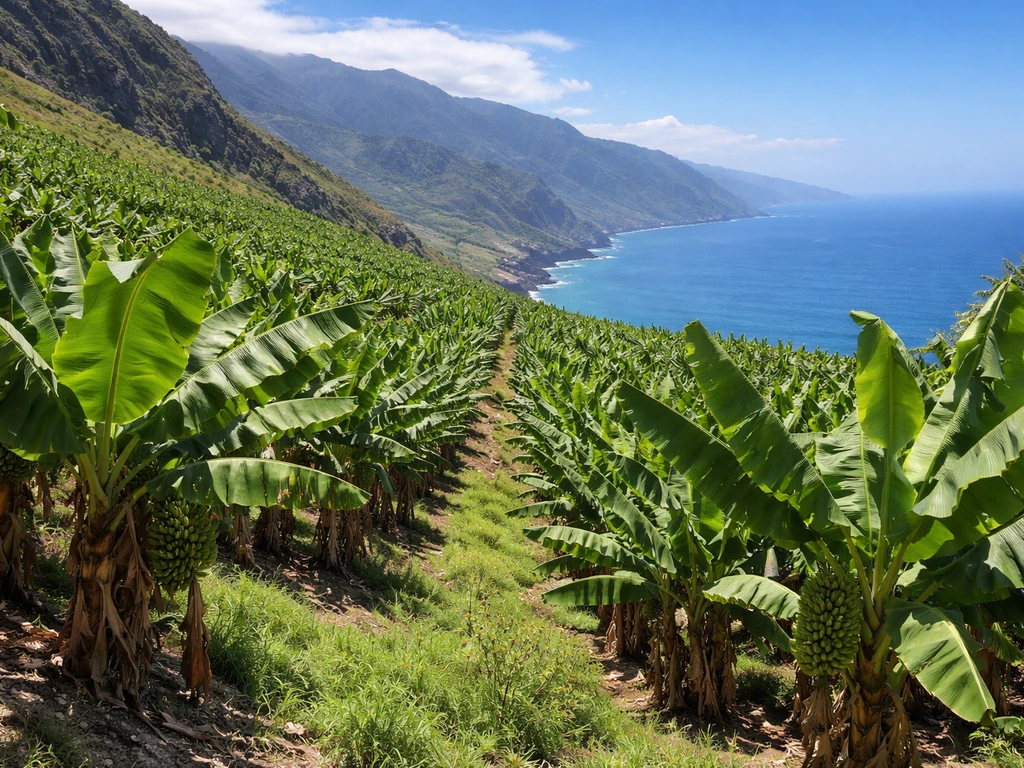
The Windward Islands are a group of islands in the southeastern Caribbean (Lesser Antilles) that includes Dominica, Grenada, Martinique, Saint Lucia, and Saint Vincent and the Grenadines. People there grow root crops like dasheen, yams, cassava, and sweet potato alongside plantains, breadfruit, and a range of tropical fruits and vegetables. Those crops end up in the everyday meals most visitors notice first: stewed meats and fish served over ground provisions, callaloo soup, boiled green bananas with saltfish, and richly spiced one-pot dishes. If you came here wondering about windward-facing farming rather than a specific place, scroll down to the planting section, which covers what actually thrives in wet, trade-wind-exposed tropical conditions.
What Do They Grow and Eat in the Windward Islands

Which "Windward" are we talking about?
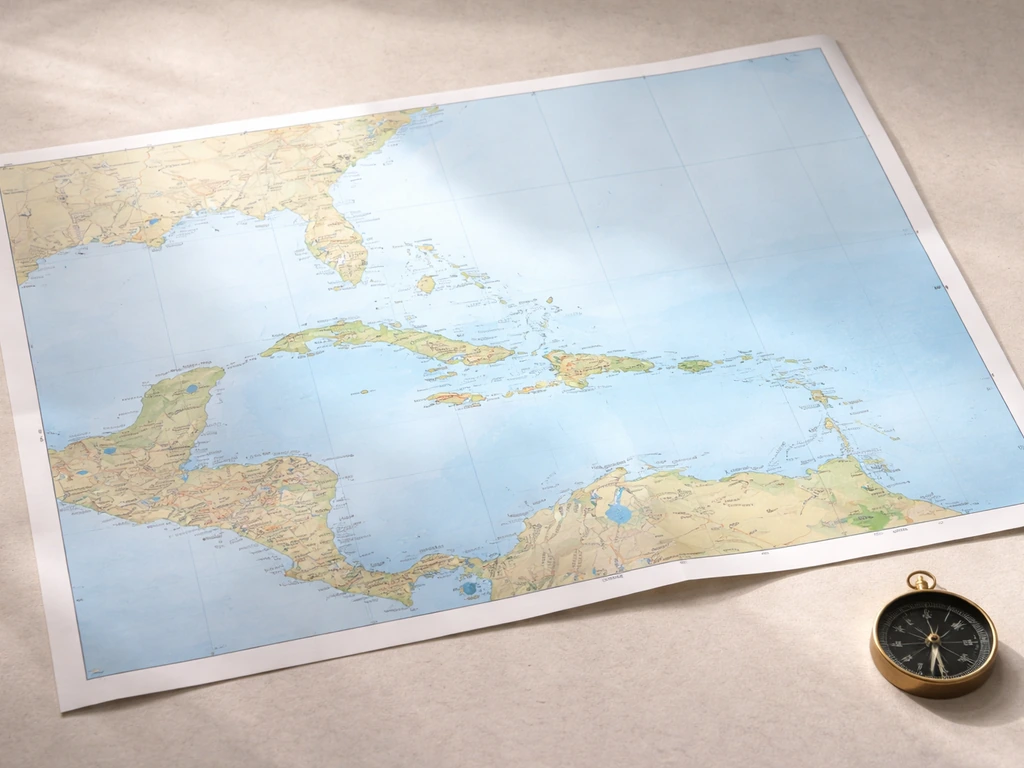
Most people searching this question mean the Windward Islands of the Caribbean, and that is what most of this article covers. The name comes from geography: these islands sit in the path of the northeastern trade winds and are therefore the "windward" side of the Lesser Antilles chain. The trade winds push moisture-laden air upward as it hits the island ridges, producing heavy orographic rainfall on the windward (eastern) slopes and drier, rain-shadow conditions on the leeward (western) sides. That same principle applies anywhere in the tropics: the windward face of a slope is almost always wetter than the leeward face. Islands like Gran Canaria and Tenerife, which sit in a different wind regime off the African coast, show the same windward-wetter, leeward-drier split. For the same windward-leeward logic in the Atlantic, you can also look up what people grow in Gran Canaria’s wetter areas. So if you are asking about windward-facing growing conditions as a farming concept rather than the Caribbean island group specifically, the short answer is: wet, humid, and well-suited to moisture-loving crops like taro, bananas, and leafy greens.
Why the climate here shapes everything that grows
The Windward Islands sit squarely inside the trade-wind belt, and the FAO describes them as characterized by sharp topographic relief and high annual rainfall. Saint Lucia's weather records show roughly 50 to 99 mm of rain per month during the dry season (December through May) and 136 to 191 mm per month during the wet season (June through November). Dominica is even wetter in many areas. That seasonal structure drives planting decisions across the region: farmers lean into the wet season for water-hungry crops and use the drier months for crops that need less irrigation or for soil preparation. Hurricanes complicate things further. The main hurricane track passes directly through these islands, so any agricultural plan has to account for storm damage between June and November. Heavy rainfall during outer storm bands can cause flooding and landslides on already-steep volcanic slopes, wiping out crops in hours. Long-term residents build this risk into what they choose to grow, favoring resilient crops that can recover or be replanted quickly. If you’re wondering how the idea shows up in faith life, Saint Augustine’s growth is often traced to his turn toward scripture and disciplined spiritual practice.
The core crops: what people actually grow
Ground provisions: the foundation of the kitchen garden
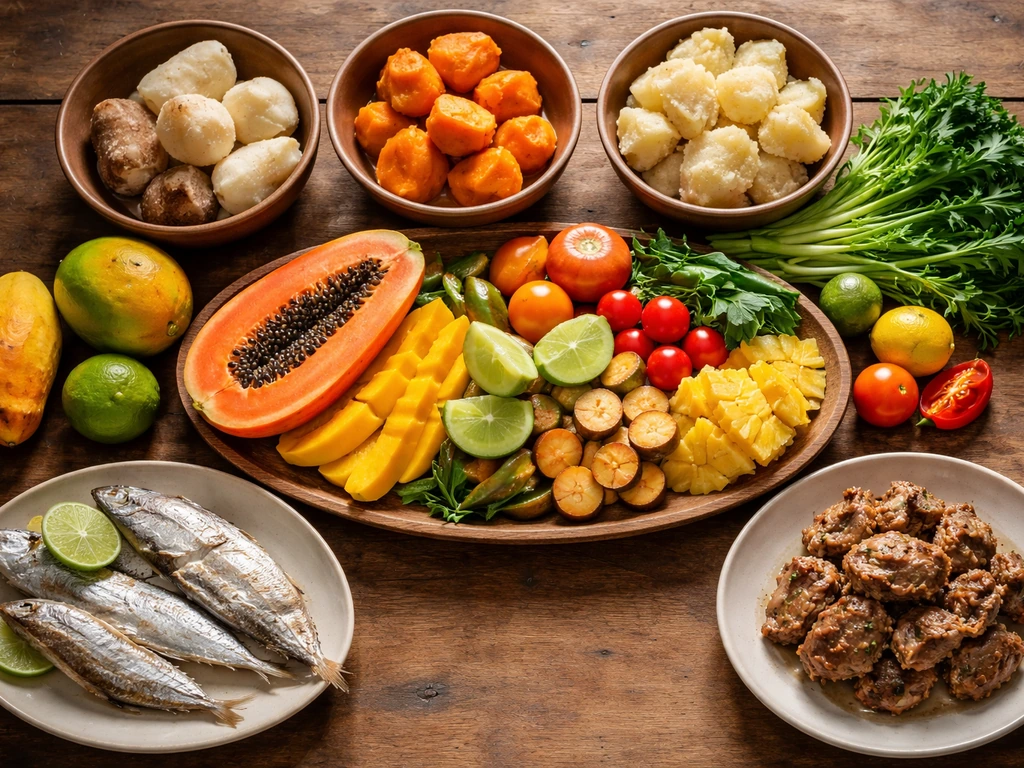
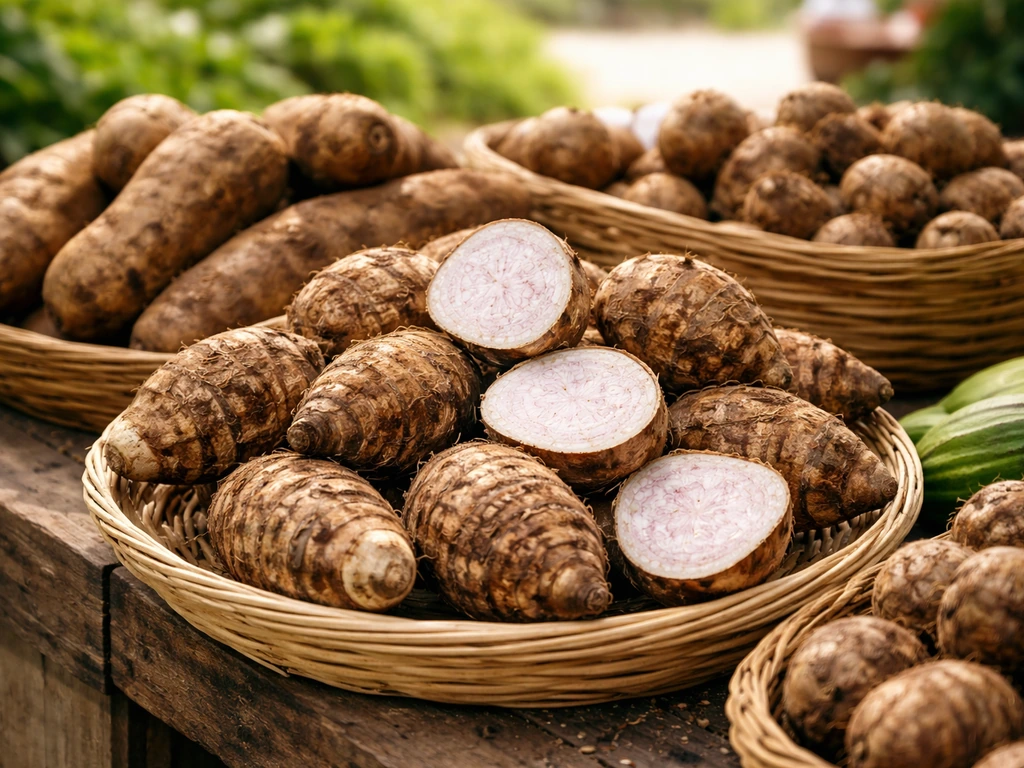
"Ground provisions" is the West Indian term for traditional starchy root and corm crops, and in the Windward Islands it covers dasheen (taro), eddoes, tannia (Xanthosoma), yams, sweet potatoes, cassava, and breadfruit. These are not side dishes here; they are the caloric backbone of the daily meal. Dasheen grows particularly well in this region because taro is more tolerant of rainforest-like conditions than almost any other starch crop. Both the corm and the leaves (called callaloo) are eaten. Cassava is another workhorse because it tolerates poor soils, and green bananas and plantains fill a similar role to potatoes in other cuisines: boiled, roasted, fried, or mashed depending on ripeness.
Fruits, vegetables, and legumes
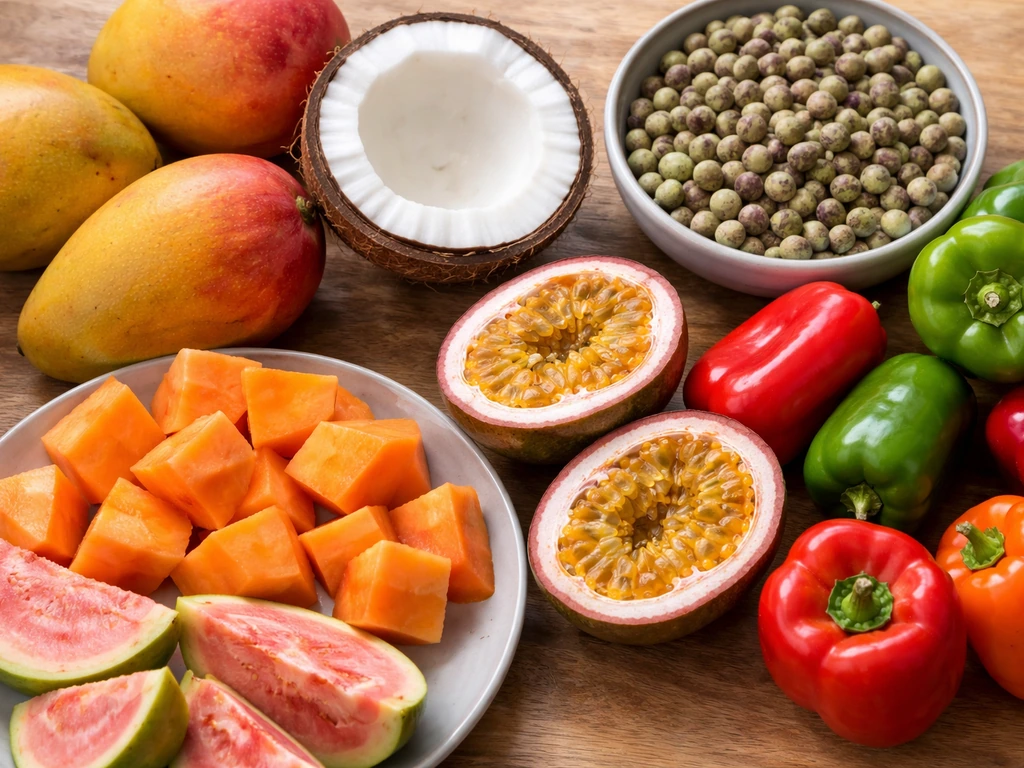
Beyond ground provisions, home gardens and small farms produce a wide range of tropical fruits: mangoes, coconuts, papayas, passion fruit, soursop, guava, avocado, and citrus. Grenada is particularly known for spice crops, especially nutmeg and mace (Grenada is sometimes called the "Spice Isle"), along with cinnamon, cloves, and turmeric. Vegetables in active use include christophene (chayote), okra, pumpkin, hot peppers, tomatoes, string beans, and pigeon peas. Pigeon peas and black-eyed peas are the most common legumes in household gardens. Okra deserves special mention for the kitchen garden: it flowers and produces pods over up to six months if you harvest every couple of days, giving you a steady crop from a single planting in hot conditions.
Spices and tree crops
Coconut palms are everywhere and supply oil, water, and coconut milk used in nearly every savory dish. Bay leaf (Pimenta racemosa, not the European bay laurel) is produced in Dominica and used heavily in local cooking. Moringa, tonka bean, and various medicinal herbs round out what you find in traditional yards.
What people eat: how those crops show up on the plate
The ingredient-to-meal link is direct and not complicated. Ground provisions are boiled or roasted and served alongside stewed or browned meat or fish. Rice and peas (usually pigeon peas or kidney beans cooked together with coconut milk) appears constantly as a substitute or companion to ground provisions. Saint Lucia's national dish is green figs and saltfish, which is boiled green banana served with salted codfish, seasoned with onions, peppers, and local herbs. Bouyon, a rich one-pot soup containing meat, dumplings, and ground provisions, is common across the islands. In Dominica, crab callaloo is a beloved dish: dasheen or tannia leaves cooked down with coconut milk, crab (blue land crab or freshwater crab), and seasonings into a thick, fragrant soup-stew. Breadfruit is fried, roasted, boiled, or made into chips depending on the household. Ripe plantains are fried as a sweet side. The general pattern is: starchy ground provision or rice, a protein (stewed chicken, fish, or goat), and a vegetable side or leafy green.
| Crop | How it is most often eaten |
|---|---|
| Dasheen / taro | Boiled with stew, leaves used in callaloo soup |
| Green banana / plantain | Boiled with saltfish, fried ripe, mashed |
| Breadfruit | Roasted, boiled, fried, made into chips |
| Yam | Boiled, served with stewed meat or fish |
| Cassava | Boiled, ground into flour for bammie/flatbread |
| Sweet potato | Boiled, roasted, used in soups |
| Pigeon peas | Rice and peas cooked with coconut milk |
| Okra | In soups, stews, sautéed as a side |
| Coconut | Coconut milk base for most savory dishes |
| Nutmeg (Grenada) | Spice in drinks, desserts, and sauces |
Livestock and seafood: what they raise and catch
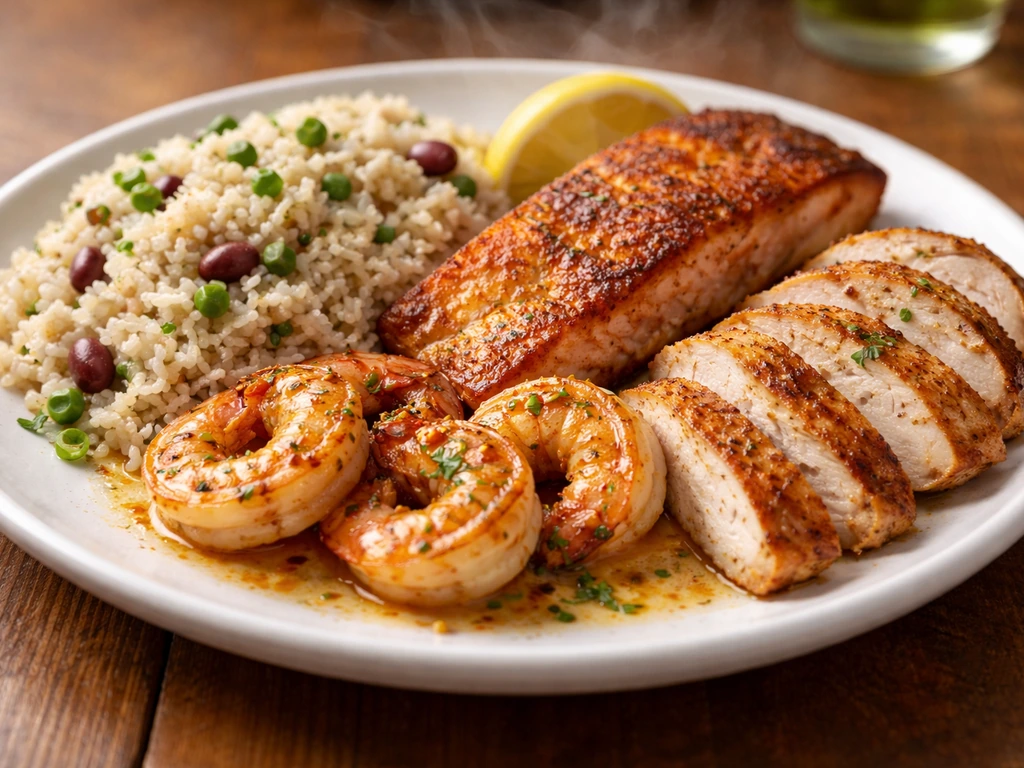
Livestock production across the Windward Islands is dominated by poultry and pigs, which together make up the bulk of locally produced meat. Chicken is by far the most common protein at the household level. Goats and sheep are raised in smaller numbers, though Saint Lucia's Ministry of Agriculture has been actively encouraging small ruminant production to reduce import dependence, specifically trying to get more goat meat into local markets. Cattle exist but are not the primary meat animal; dairy is limited. Eggs from backyard hens are an everyday protein source.
Seafood is just as important as meat, and in some communities more so. Offshore fishing targets pelagic species like tuna, wahoo, and king mackerel, with the most active fishing in Dominica occurring between January and June when migratory pelagics are accessible. Spiny lobster and queen conch are also caught and sold. Dominica has a particularly strong crab culture: blue land crabs and freshwater mountain crabs are harvested seasonally and command high prices at local markets, with crab being central to dishes like the callaloo mentioned above. Grenada's fisheries are similarly oriented around pelagics and shellfish, with fishing described as central to both livelihoods and cultural identity.
What to plant if you have a windward or tropical setup
If you are setting up a garden in a wet, humid, trade-wind-exposed location (whether in the Caribbean or anywhere with similar conditions), the Windward Islands crop list is a solid starting point. The crops that have been selected over generations here are exactly the ones that perform well in high-rainfall, warm, often-cloudy conditions with periodic storm risk. Mission Santa Barbara’s early community gardens were shaped by what could grow in a Mediterranean climate along the Santa Barbara coast.
Easiest crops to start with
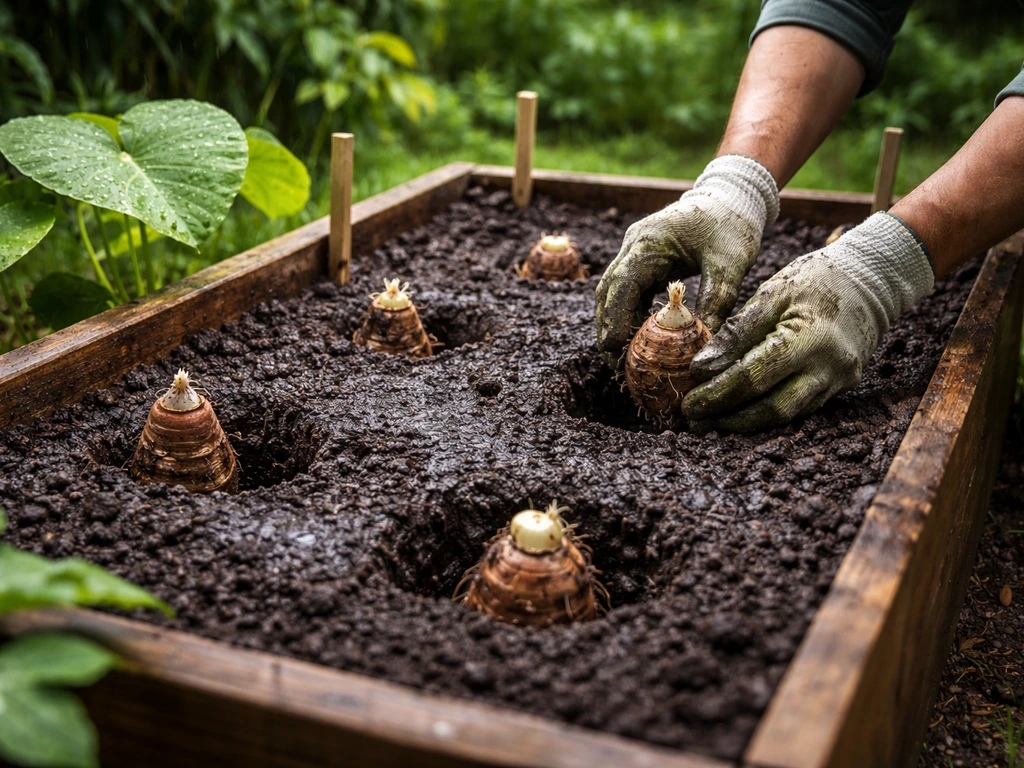
- Dasheen / taro: thrives in wet conditions better than almost any other starch crop; plant the corms about 30 cm deep in moist, even boggy soil; tolerates partial shade
- Plantain / banana: adapted to heavy rainfall but needs well-drained soil to avoid root rot; space plants 2.5 to 3.5 meters apart depending on variety; expect to harvest a bunch roughly 80 to 90 days after the shoot fully emerges
- Okra: sow directly in warm soil; harvest pods every other day or they become woody; a single bed can produce for up to six months
- Sweet potato: fast-growing in warm soil; the main threat is the sweet potato weevil (Cylas species), so start with certified clean planting slips and do not replant from heavily infested material
- Pigeon peas: drought-tolerant once established, which matters during the dry season; fix nitrogen and double as a windbreak for smaller plants
- Cassava: tolerates poor or degraded soils; plant stem cuttings at a slight angle; minimal inputs needed once established
Seasonal timing to keep in mind
The regional wet season runs June through November and the dry season runs December through May. The FAO strategic framework for Saint Lucia also describes the dry season (Jan to May) and wet season (Jun to Dec) and notes vulnerability to hazards such as hurricanes, floods, and drought blank" rel="noopener noreferrer">dry season (December through May) and the wet season (June through November). For water-hungry crops like dasheen and bananas, planting at the start of the wet season (June) means you are working with the rain rather than against it. For crops that need a drier establishment period or that are vulnerable to fungal issues in waterlogged soil (sweet potato is a good example), the early dry season (December to January) planting gives them time to establish before heavy rains return. Hurricane season overlaps with the wet season entirely, so avoid putting significant investment into vulnerable annual crops (like large plantain or vegetable beds) without some protection or succession planting strategy. Interplanting and polyculture, rather than monoculture rows, is what traditional farmers here have always done, and it genuinely reduces total crop loss when storms hit. ECHOcommunity also discusses taro/dasheen blank" rel="noopener noreferrer">pest and disease mitigation, including using crop rotation, planting uninfected material, and using polycultures or intercropping to reduce microbial and insect problems.
How to verify what's local for your exact island
The Windward Islands share a climate and a food culture, but each island has its own microclimates, dominant crops, and local extension programs. What thrives on the wet eastern slope of Dominica is not identical to what a farmer grows on the drier southwestern coast of Saint Lucia. The most reliable sources to verify specifics for your exact location are:
- Your island's Ministry of Agriculture: each Windward Island government has an agriculture ministry or department that publishes crop calendars, recommended varieties, and pest management guidance for local conditions. Saint Lucia's Ministry, for example, has partnered with FAO on a Climate Smart Agriculture and Integrated Crop Management project specifically targeting vegetable production under local conditions.
- Local agricultural extension officers: these are the on-the-ground people who know your parish or district's soil type, rainfall patterns, and which pests are currently active. They are the best single resource for timing questions.
- Farmer field schools and IPM programs: FAO has implemented farmer field school programs in Saint Lucia and across the region; these programs publish practical pest management and crop scheduling information that is more current and location-specific than any general guide.
- Island meteorological services: Dominica's Met Office and Saint Lucia's Meteorological Services both publish monthly rainfall data and seasonal forecasts that let you plan your planting calendar around actual weather history for your location.
- ECHO (Evangelical Community Health Outreach) tropical agriculture resources: ECHO's technical notes cover dasheen, bananas, sweet potato, okra, and many other Windward staples in detail, including spacing, pest management, and harvest timing. They are free, practical, and written for tropical small-farm conditions.
One practical first step: look up your specific island's crop variety list from the Ministry of Agriculture before purchasing seeds or planting material. Local varieties of dasheen, yam, and sweet potato have been selected over generations for performance in your exact soil and rainfall conditions, and they will generally outperform anything imported from a temperate-zone seed catalog. If you are comparing notes with gardeners on other islands with strong agricultural identities, you will find that places like Gran Canaria or Tenerife have their own windward-leeward crop patterns shaped by the same trade-wind logic, even though the specific crops differ in those Atlantic island contexts. On Tenerife, you can also look up local guidance for what grows best based on your zone, rainfall, and sun exposure what do they grow in Tenerife.
FAQ
If I mean “what do they grow and eat in the Windward Islands” generally, do I need to pick one island (like Saint Lucia) or is the crop list the same everywhere?
It is similar across the group, but not identical. Each island has different rainfall patterns, slope steepness, and soil types, so dominant crops and garden favorites can vary, for example Dominica’s heavier volcanic conditions versus a drier coast in Saint Lucia. The safe approach is to start with the shared ground-provision and tropical-garden base, then confirm specific varieties and planting calendars for your exact island and even your neighborhood’s exposure.
Are ground provisions always eaten with meat and fish, or do people eat them on vegetarian days too?
They can absolutely be eaten without meat or fish. In many households ground provisions and rice can be the main bulk of the meal, with coconut milk, legumes like pigeon peas, and seasonal vegetables providing richness and protein. If you want a clear vegetarian meal pattern, look for dishes built around callaloo or beans plus a starchy provision, rather than relying on stewed meat every time.
What part of the plant gets eaten for taro or dasheen, the corm or the leaves, and are both used in everyday cooking?
Both are used. The starchy corm is boiled or roasted as a staple, and the leaves are also cooked and eaten as callaloo. If you are growing it at home, plan to treat and cook the leaves properly because they can contain natural irritants when raw, and using local cooking methods matters.
When planting in a Windward-style wet climate, what is the biggest mistake people make with sweet potato?
A common error is planting too late into the wet season, which can keep soils waterlogged and raise the chance of rot or poor establishment. The article’s timing guidance matters here, early dry season planting can give vines and roots time to take hold before the heavier rains return.
Do they grow vegetables year-round, or does the wet and dry season change what’s practical?
Seasonality affects what you should expect in the garden. During the wet season, moisture-loving crops and leafy greens perform best, while some vegetable beds may fail repeatedly after storm damage. During the dry months, it is easier to establish plants that need less continuous moisture, plus those months are useful for soil prep before the next wet-season surge.
If hurricanes are common, should I avoid planting annual vegetables entirely?
Not necessarily, but you should plan for loss. Use succession planting (smaller, staggered plantings), interplant across beds, and avoid putting all your resources into one large crop block that could be wiped out by flooding or landslides. Some farmers also focus more on resilient ground provisions and hardy leafy plants that can rebound faster after storms.
Are green bananas always boiled with saltfish, or is that just a single national dish example?
It is a well-known example, but green banana preparation is broader than one dish. Across the islands, green bananas and plantains are boiled, roasted, fried, or mashed depending on ripeness, and saltfish is one common protein pairing rather than the only one.
Do they eat more fish or more meat, and does it depend on where you are?
It depends on the community. Seafood can be central, especially where fishing is active and livelihoods rely on coastal harvests, while poultry and pigs dominate locally produced meat. If you are trying to predict what you will find at markets or in home meals, ask what is most available that month, since seasonal access to crabs, lobster, conch, and pelagics can shift.
What legumes and leafy greens are most likely to show up in household gardening and meals?
Pigeon peas and black-eyed peas are common household legumes, and callaloo (taro dasheen or related leaf greens) is a signature leafy preparation. For garden planning, pigeon peas can give longer harvest value, while callaloo-style greens should be scheduled so you can harvest consistently instead of once.
If I want coconut-based ingredients, is coconut milk used for specific dishes only, or broadly?
It is broadly used. Coconut milk appears frequently in savory cooking, especially in rice and peas preparations and in soups or stews. Coconut palms being everywhere means it is often integrated into everyday meal structure rather than reserved for special dishes.
For someone trying a “Windward-style” diet at home, what is the simplest ingredient-to-meal template?
A practical template is one starch foundation (ground provision or rice), one protein component (stewed chicken, fish, goat, or beans), and one vegetable or leafy element. Seasoning is key, use local-style aromatics and spices, then adjust the starch based on what is available (taro, cassava, sweet potato, plantain) and cook in the style that matches the ingredient’s texture.
What Do They Grow in Tenerife: Fruits, Vegetables, Flowers
Guide to what they grow in Tenerife: fruits, vegetables, flowers by microclimate, with planting and beginner tips.