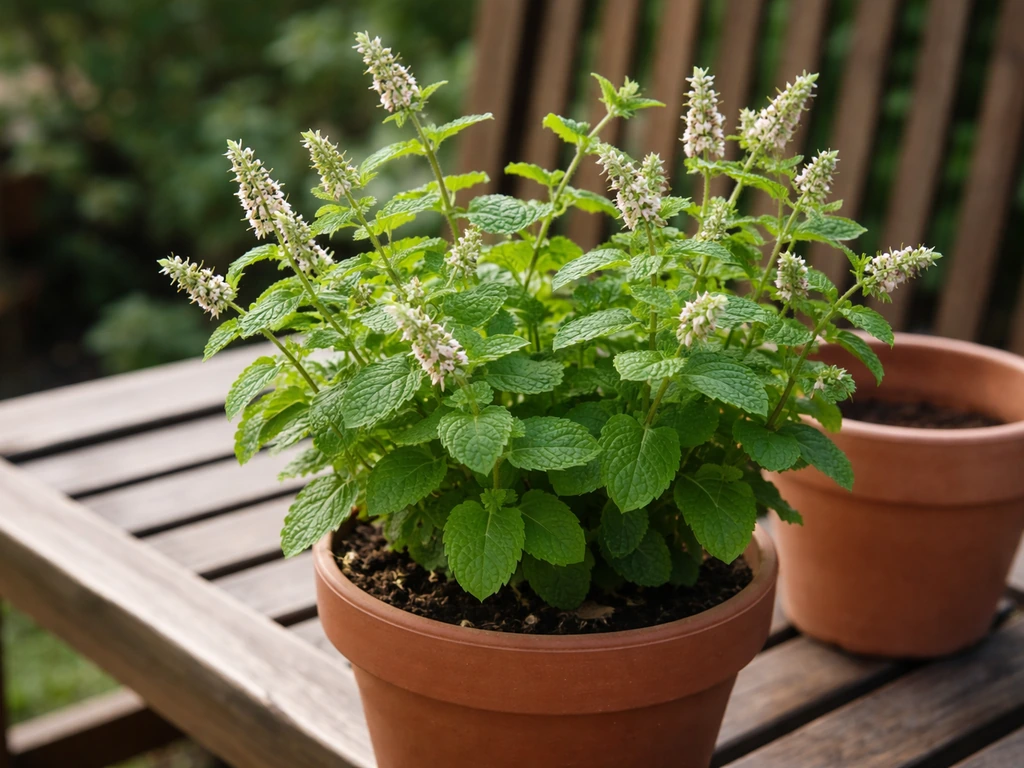
Mint needs at least 4 to 6 hours of sun per day, rich and consistently moist soil with good drainage, a pH between 6.0 and 6.5, and moderate temperatures in the 55 to 72°F range. It's not a fussy plant, but get the watering or drainage wrong and it will either rot or wilt on you fast. Nail those basics and mint practically takes care of itself, sometimes a little too well.
What Conditions Does Mint Need to Grow Well Indoors and Outdoors

Marcus Weir
28 May 2026
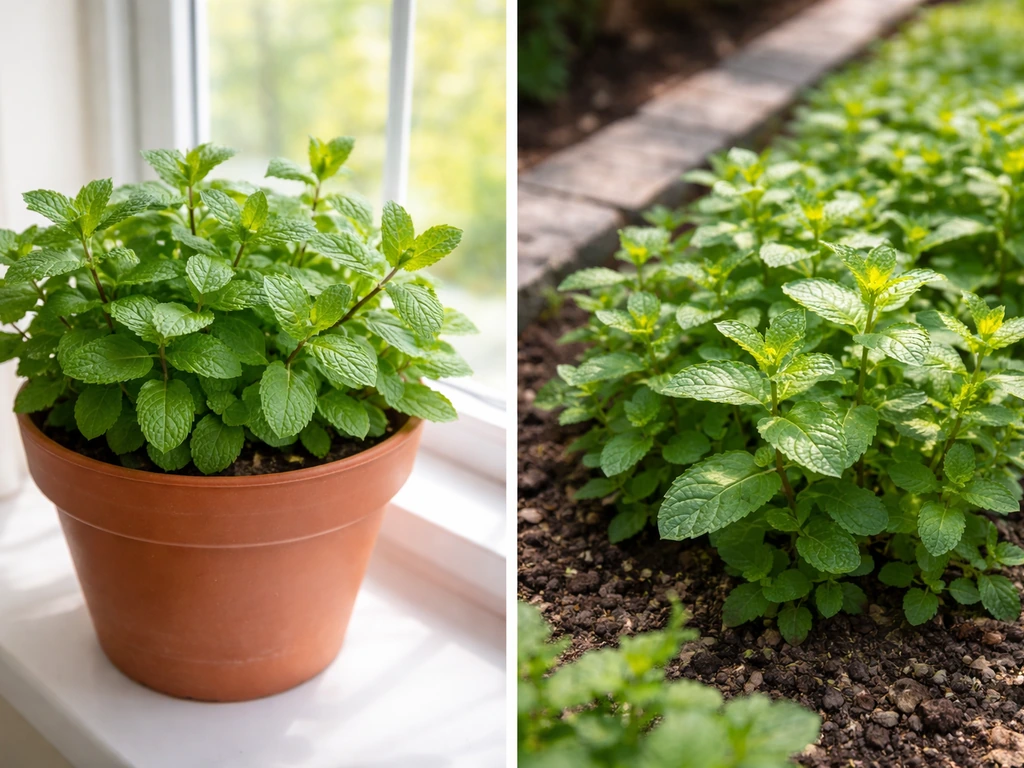
Mint's ideal growing environment (quick checklist)
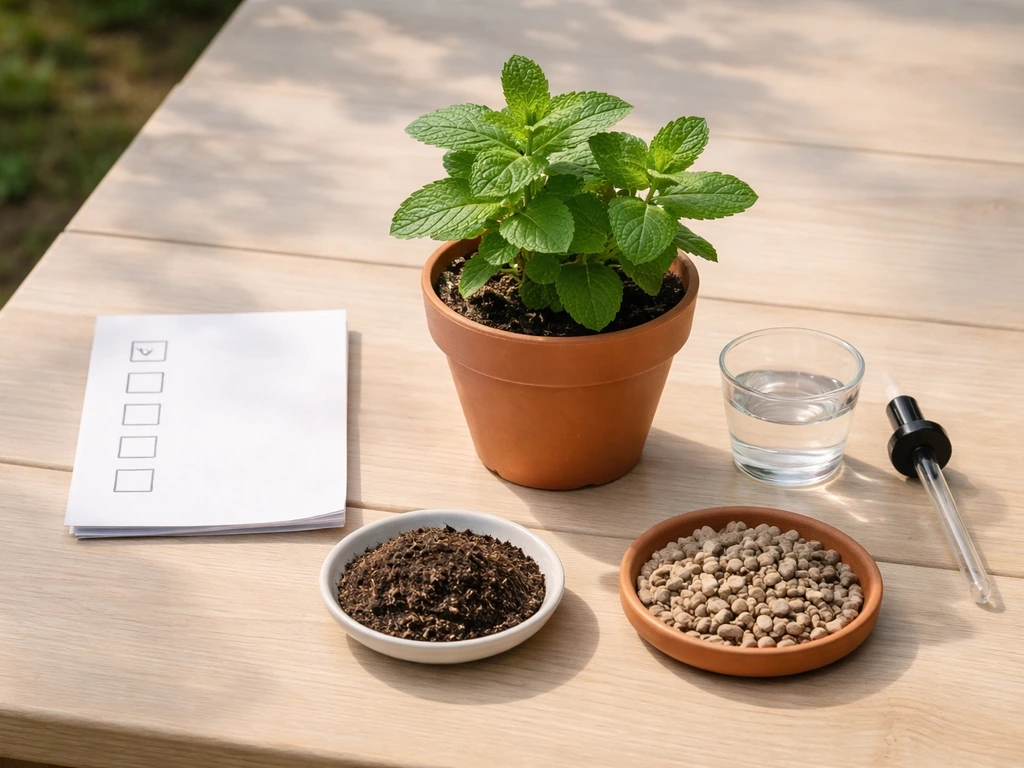
Before getting into detail, here's a fast reference you can check against your current setup:
- Light: Full sun to partial shade, minimum 4 to 6 hours daily
- Soil: Rich, loamy, well-draining, slightly acidic (pH 6.0 to 6.5)
- Watering: Keep soil consistently moist but never waterlogged; water when the top inch feels dry
- Temperature: Best between 55°F and 72°F (13°C to 22°C); tolerates light frost but prefers moderate warmth
- Humidity: Moderate; does not like sitting in stagnant moisture around roots
- Feeding: Light fertilizing only; a balanced 10-10-10 fertilizer used sparingly is plenty
- Space: Grow in a container (12 to 16 inches diameter) to prevent aggressive spreading
Light requirements for vigorous mint
Mint genuinely likes sun. Outdoors, aim for a spot with full sun to partial shade, meaning at least 4 to 6 hours of direct light per day. More sun generally means denser, more aromatic growth, but mint handles afternoon shade well, especially in hot climates where the midday heat can stress it. If you're seeing leggy, thin stems, that's usually a light problem.
Indoors, the challenge is replicating that light. A south-facing window works best in fall and winter, while an east-facing window is ideal in spring and summer when the sun angle is higher. A [south-facing window works best in fall and winter](https://www. homesandgardens.
com/gardens/how-to-grow-mint-indoors), while an east-facing window is ideal in spring and summer, matching seasonal sun angles. Either way, you want about 6 hours of bright, indirect to direct light. If your windows can't deliver that, supplement with cool white fluorescent or LED grow lights running 12 to 16 hours a day. That sounds like a lot, but it replaces the lower intensity of indoor light compared to full outdoor sun.
Don't skip this step if your mint is on a dim windowsill and struggling to push new leaves.
Soil and drainage: what mint likes and what to avoid
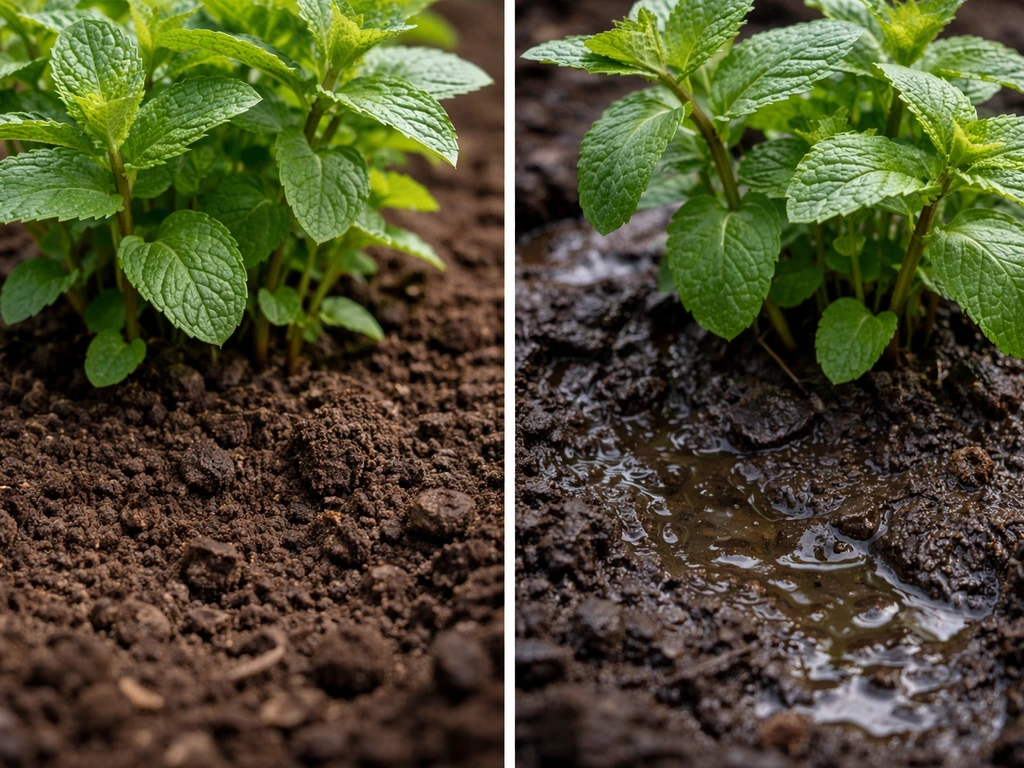
Mint wants rich, loamy soil that holds moisture but drains freely. The sweet spot for pH is 6.0 to 6.5, though it can tolerate slightly higher (up to 7.0) without too much complaint. Outside that range, nutrient uptake suffers and you'll see slower growth and off-color leaves even when you're doing everything else right.
What mint absolutely cannot tolerate is waterlogged soil. Poor drainage is the single most common killer of container mint, and it's sneaky because the plant looks fine until the roots quietly rot. If you're planting in a pot, use a potting mix designed for herbs or vegetables, and make sure the container has drainage holes. Adding perlite (about 20 to 25% by volume) improves drainage significantly in any mix. In garden beds, amend heavy clay soils with compost before planting. If your soil is naturally soggy after rain, either build a raised bed or grow in containers instead.
If you're buying bagged soil, avoid mixes marketed as moisture-retaining or for succulents and cacti. The first holds too much water; the second drains too fast. A standard all-purpose potting mix adjusted with perlite sits right in the middle.
Watering schedule and humidity and temperature preferences
The watering rule for mint is simple in principle: keep the soil consistently moist, not wet. In practice, stick your finger an inch into the soil. If it feels dry at that depth, water thoroughly until it drains from the bottom. If it still feels damp, leave it alone. A moisture meter is helpful here too; most guides suggest watering when the reading drops to around 4 on a standard scale. The goal is to keep the root zone reliably moist without letting water pool and stagnate.
Outdoors, mint has a shallow root system and needs consistent watering all through summer, especially in hot or dry periods. Mulching around outdoor mint helps the soil hold moisture between waterings and keeps the roots cool. Container mint dries out faster than in-ground plants, so check pots more frequently during warm weather, sometimes daily in peak summer heat.
For temperature, mint is happiest in moderate conditions between about 55°F and 72°F. It handles light frost (it's technically a perennial that dies back in winter and returns in spring), but extended hard freezes will kill back the top growth. Indoors, keep it away from heating vents and cold drafts from windows in winter. Humidity doesn't need to be high, but mint doesn't thrive in dry indoor air either. A pebble tray with water beneath the pot, or grouping it with other plants, raises ambient humidity enough to help.
Feeding and soil amendments for healthy growth
Mint is not a heavy feeder, and this trips up a lot of gardeners who assume more fertilizer equals faster growth. With herbs, especially culinary ones like mint, overfeeding produces lush leaves with diluted flavor. The oils that make mint smell and taste like mint actually concentrate more when the plant isn't being pushed to grow rapidly by excess nitrogen.
A light application of a balanced fertilizer (10-10-10 or similar even N-P-K ratio) once or twice during the growing season is genuinely all it needs. If you amended your soil with compost before planting, you may not need to fertilize at all through the first season. For in-ground beds, stay under about 1.5 to 2 ounces of actual nitrogen per 100 square feet when applying granular fertilizer. For containers, a diluted liquid fertilizer at half the label strength every four to six weeks during spring and summer works well.
If you're growing mint purely for the kitchen, lean toward less fertilizer rather than more. The flavor payoff is better, and you'll avoid the excessive leafy growth that can actually make the plant harder to manage.
How to plant mint and prevent it from taking over
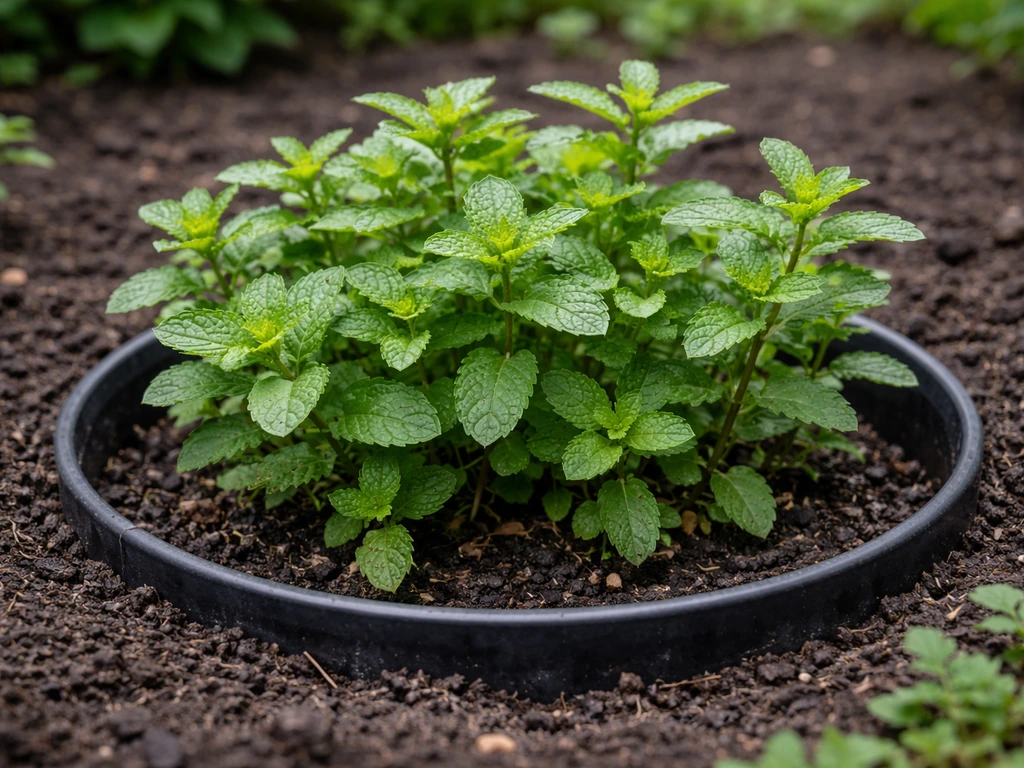
Mint spreads by underground runners called rhizomes, and it does so aggressively. Left unchecked in an open garden bed, it will crowd out neighboring plants within a season or two. The simplest fix is to grow it in a container from the start. A pot 12 to 16 inches in diameter gives the roots room to spread without escaping. This also makes it easy to bring indoors in fall if you want year-round harvesting.
If you want mint in the ground, use the sunken-container method. Take a plastic pot (blank" rel="noopener noreferrer">at least 18 inches deep), remove the base, and sink it into the soil so about an inch of the rim sticks above the surface. Plant your mint inside it. The pot walls block the rhizomes from spreading laterally into the rest of your bed. This works well and looks completely natural once the plant fills in.
For spacing, if you're planting multiple mint plants in a bed or larger container, keep them about 18 inches apart. That gives each plant room to develop without immediate competition. Mint can be started from seed (sow indoors in spring), but starting from a cutting or division is faster and more reliable. Division in spring or autumn is also how you rejuvenate older plants that have become woody or slow-growing.
Troubleshooting common mint problems and fixes
Most mint problems trace back to one of three things: too little light, wrong watering, or poor drainage. Here's how to read the symptoms and respond.
| Symptom | Likely Cause | Fix |
|---|---|---|
| Yellow leaves starting at the bottom | Overwatering or root rot | Check drainage, let soil partially dry out, repot if roots are brown and mushy |
| Wilting despite moist soil | Root rot (Pythium or similar fungal issue) | Unpot, inspect roots, cut away rotted sections, repot in fresh well-draining mix |
| Leggy, thin stems with small leaves | Not enough light | Move to brighter window or add grow lights running 12 to 16 hours daily |
| Slow growth, pale leaves | Low pH or nutrient deficiency | Test soil pH, adjust to 6.0 to 6.5, apply a light balanced fertilizer |
| Drooping then yellowing (soil is dry) | Underwatering | Water deeply until it drains from the bottom, then maintain consistent moisture |
| Dying back in winter outdoors | Normal dormancy, not death | Mulch roots, wait for spring regrowth; the rhizomes survive under the soil |
| Mint spreading uncontrollably | No root barrier | Transplant into a container or install the sunken-pot method immediately |
Root rot is the sneakiest problem because the plant can look only slightly off before it collapses quickly. If your mint is wilting while the soil is wet, that's the classic sign. Pull it from the pot, look at the roots: healthy roots are white or light tan and firm; rotted roots are brown, slimy, and fall apart when touched. Trim the damaged roots back to healthy tissue, let the remaining roots air out briefly, and repot in fresh, properly draining mix. Many plants recover fully with this treatment if you catch it in time.
One thing worth knowing: mint that dies back completely in late fall outdoors is almost certainly just going dormant, not dead. The rhizomes persist underground through winter and push up fresh growth in spring, which connects naturally to the seasonal growth patterns discussed in guides about when mint grows. If you're impatient or want year-round harvests, the container approach lets you bring a pot indoors before the first hard frost and keep it going on a windowsill through winter, as long as the light is adequate.
If you're also growing other herbs nearby, mint's conditions are fairly similar to what dill wants in terms of sun and drainage, though dill prefers slightly drier soil between waterings. Mixing them in the same bed can work, but keep the mint contained so it doesn't muscle out your dill patch.
The nutrients mint needs are relatively modest across the board, but if you want to go deeper on what's actually happening in the soil, it's worth looking into the specific nutrients mint draws on as it grows and flowers. The nutrients mint needs are relatively modest, but the exact nitrogen, phosphorus, and potassium requirements can vary by growing conditions. Yes, mint can grow flowers, but it may depend on light and the growing conditions you provide growing and flowers.
FAQ
How do I tell if my mint needs water or if I’m overwatering it? (They can look similar.)
In pots, the main culprit is usually inconsistent moisture. Follow the finger test, but also check that excess water can drain fully, then empty any saucer after watering. If your mint wilts while the soil feels wet, treat it as possible early root rot, not underwatering.
What happens if the soil pH for mint isn’t between 6.0 and 6.5? Can it still grow?
Mint can handle a wider range than most herbs, but it performs best when conditions are balanced. If pH drifts above 7.0 or below 6.0, expect slower growth and dull leaves even if light and watering are correct. Using a soil test kit once per season helps you avoid guessing.
My indoor mint is tall and thin. What condition am I most likely missing?
If your mint looks leggy indoors, it’s usually light intensity, not fertilizer. Move it to the brightest window you have (often a south-facing one), rotate the pot weekly, and if needed use grow lights about 12 to 16 hours per day to mimic outdoor sun.
Does mint need afternoon shade in summer, or should I just water more?
On hot days, mint needs moisture consistency more than extra shade alone. Give afternoon shade if temperatures are high, mulch to keep roots cooler, and water deeply when the top inch dries. For container mint, expect more frequent watering during peak heat, sometimes daily.
If my mint freezes outdoors, will it come back? When should I bring it indoors?
Yes, but the “hard frost” problem is about timing and exposure, not just cold. Bringing a pot inside before the first hard freeze protects the tender top growth, and even if it dies back outdoors, the rhizomes often survive if the root zone is not waterlogged.
What potting mix is best for container mint, and what should I avoid?
Avoid heavy, water-holding mixes and succulents/cacti blends. For the best results, use a standard herb or vegetable potting mix and add perlite (about 20 to 25% by volume) so the root zone stays moist without pooling.
Should I fertilize mint often to get more leaves, or does it backfire?
Yes, and it’s a common mistake. Too much nitrogen can reduce flavor intensity and create fast, floppy growth that is harder to pinch and harvest. Use light feeding (or none if you amended with compost) and stick to infrequent, modest doses during the growing season.
How can I keep mint from becoming woody or outgrowing its pot?
Harvesting and pruning are helpful for keeping mint bushy. Pinch or cut stems regularly, especially the tips, and remove any straggly growth. If mint starts to look woody or slow, rejuvenate it by division in spring or autumn rather than trying to “fix” it with more fertilizer.
What’s the best way to stop mint from taking over my yard?
Mint’s spread is the reason for containment. In the ground, a sunken barrier method works best (a deep pot with the base removed, sunk so the rim sits slightly above soil). In containers, choose a pot at least 12 to 16 inches wide to reduce escape attempts.
What’s the fastest way to diagnose root rot in mint?
If mint wilts while the soil stays wet, check roots quickly. Healthy roots are firm and light colored, rotted roots are dark and slimy. Trim back to healthy tissue, air out briefly, then repot into fresh, fast-draining mix to prevent the problem from repeating.
Do I need a humidifier for mint indoors, and where should I place it?
Indoors, humidity boosts are optional, not mandatory. If your air is very dry, a pebble tray or grouping plants together can help, but focus first on light and watering. Heating vents and cold drafts can still stress mint even when humidity is adequate.
Can mint grow in shade, or does it require full sun to produce well?
If you can’t achieve 4 to 6 hours of sun outdoors, mint may survive in partial shade, but growth will slow and stems can become less dense. Indoors, rely on bright light or grow lights to reach the equivalent of outdoor intensity, otherwise you’ll get weaker harvests.
Next Article
Does Mint Grow Flowers? Timing, Care, and Harvest Tips
Yes, mint flowers. Learn which types bloom, when to expect it, how to spot flowers, and how to encourage or remove buds.