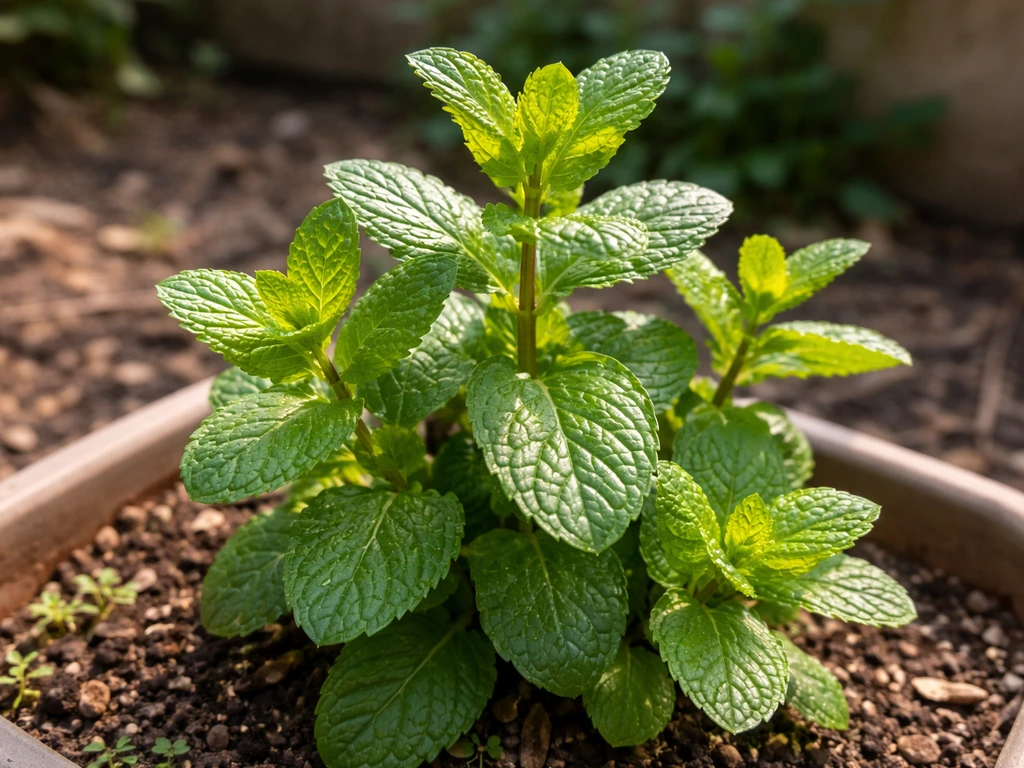
Yes, mint grows flowers. Under normal garden conditions, most common mint varieties will bloom every year, producing spikes of small purple, pink, or white flowers, typically sometime between June and October depending on the variety and your climate. Flowering is just part of how mint grows, and whether you want to encourage it or stop it entirely depends on what you're actually trying to get out of your plant.
Does Mint Grow Flowers? Timing, Care, and Harvest Tips

Marcus Weir
12 Apr 2026
Does mint flower? The direct answer
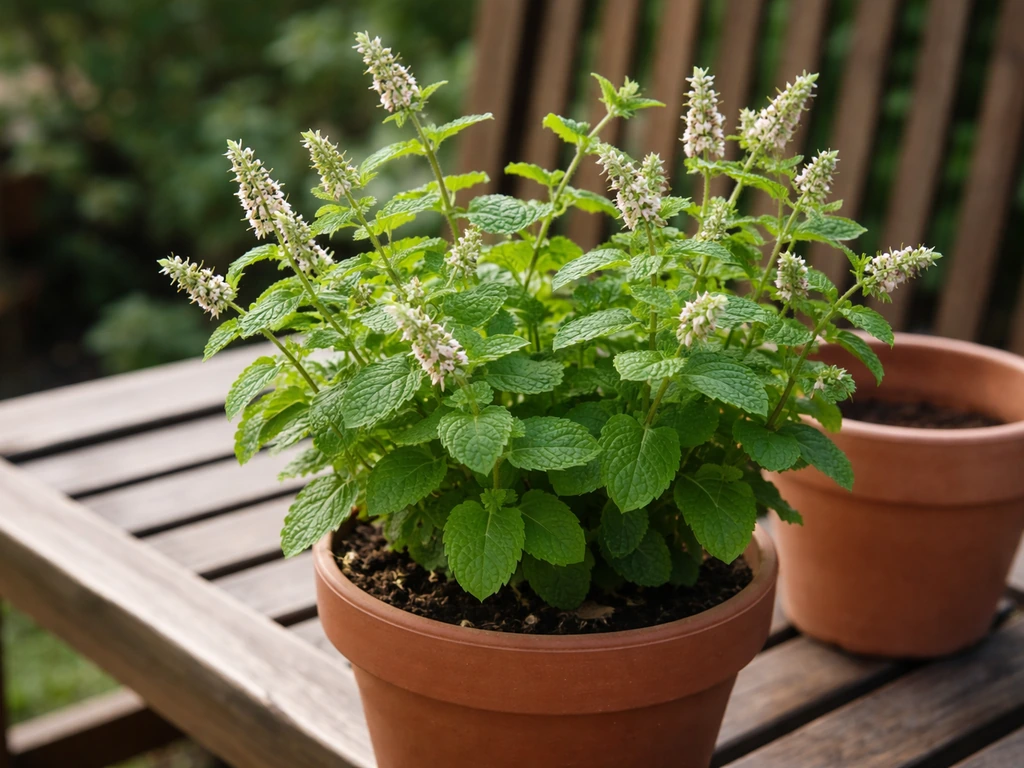
Mint is a perennial herb, and like most perennials, it has a natural drive to reproduce. That means flowering is not an anomaly or a sign something is wrong. It's exactly what a healthy, mature mint plant does when conditions support it. The RHS describes mint flowers as spikes of purple, pink, or white blooms, with spike height and plant size varying based on growing conditions and cultivar. So if your mint has started sending up tall, narrow stems with tiny clustered flowers, it's doing exactly what it's supposed to do.
The more useful question isn't whether mint flowers, but when it flowers and whether that's a problem for you. If you're growing mint for cooking or teas, flowering can actually reduce the flavor quality of your harvest. If you're growing it for pollinators or just as a garden plant, flowers are a straight-up benefit. More on both of those angles below.
Which mint varieties flower and when
The two mints you're most likely growing are spearmint (Mentha spicata) and peppermint (Mentha × piperita), and both flower reliably each season. Spearmint blooms from June through August according to Portland State University course materials, with some sources (including USDA Forest Service records) extending the spearmint bloom window all the way to October in certain regions. Peppermint tends to bloom slightly later, with the University of Georgia Extension specifying July to August as the typical bloom time for Mentha × piperita under temperate conditions.
Other cultivars follow the same general mid-to-late summer pattern. The RHS notes that Mentha × piperita 'After Eight,' for example, produces dense purple flower spikes in summer, which is a good representative example of how peppermint cultivars behave. Knowing when mint grows most actively will help you anticipate the flowering stage: plants that put on strong vegetative growth in spring are usually primed to flower by midsummer.
| Mint Type | Botanical Name | Typical Bloom Time | Flower Color |
|---|---|---|---|
| Spearmint | Mentha spicata | June – October | Pink or white |
| Peppermint | Mentha × piperita | July – August (mid-to-late summer) | Lavender/purple |
| Peppermint 'After Eight' | Mentha × piperita cv. | Summer | Purple (dense spikes) |
What mint flowers look like vs. just foliage
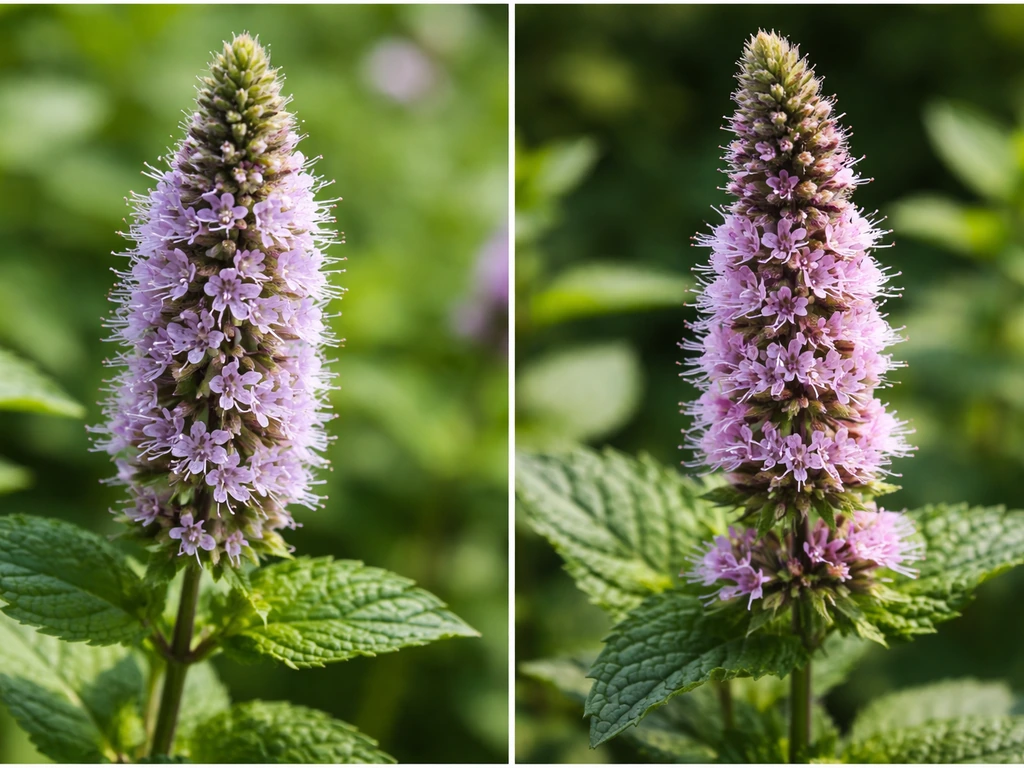
Mint flowers are easy to miss at first because they start small and emerge from the same stems as the leaves. Here's what to actually look for. On peppermint, flowers form in whorls (called verticillasters) arranged along the stem, building up into thick, blunt spikes. Each individual flower is about 6 mm long with a four-lobed purple corolla roughly 5 mm across. When you see what looks like a stubby, dense flower head at the tip of a stem rather than a growing leafy shoot, that's the peppermint spike forming.
Spearmint looks a bit different: its inflorescences are broad, tapering terminal spikes with lavender flowers that originate in the leaf axils (the joints between the leaf and stem). The spike narrows toward the tip rather than staying blunt, which is a useful visual distinction from peppermint. In both cases, the flowering stem tends to grow taller and more upright than typical leafy shoots, and the leaves on flowering stems are usually smaller and more widely spaced. Once you've seen it once, you'll recognize it immediately the following season.
How to get your mint to bloom
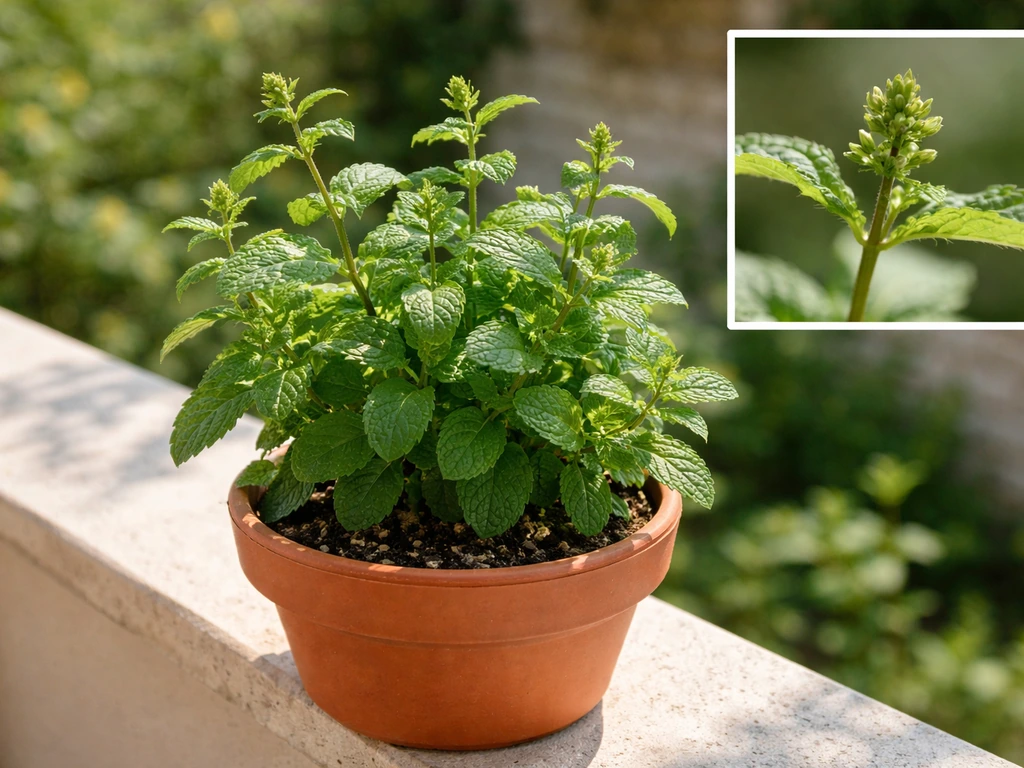
If you want flowers, the main thing to do is stop cutting the plant back and give it the conditions it needs to mature. Mint that gets regularly harvested or pinched back stays in a vegetative (leaf-producing) state longer. To push it toward flowering, let the stems grow tall without interruption through late spring and into early summer.
Sunlight is the single biggest factor. Mint grown in full sun reaches flowering stage faster and produces more robust flower spikes than mint in shade. What conditions mint needs to grow well for flowering is similar to what it needs for any vigorous growth: at least 4 to 6 hours of direct sun daily, consistent moisture, and reasonable drainage. Shade slows everything down and tends to keep plants in a leafy, low-energy state.
Nutrition matters too, though mint is not a heavy feeder. Avoid overloading with nitrogen, which pushes leafy green growth at the expense of flowering. If you want blooms, back off on high-nitrogen fertilizers by late spring and let the plant naturally shift its energy. Understanding what nutrients mint needs to grow is helpful here: moderate balanced nutrition supports both good foliage and eventual flowering, while excessive nitrogen tilts the balance toward leaves only.
Watering consistently helps too. Drought stress can sometimes trigger early or irregular flowering, but plants under chronic stress produce weak spikes. Keep soil evenly moist through early summer, and you should see strong, healthy flower spikes appear on schedule.
Can you stop mint from flowering?
Yes, and this is where it gets practical for herb gardeners. If you're growing mint for the kitchen, you probably don't want it to flower, because once it does, the flavor and fragrance in the leaves noticeably decreases. The plant is redirecting its energy from producing aromatic oils to producing flowers and seeds. Plantura specifically recommends cutting mint early, before bloom, to preserve the strongest flavor, and notes that if you cut it back early enough, you may trigger a second flush of vegetative growth with a possible second flowering period in August to September.
The Denver Botanic Gardens Guild herb sheet puts it plainly: harvest mint regularly to keep it growing nicely and prevent it from flowering. Regular harvesting functions as a kind of continuous pinching that keeps the plant in its vegetative mode. Think of every handful of mint you cut as a signal to the plant to keep producing leaves rather than seeds.
When flower buds actually appear, you have a couple of targeted options. Utah State University Extension recommends pinching blossoms back as they show. This is exactly what it sounds like: use your fingers or scissors to remove the bud before it opens. The other method, for more aggressive control, is to cut the entire plant back to within about 1 inch of the soil. Bob Vila's gardening guidance echoes this approach: if buds appear but you don't plan to use leaves right away, cut back to about 1 inch of the ground just before they flower. The plant will regrow from the base, giving you fresh leafy stems.
- Harvest stems regularly throughout spring and early summer to delay flowering.
- Pinch off individual flower buds as soon as they appear at the stem tips.
- Cut the entire plant back to 1 inch above soil level if buds are already forming across multiple stems.
- Avoid high-nitrogen fertilizers in late spring, which extend leafy growth and delay flowering naturally.
- Keep plants in a spot with moderate sun if you want slower progression to bloom.
What mint flowers actually do: pollinators and flavor
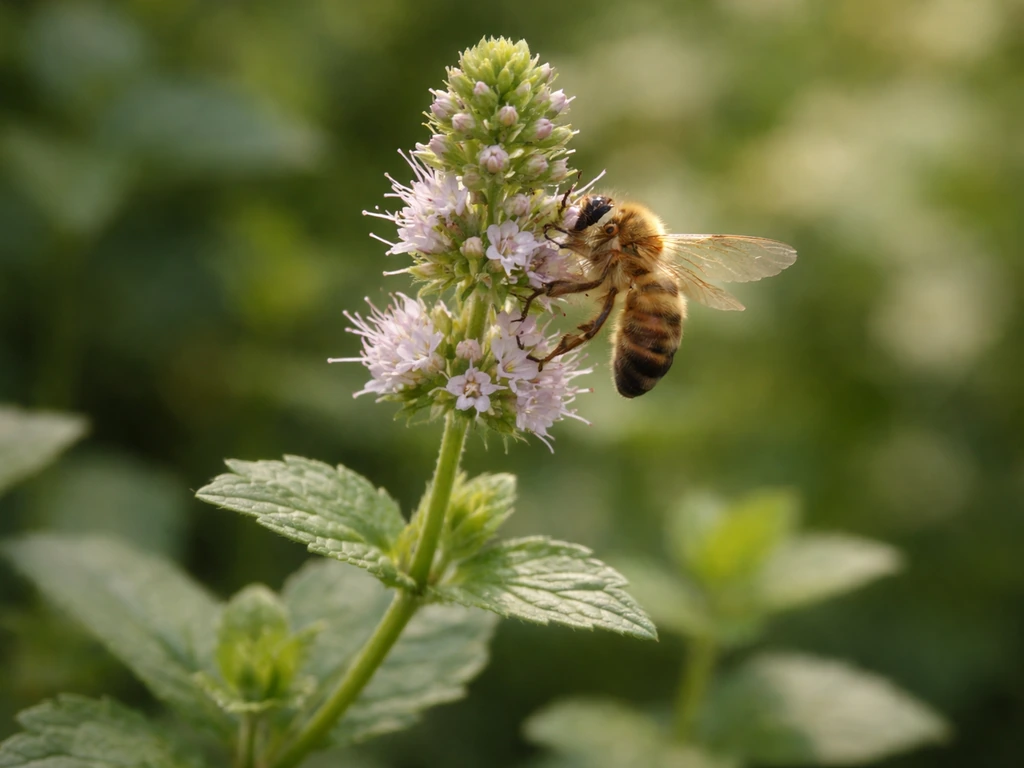
If you let your mint bloom, something genuinely useful happens in the garden: you attract pollinators. The Herb Cottage notes that peppermint flowers attract butterflies and beneficial insects including hoverflies. Hoverflies are particularly valuable because their larvae eat aphids. Research involving mint essential oils and pollinator safety suggests that mint compounds are not strongly deterrent to common pollinators like honey bees, meaning your blooming mint is likely to be actively visited rather than avoided.
The tradeoff is flavor. Once mint flowers, the leaves become less aromatic and can taste slightly bitter or weaker compared to pre-bloom leaves. This is not permanent damage to the plant, but it does mean that leaves harvested after flowering are less ideal for cooking or tea. If you're harvesting for culinary use, the window before flowering is your best quality window. If you've already let it flower, cut it back hard, wait for the new growth to come in, and that fresh flush will have good flavor again.
One thing worth knowing: letting mint go to seed after flowering can contribute to it spreading. Mint already spreads aggressively through underground runners, and seed dispersal adds another vector. If you're trying to keep it contained, deadhead the flowers before seed sets. This is especially worth noting if you're comparing it to other herbs that spread similarly. For reference, what conditions dill needs to grow is a useful comparison point: dill also self-seeds readily after flowering, so the habit of deadheading to control spread applies across several common herbs.
Quick-reference: bloom vs. no bloom
| Your Goal | What to Do | When to Act |
|---|---|---|
| Maximum flavor for cooking/tea | Harvest regularly; pinch buds as they appear; cut back hard if buds are forming | Throughout spring; as soon as buds appear in early summer |
| Attract pollinators and beneficial insects | Stop cutting back in late spring; let stems grow tall into summer | Late May through June |
| Second flush of leaves in late summer | Cut back hard just before or at first flowering | June to early July |
| Prevent seed spread and self-seeding | Deadhead flowers before seed sets | After flowering, before seeds mature |
Common myths about mint flowering
- Myth: Flowering means your mint plant is dying or stressed. Reality: Flowering is normal seasonal behavior for a healthy, mature plant.
- Myth: Once mint flowers, the plant is ruined for culinary use. Reality: Cut it back after flowering and the new growth will have full flavor.
- Myth: You can permanently stop mint from ever flowering by feeding it more. Reality: Extra nitrogen delays flowering but doesn't prevent it; the plant will still bloom when it reaches maturity and the season is right.
- Myth: Mint flowers smell as strongly as the leaves. Reality: The leaves hold most of the aromatic oils; the flowers have a lighter scent.
- Myth: All mint varieties flower at the same time. Reality: Bloom timing varies by species and cultivar, ranging from June all the way through October in some types.
FAQ
Will mint flowers affect whether my mint comes back next year?
Usually no. Mint is perennial, so it regrows from the base and underground runners even if you remove flowers. If you harvest heavily, just avoid cutting so low that you damage growing points near the crown, and allow some leaf growth after major pruning so the plant can rebuild energy reserves.
Is it normal for mint to bloom early, like in May, instead of mid to late summer?
It can happen. Stressors or unusual weather (drought, heat waves, nutrient imbalance, or planting in very crowded/poor drainage spots) can push a plant to flower sooner or irregularly. If your mint also looks stunted or the spikes are weak, correct the basics first (more consistent moisture, adequate sun, and moderate feeding) before assuming it is a genetic quirk.
Can I stop mint from flowering without fully stopping harvest?
Yes. Harvest regularly but leave enough uninterrupted stem growth for the plant to maintain vigor. For culinary use, prioritize frequent picking of the top growth, and pinch off any buds as soon as you see them. This keeps mint in a leafy mode while still giving you harvestable sprigs.
What should I do if my mint flowers but I want to keep the leaves tasting strong?
Once you see bud development, switch to a tighter harvest window. Remove blossoms or pinch off buds early, then harvest the next flush once new growth becomes leafy and aromatic. If flowers already opened, expect a weaker aroma from those specific older leaves, and rely on the regrowth for the best flavor.
Do peppermint and spearmint taste different when they flower?
They generally become less aromatic after flowering in both cases, but the underlying leaf character remains different. Spearmint often keeps a brighter minty note longer, while peppermint can shift toward a blunter or slightly bitter profile when the plant is fully in reproductive mode. The practical takeaway is the same: harvest for quality before blooms open and control buds if you need peak flavor.
Should I deadhead mint flowers, and will deadheading make it bloom again?
Deadheading is mainly for control (preventing seed formation and limiting extra spreading). It can also encourage regrowth and possibly a second flush of vegetative growth. Whether it reblooms depends on timing and season length, so if you want to maximize leaves, remove buds early rather than waiting until after bloom.
Does letting mint bloom increase how aggressively it spreads?
It can. Mint already spreads through runners, but allowing flowers to reach seed adds a second expansion pathway. If you are trying to keep mint contained, focus on preventing seed set by removing spent spikes before they mature.
Will flowers appear on potted mint too, even indoors or on a patio?
Often yes, especially if the pot gets enough direct sun (and temperatures support normal growth). If your indoor light is dim or you keep the plant cooler, it may delay flowering, but it can still form spikes outdoors or in bright windows. If you want fewer flowers, give it adequate light for growth but manage watering and avoid late heavy nitrogen feeding.
Are brown or black spots on mint flowering stems ever normal?
Not usually. Some variation in stem color can happen, but dark spotting that spreads, weak spikes, or mushy stems suggests stress or rot. Before pruning, check drainage and airflow, reduce watering to evenly moist rather than soggy, and remove affected spikes to prevent the problem from worsening.
Next Article
When Does Mint Grow? Seasonal Timing and Start Dates
When does mint grow? Learn best start months, signs of active growth, and quick fixes for cold, heat, or light issues.