Dill needs at least 6 to 8 hours of direct sunlight per day, well-drained slightly acidic soil (pH around 5.5 to 7.0), and consistent moisture of about 1 to 1.5 inches of water per week. It's not a fussy herb, but it does bolt fast in heat and struggles in waterlogged soil or deep shade. Get those three basics right and you'll have harvestable leaves in about 6 to 8 weeks from seed.
What Conditions Does Dill Need to Grow Successfully

Marcus Weir
13 Jun 2026
The core growing requirements: light, temperature, and soil type
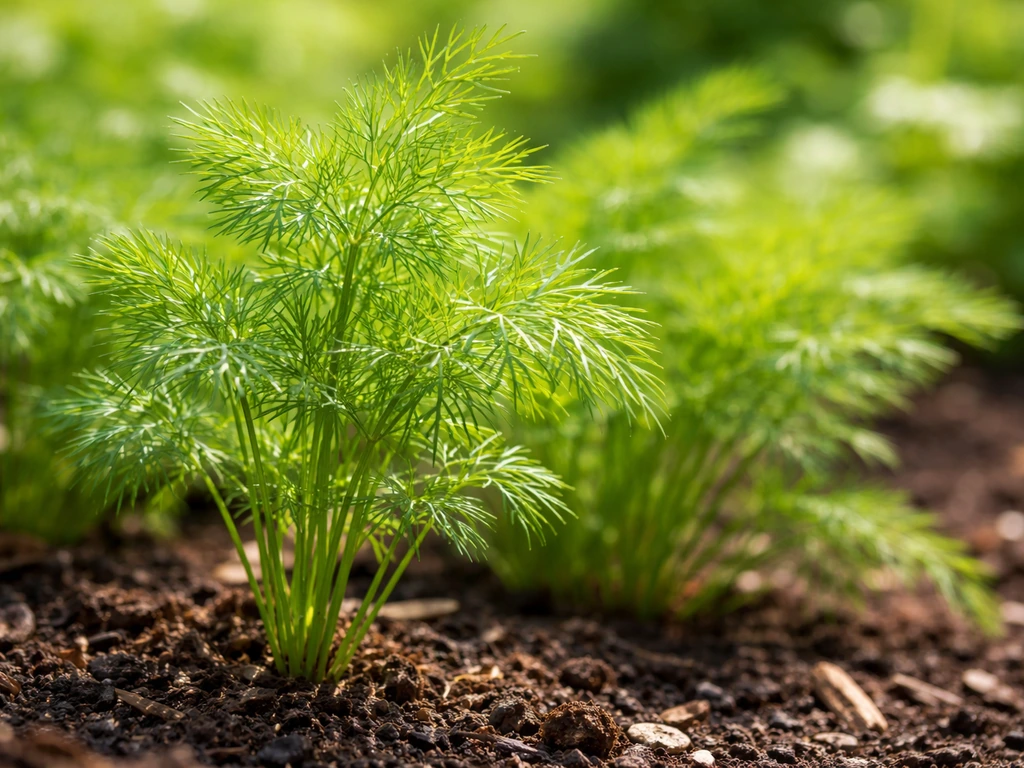
Dill is a full-sun plant. It wants 6 to 8 hours of direct sunlight daily, and it genuinely thrives with more. Partial shade (2 to 4 hours of sun) is not enough. Plants grown in too little light get leggy, produce fewer oils in their leaves, and bolt even faster when temperatures climb. If you're choosing between a slightly shadier or slightly sunnier spot, always go sunnier with dill.
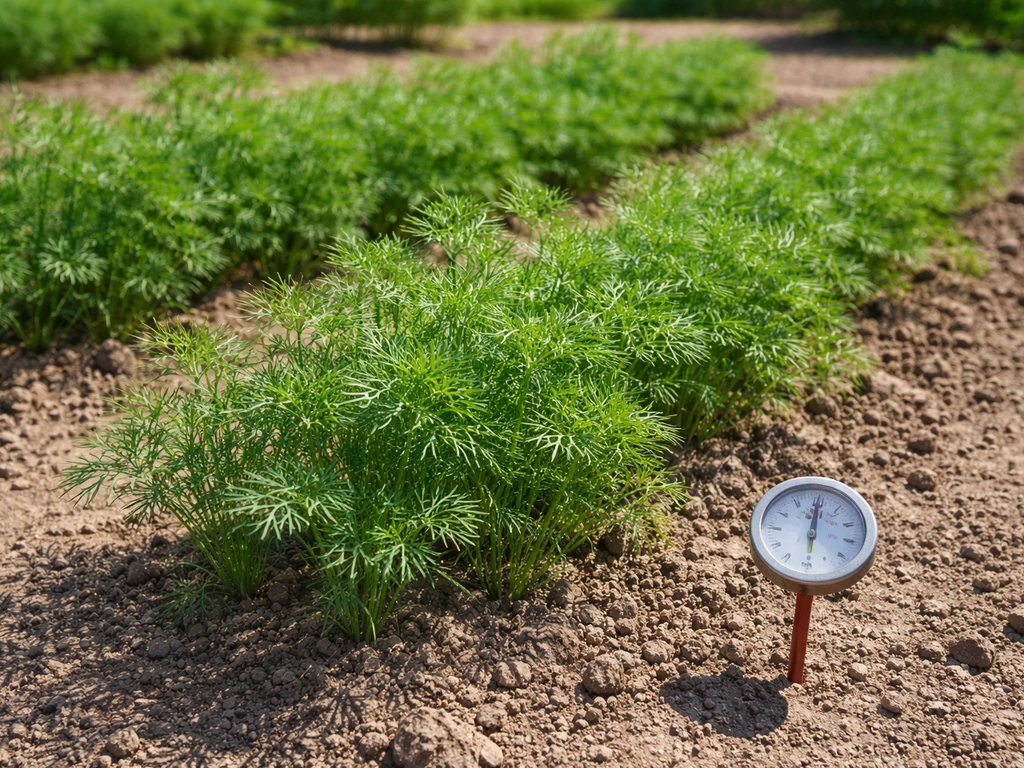
Temperature matters a lot for two reasons: germination and bolting. Seeds germinate best when soil temperature is between 65 and 70°F, and sprouts typically appear in 7 to 14 days under those conditions. Once plants are established, dill handles moderate warmth well, but once you hit the high 90s°F consistently, heat stress kicks in and the plant rushes toward flowering and seed set rather than producing lush foliage. Longer days combined with high temperatures are the main triggers for early bolting.
For soil type, dill is fairly adaptable. It grows well in most garden soils as long as drainage is decent. What it can't tolerate is soggy, compacted, or waterlogged ground. The ideal is a well-drained loamy soil with a slightly acidic to neutral pH in the 5.5 to 7.0 range and a reasonable amount of organic matter worked in. Interestingly, soil that is too rich in nitrogen can actually push leafy growth at the cost of flavor, so you don't want to go overboard on feeding.
Watering dill: how much, how often, and how not to overdo it
Dill is not a heavy water user. The target is about 1 to 1.5 inches of water per week, applied in one or two waterings once the plant is established. During hot stretches, you may need to bump that up slightly. The goal is consistently moist soil, not wet soil. If you stick your finger an inch into the ground and it still feels damp below that point, hold off watering. The top of the soil can look dry while the root zone still has adequate moisture.
Drainage is just as important as the watering schedule itself. Dill sitting in poorly drained soil will develop weak roots, yellow lower leaves, and poor overall vigor. If your garden bed tends to stay wet after rain, raise it slightly or work in compost and coarse sand to improve drainage before planting. Mulching around established plants is a good move: it keeps the soil moisture more even and reduces how often you need to water, especially in summer heat.
Soil prep, pH, and whether to fertilize
Before planting, work 2 to 3 inches of compost into your bed to a depth of about 8 to 10 inches. This improves drainage in clay soils, improves moisture retention in sandy soils, and adds the organic matter dill likes. If you've never tested your soil pH, it's worth doing once. A simple test kit will tell you if you're in the 5.5 to 7.0 range. Most garden soils that have been amended with compost over a few seasons will be in that window already.
For in-ground dill, heavy feeding is rarely necessary and can work against you. A moderate compost amendment before planting is usually all you need for a season. Overly rich, nitrogen-heavy soil produces aggressive leafy growth, but can dilute the aromatic oils that make dill flavorful. If you're growing in containers (more on that below), a liquid fertilizer at half the label strength every 4 to 6 weeks keeps plants productive without pushing too much soft growth.
Planting dill: seeds, depth, spacing, and timing
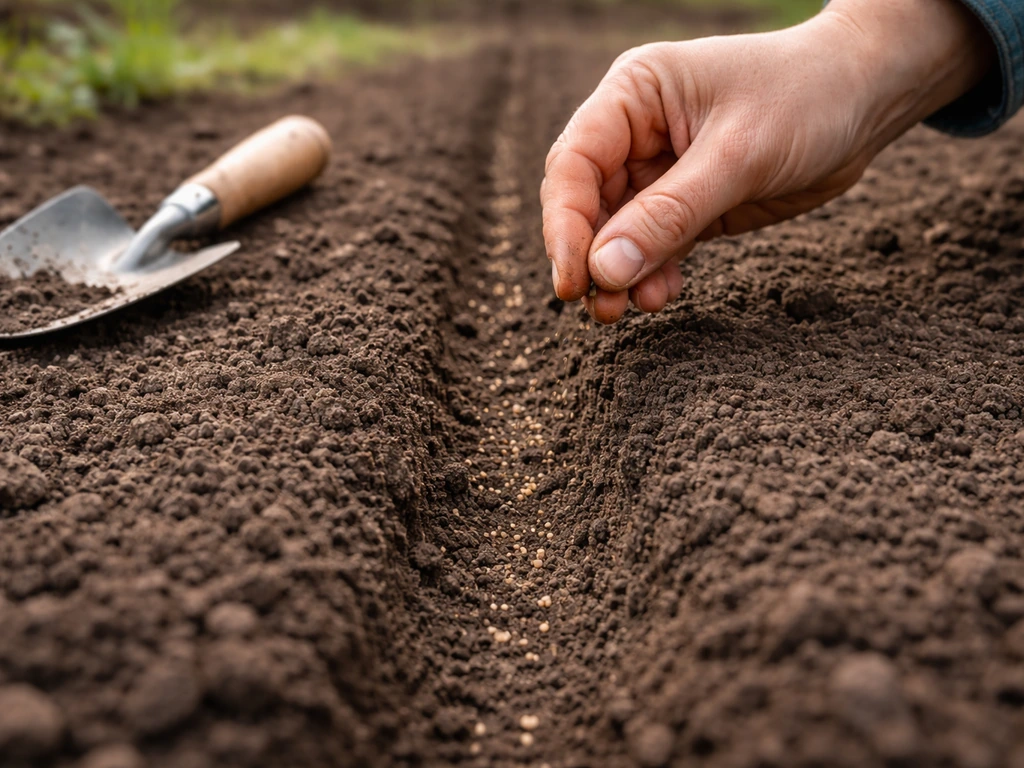
Dill has a long taproot that doesn't transplant well, so always direct sow seeds where you want the plants to grow. Sow seeds 1/4 inch deep and space them about 2 to 3 inches apart within the row. Once seedlings are up and established, you'll thin them to around 12 inches apart to give each plant room to mature. Don't skip thinning; crowded dill gets weak and bolts faster.
For timing, sow dill outdoors after your last frost date when soil temperatures have reached at least 60°F. In most temperate zones, that means late spring. Dill also tolerates a light frost once established, so in mild climates you can sow again in early fall for a second season. For continuous harvest, stagger your sowings every 2 to 3 weeks rather than planting everything at once (more on this under succession planting below).
At 65 to 70°F soil temperature, expect seedlings to emerge in 7 to 14 days. If soil is cooler than that, germination can stretch to 21 days. Keep the seedbed lightly moist during this window. Don't let it dry out completely between waterings, but don't saturate it either.
From sprout to harvest: thinning, weeding, and staying productive
Once seedlings are a few inches tall, thin them to about 12 inches apart by snipping extras at the soil line rather than pulling them (pulling disturbs neighboring roots). From that point on, the main tasks are keeping weeds out, maintaining moisture, and watching for the first signs of flowering.
Around 6 weeks after a good stand develops, you can start harvesting stems and leaves from the oldest, outermost portions of the plant. This is also when you want to start pinching or pruning regularly. The more you harvest leaves and trim back flowering stems, the longer you delay bolting and the more foliage you get. You can harvest green dill foliage anytime during the growing season right up until those umbrella-shaped flower clusters fully open. Once flowers open, leaf quality and flavor shift and the plant is putting its energy into seed production instead.
If you want dill seed for pickling or saving, let some plants go to flower. Cut flower stalks just before the seeds begin to ripen and turn tan. Harvest the full seed heads when they turn brown to collect seeds. Having a few plants designated for seeds and others managed for leaves is the most practical approach.
Troubleshooting: bolting early, yellowing leaves, and slow germination
Dill is bolting way too fast
This is the most common dill complaint and it usually comes down to heat and day length. Dill is a long-day plant, meaning it's triggered to flower when days are long and temperatures are high. If you sow in late spring in a warm climate, you may only get 4 to 5 weeks of leaf production before the plant shoots up and flowers. The fix is earlier sowing (as soon as the ground is workable), choosing bolt-resistant varieties labeled 'slow bolt,' regular harvesting to redirect the plant's energy, and succession sowing every few weeks rather than one large planting.
Leaves are yellowing
Yellow lower leaves on dill are often a drainage or overwatering problem. Waterlogged soil starves roots of oxygen, and the lower foliage goes yellow first. Check that your soil drains well and that you're not watering on a fixed schedule regardless of soil moisture. If drainage is fine but plants still look pale and weak overall, a light feed with a balanced liquid fertilizer can help, especially in containers where nutrients flush out more quickly with regular watering.
Seeds aren't germinating or germination is very slow
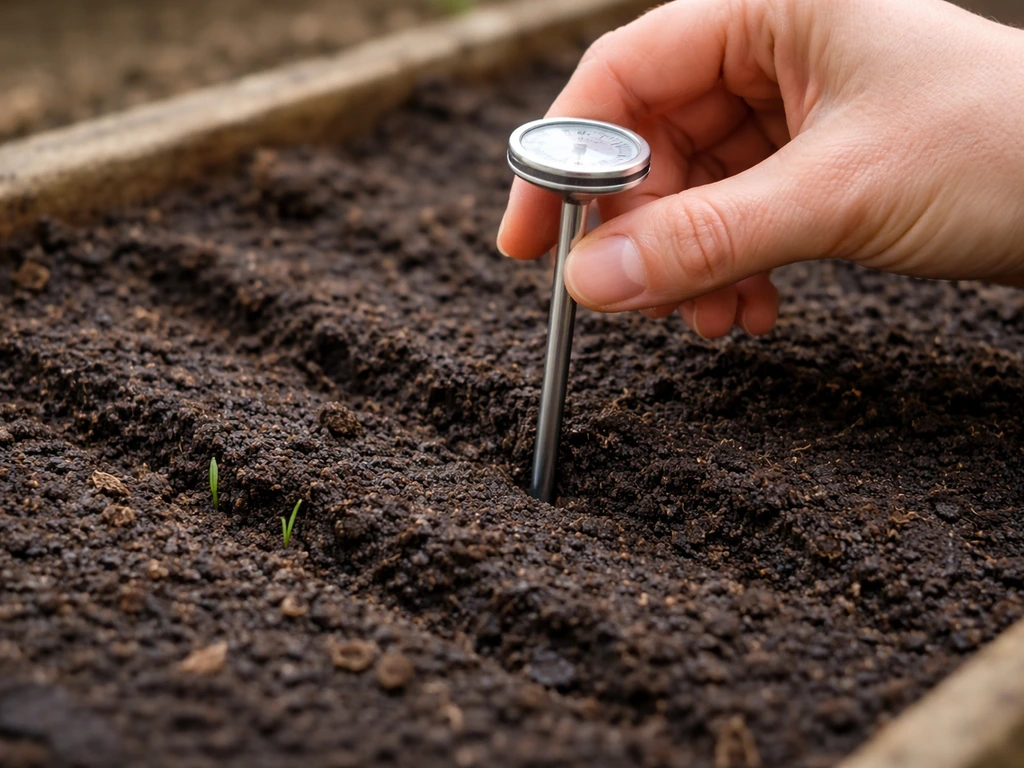
Slow or failed germination almost always comes back to cold soil. If soil temperature is below 60°F, dill seeds may sit dormant for weeks. Use a soil thermometer and wait until temperatures are consistently in the 65 to 70°F range. Also check that seeds are only 1/4 inch deep, not buried too far. Old seeds lose viability quickly, so use fresh seed each season if possible. If seeds are fresh, soil is warm, and moisture is consistent, you should see sprouts within 7 to 14 days.
Weak, leggy, or poor-flavor plants
Leggy dill that falls over or has little aroma is almost always a light problem. If plants are stretching toward the sky and looking thin, they need more sun. Relocate container plants to a sunnier spot or reassess the in-ground bed for shade from trees or buildings. Overcrowding can also produce weaker plants, so make sure you've thinned to proper spacing. NDSU Extension notes that dill actually does better in soil that is not overly rich, so if you've loaded up on fertilizer, ease off.
Container vs in-ground: which works better for dill
| Factor | In-Ground | Container |
|---|---|---|
| Root space | Unlimited taproot depth | Needs 12-inch-deep pot minimum |
| Watering | More forgiving, dries slower | Dries out faster, needs closer monitoring |
| Soil control | Requires bed prep | Use quality potting mix, easy to customise pH |
| Mobility | Fixed location | Move to follow sunlight or bring indoors |
| Fertilizing | Compost amendment usually enough | Half-strength liquid feed every 4 to 6 weeks |
| Capacity | Can grow many plants at once | 3 plants per 2 to 3 gallon container |
| Bolting risk | Can shade-manage with spacing | Can reposition, but heat in small containers accelerates bolting |
Both work well if you respect dill's taproot. The biggest container mistake is going too shallow. A pot shorter than 12 inches will restrict root development and produce a weak, short-lived plant. For containers, a 2 to 3 gallon pot with 3 plants is a practical setup. The advantage of containers is mobility: you can chase sunlight and bring plants indoors briefly if an unexpected heat wave threatens to trigger bolting ahead of schedule. If you're growing dill primarily for cooking and want maximum leaf production over the season, containers give you more control. For bigger yields and seed production, in-ground is the easier, lower-maintenance option.
Seasonal timing and succession planting for a continuous harvest
A single sowing of dill gives you roughly 6 to 8 weeks of productive leaf harvest before the plant flowers and declines. To keep dill on the table all season, stagger your sowings every 2 to 3 weeks from early spring through midsummer. As one batch starts to flower, the next is just hitting its peak leaf production.
In most temperate climates, the ideal windows for dill are early to mid spring (as soon as soil hits 60°F after the last frost) and again in late summer to early fall when temperatures begin to drop back below peak summer heat. That late-season sowing often produces some of the best-flavored dill because cooler temperatures slow bolting significantly. In very warm climates like the deep South, focusing sowings on spring and fall and skipping peak summer planting altogether is the most productive approach.
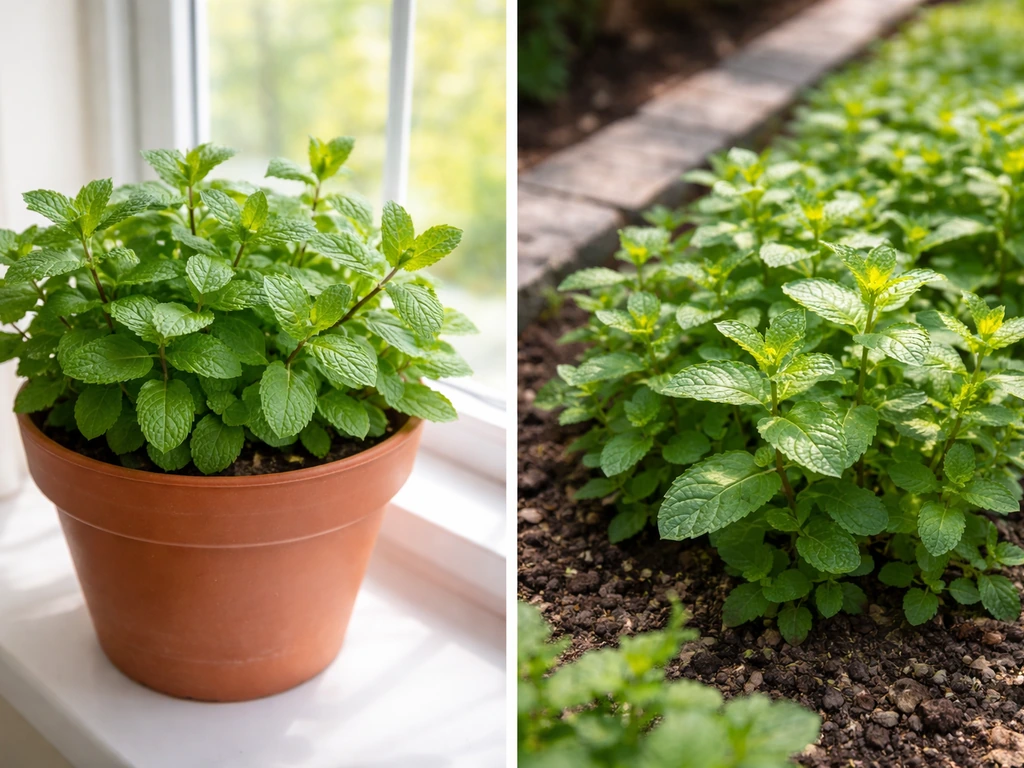
If you're comparing dill's care to other herbs in the same family or category, its light and soil needs are broadly similar to mint in terms of wanting consistent moisture, but dill is actually more sun-demanding and much less tolerant of shade than mint. If you are also wondering whether mint grows flowers, the answer depends on how it is grown and when it is allowed to mature mint growth and flowers.
Mint's conditions and spreading habits are a different kind of management challenge altogether. Mint has different care needs than dill, so if you're wondering what nutrients mint needs to grow, check the mint-specific guide for a direct nutrition checklist. Mint grows best in steady warmth, so timing your sowing and protecting it from heat stress matters for healthy growth.
With dill, the seasonal game is mostly about outsmarting bolting through timing and regular harvesting, and once you have that rhythm down, it's a straightforward and rewarding herb to keep growing.
FAQ
How can I tell if my dill is getting too much shade, even if it looks green?
If it’s leaning or growing tall with wider spacing between leaf nodes, it’s usually missing enough direct sun. Aim for at least 6 to 8 hours of straight sun, not filtered light, and rotate containers or trim nearby foliage that blocks morning sun.
Should I fertilize dill, and how do I avoid reducing its flavor?
For in-ground beds, a light compost amendment is typically enough, skip heavy feeding. If you use fertilizer, choose a balanced option at low rate (especially for containers) because excess nitrogen can boost leafy growth while dulling the aromatic oil intensity.
Can I grow dill indoors, and what changes for light and watering?
Yes, but indoors you must provide strong light close to the plant (often via grow lights), since window sun usually won’t reliably hit 6 to 8 hours of direct exposure. Keep the soil evenly moist but ensure drainage, because containers indoors dry unevenly and waterlogged mixes can yellow lower leaves quickly.
What’s the best way to water dill during hot weather without causing waterlogging?
Water deeply in one or two sessions, then check moisture before watering again by feeling the soil about an inch down. In heat, dill still prefers moist not soggy conditions, so use mulch to steady evaporation but confirm your bed drains after heavy watering or rain.
Why did my dill bolt early, even though I planted after the last frost?
Early bolting commonly happens when temperatures jump quickly into sustained high heat plus long days. To reduce risk, sow earlier while conditions are cooler, harvest outer leaves regularly, and consider bolt-resistant or “slow bolt” varieties if your summers are fast and hot.
How deep should I plant dill seeds, and does seed depth affect germination failures?
Keep seeds shallow, about 1/4 inch deep. If you bury them deeper, they often struggle in cooler or drying soil, leading to slow or patchy emergence even when you think the timing and moisture are correct.
Why are my dill seedlings pale or weak overall, not just yellow lower leaves?
Yellow lower leaves usually point to drainage or overwatering, but pale and weak whole plants can mean nutrients are lacking (more common in containers). Try a light balanced liquid feed at reduced strength, and double-check that the pot has ample drainage holes and the mix is not staying saturated.
Is it normal for dill to have a taproot and not transplant well, and what should I do instead?
Yes, dill’s long taproot makes transplanting risky and can stall growth. Direct sow where it will mature, then thin by snipping at the soil line rather than pulling, which prevents disturbing neighboring roots.
How do I extend dill harvest if I already have bolting flowers starting?
Harvest leaves from the outer growth and remove flowering stems before umbrella clusters fully open to redirect energy toward foliage. If only a few stems are bolting, you can keep leaf production longer while the rest of the plant continues growing.
What’s a simple succession plan if I want dill through both spring and early fall?
Start with early spring sowings as soon as soil reaches about 60°F, then continue every 2 to 3 weeks until midsummer. For late-season harvest, sow again in late summer as temperatures cool, so the next batch reaches peak leaf production before heat triggers flowering.
Next Article
What Conditions Does Mint Need to Grow Well Indoors and Outdoors
Learn the exact mint needs: light, well-drained soil, watering, temperature, humidity, feeding, and fixes for yellow or