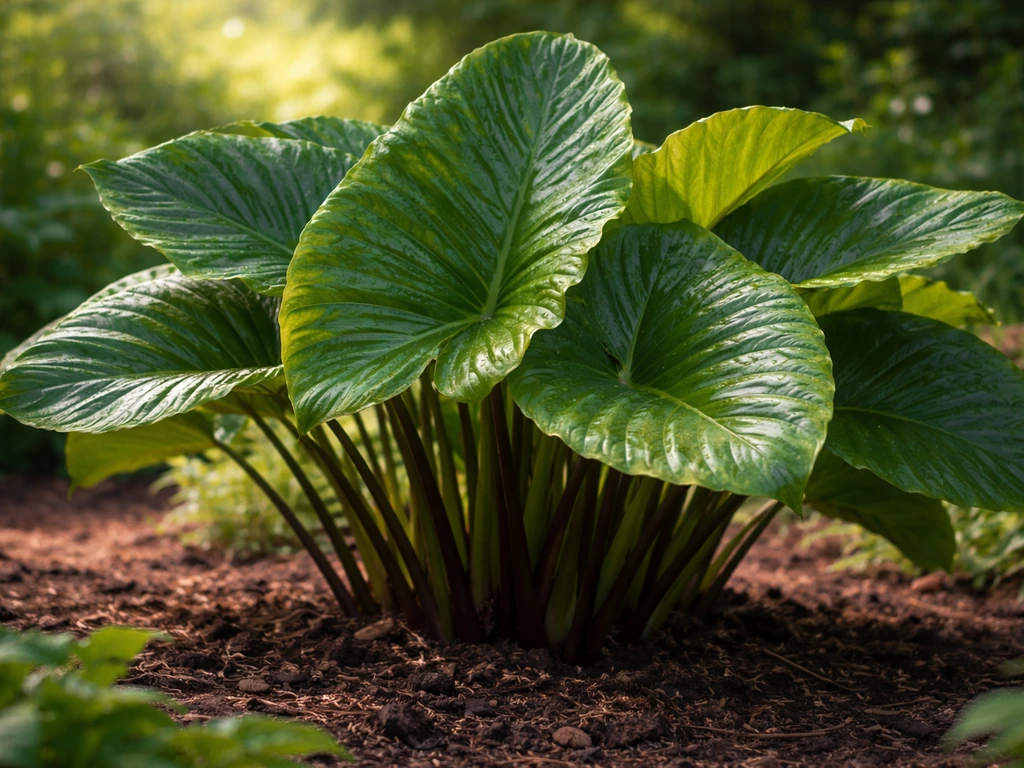
Elephant ears are technically flowering plants, but you're almost certainly growing them for their foliage, not their blooms. The flowers are small, pale, and easy to miss. They follow the classic aroid structure: a fleshy spike (blank" rel="noopener noreferrer">spadix)) wrapped in a leaf-like sheath (spathe), similar to a calla lily or peace lily. Think greenish-white and understated, not bold or showy. Most gardeners go entire seasons without seeing one, and that's completely normal. The giant, dramatic leaves are the whole point of planting elephant ears.
Are Elephant Ears a Flower? Grow a Garden Guide

Marcus Weir
20 Jun 2026
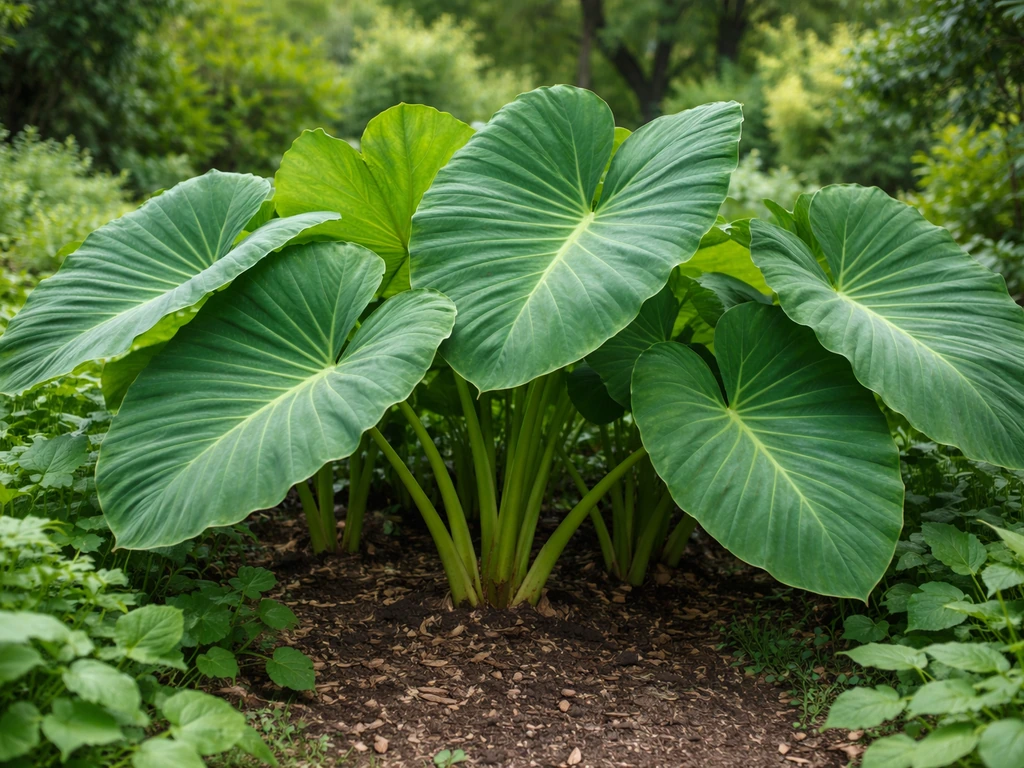
Elephant ears as foliage plants vs. flowering plants
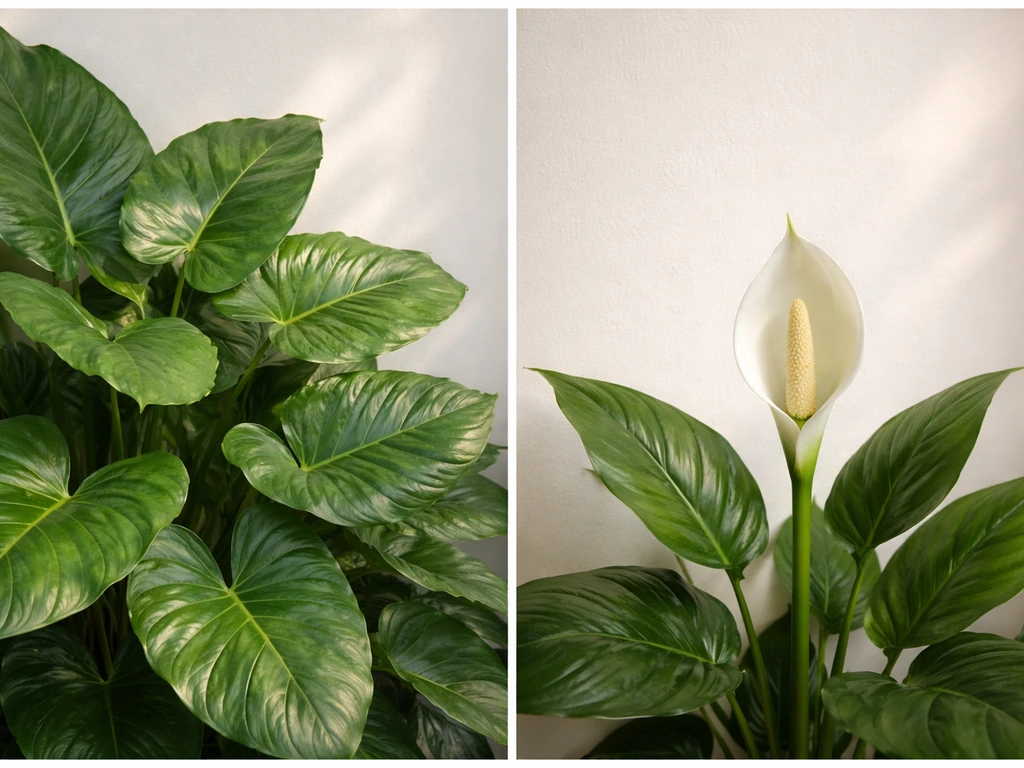
Elephant ears belong to the arum family (Araceae), which makes them botanical relatives of peace lilies, philodendrons, and calla lilies. So yes, they are true flowering plants in the scientific sense. But unlike a rose or a dahlia, nobody plants elephant ears hoping for flowers. So, if you're wondering, do elephant ears grow flowers, the answer is yes, but they are often subtle and infrequent hoping for flowers. The name itself comes from the leaf shape: massive, heart-shaped or arrowhead-shaped leaves that genuinely do look like elephant ears. That foliage is the feature. The RHS describes the flowering spathes of Alocasia as 'insignificant,' which is about as polite as horticulture gets when saying 'don't hold your breath.'
There are three main genera commonly sold as elephant ears: Colocasia (taro), Alocasia, and Xanthosoma. All three produce aroid-type inflorescences rather than conventional petaled flowers. Colocasia is the classic backyard pond-edge or tropical-border plant. Alocasia tends to have more upright leaves with prominent veining and is a popular houseplant as well as a garden specimen. Xanthosoma is less common in home gardens but behaves similarly. Any of these might casually be called 'elephant ear,' and all three flower the same way.
What elephant ear flowers actually look like
The flower structure is called an inflorescence, and it emerges from the base of the plant on a stalk (peduncle) that can reach 20 to 30 cm in length. The outer wrapping is the spathe: a curved, leaf-like bract that is typically white, cream, or pale green. Inside sits the spadix, a finger-shaped spike where the actual tiny flowers are packed together. On an Alocasia, the spadix tends to be cream-colored and shorter than the spathe. On a Colocasia, you might see a greenish, calla-like spathe enclosing the spadix. After the flowering period, the spathe and upper parts wither away, and the lower portion can develop small, globular berries containing seeds. Alocasia may produce orange-red fruit; Colocasia forms small seeds along the spadix.
If you've ever walked past your elephant ear and noticed what looked like a pale, slightly rolled new leaf emerging low on the plant, there's a real chance you were looking at an inflorescence rather than new foliage. It's a common mix-up. The spathe unfurls gradually and can be confused with a new leaf shoot, especially on Alocasia. Once you know what to look for, it clicks immediately.
When do elephant ears flower?
Flowering tends to happen on mature, well-established plants in warm conditions. Younger plants or those grown in cooler, less-than-ideal conditions rarely flower at all. In a typical temperate garden, you're most likely to see an inflorescence in late summer if the plant has had a long, warm growing season. In tropical climates where the plant stays in the ground year-round, flowering is more predictable. If you're growing elephant ears in a container or in a zone where you dig them up each fall, don't expect reliable blooms. The plant puts most of its energy into producing those iconic leaves.
Types of elephant ears and how they grow in a garden
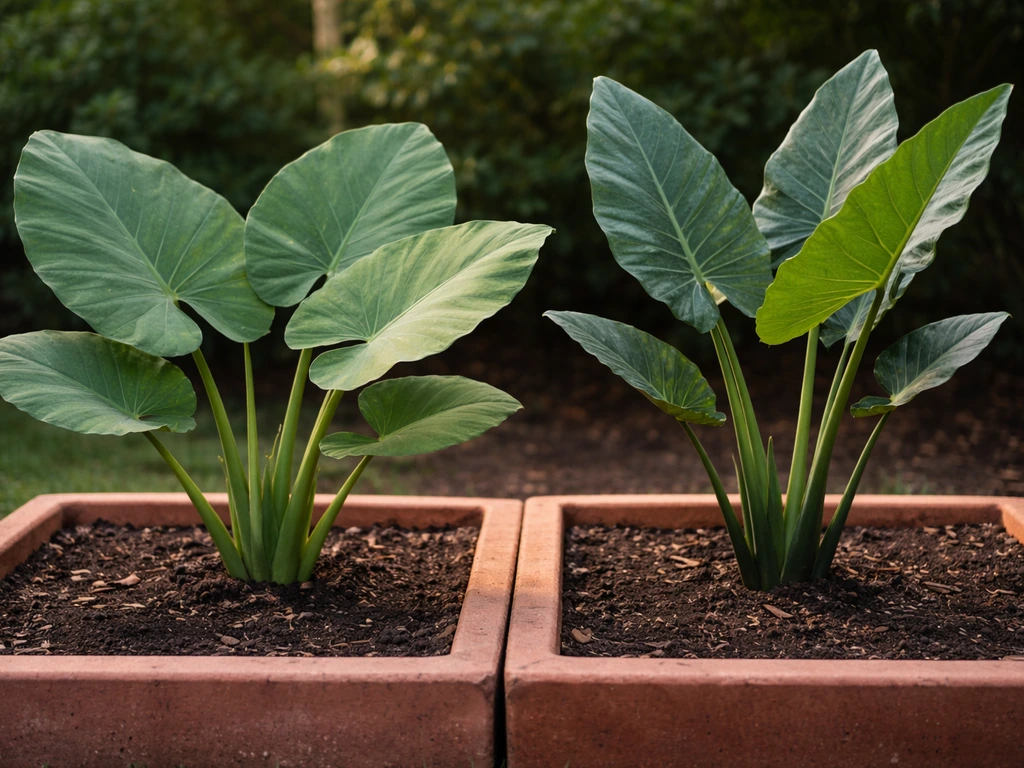
Most elephant ears grow from corms, which are often sold and described as bulbs even though they're not true bulbs in the botanical sense. Some types produce stolons (horizontal runners) that spread and create new offsets. Others stay in neat clumps. Xanthosoma sagittifolium, for example, has a growth cycle of about 9 to 11 months, spending the first roughly 6 months pushing out corms and leaves before the foliage stabilizes in the final months. That timeline gives you a sense of how patient these plants are: they're building a root system and corm structure before they put on a dramatic leaf show.
In the garden, elephant ears are statement plants. They can grow to several feet tall and wide depending on the variety, and their leaves are large enough to shade out smaller neighboring plants. This is worth thinking about when you're deciding where to place them. They work brilliantly as a backdrop, a focal point near a water feature, or as a living privacy screen through summer. They're frost-tender perennials, meaning they behave like annuals in colder zones unless you dig up the corms and store them each fall.
How to grow elephant ears well
Elephant ears are genuinely easy to grow if you give them warmth, moisture, and some shade. They struggle in full sun with dry soil, so don't put them in a scorching, exposed bed and forget to water. Here's what they actually need:
- Light: Part shade or filtered sun is ideal. Colocasia esculenta specifically does best in part shade with moist, rich soil. Morning sun with afternoon shade is a solid setup.
- Temperature: They need warmth. Don't plant outside until temperatures are consistently at least 60°F. In most temperate climates, that means late May or early June.
- Soil: Rich, moist, well-draining soil. These plants are native to tropical and subtropical environments, so they like consistent moisture without waterlogged roots.
- Watering: Keep the soil consistently moist, especially during the main growing season. They're not drought-tolerant.
- Spacing: Give them room. They spread wide and tall. Planting too close to smaller plants means the elephant ears will eventually shade them out.
- Planting depth: Set the corm with the top close to the soil surface. Burying it too deep can slow emergence.
Starting and overwintering your elephant ears
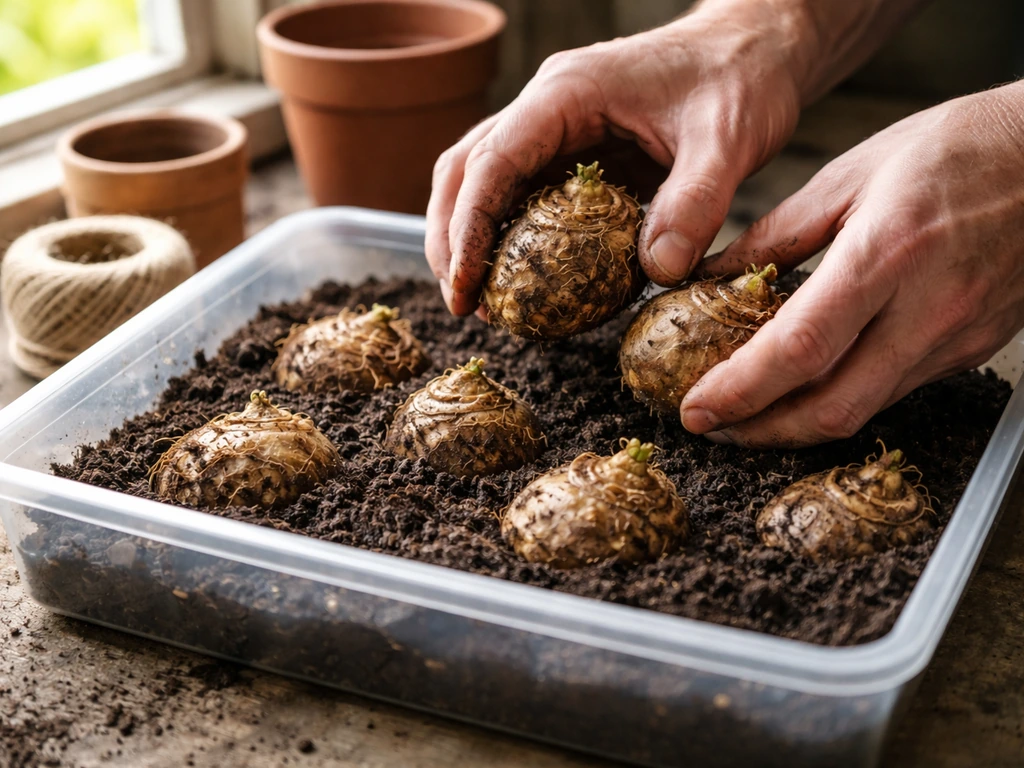
If you're in a colder climate (Zone 6 or below), start corms indoors in March by potting them up and keeping them warm and slightly moist until outdoor temperatures settle above 60°F. Then move them outside in late May or early June. In Zones 7 to 11, you can leave them in the ground year-round. Anywhere colder, dig the corms up after the first fall frost, cure them in a dry, well-ventilated area at around 60 to 70°F for about a week to ten days, then store them in a cool, dry spot through winter and replant after the last spring frost.
Why you're probably not seeing flowers (and what to do about it)
If you've been growing elephant ears and haven't seen a single spathe or spadix, you're in good company. These plants flower rarely compared to most garden plants, and the conditions have to be right. Here are the most common reasons flowering doesn't happen:
- The plant is too young: Elephant ears generally need to be mature and well-established before they flower. A first-year plant from a small corm often won't bloom.
- Conditions aren't warm enough or consistent enough: Cool summers, inconsistent watering, or too much shade can all suppress flowering.
- You're in a short growing season: If the plant is only in the ground from June to September, it may never reach the maturity or warmth accumulation needed to flower.
- You missed it: The inflorescence is small and doesn't last long. It can appear and fade without ever catching your eye, especially if it emerges low in the foliage.
- The plant is container-grown or pot-bound: Restricted roots can reduce vigor and suppress flowering.
If seeing a flower matters to you, grow the plant in the ground rather than a container, give it a long warm season, fertilize through summer with a balanced fertilizer to support overall vigor, and keep the soil consistently moist. Even then, it's not guaranteed. And honestly, the payoff in foliage alone is more than worth the effort.
It's also worth noting that elephant ear flowers are not the reason most people search 'elephant ears flower.' A lot of those searches are from people who just want to know what kind of plant they bought, whether it will bloom like a typical flower, or whether they're growing the right thing. If that's you: you have a foliage plant that happens to also be a true (if understated) flowering plant. Knowing the difference helps you set the right expectations and enjoy what the plant actually offers.
Quick next steps you can take today
Whether you just bought a corm, have a plant in the ground already, or are trying to figure out what that pale growth is near the base of your elephant ear, here's what to do right now: If you want elephant ears for their big leaves, the best approach is to give them warm conditions, consistent moisture, and room to spread grow elephant ears.
- Identify your plant: Check whether you have Colocasia (leaves typically droop at the tip, like a classic elephant ear), Alocasia (leaves point upward or outward, with bold vein patterns), or Xanthosoma (similar to Colocasia but often with lighter-colored veins). This affects care details and what flowering looks like.
- Check your location: Is your plant in part shade with moist soil? If it's in full sun or dry ground, move it or adjust your watering schedule immediately. This is the single biggest fix for struggling elephant ears.
- Inspect for an inflorescence: Look near the base of the stem for a pale, rolled, leaf-like growth that isn't unfurling like a normal leaf. That's likely a spathe, not a new leaf shoot.
- Confirm your zone: If you're in Zone 7 or warmer, your plant can stay in the ground. If you're in Zone 6 or below, start planning to dig up the corms before your first fall frost (typically October or November depending on location).
- Adjust your expectations: If you were hoping for showy blooms, know that elephant ears are primarily foliage plants. The drama is in the leaves, and that's genuinely worth celebrating.
If you want to go deeper, questions about whether elephant ears are tropical plants, how they grow from corms to full-size specimens, and whether they're a good choice for your specific garden setup are all worth exploring as you plan your space. Elephant ears are often grown as tropical-looking plants, but whether they behave tropical depends on your climate and how you overwinter them Elephant ears are tropical plants. The more you understand about how these plants grow through a full season, the easier they are to place, care for, and enjoy.
FAQ
If elephant ears are flowering plants, why don’t I ever see blooms?
Usually, yes, but the only true “flower” is the aroid inflorescence (spathe plus spadix). If you’re expecting showy petals, you may never notice it because it’s pale and brief compared to the leaves.
How can I tell whether what I’m seeing is a new leaf or an elephant ear flower?
A pale, slightly rolled shoot low on the plant can be the spathe unfurling. On Alocasia in particular, it can look like a new leaf emerging from near the base, so check whether it forms a sheath-like wrap before it develops into the spathe.
Will elephant ear flowers show up in a container the same way as in the ground?
Colder or less-stable conditions often delay or prevent flowering, even if the plant survives. In containers, fluctuating temperatures and drier potting mixes reduce flowering further, so stable warmth, consistent moisture, and a long warm season matter more than quick summer waterings.
If I overwinter elephant ears indoors or dig them up, should I still expect flowers?
They are typically frost-tender perennials, so overwintering method affects flowering consistency. If you dig up and store corms each fall, you may get strong foliage but fewer inflorescences because the plant loses the uninterrupted, warm-growing cycle it uses to reach maturity.
Do I need to prune elephant ears for flowering, or should I just leave them alone?
Not reliably. If you trim leaves or cut back too aggressively before the plant has built reserves, you can slow overall vigor, which can indirectly reduce the chance of inflorescence formation later.
Does flowering affect how big elephant ears get or where I should plant them?
Yes, but it changes placement and expectations. Use a spot where they can spread (often several feet wide depending on type), and plan around the fact that flowering activity is low priority compared to producing leaf mass.
What watering mistakes prevent elephant ears from blooming?
Overwatering or constantly wet soil can harm corms, but letting them dry out completely can also suppress growth. Aim for consistently moist soil during the active season, then reduce watering slightly during colder storage periods so corms do not rot.
What feeding approach supports flowering without causing problems?
Fertilizer helps plant vigor, but more is not better. Use a balanced fertilizer during the growing season, avoid overfeeding nitrogen alone, and stop feeding as growth slows because forcing late growth can stress the plant before cool weather.
Are elephant ear flowers different depending on whether I have Colocasia, Alocasia, or Xanthosoma?
The common label “elephant ear” can refer to Colocasia, Alocasia, or Xanthosoma, and the inflorescence color and proportions differ. Colocasia often shows a more greenish spathe, while Alocasia tends to have a shorter, cream-toned spadix relative to the spathe.
If I just planted new corms, is it normal that no flowers appear yet?
If you buy corms that are small or young, they often spend the early part of the season building roots and corm structure. It’s common to wait a full warm season (or more) before you ever see an inflorescence.
Next Article
Is Elephant Ears Good to Grow in a Garden
Yes, elephant ears can thrive fast and look dramatic. Learn light, soil, planting timing, care tips, pests, and overwint