Yes, elephant ears do grow flowers, but most gardeners never see them. That's not a failure on your part or the plant's. It's just how these big, tropical aroids work. The flowers are modest, tucked under the leaf canopy, and the conditions needed to trigger them are ones that indoor and temperate-climate growers rarely hit consistently. If you've been growing yours for years with nothing but gorgeous foliage and no sign of a bloom, that's completely normal.
Do Elephant Ears Grow Flowers? How to Encourage Blooming

Marcus Weir
7 Apr 2026
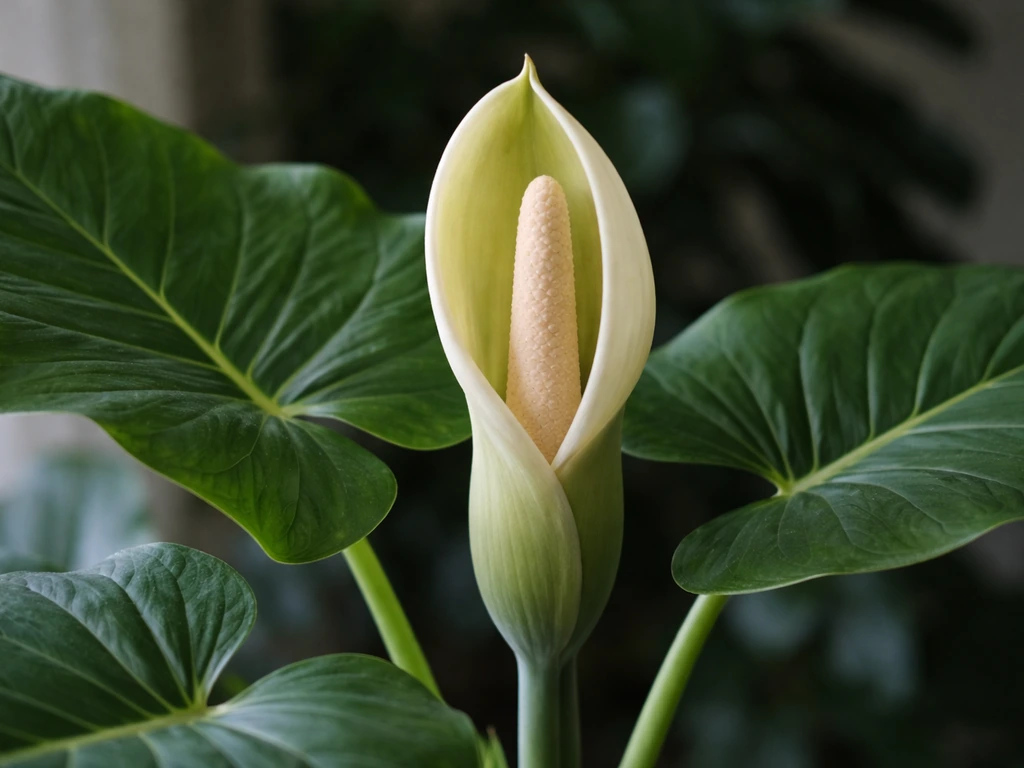
Do elephant ears actually flower? (and which plant do you have?)
Before anything else, it helps to know which 'elephant ear' you're actually growing, because the name gets used for at least three related but distinct plant genera: Colocasia (the classic taro), Alocasia (the upright, arrow-leaved types popular as houseplants), and Xanthosoma (less common but still widely grown). All three belong to the Araceae family, all produce the same basic type of flower structure, and all can technically bloom. The University of Wisconsin Extension confirms that elephant ears 'can bloom' but notes that flowering is uncommon in the Midwest, which holds true for most temperate and indoor settings.
If you're not sure whether you're dealing with a Colocasia or an Alocasia, a quick clue is leaf angle: Colocasia leaves tend to droop so the tip points down, while Alocasia leaves angle upward from the stem. How elephant ear plants grow overall is tied closely to which genus you have, because growth habit, dormancy patterns, and flowering triggers differ between them. Knowing what you've got makes the rest of this guide much more useful.
There's also a common misconception worth clearing up: because elephant ears are grown almost entirely for their dramatic foliage, many people assume they're non-flowering plants like ferns or some palms. They're not. They produce true flowers, but those flowers are botanical rather than showy. Once you know what to look for, you'll stop mistaking a bloom for a weird new leaf.
What elephant ear flowers actually look like
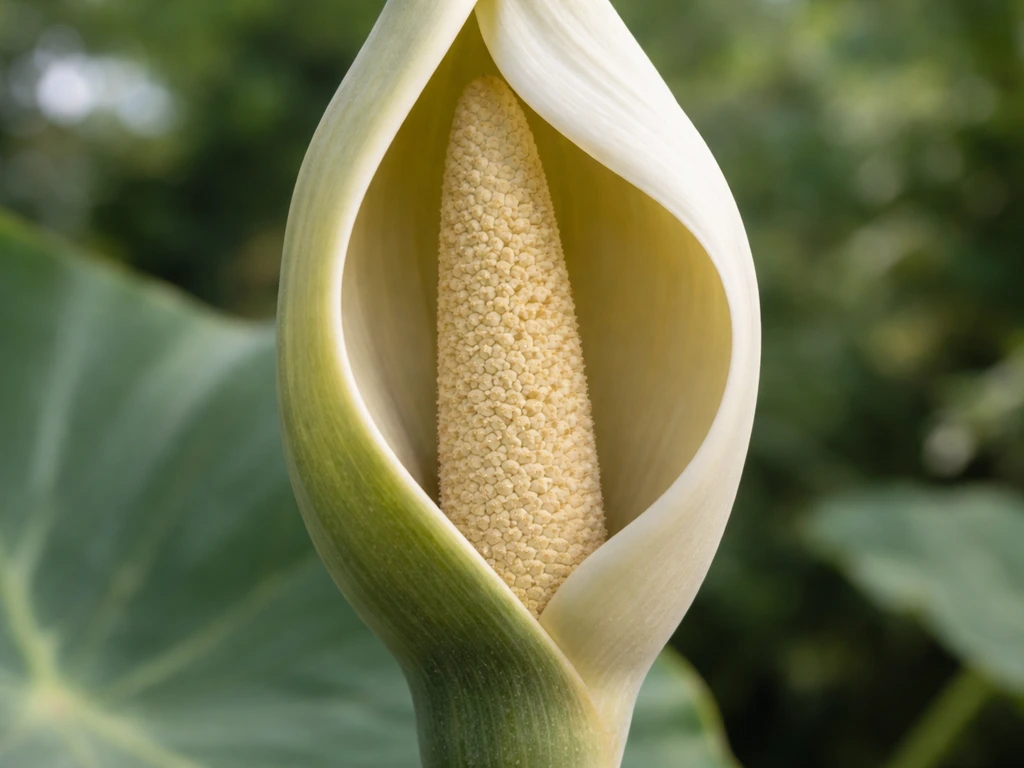
Elephant ear flowers follow the classic aroid pattern: a spadix (a finger-like spike covered in tiny flowers) wrapped or hooded by a spathe (a modified leaf or bract that acts like a sheath). It's the same basic structure you see on a peace lily or a calla lily, just less dramatic and often more hidden.
For Colocasia esculenta, North Carolina State University Extension describes the flower as a white to yellow spadix with a greenish or yellow spathe. Botanically, the spathe is about 13 to 35 cm long with a green tube, and the blade is orange on both sides, reflexing back at anthesis (when the flower opens) to expose the spadix. The spadix itself runs 9 to 15 cm long, with a conical female (pistillate) zone at the base measuring roughly 3 to 3.5 cm and a cylindrical male (staminate) zone above it around 4 to 6.5 cm. In the garden it appears as a pale, torch-like structure emerging low near the base of the plant, mostly hidden beneath the big leaves.
For Alocasia, NCSU Extension describes the inflorescence as a creamy white spadix of tiny flowers surrounded by a leaflike, hooded spathe. It's subtle, almost architectural, and easy to walk past without noticing. The 'flower' doesn't look like a rose or a daisy. It looks like a small, pale hood peeking out from the stem area.
Xanthosoma goes bigger. Kew Science records the spathe at 23 to 32 cm long, with an ivory white lamina and an ovoid tube (7 to 10 cm x 4 to 5 cm). The spadix runs 17 to 25 cm, with the female portion at the base (pale yellow and conoid, roughly 4 to 6 cm long), a sterile male zone in the middle (3 to 5 cm), and the fertile male portion at the top (9.5 to 13 cm). That male/female zone arrangement on the spadix is common across all three genera. If the spathe opens and you peer inside, females are at the base and males are higher up, with a band of sterile flowers in between.
After flowering, plants may produce small, globular berries containing seeds. Spotting those berries is one of the easiest ways to confirm that your plant actually flowered, in case you missed the bloom itself.
When flowers usually appear
Outdoors in warm climates, elephant ears most commonly flower in summer and into early fall when conditions are consistently warm and humid. Some Alocasia species, particularly those native to subtropical Australia like Alocasia brisbanensis, show a flowering peak in December and January (their summer) and can flower in most months outside of winter. Indoors, there is no reliable season because the triggers are more about cumulative growing conditions than calendar date.
Why your elephant ear probably isn't flowering indoors
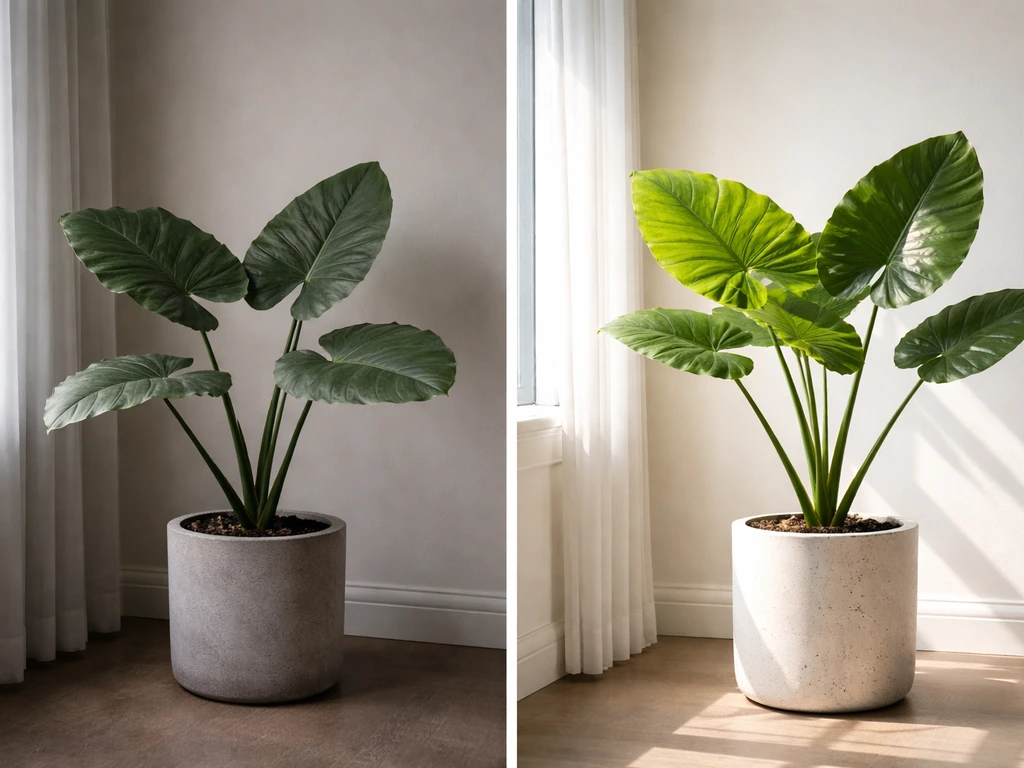
Indoor elephant ears rarely bloom, and there are a handful of reasons that come up again and again. The biggest one is light intensity. Most indoor spaces, even bright ones by human standards, deliver far less light than these plants receive in their native tropical habitats. Elephant ears need genuinely high light to flower, not just 'bright indirect light' in the way that phrase gets used for shade-tolerant houseplants. If your plant is sitting a few feet from a window in a typical room, it's likely getting enough light to stay alive and produce leaves, but not enough to trigger reproductive growth.
Plant age and size matter too. Elephant ears need to reach a certain maturity before they'll even attempt to flower. A small plant or a recently divided offset simply isn't ready. If yours is under two to three years old or has never been allowed to develop a large, established root system, flowers are unlikely regardless of other conditions.
Pot size is a related factor. A root-bound plant in a small pot stays stressed and focuses energy on survival rather than reproduction. But on the other side, an oversized pot filled with too much soil holds excess moisture and can lead to root rot, which also shuts down flowering. The sweet spot matters.
Temperature consistency is another barrier. These are tropical plants that evolved in warm, humid environments with no cold season. Elephant ear's identity as a tropical plant is directly tied to its flowering requirements: it wants warmth consistently above 60°F at night and ideally 70 to 85°F during the day. Indoor heating and cooling systems create fluctuations that don't match those conditions, and temperatures below 50°F can stop flowering entirely.
Finally, nutrient imbalances can work against you. Too much nitrogen (the first number on fertilizer labels) pushes lush leaf growth but suppresses flowering. If you've been feeding heavily with a general-purpose or high-nitrogen fertilizer, you may have inadvertently trained your plant to stay in permanent vegetative mode.
How to actually encourage flowering
There's no magic trick here, but there are specific adjustments that raise your odds meaningfully. Here's what to work through, in order of impact.
Light
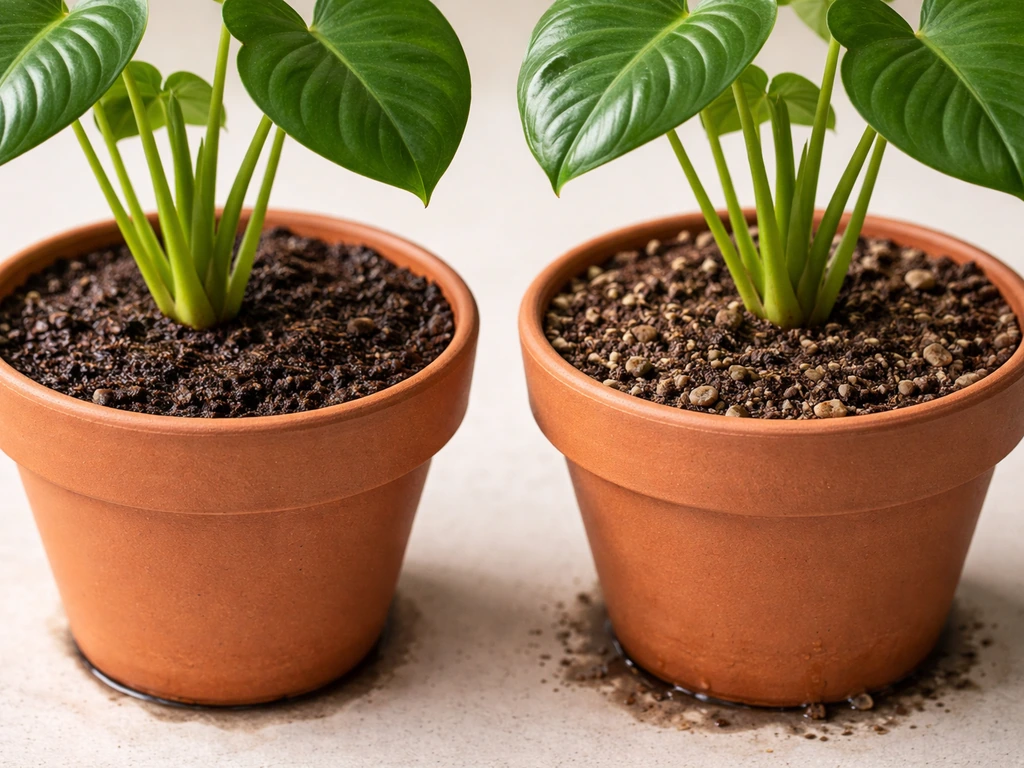
Move your plant to the brightest spot you have. A south- or west-facing window with direct sun for at least four to six hours daily is the minimum you're aiming for. If that's not possible indoors, a high-output grow light positioned close (18 to 24 inches) for 12 to 14 hours per day can compensate. Don't rely on a single low-wattage bulb. Elephant ears are big plants that need serious light to flower.
Watering
Colocasia loves consistent moisture and can even handle boggy conditions, but Alocasia and Xanthosoma want well-draining soil that stays moist but never waterlogged. Stress from drought or from sitting in soggy soil both reduce flowering chances. The goal is steady, even moisture with good drainage. Water when the top inch or two of soil feels dry, and make sure the pot drains fully.
Feeding
Switch from a high-nitrogen fertilizer to one with a balanced or slightly higher middle number (phosphorus). A formula like 5-10-5 or a bloom-boosting fertilizer applied monthly during the growing season encourages the plant to put energy into flowering rather than just making more leaves. Don't over-fertilize. A light, consistent feed beats infrequent heavy doses every time.
Pot size
If your plant hasn't been repotted in two or more years and the roots are circling the bottom, move it up one pot size (not two or three). A pot that's 12 to 16 inches in diameter is often the right range for a mature elephant ear. Going too large invites root rot; staying too small keeps the plant stressed. Either way, flowering suffers.
Temperature
Keep nighttime temperatures consistently above 60°F and daytime temps in the 70 to 85°F range. Avoid placing the plant near heating vents, drafty windows, or air conditioning units. Consistent warmth, even more than peak warmth, is what these plants respond to best. If you can move the plant outdoors during summer in a warm climate zone, that's often the single biggest boost you can give it.
Outdoor vs indoor expectations: seasons and climate reality
If you're growing elephant ears outdoors in USDA zones 8 to 11, your chances of seeing flowers are genuinely good, especially if the plants are large and well-established. These zones provide the sustained warmth, humidity, and light intensity that trigger blooming naturally. In zones 7 and below, flowering is possible during the summer months but less likely because the warm season is shorter and the plants may not fully 'settle in' before cooler temperatures arrive.
Dormancy handling is critical for outdoor growers in cooler climates. When temperatures drop toward 50°F, Colocasia corms can be dug, dried, and stored over winter. Alocasia can be brought indoors. Xanthosoma handles a bit of cool but doesn't tolerate frost. Mishandling this transition, especially leaving corms to freeze or letting indoor plants go completely dry during winter rest, weakens the plant going into the next season and reduces flowering potential. Whether elephant ears are a good fit for your garden depends heavily on your climate zone and how committed you are to managing this winter transition.
For indoor growers in temperate climates, the honest expectation is that flowering is unlikely unless you're providing supplemental lighting, consistent warmth, and the other conditions described above. Leaves-only growth is the norm for most indoor elephant ears, and that's not something going wrong. It's just the reality of trying to get a tropical rainforest plant to behave the same way in a living room.
It's also worth noting that whether you consider elephant ears primarily a flowering plant or a foliage plant shapes how you care for them. The question of whether elephant ears count as a flower is genuinely interesting from a botanical standpoint, because while they do produce true flowers, they're classified and sold as foliage plants in almost every gardening context.
Quick troubleshooting checklist if you want blooms but aren't getting them
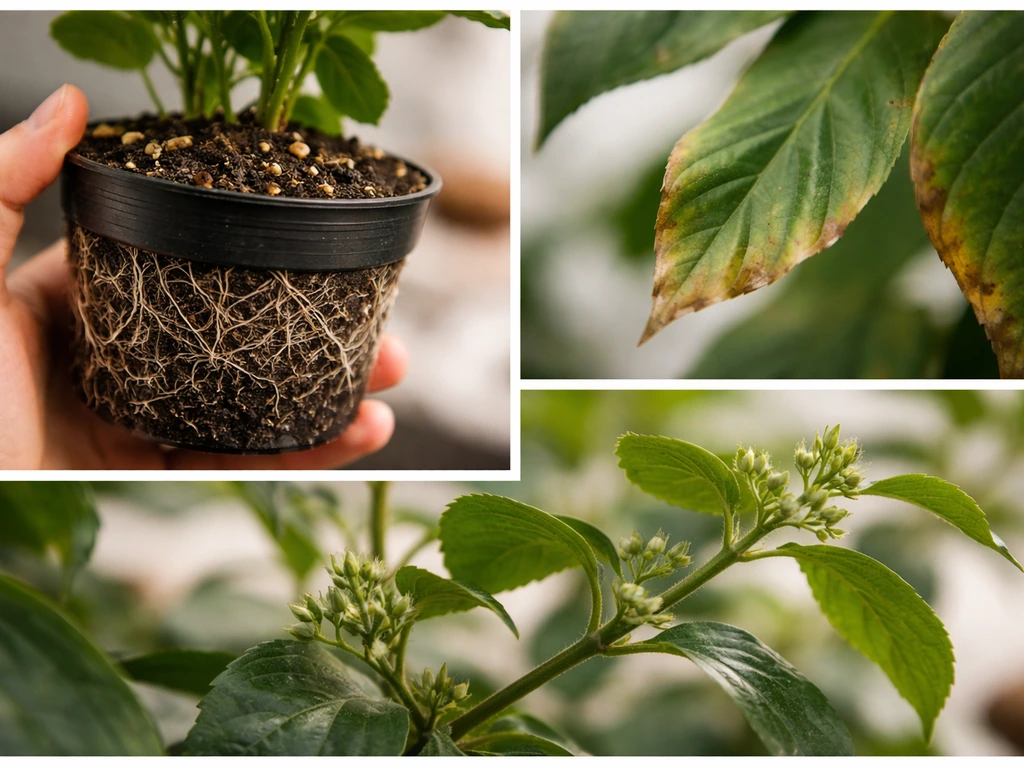
Run through this list and honestly assess each item. If you can check off all of them, you've done what you can. If several are 'no,' start there.
- Is your plant at least 2 to 3 years old and large enough to be considered mature? Young or recently divided plants rarely flower regardless of other conditions.
- Is it getting 4 to 6+ hours of direct sun outdoors, or equivalent high-output grow lighting indoors for 12 to 14 hours daily?
- Are daytime temperatures consistently 70 to 85°F and nighttime temperatures above 60°F?
- Is your pot the right size? One size up from root-bound is the goal. Neither too tight nor too large.
- Are you using a balanced or phosphorus-forward fertilizer monthly during the growing season, not a high-nitrogen formula?
- Is watering consistent: moist but well-drained, never waterlogged, never completely dry between waterings?
- Have you checked the plant for pests (spider mites, scale, thrips) and root health? A stressed or infested plant will not flower.
- Did you handle dormancy correctly last winter? Improper corm storage or a harsh winter rest can weaken the plant's flowering potential heading into spring.
- Is humidity above 50%? Low humidity stresses these tropical plants and can suppress reproductive growth.
- Have you been patient? Even under ideal conditions, flowers may only appear once per year and last only a few days.
Indoor vs outdoor flowering: what to realistically expect
| Factor | Outdoors (Zones 8–11) | Outdoors (Zones 5–7) | Indoors (Typical Home) |
|---|---|---|---|
| Flowering likelihood | Moderate to high with mature plants | Low to moderate in peak summer | Low; uncommon without grow lights |
| Best season for blooms | Summer through early fall | Midsummer only | No reliable season |
| Light requirements met? | Yes, naturally | Partially | Rarely without supplemental light |
| Temperature consistency | High | Moderate | Variable; often disrupted by HVAC |
| Dormancy needed? | Yes, corms dug in fall | Yes, corms dug in fall | Light dormancy or continued growth |
| Practical recommendation | Grow in ground, allow to establish | Use large containers, bring in early | Maximize light and warmth; manage expectations |
The bottom line is this: elephant ears can and do flower, but they're not going to reward you with blooms just because you've kept them alive. They need size, warmth, strong light, good nutrition, and time. If you're growing outdoors in a warm climate and your plant is well-established, you have a genuine shot this summer. If you're growing indoors in a temperate zone, optimize what you can and accept that some plants simply never bloom in that environment. The foliage alone is worth it.
FAQ
How can I tell if my elephant ear is actually flowering if the blooms are hidden under the leaves?
Look low near the base of the plant for a pale, torch-like spadix and a hooded spathe peeking out from the leaf canopy. Afterward, check for small round berries, which confirm the plant set flowers even if you never saw the opening.
Do elephant ears bloom right after you buy them, or do they need to settle in first?
They usually need time after purchase, especially if they were recently shifted in light, temperature, or watering. If the plant is still small or has not built an established root system, it may stay in foliage mode for a year or more even if it looks healthy.
Will dividing tubers or corms increase the chance of getting flowers?
Divisions often delay flowering because the separated pieces spend time rebuilding roots and reach maturity. If you want blooms, keep offsets to replanting goals, not immediate flowering expectations, and wait until the plant is large and well rooted.
What’s the biggest fertilizer mistake that prevents elephant ear flowers?
Using a high-nitrogen formula or heavy feeding that keeps pushing leaf growth. For blooming, switch to a more balanced fertilizer (with a stronger middle number) and apply consistently during the growing season, rather than frequent, high-dose feeding.
My indoor elephant ear is in a bright window, but it still won’t bloom. How do I know if it’s enough light?
If your setup is “bright indirect light,” it may not be enough for flowering. Try a south or west window with several hours of direct sun, or add a high-output grow light close to the plant for long daily duration (typical results come from sustained, high-intensity exposure).
Can I force elephant ears to bloom by changing seasons on purpose indoors?
You can help the plant, but you cannot reliably “trick” it with calendar changes alone. Flowers depend on cumulative conditions like consistent warmth, adequate light intensity, and proper moisture balance, so the response is often gradual rather than immediate.
What soil or watering pattern helps flowering without causing rot?
Aim for evenly moist soil that drains fully, not constantly wet. Water when the top layer dries slightly, ensure the pot has good drainage, and avoid waterlogged conditions, because root stress from rot or drought can both suppress flowering.
Is a larger pot always better for elephant ear flowering?
No. A pot that is too large can hold excess moisture, increasing root rot risk, which can stop flowering. If your roots are circling, move up one size, keep the container well draining, and avoid jumping several sizes at once.
What temperature conditions matter most for bloom triggering?
Consistency matters as much as the average. Try to keep nights above about 60°F and daytime in the 70 to 85°F range, and avoid cold drafts, frequent thermostat drops, or placing near vents, since fluctuations can interrupt flowering.
Do all elephant ear genera respond the same way to dormancy and winter storage?
No. Outdoor storage and indoor rest differ by type. Colocasia corms typically need a proper cool-down and dry storage period, Alocasia is often brought indoors, and Xanthosoma tolerates some cool but not frost, so the wrong winter handling can reduce next season blooms.
If my plant produces berries, is it guaranteed to be pollinated and able to produce seeds?
Berries indicate successful flowering and pollination occurred at least to the point of seed development. However, seed viability can vary by pollination quality and maturity time, so allow berries to ripen fully before harvesting if you plan to grow from seed.
Next Article
Is Miracle-Gro Good for Mandevilla? How to Feed It Safely
Yes, Miracle-Gro can feed mandevilla safely. Get correct NPK choice, dilution, schedule, and signs to avoid burn.