The Anasazi, more accurately called the Ancestral Puebloans, grew three core crops: corn (maize), beans, and squash. A maize phytolith identification study shows that maize cob or glume phytoliths can be used to infer maize consumption and processing in archaeological contexts, including residues such as dental calculus and pottery vessel residues maize cob/glume phytoliths can infer maize consumption or processing in archaeological contexts. These three plants formed the backbone of their diet across hundreds of years in the American Southwest, and archaeological sites from Mesa Verde to Chaco Canyon confirm this same combination over and over in excavated plant remains. Beyond that foundational trio, they also cultivated gourds and, in some areas, cotton. Corn was by far the most important crop, and communities stored dried surplus corn specifically to survive bad harvest years.
What Did the Anasazi Grow? Key Crops and How They Cultivated Them

The main crops, listed out
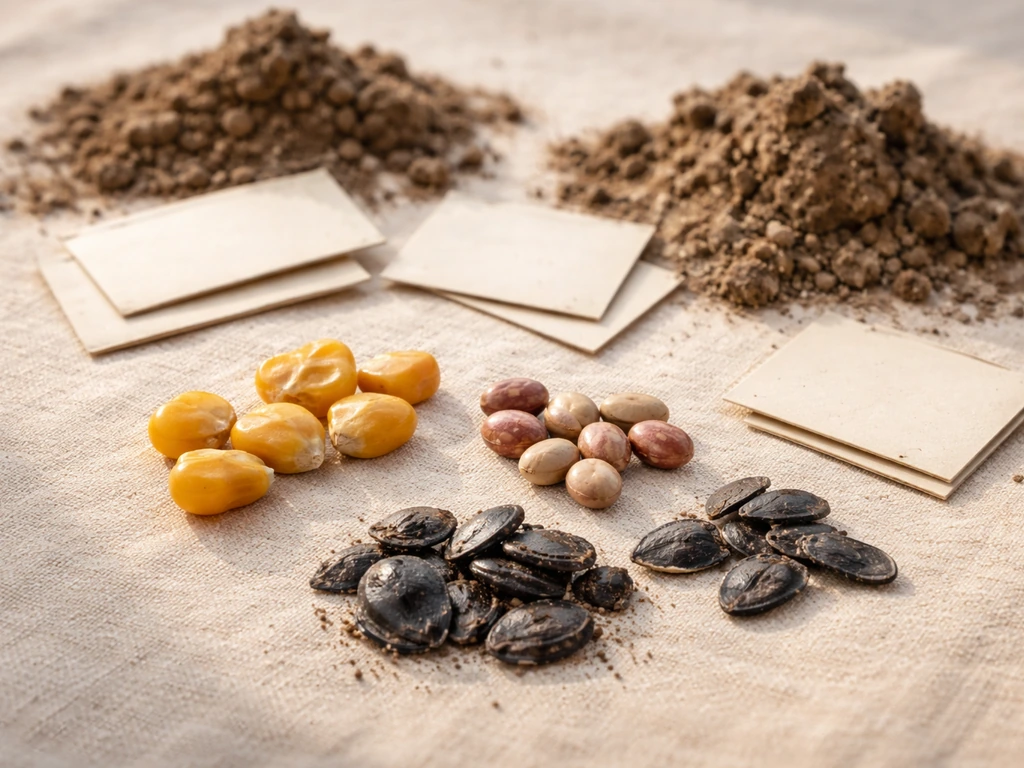
Excavations at sites like Sand Canyon Pueblo and Yellow Jacket Pueblo have turned up macro-botanical remains that give a very clear picture of what was actually grown and eaten. Excavated macro-botanical remains from Yellow Jacket Pueblo indicate cultivation and consumption of domesticated maize (Zea mays), beans (Phaseolus vulgaris), and squash (Cucurbita), alongside wild plant foods blank" rel="noopener noreferrer">macro-botanical remains that give a very clear picture of what was actually grown and eaten. The crop list is shorter than you might expect, but each plant pulled serious weight in the diet.
- Corn (Zea mays): the dominant staple, grown in quantity, dried, and stored. By around A.D. 900, communities in the central Mesa Verde region were heavily dependent on maize for subsistence.
- Common beans (Phaseolus vulgaris): the main protein source alongside whatever game was available. Beans fix nitrogen in soil, which also helped keep corn fields productive.
- Squash (Cucurbita moschata and Cucurbita pepo): two species show up in the archaeobotanical record, covering butternut-type and pumpkin/zucchini-type forms. These provided calories, seeds, and edible flesh.
- Gourd (Lagenaria siceraria): not primarily a food crop, but grown for containers, tools, and storage vessels. Very practical in a world without plastic.
- Cotton (Gossypium): grown mainly in warmer southern areas and introduced north of the Mogollon Rim during the Pueblo I period. Used for fiber and weaving, not food.
Wild plant foods also supplemented the diet, but the domesticated crops above are what the agricultural system was built around. There is also evidence from Chaco Canyon's Pueblo Bonito that cacao reached Ancestral Pueblo communities through long-distance trade, but that was a luxury item, not a crop they were growing locally.
Staple foods and what each crop actually did
Corn was not just the most-grown crop, it was the organizational center of the food system. Surplus dried corn was stockpiled to buffer against drought years, which were a constant threat in the Southwest. Think of it like a savings account in edible form. The communities that managed their corn stores carefully could survive a bad season; those that didn't faced serious hardship.
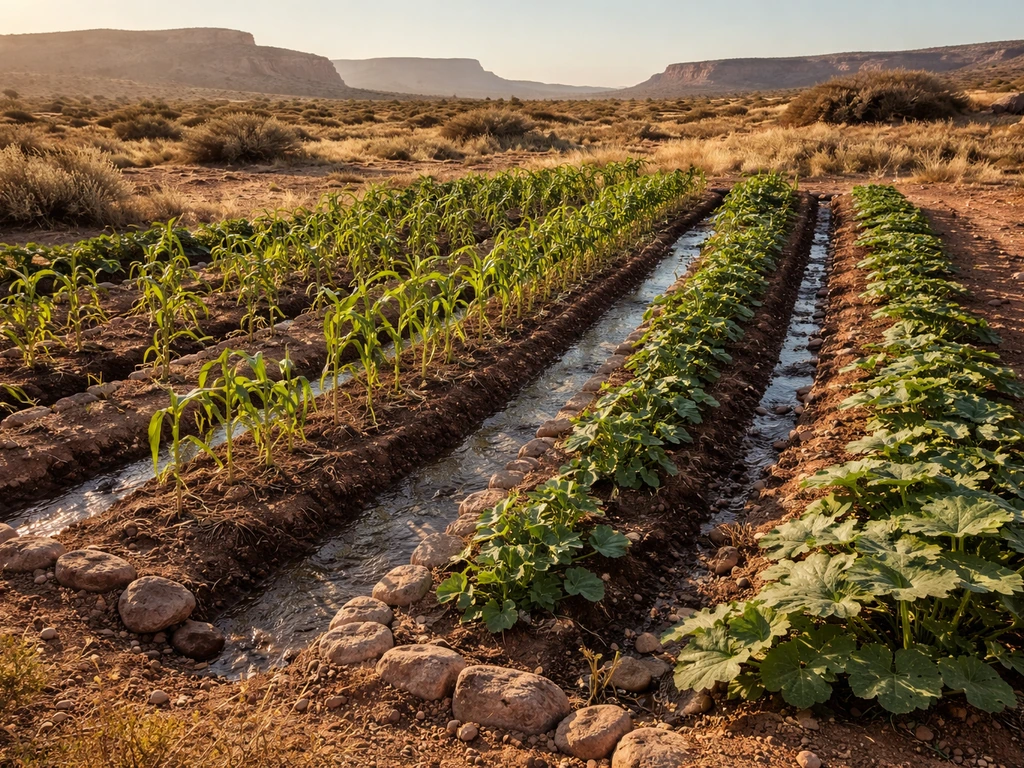
Beans and squash played supporting roles, but important ones. Beans provided protein and amino acids that corn lacks on its own, which is why this combination is nutritionally complementary. Squash added calories, vitamins, and cooking versatility. The three crops together (what many people now call the Three Sisters) created a more complete diet than any one of them could alone. Planting them together also has agricultural advantages: squash leaves shade the soil and reduce moisture loss, beans add nitrogen, and corn provides structure for beans to climb.
Cotton was a fiber crop rather than a food, but it was significant enough to show up consistently in the archaeological record. Weaving was a major craft and trade activity, so cotton cultivation had real economic importance for communities where the climate allowed it.
Why the Southwest shaped these specific crop choices
The Colorado Plateau and surrounding Southwest is arid, high in elevation in many areas, and subject to wild swings in rainfall from year to year. Average annual precipitation at places like Mesa Verde runs somewhere around 18 inches, much of it falling in summer monsoon storms that are intense but unpredictable. Frost can arrive early in fall and late in spring, compressing the growing season. Any crop that was going to work here had to be drought-tolerant, fast enough to mature in a short season, and storable for long periods.
Corn, beans, and squash all fit those requirements well. Ancestral Pueblo farmers also selected and adapted their corn varieties over generations to perform in local conditions. Isotope analysis of maize from Pueblo Bonito at Chaco Canyon even shows that some corn was grown roughly 80 kilometers away near the Chuska Mountains and transported in, which tells you the communities were thinking strategically about where the best soils and water conditions were, not just farming whatever was closest.
Water access was probably the single biggest constraint on where and how much could be grown. Mesa Verde's communities knew the location of every seep and spring on the mesa, and those water sources directly influenced where people settled and where fields could be established. In drier years, that knowledge was the difference between a harvest and a failure.
How they actually farmed: irrigation, dry farming, and timing
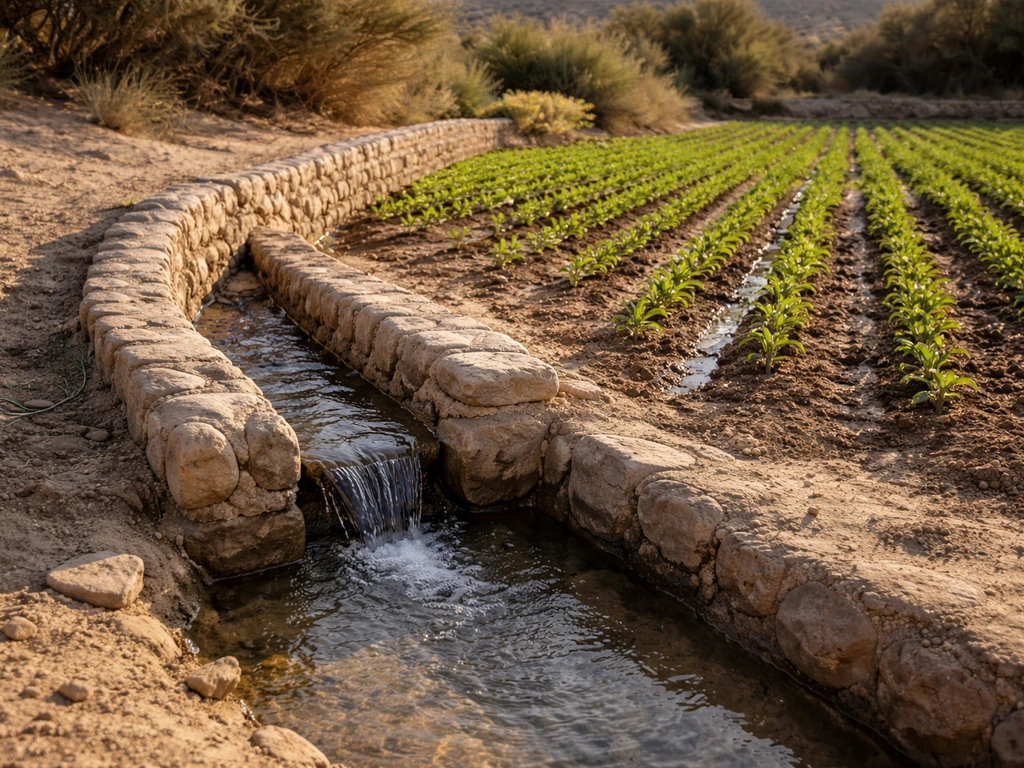
Ancestral Pueblo agriculture was not just scatter seeds and hope for rain. These communities developed a sophisticated toolkit of water-management techniques that modern permaculture designers would recognize immediately.
Water harvesting and irrigation
At Chaco Canyon and other major sites, communities built diversion dams and canals to redirect seasonal floodwaters toward fields. This effectively extended the growing area beyond what natural rainfall could support. At Mesa Verde, they went further and built actual reservoirs, including Morefield, Box Elder, Far View, and Sagebrush Reservoirs, constructed between roughly A.D. 750 and 1180. Some were built at the top of the mesa, others in valley bottoms, and some were plastered inside to reduce seepage and evaporation. These were serious engineering projects, not improvised catch basins.
Dry farming techniques
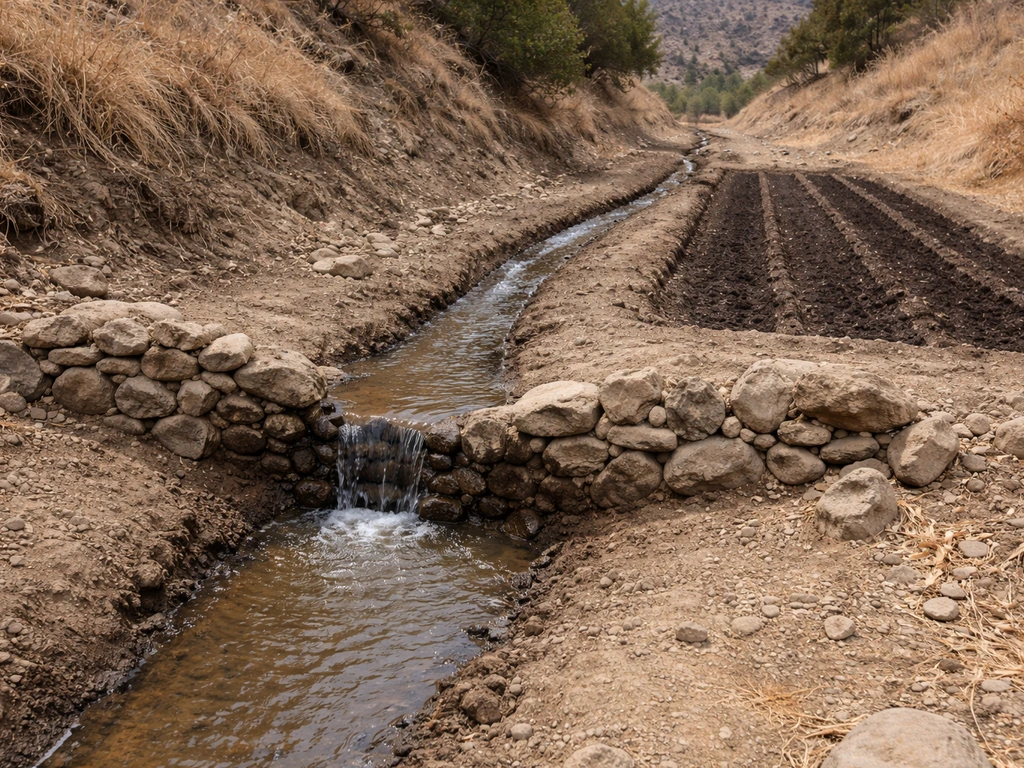
In areas where irrigation was not possible, dry farming techniques conserved every drop of available moisture. Check dams were built across small drainages to slow runoff and allow water to sink into the soil where crops were planted. Earth terraces on slopes served the same function while also reducing erosion. Pebble mulch and grid gardens helped moderate soil temperature and retain moisture. At Bandelier National Monument on the Pajarito Plateau, NPS documentation describes all of these methods being used together as an integrated system.
Planting timing
Timing was critical. At elevations around 7,000 to 8,000 feet, the frost-free window is short, often only 120 to 140 days. Corn needed to be planted as soon as frost risk dropped in late spring (roughly late April to May at lower elevations, May to early June higher up) and harvested before fall frost returned. Beans and squash followed similar timing, often planted alongside corn so the whole system matured together.
What those crops look like today
All five crops the Ancestral Puebloans grew are still available and commonly grown today, though the specific varieties have evolved or in some cases been preserved as heirlooms.
| Ancestral Pueblo Crop | Modern Equivalent | Notes |
|---|---|---|
| Corn (Zea mays) | Flour corn, dent corn, heirloom varieties like Hopi Blue or Bloody Butcher | Many heirloom Southwest varieties are direct descendants of Ancestral Pueblo corn |
| Common beans (Phaseolus vulgaris) | Pinto, Anasazi bean, Jacob's Cattle, black beans | The 'Anasazi bean' sold commercially is a direct heirloom link to these crops |
| Butternut-type squash (Cucurbita moschata) | Butternut squash, Long Island Cheese pumpkin | Same species, widely available |
| Pumpkin/zucchini-type squash (Cucurbita pepo) | Acorn squash, zucchini, sugar pumpkins | Same species group, hundreds of modern varieties |
| Gourd (Lagenaria siceraria) | Birdhouse gourd, bottle gourd | Sold as ornamental or craft gourds at most garden centers |
| Cotton (Gossypium) | Upland cotton (G. hirsutum) | Grown commercially and in home gardens in USDA zones 8–11 |
The 'Anasazi bean' deserves a special mention. It is an actual heirloom variety with documented ties to the archaeological record and is sold by several seed companies today. It is a beautiful speckled purple-and-white bean that cooks faster than most dried beans and has a slightly sweeter flavor than a standard pinto. If you want a direct, living connection to what the Ancestral Puebloans grew, starting with Anasazi beans is the most tangible option available.
How to grow these crops yourself
The good news for anyone interested in growing a historically inspired Southwest garden is that all of these crops are beginner-friendly, and they tend to be more drought-tolerant than most modern hybrid vegetables. If you are looking for something similar to grow indoors or in a small space, you might also be interested in what else can you grow on a chia pet as a fun, fast alternative. Here is what each one needs and where to start.
Corn
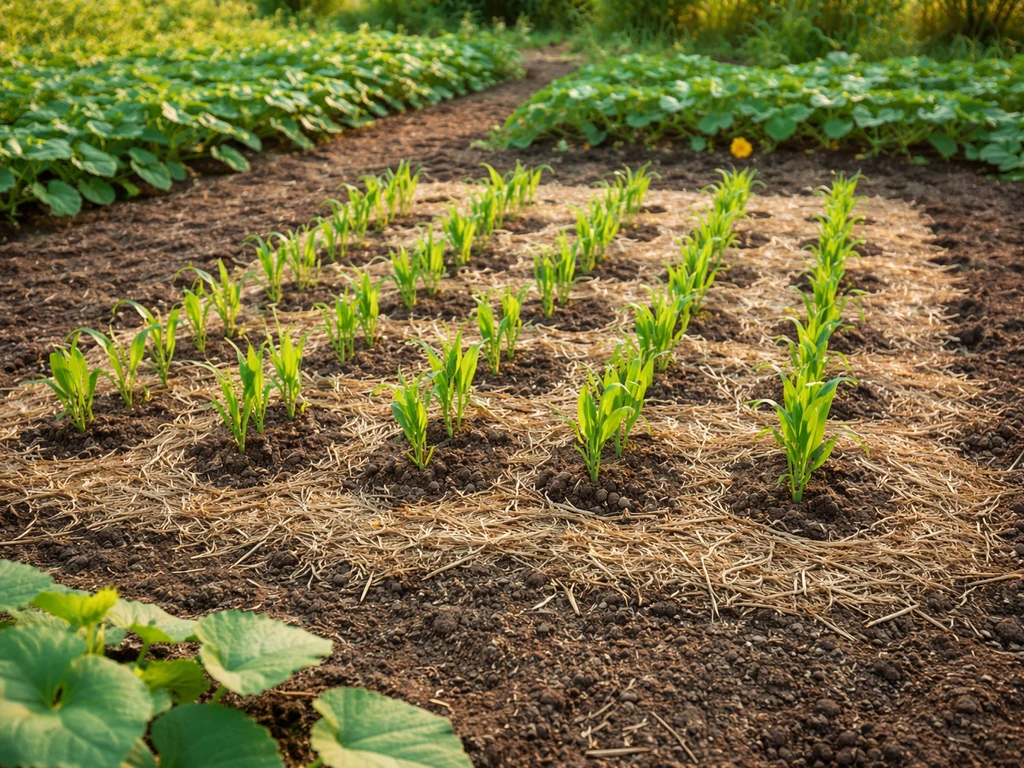
Corn needs full sun (at least 8 hours), well-drained soil, and consistent moisture during pollination. The critical thing most beginners miss is that corn must be planted in blocks, not rows, because it is wind-pollinated. A single row will produce very little. Plant in a grid at least 4 plants wide in multiple directions. Direct sow seeds 1 inch deep after your last frost date, spacing plants about 12 inches apart. For a Southwest-style garden, look for flour corn varieties like Hopi Blue or Bloody Butcher. Expect 70 to 100 days to maturity depending on variety. Water deeply but infrequently to encourage deep rooting.
Beans
Anasazi beans or pinto beans are the obvious choice here. Direct sow after last frost, 1 inch deep, 4 to 6 inches apart. Beans do not like to be transplanted, so skip the seed trays. They prefer full sun and loose, well-drained soil. Do not over-fertilize with nitrogen because beans make their own through root bacteria. Water regularly while pods are forming, then back off as they dry down for harvest. You can expect beans to be ready for dry harvest in about 85 to 100 days.
Squash
Both butternut (Cucurbita moschata) and acorn or pie pumpkin (Cucurbita pepo) types are easy to grow and very forgiving. Direct sow 2 to 3 seeds per hill, 1 inch deep, after last frost. Thin to the strongest plant per hill. Squash vines spread aggressively, so give them space (at least 4 to 6 feet in all directions for winter squash). They need full sun and consistent water, especially early on. Butternut matures in about 80 to 100 days and stores well for months after harvest, just like the Ancestral Puebloans needed.
Gourds
Bottle gourds (Lagenaria siceraria) grow much like squash. Start seeds indoors 3 to 4 weeks before your last frost date, or direct sow after frost. They need a long, warm season (about 100 to 130 days) and a sturdy trellis if you want to keep them off the ground. The fruits are harvested after the vines die back and then dried for several months before use as containers or crafts.
Tips for growing them together
If you want to try the Three Sisters combination (corn, beans, squash) together in one bed, plant corn first and let it get about 6 inches tall, then plant beans around the base of each corn stalk, then plant squash around the outer edges of the bed. The timing stagger matters because planting everything at once leads to the squash shading out the corn before it gets established. This is a genuinely productive system that also looks great in a garden. I have grown it in a raised bed and in open ground and the inter-planting really does reduce how often you need to water compared to growing each crop in its own separate row.
Water-saving techniques worth borrowing
The Ancestral Puebloans were masters at making the most of limited water, and their techniques translate directly to modern low-water gardening. For a related skill in your garden, see also whether can chinchilla be mimicked grow a garden, which covers practical pairing ideas for keeping small, vivid systems going together. A few that are easy to apply at home:
- Sunken beds: dig planting areas 4 to 6 inches below grade so rainwater and irrigation pool toward roots instead of running off
- Pebble or gravel mulch: a 1 to 2 inch layer of pebbles around plant bases slows evaporation from the soil surface significantly
- Check dams in slope gardens: small mounded berms across a sloped bed slow runoff and let water soak in where plants need it
- Deep, infrequent watering: wetting the top inch daily trains shallow roots; watering deeply once or twice a week pushes roots deeper where moisture is more stable
Your next step if this actually interests you
If you want to start somewhere concrete, order a packet of Anasazi beans and a heirloom flour corn variety (Hopi Blue is widely available) this week. Both are easy to find from seed companies that specialize in heirloom and heritage varieties. Plant them together with a butternut squash after your last frost date, use the sunken bed technique if you live somewhere dry, and you will have a working version of the same agricultural system that sustained communities in the Southwest for centuries. You can also think about the same approach for an old chiminea by choosing heat-tolerant container crops and using a potting mix that drains well. It is a genuinely satisfying garden to grow, and the crops store well, which makes the harvest feel more like real food security than a pile of zucchini you have to give away to neighbors.
If the idea of agricultural ingenuity in challenging climates appeals to you, the Aztec chinampa system used in central Mexico is another fascinating historical growing method worth exploring, as it solved an entirely different environmental problem (too much water rather than too little) using equally creative techniques. On chinampas, the Aztecs grew crops in raised, floating agricultural plots that used nutrient-rich water and mud Aztecs grew crops on chinampas.
FAQ
Did the Anasazi grow the same crops everywhere, or does it vary by location?
They are primarily associated with a core trio (corn, beans, squash). Some communities also grew cotton for fiber, and they sometimes used local gourds, but cacao is generally described as a traded luxury rather than a crop grown on a regular field scale.
Were they growing all five of those crops as a package deal, or only some in each community?
Most evidence points to local cultivation of corn, beans, and squash, with other items appearing depending on climate and trade links. If you are trying to recreate a “best match” garden, prioritize the Three Sisters plus whatever your region supports (for example, cotton only where summers are warm and long enough).
If an archaeological site has traces of a plant, can I assume it was grown nearby?
Not necessarily. Because they traded over long distances at some sites, you may see remains of nonlocal foods, but that does not mean they planted them locally. Cacao is a clear example of something arriving through exchange rather than field agriculture.
What is the biggest mistake people make when planting corn, beans, and squash together?
For the Three Sisters, the safest home-garden approach is to plant corn first, wait until it is established (around 6 inches tall), then add beans at the base and squash at the edges. Planting all three at once often causes shading and slows corn enough to reduce yield.
How do you prevent poor corn harvests in a small garden?
Yes, in particular for corn. Since corn is wind-pollinated, isolated plants or narrow rows can lead to poor pollination and weak ears. A block planting pattern (at least several plants wide in multiple directions) helps ensure good kernel set.
What parts of Ancestral Pueblo water management can a home gardener realistically replicate?
Dry farming and water-storage strategies are easier to copy than full canal/reservoir engineering. At home, focus on moisture retention (mulch, terraces in slopes, check dams for small drainage areas) and water timing (deep watering less often) rather than trying to mimic large-scale infrastructure.
Should you fertilize beans heavily when growing them with corn and squash?
Beans are often the most sensitive to mistakes with nitrogen. Too much nitrogen fertilizer can reduce flowering and pod set, since beans are adapted to partnering with root bacteria to supply their own nitrogen needs.
How do I adjust planting dates for a shorter growing season (high elevation or cool springs)?
Corn planting timing is usually driven by frost-free days and soil temperature. If you plant too early in a cold spell, seedlings can stall, making it harder for corn to reach maturity before fall frost shortens the season.
Does choosing flour corn versus sweet corn change the results for this “Southwest” garden idea?
Start with the variety and your intended harvest type. Flour corn is preferred if you want meal or traditional-style use, while field corn and sweet corn behave differently in timing and harvest. Choosing the wrong corn type can lead to a mismatch between what you expect and what matures in your yard.
How can I make gourds work if my summers are not very long?
Bottle gourds are typically grown as long-season crops and often need a warmer, longer stretch than most summer vegetables. If your summers are short or nights turn cool early, you may have to start indoors and still plan on a long timetable for drying after harvest.
If I buy “Anasazi beans,” will I reliably get the same heirloom variety discussed in the article?
Yes. The “Anasazi bean” name is tied to an heirloom variety, but not every product labeled similarly will be identical. If you want the specific historical-type bean described in the article, check seed packets for the exact variety name and cooking behavior claims before ordering.
What Else Can You Grow on a Chia Pet Today
Grow sprouted seeds and mini greens on a chia pet with easy steps, timing, troubleshooting, and safety tips.