
Yes, Mother of Thousands can grow outside, but only in climates that stay frost-free year-round. If you are playing Hogwarts Legacy, the mallow-sweet plant you need is usually tied to specific locations and time windows rather than normal real-world growing rules mallow-sweet in Hogwarts Legacy. Both common species, Kalanchoe daigremontiana (Mother of Thousands) and Kalanchoe delagoensis (Mother of Millions), are native to Madagascar and handle no real cold. If your winters drop to freezing (32°F/0°C) or below, these plants will die in the ground. In USDA zones 10 and 11, you can plant them outside permanently. Everywhere else, containers are your best friend because you can bring them in before the first frost. If you are curious about moondew, learn how to grow moondew nectar next and what conditions it needs.
Can Mother of Thousands Grow Outside? Outdoor Guide

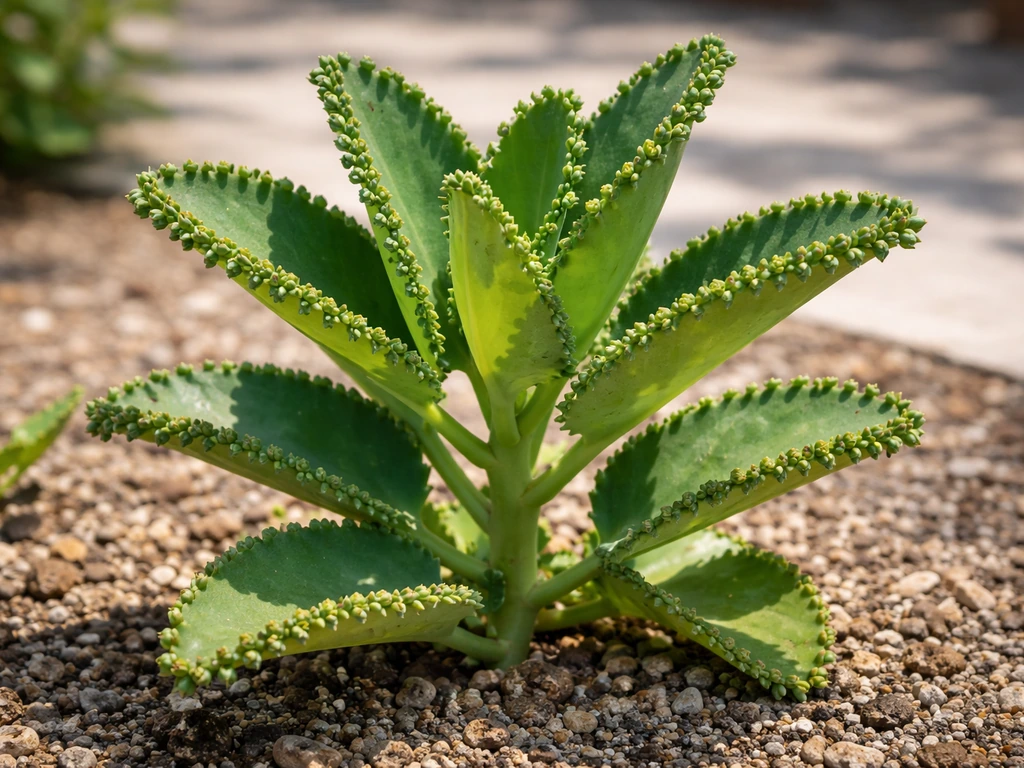
What Mother of Thousands (and Millions) actually is
Mother of Thousands is Kalanchoe daigremontiana, sometimes still listed under its older name Bryophyllum daigremontianum. The closely related Mother of Millions is Kalanchoe delagoensis (formerly Bryophyllum delagoense). Both come from Madagascar, both are succulents, and both are sold interchangeably at garden centers, often with mixed-up labels. In practice, the two behave nearly identically outdoors, so most of what applies to one applies to the other. The key visual difference is leaf shape: Mother of Thousands has broad, triangular leaves with tiny plantlets lined along the edges, while Mother of Millions has narrower, tubular leaves with clusters of plantlets at the tips. If you are not sure which one you have, it honestly does not matter much for growing decisions.
What matters for outdoor growing is understanding why these plants spread so aggressively. Each plant produces dozens to hundreds of tiny clones, called plantlets or bulbils, along its leaf margins. Those babies drop to the ground, root themselves, and start new plants with almost no help from you. In a frost-free climate, this trait turns from charming novelty into a serious weed problem fast. In cooler climates, that same spreading habit is mostly harmless because a hard frost wipes them out. Knowing this shapes every decision you make about where and how to plant outdoors. If you are also wondering where ghost pipes grow, the conditions are very different from these succulents and depend on specific forest habitat where do ghost pipes grow.
Can it actually grow outside in your climate?
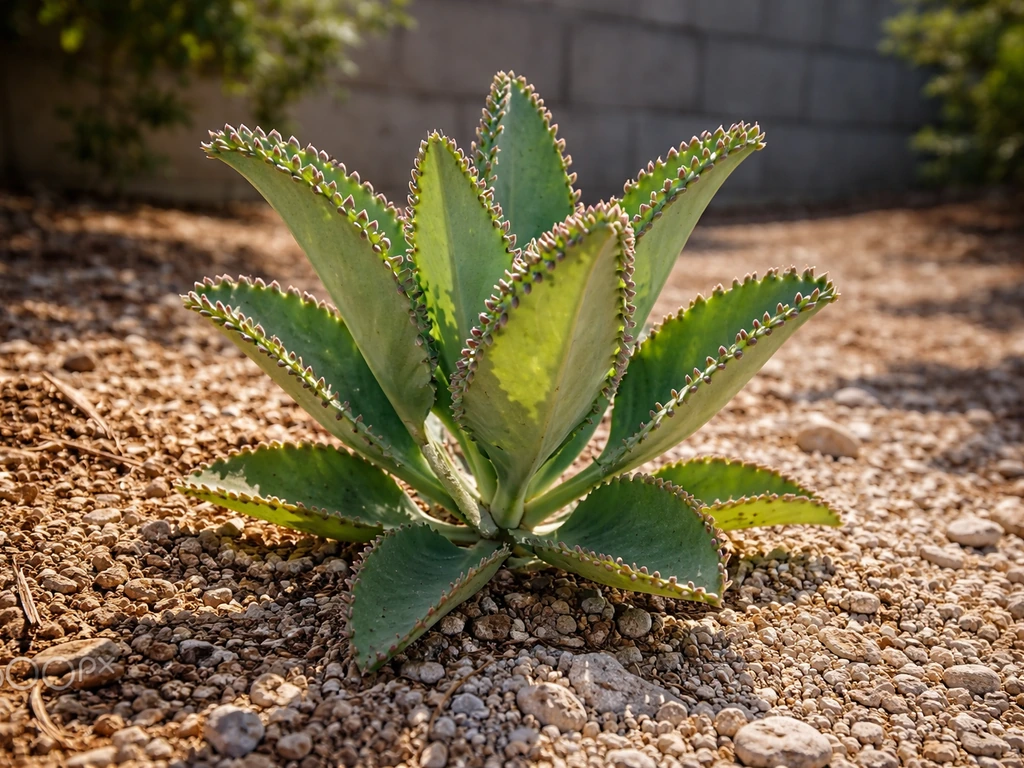
The honest answer depends entirely on your winter temperatures. Neither species is frost-hardy. Kalanchoe daigremontiana dies when temperatures hit or dip below freezing, and blank" rel="noopener noreferrer">Kalanchoe delagoensis is placed by NC State Extension in USDA zones 10 to 11 as its outdoor-permanent range. The RHS plant profile for Kalanchoe daigremontiana includes a blank" rel="noopener noreferrer">minimum temperature value (in °C) for cultivation. Zone 10 bottoms out at around 30 to 40°F (roughly -1 to 4°C) at its very coldest, but realistically these plants want temperatures that never touch freezing. Zone 11 and above (think South Florida, Hawaii, parts of Southern California, and similar climates) is where they genuinely thrive outside year-round.
If you are in zones 8 or 9, you are in a gray area. Winters are mild enough that a protected spot near a south-facing wall might keep a plant alive through a typical year, but one surprise hard frost can wipe it out overnight. I would not plant directly in the ground in those zones without a backup plan. Zones 7 and below: grow it in a container and treat it as a houseplant that summers outside.
| USDA Zone | Typical Winter Low | Outdoor Viability |
|---|---|---|
| Zone 11+ | Above 40°F (4°C) | Permanent outdoor planting, fully viable |
| Zone 10 | 30–40°F (-1 to 4°C) | Permanent outdoor possible, protect from rare cold snaps |
| Zone 9 | 20–30°F (-6 to -1°C) | Risky in ground; sheltered spots or containers only |
| Zone 8 and below | Below 20°F (-6°C) | Containers only; bring inside before first frost |
Getting the outdoor growing conditions right
Light
Outside, these plants want bright light with some direct sun. A spot that gets four to six hours of direct sun per day works well. Full all-day sun in extremely hot, dry climates can scorch the leaves, so a location with morning sun and afternoon shade is often the sweet spot in places like Phoenix or Las Vegas. In more moderate climates, full sun is fine. Leggy, stretched growth with wide gaps between leaves is the clearest sign your plant is not getting enough light outdoors.
Soil and drainage
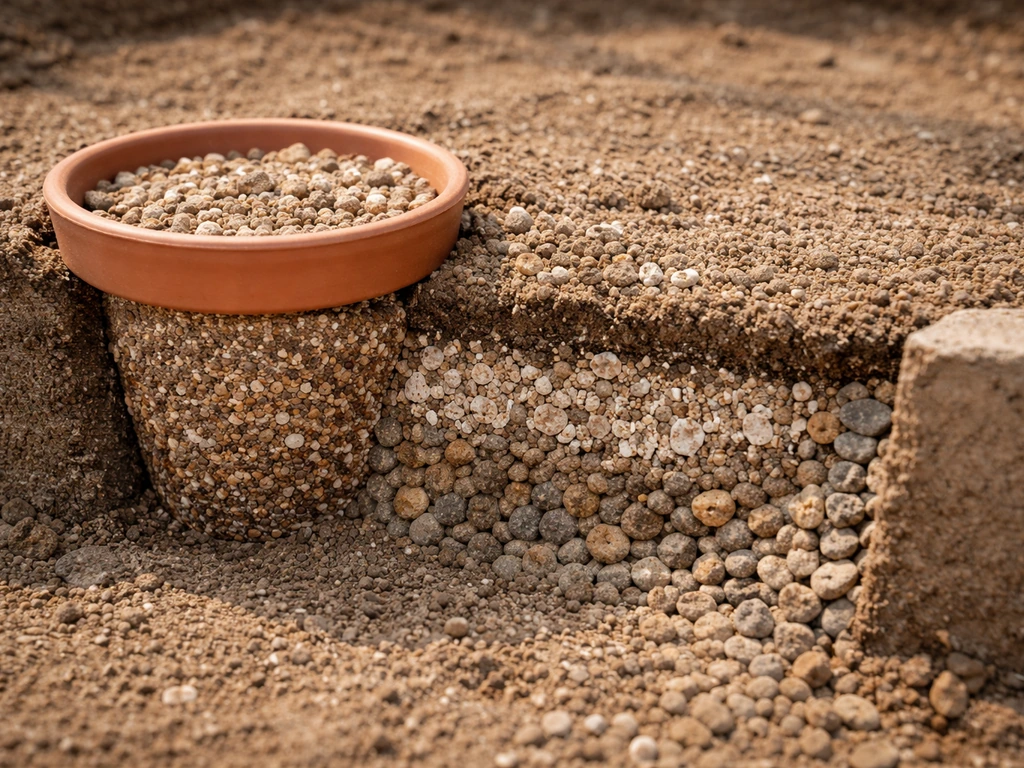
Drainage is the single most important factor for growing these plants outside without killing them. They rot quickly in soil that holds moisture. If you are planting in the ground, use a sandy or gritty mix: a standard cactus and succulent soil, or regular garden soil cut with at least 50% coarse perlite or coarse sand, works well. Raised beds are great for this because you control the soil entirely. Avoid clay-heavy ground unless you are prepared to amend it heavily. Before planting in any spot, do a simple drainage test: dig a hole about 12 inches deep, fill it with water, and see how fast it drains. If water is still sitting after an hour, the drainage is too poor for these plants.
Watering
Water moderately during the growing season (spring through summer) and cut back significantly in winter, even if you are in a zone warm enough to keep the plant outside year-round. The RHS recommends watering more sparingly in winter specifically to avoid rot, which is exactly the right instinct. Outdoors, this often means relying mostly on rain during warm months and barely watering at all once temperatures cool down. A good rule: stick your finger two inches into the soil, and only water if it feels completely dry. Puddles forming around the base of the plant after watering is a warning sign that rot is coming.
Propagating outdoors and keeping the spread under control
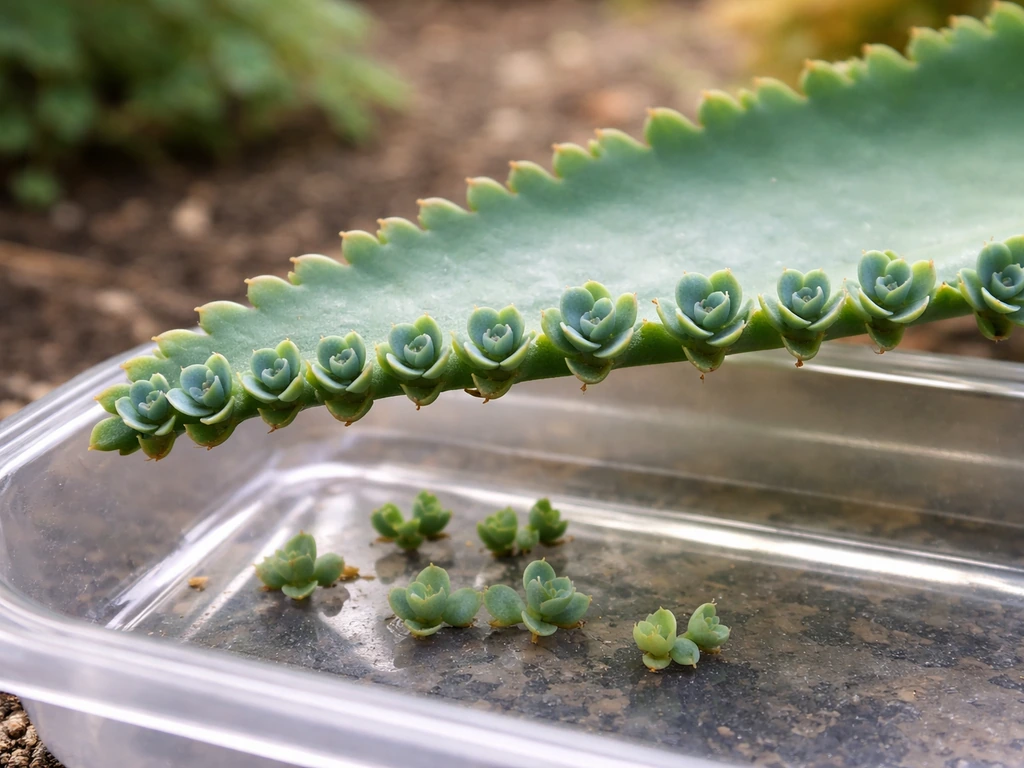
Here is the thing about Mother of Thousands outdoors: propagation happens whether you want it to or not. The plantlets along the leaf margins drop constantly, especially as leaves mature and dry out. Each one is a fully self-sufficient little plant that roots wherever it lands in moist soil. In frost-free climates, this can turn a single plant into a colony of dozens within one growing season, and in some regions both Kalanchoe daigremontiana and Kalanchoe delagoensis are considered invasive weeds for exactly this reason.
To propagate intentionally, just collect the tiny plantlets that fall from the leaves and press them lightly onto moist, well-draining soil. No burying needed. Keep them out of heavy rain for the first couple of weeks while roots establish, and they will be independent plants within a month. Easy propagation is one of the genuinely delightful things about this plant.
To manage spread outdoors, you need to be proactive. Here are the most practical approaches:
- Grow in containers placed on hard surfaces (patio, deck, gravel) so dropped plantlets cannot root in surrounding soil
- Place a tray or sheet of landscape fabric under in-ground plantings to catch fallen babies before they root
- Remove spent or mature leaves regularly before plantlets drop off naturally
- Deadhead flower stalks before seeds set if you want to minimize further spread
- Check neighboring soil monthly in warm climates and pull any volunteer seedlings while they are tiny
If you are in a frost-free zone and growing in the ground, take spread seriously from day one. A few years of unchecked growth and you will be spending weekends pulling plants rather than enjoying them.
Outdoor problems to watch for and how to fix them
Root and stem rot
Rot is the number one killer outdoors, and it almost always comes from poor drainage or overwatering during cool or cloudy weather. The base of the stem turns soft and brown or black, and the plant collapses. If you catch it early, cut away the rotted section with a clean knife, let the cut dry for a day or two, and replant in fresh, dry soil. If the rot has reached the crown, the plant is usually done. Prevention is much easier than treatment: fix drainage before you plant, not after.
Frost and cold damage
Cold damage shows up as mushy, translucent leaves that collapse within a day or two of a cold night. Mild cold (a few degrees below what the plant likes) causes leaf tip browning and a generally sad, deflated look. If frost hits and the damage is only to the leaves but the stem is still firm, there is a chance the plant survives if you bring it somewhere warmer and stop watering. If the stem is mushy, it is gone. In borderline zones, watch overnight forecasts closely from October through March and have a plan ready.
Pests
Outdoors, mealybugs are the most common pest. They look like small white cottony clusters tucked into leaf joints or along stems. Wipe them off with a cotton swab dipped in rubbing alcohol, or spray with a diluted neem oil solution. Scale insects are also possible, appearing as small brown bumps on stems. Spider mites sometimes show up during hot, dry spells. All of these are manageable if you catch them early. Check the undersides of leaves every couple of weeks during the growing season.
Stress signs and quick fixes
| Symptom | Likely Cause | Fix |
|---|---|---|
| Soft, mushy stem base | Root rot from overwatering or poor drainage | Remove rotted tissue, replant in dry well-draining soil |
| Translucent, collapsing leaves | Frost or freeze damage | Move indoors immediately, stop watering, assess stem firmness |
| Pale, stretched growth | Not enough light outdoors | Move to a brighter spot with more direct sun |
| Brown, crispy leaf tips | Too much direct sun or underwatering | Provide afternoon shade or water slightly more frequently |
| White cottony clusters | Mealybugs | Treat with rubbing alcohol or neem oil solution |
| Yellowing lower leaves | Overwatering or natural lower-leaf die-off | Reduce watering frequency, check drainage |
Container vs. in-ground: which setup makes more sense for you
In zones 10 and 11, you genuinely have both options. In-ground planting gives these plants room to grow large (they can reach three feet tall), looks great in a xeriscape or rock garden, and requires almost no effort once established. The downside is containment: once it is in the ground, spread management becomes a real ongoing task. If you are in a climate where they are considered invasive, check local regulations before planting in the ground at all.
Containers are the smarter choice for everyone in zones 9 and below, and honestly a great option even in warmer zones if you want to keep spread under control. Use a terracotta pot with a drainage hole (terracotta breathes and dries out faster than plastic, which is exactly what these plants want), sized just slightly larger than the root ball. A 6 to 8 inch pot works well for a single plant. Fill it with cactus and succulent mix. The biggest advantage of containers is flexibility: you can move them to a sheltered porch or bring them inside when temperatures drop, and you can place them on hard surfaces where babies cannot root in surrounding soil.
| Factor | Container | In-Ground |
|---|---|---|
| Frost protection | Easy to move inside | Vulnerable unless zone 10+ |
| Spread control | Excellent (place on hard surface) | Difficult without active management |
| Growth potential | Limited by pot size | Can reach 2–3 feet tall, spreads wide |
| Watering control | Very precise, dries quickly | Depends heavily on native soil drainage |
| Best for zones | Zone 9 and below | Zone 10 and 11 only |
| Maintenance effort | Moderate (repot every 1–2 years) | Low once established, but spread monitoring ongoing |
Overwintering and keeping it alive long-term
If you are in a warm zone (10 or 11), overwintering outdoors is simple: cut back on watering from November through February, stop fertilizing entirely, and let the plant rest. It may look a little tired in winter but will bounce back strongly in spring. In zones where winter does not drop to freezing but gets close (zone 9 or marginal zone 10), a few strategies can help protect in-ground plants during cold snaps: heap dry mulch around the base, use frost cloth over the plant on nights below 35°F (2°C), and position plants against a south-facing wall that absorbs heat during the day and radiates it at night.
For container growers in zones 8 and below, the plan is straightforward. When your overnight forecast regularly dips toward 40°F (4°C), bring the pot inside to a bright windowsill or under a grow light. If you bring the plant inside, bright light and careful watering are still key, because these succulents do not tolerate cold or soggy soil bring the pot inside. Water very sparingly indoors through winter, maybe once every three to four weeks just to keep the soil from completely drying out. Resume normal outdoor placement and watering in spring after your last frost date, typically around March or April depending on your region. The plant will reward you with vigorous new growth within a few weeks of returning to outdoor light.
One thing worth knowing if you grow it outside long-term: Mother of Thousands is monocarpic, meaning each individual stem flowers once and then dies. This usually happens after a few years. It is not a sign you did anything wrong. The good news is that by the time a plant flowers, you will have more baby plants than you know what to do with, so the colony continues on without any effort on your part.
Common myths and quick reality checks
- Myth: Mother of Thousands is frost-tolerant if it is established. Reality: It is not. Even a mature, large plant will die when temperatures hit freezing. Establishment does not build cold hardiness.
- Myth: You can grow it outside year-round in zone 8 with enough mulch. Reality: A hard freeze below 28°F (-2°C) will kill it regardless of mulch. Zone 9 is the minimum for any realistic outdoor overwintering attempt.
- Myth: It only spreads if you let it flower. Reality: It spreads via leaf plantlets constantly, well before it ever flowers. Spread management starts from day one.
- Myth: Mother of Thousands and Mother of Millions are the same plant. Reality: They are two different species (K. daigremontiana vs. K. delagoensis) that are easily confused and often mislabeled. Both behave similarly outdoors but have slightly different leaf shapes.
- Myth: Sandy soil is too poor for these plants. Reality: Sandy, gritty soil is exactly what they prefer. Rich, moisture-retentive garden soil is far more likely to cause problems than sandy soil.
FAQ
What winter protection works best if I live in a borderline zone (around zone 9 or marginal zone 10)?
The most reliable strategy is not heavy coverage, it is reducing wetness plus giving insulation. Use a dry shelter approach (frost cloth only as a top layer), keep the base dry with raised or gritty soil, and stop watering well before cold nights. If your plant is in the ground, consider covering during freezes and removing the cover during dry daytime to prevent condensation rot.
Can I grow Mother of Thousands outside in rainy climates if I have perfect drainage soil?
You can, but you still need to manage how often the leaves and soil stay wet. In high-rain areas, rainwater can keep the surface moist for long stretches, increasing rot risk in cool weather. A raised bed, a sloped site, and occasional shelter from sideways rain (even with clear rain protection) can make the difference. Keep watering minimal and only when the soil is fully dry.
Is terracotta always better than plastic for outdoor growing?
Terracotta helps because it dries faster, which lowers rot risk, especially during cool months. However, plastic can still work if the mix drains aggressively and you water carefully. The key is fast drying after rain or irrigation, so prioritize a gritty, cactus-style mix and confirm your drainage before choosing pot material.
How do I prevent plantlets from taking root in the surrounding ground when I propagate outdoors?
Do propagation in a controlled container or a tray filled with well-draining mix, then keep the area around it weeded during the season. Plantlets can root wherever moist soil contacts them, so avoid placing propagating leaves directly on bare ground. If you must use open outdoor beds, use mulch-free bare gravel around the propagation area to reduce rooting.
When should I repot a Mother of Thousands grown outdoors in a container?
Repot when the plant becomes root-bound or when the soil breaks down and stays wet longer than it used to. For many growers, that is every 2 to 3 years outdoors, or sooner if you notice slow drainage, sour smell, or frequent rot issues. Always use a fresh gritty mix and do it in warm months so roots recover quickly.
My plant looks leggy outdoors, but it gets sun. What else could cause stretching?
Legginess outdoors can come from weak light, but it can also be mild drought stress combined with heat, or from low nutrient levels after a long winter. Check whether it gets at least 4 to 6 hours of direct sun, then switch to a “less water but more robust sun” plan. If growth is slow, use a light feed in spring and summer only, then stop in winter.
Can I let it go completely dry outdoors during winter, even in a warm zone?
Yes, mostly. In warm zones where it never truly rests, the safest method is to reduce watering substantially and only water if the soil dries out completely. Avoid keeping the pot or bed consistently damp, because winter rot risk is driven by moisture plus lower light and cooler temperatures.
What does mealybug or scale control look like outdoors during humid weather?
Start early and repeat treatments, humid conditions often slow drying and can make pests linger. Use targeted wiping or spot spraying, then recheck every week or two during active growth. Also reduce long-term reinfestation by removing heavily infested leaf parts and improving airflow around the plant.
If the stem starts turning dark or soft, can I save it right away?
Often, if the rot is limited and the stem is still firm above the damaged area. Cut below the soft section with a clean blade, allow the cut to callus for a day or two in warmth, then replant in fresh dry gritty mix. If the rot reaches the crown or the stem collapses, it is usually not recoverable.
Does flowering mean my plant is dying soon even if I grow it outdoors?
Yes. Mother of Thousands is monocarpic, so once a stem flowers, that individual stem typically dies after the bloom. The colony usually continues because plantlets keep producing new rosettes, so do not treat it as frost damage or a water problem unless other parts are also rotting or collapsing.
Can You Grow Moondew Nectar? How to Identify and Grow It
Learn if you can grow moondew nectar, how to identify it, then follow step-by-step setup, troubleshooting, and harvest t