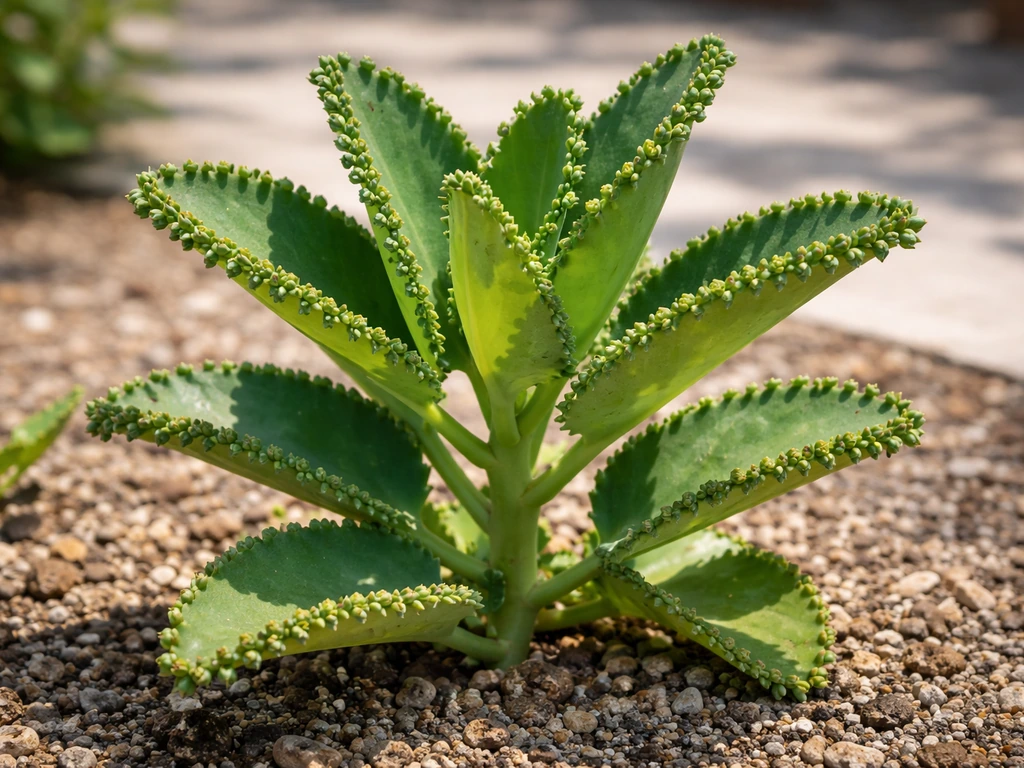
Morning glories can absolutely grow indoors, but they need more light than most windows can offer, so you have to go in with realistic expectations. Ghost pipes are a different kind of plant than morning glories, and figuring out where they grow usually starts with local habitat and soil conditions where do ghost pipes grow.
Can Morning Glory Grow Inside? Indoor Growing Guide

Marcus Weir
15 May 2026
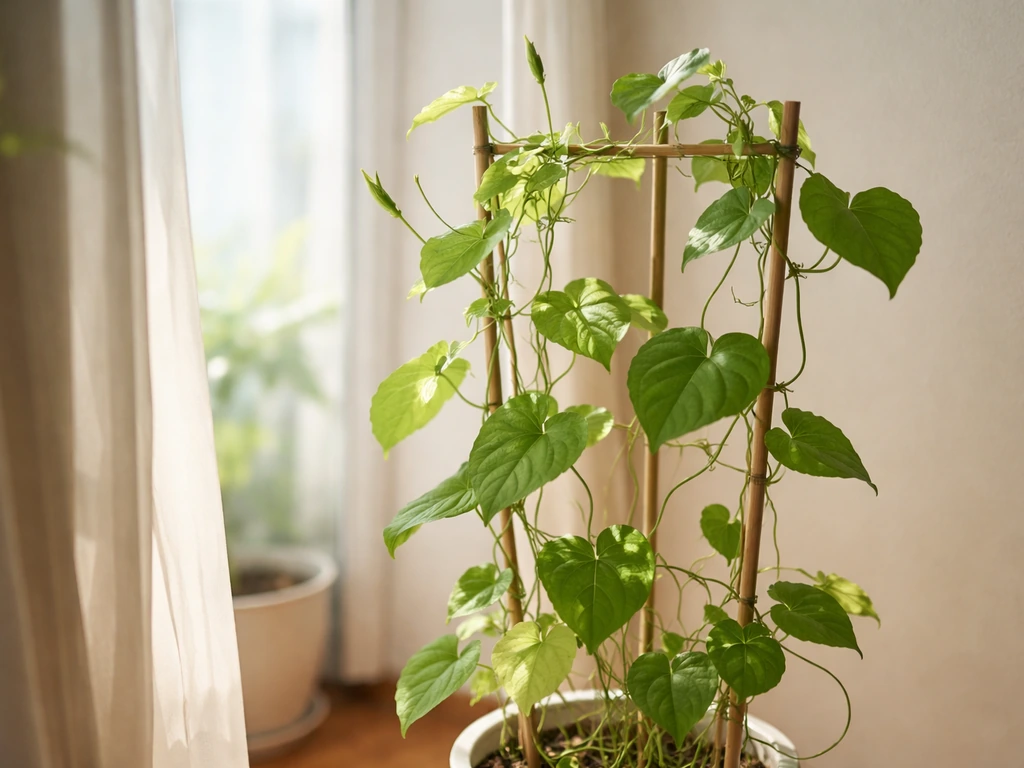
Given a south-facing window with several hours of direct sun or a decent grow light running 14–16 hours a day, you can grow healthy vines and get real blooms inside. Skip the light requirement and you'll end up with long, floppy stems that never flower. Get it right, though, and indoor morning glories are genuinely rewarding, especially in late winter or early spring when there's nothing else blooming on your windowsill.
Yes, morning glories can grow indoors, here's what to expect
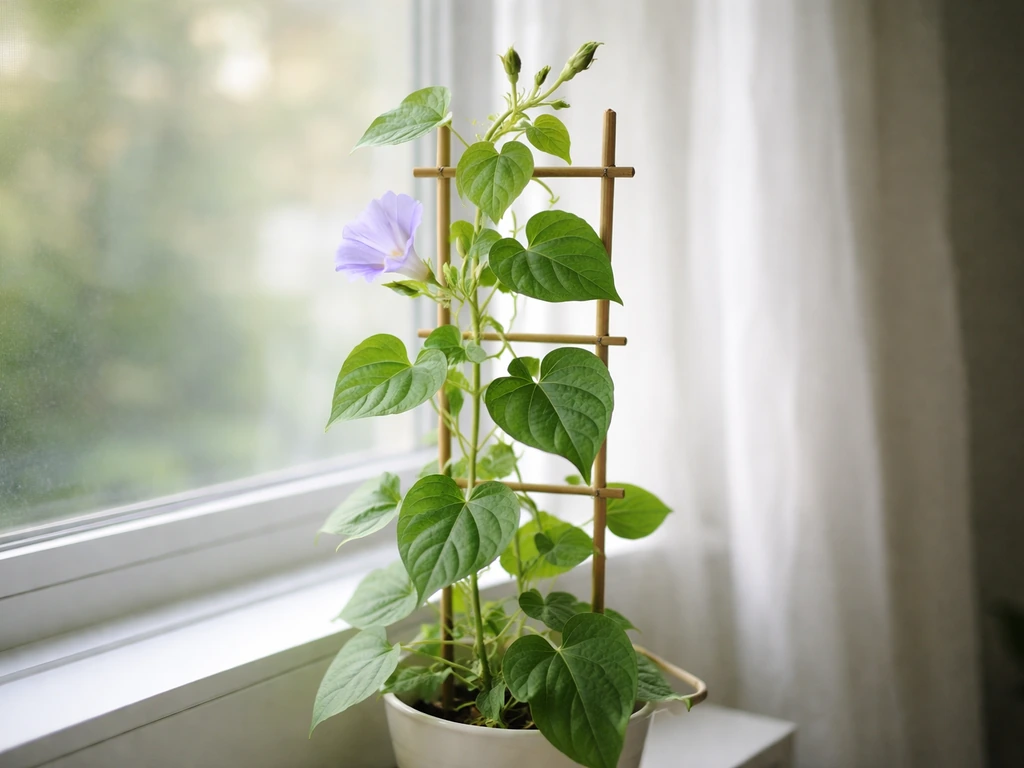
Morning glories (most commonly Ipomoea purpurea or blank" rel="noopener noreferrer">Ipomoea tricolor, with varieties like 'Heavenly Blue') are vigorous twiners bred for full sun outdoors. That doesn't make them impossible inside, but it does mean you're working against their natural inclination to sprawl and sun-bake. Indoors, growth tends to be a little slower, vines stay more compact if light is slightly limited, and flowering can take longer or be less prolific than an outdoor plant. That said, plenty of people grow them indoors successfully in a bright room, and I've had 'Heavenly Blue' blooming in a south window by late February when I started seeds in early December.
One thing to set straight early: morning glories aren't true houseplants. They don't thrive indefinitely in typical indoor conditions the way a pothos or snake plant does. Most gardeners treat them as seasonal or semi-permanent indoor plants, growing them for a bloom season of several months, then either moving them outside, starting fresh seeds, or letting them go. That's a perfectly valid approach, and it's the most common successful model for indoor morning glories.
If you're comparing the indoor feasibility of morning glories to something like mother of thousands, which can genuinely thrive as a long-term indoor plant, morning glories fall into a different category. They're doable indoors, but they want to be outdoors eventually. For a seasonal flowering vine that you can coax into bloom inside a bright room, they deliver. If you’re also wondering about whether nectar thorns are good to grow, the plant is best matched to the same kind of bright, well-drained setup and appropriate watering. Just don't expect them to sit happily in a dim corner.
Light requirements: windows vs grow lights (and how to test your spot)
Light is the single biggest variable that determines whether your indoor morning glory blooms or just produces a pile of leaves. These plants need at least 6 hours of direct sunlight per day outdoors, and indoors you need to replicate that intensity as closely as possible. A south-facing window in the northern hemisphere is your best bet for natural light. East- or west-facing windows can work if they get strong, unobstructed sun for a good portion of the day, but north-facing windows almost never provide enough light to get morning glories to bloom.
How to test your spot before you commit
A quick way to test your window: hold your hand about a foot above a white piece of paper near the window in the middle of the day. If you see a sharp, well-defined shadow, the light is strong enough to at least attempt growing morning glories there. A soft, diffuse shadow means the light is marginal. No visible shadow at all means you need a grow light, full stop.
When to use a grow light
If your window light is marginal or you're growing in winter when sun angles are low, a full-spectrum LED grow light is the practical solution. Run it 14 to 16 hours per day and position it 6 to 12 inches above the top of the plant, raising it as the vine grows. A light in the 2000–3000 lumen range (for a single container) is generally adequate for getting morning glories to flower. Cheaper grow bulbs in a standard lamp socket can work for seedlings but often don't deliver enough intensity to sustain flowering on mature vines.
Best indoor setup: containers, soil, drainage, and trellis support
Container size and drainage
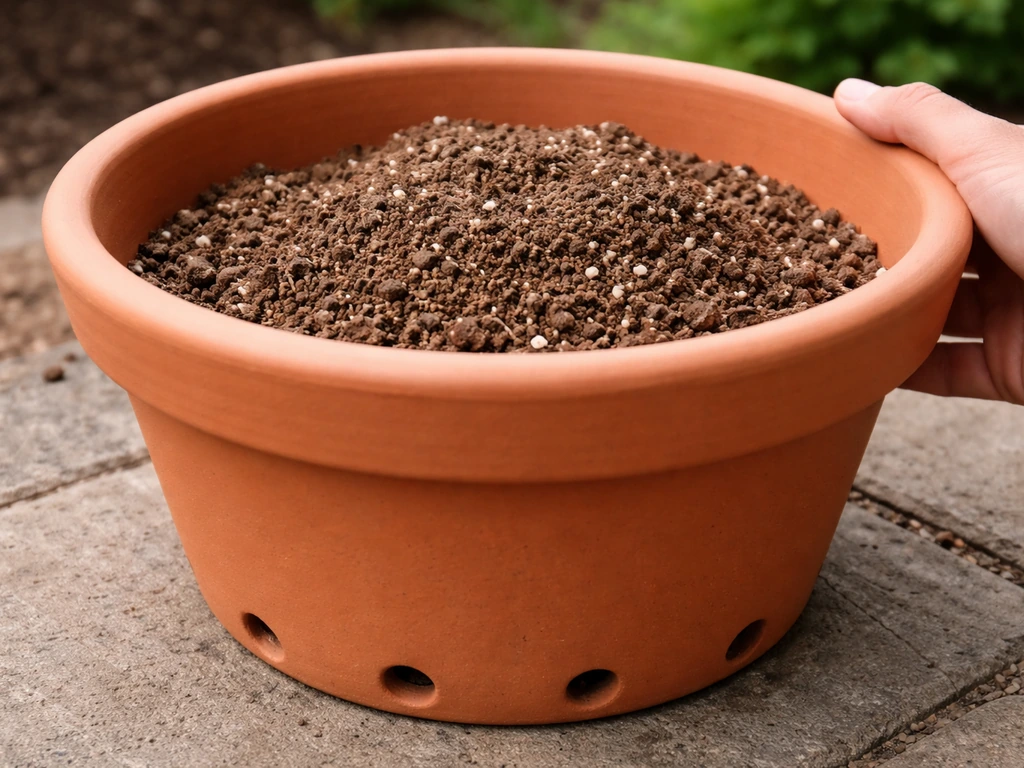
Morning glories have deep tap roots and grow quickly, so don't undersize the pot. A container that's at least 12 inches deep and 12 inches wide is the minimum for a single plant; going up to a 2–3 gallon pot gives the roots more room and reduces how often you need to water. Terracotta pots are great because they breathe and dry out between waterings, which morning glories prefer. Whatever container you use, it must have drainage holes. Waterlogged roots are one of the fastest ways to kill an indoor morning glory.
Soil mix
Use a well-draining potting mix rather than dense garden soil. A standard all-purpose potting mix works, but I like to add about 20–25% perlite to improve drainage and aeration. Morning glories actually prefer lean, slightly poor soil, which is the opposite of what many people assume. If you're wondering how this would work in Hogwarts Legacy, you can look up the mallow sweet quest details and where to find it in the game can you grow mallowsweet hogwarts legacy. Rich, nutrient-heavy mixes push the plant to produce a lot of leafy growth at the expense of flowers, so resist the urge to load up the pot with compost.
Trellis and support indoors
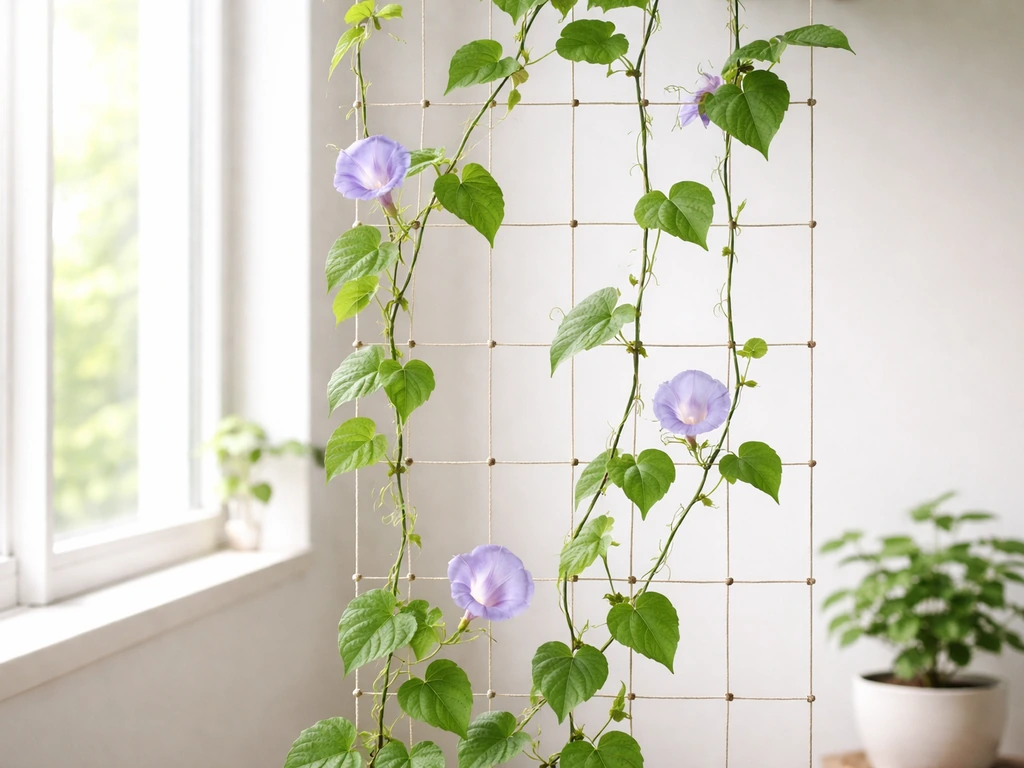
Morning glories are twiners, meaning they wrap their stems around anything they can reach. Indoors, you need to give them something to climb or they'll sprawl across your furniture and neighboring plants. A simple bamboo stake structure inserted into the pot works well, or you can use a small wire trellis pushed into the soil. Another option is to run a few pieces of jute twine from the pot up to a hook in the ceiling or a curtain rod near the window. The vines don't need anything thick to grab onto, and they'll follow light naturally, so position the support between the plant and the light source.
Watering and feeding for indoor morning glories
Water morning glories when the top inch of soil feels dry. Indoors, that usually means every 2 to 4 days depending on pot size, temperature, and light intensity. The biggest watering mistake I see with indoor morning glories is keeping the soil too consistently moist, which encourages root rot and fungal issues. Let the soil approach dryness between waterings but don't let it go completely bone dry for days at a time. When you water, water thoroughly until it drains from the bottom, then let it dry down again.
On fertilizing: go easy. This is one of those plants where less fertilizer produces better results. A balanced, low-nitrogen fertilizer applied at half strength every 3 to 4 weeks during active growth is plenty. Avoid fertilizers with high nitrogen ratios (the first of the three NPK numbers), because nitrogen pushes lush leafy growth while suppressing flower bud formation. If your plant is growing vigorously but not budding, excess nitrogen is often the culprit. A bloom-booster fertilizer with higher phosphorus (middle number) can help push flowering once the plant is established.
How to start from seed and timelines to first blooms
Morning glory seeds have a hard seed coat that benefits from scarification before planting. Lightly nick each seed with a nail file or soak them in warm water for 8 to 12 hours before sowing. This softens the coat and dramatically speeds up germination. Without it, germination can be patchy and slow.
- Scarify or soak seeds overnight in warm water.
- Plant seeds about half an inch deep in moist, well-draining potting mix in your chosen container.
- Keep the soil warm, ideally 65–75°F (18–24°C). Bottom heat from a seedling heat mat speeds germination noticeably.
- Expect germination in 5 to 7 days with scarified seeds, up to 2 weeks without.
- Once seedlings emerge, move them to your brightest window or under a grow light immediately.
- Thin to one plant per 12-inch container once seedlings reach about 3 inches tall.
- Install your trellis at this point, before the vines start reaching for anything.
In terms of timeline, expect roughly 2.5 to 3.5 months from seed sowing to first blooms, assuming light conditions are good. When starting morning glory seeds indoors, a common timeline cited is about 2.5 to 3.5 months before blooming, and in cooler climates starting about 4 to 6 weeks before the last frost helps 2.5 to 3.5 months from seed sowing to first blooms. If light is marginal, it can push closer to 4 months or the plant may not bloom at all. If you're starting seeds in May 2026 and want blooms by late summer indoors, you're in a good window. If you want winter blooms, start seeds in late September to early October with good grow light support.
Common indoor problems and quick fixes
| Problem | Likely Cause | Quick Fix |
|---|---|---|
| Leggy, stretched stems with small leaves | Not enough light | Move to brighter window or add/upgrade grow light; increase daily light hours to 14–16 |
| Lots of leaves, no flower buds | Too much nitrogen or insufficient light | Switch to low-nitrogen fertilizer; check light intensity |
| Yellowing lower leaves | Overwatering or waterlogged roots | Let soil dry out more between waterings; check drainage holes are clear |
| Wilting despite moist soil | Root rot from poor drainage | Repot into fresh mix with added perlite; ensure pot drains freely |
| Seedlings collapsing at soil level | Damping-off fungal disease | Improve airflow with a small fan; water less frequently; don't cover seeds after germination |
| White powdery coating on leaves | Powdery mildew from poor air circulation | Increase airflow; remove affected leaves; apply diluted neem oil spray |
| Tiny clusters of soft insects on new growth | Aphids | Knock off with a stream of water; apply insecticidal soap spray weekly |
| Fine webbing on undersides of leaves | Spider mites (common in dry indoor air) | Mist leaves to raise humidity; apply neem oil or insecticidal soap |
Ongoing care: pests, pruning/training, and when to rotate or restart
Once your morning glory is established and climbing, ongoing care is mostly about staying on top of three things: pests, vine direction, and knowing when the plant has peaked. Aphids and spider mites are the most common indoor pests for morning glories. Do a quick check on the undersides of leaves every time you water. Catching an infestation early, when it's just a few insects, means a spray of insecticidal soap or a blast of water in the sink handles it easily. Wait until you have a full colony and it becomes a much bigger deal.
Training the vines is part of the fun and part of the maintenance. Gently redirect new growth onto your trellis or twine every few days, especially when the plant is actively growing. Morning glories will twine around nearby plants, window handles, curtains, or anything else if you don't guide them. Occasional light pinching of the growing tips can encourage bushier growth and more lateral shoots, which means more potential flowering sites.
Rotate your pot a quarter turn every week or two so all sides of the plant get even light exposure. Without rotating, the side facing away from the light source will thin out and drop leaves while the front gets crowded, and the whole plant becomes uneven and harder to manage.
Knowing when to restart is part of successfully growing morning glories indoors. After a full bloom cycle (which typically lasts several months), the vines start to look tired, lower leaves yellow and drop, and flowering slows. At this point you have a few options: move the plant outside if it's a warm season, collect seeds from spent flowers and start fresh, or simply compost the plant and start new seeds.
Morning glories are annuals, and trying to push a worn-out indoor vine through another season indoors rarely produces good results. What does Mary Mary quite contrary grow mean is a common nursery-rhyme question about the same plant's typical climbing, morning-bloom habit. If you’re wondering “can you grow moondew nectar,” it helps to know where and how moondew nectar is grown compared with annual vines like morning glories. A fresh start from seed is almost always the better call.
FAQ
Why does my indoor morning glory keep growing leaves but won’t flower?
Yes, but the timing matters. In indoor setups, morning glories usually get stuck without enough intensity, so aim for first buds only after the plant has produced a strong vine and leaves. If you see vigorous leafy growth with zero buds after several weeks, reduce nitrogen (don’t keep feeding) and move the plant closer to the light or increase grow-light hours within the 14 to 16 hour range already recommended.
How can I tell if my window is too dim for morning glory to bloom?
This is common with a bright window that still isn’t intense enough. If you notice long internodes (big gaps between leaves) plus thin stems, treat it as a light problem first, not a pot or watering issue. Use the sharp-shadow test near midday, and if the shadow is soft or diffuse, add a grow light rather than just rotating the pot or fertilizing more.
Should I start multiple rounds of seeds for indoor blooming?
It’s better to start seeds in small batches rather than all at once. Because indoor light levels can be weaker in winter, staggering sowing by 1 to 2 weeks helps you avoid a situation where all plants reach the flowering stage during your least sunny stretch. This also spreads out pest risk and makes training easier.
Can I prune my indoor morning glory to make it bushier and bloom more?
Don’t prune like you would a houseplant. If you cut too much stem, you remove flowering potential because blossoms form along active growth. Instead, guide and redirect the vines onto the trellis, and only pinch the very tips early in the season if the plant is becoming too leggy.
Can I collect seeds from indoor morning glories and grow them again?
Morning glories can self-seed from spent flowers if conditions are right, but indoors the results are less reliable because seed set and germination can vary. If you want to reuse seed, wait for pods to fully mature and dry on the plant before collecting, then store in a cool, dry place until you’re ready to scarify and sow.
What should I do if my indoor air is humid and my morning glory seems prone to fungus?
Yes, but let the potting mix dry slightly between waterings and avoid letting water sit in the tray. If your humidity is high or airflow is poor, fungal problems become more likely, especially when the soil stays wet. Increase airflow (for example, a gentle fan nearby) and water only when the top inch is dry as described.
How do I prevent the vines from wrapping around the wrong things indoors?
Yes, but choose your support carefully. Morning glory twines easily around nearby objects, including the edges of windowsills and other plants, and it can tangle when vines are long. Keep the trellis between the plant and the light so the vine wraps in a controlled direction and doesn’t cross into areas you need to access frequently.
Is it safe to repot or transplant indoor morning glories?
Be cautious with routine re-potting. The deep tap root does not love disturbance, so wait until the plant has a few true leaves at minimum, then only repot once if necessary. If you must pot up, do it early and keep the root as intact as possible, using a similarly well-draining mix.
What fertilizer mistake most often blocks flowering indoors?
A common misconception is that more fertilizer will improve flowering. Overfeeding, especially with high-nitrogen blends, tends to push foliage and delay or prevent buds. Switch to half-strength balanced at most, or if you’re already fertilizing, pause and reassess light first, then consider a bloom-leaning formula once flowering is actively expected.
How do I catch spider mites or aphids before they become a big problem?
Spider mites and aphids often show up when indoor conditions are dry or stressed, and they spread faster on dense foliage. Check leaf undersides every time you water, and if you see tiny stippling or webbing, act early with insecticidal soap or a strong water rinse before the infestation expands.
Next Article
Can Mother of Thousands Grow Outside? Outdoor Guide
Yes, mother of thousands can grow outside with warm temps, full sun, fast drainage, rot control, and spread-safe care.