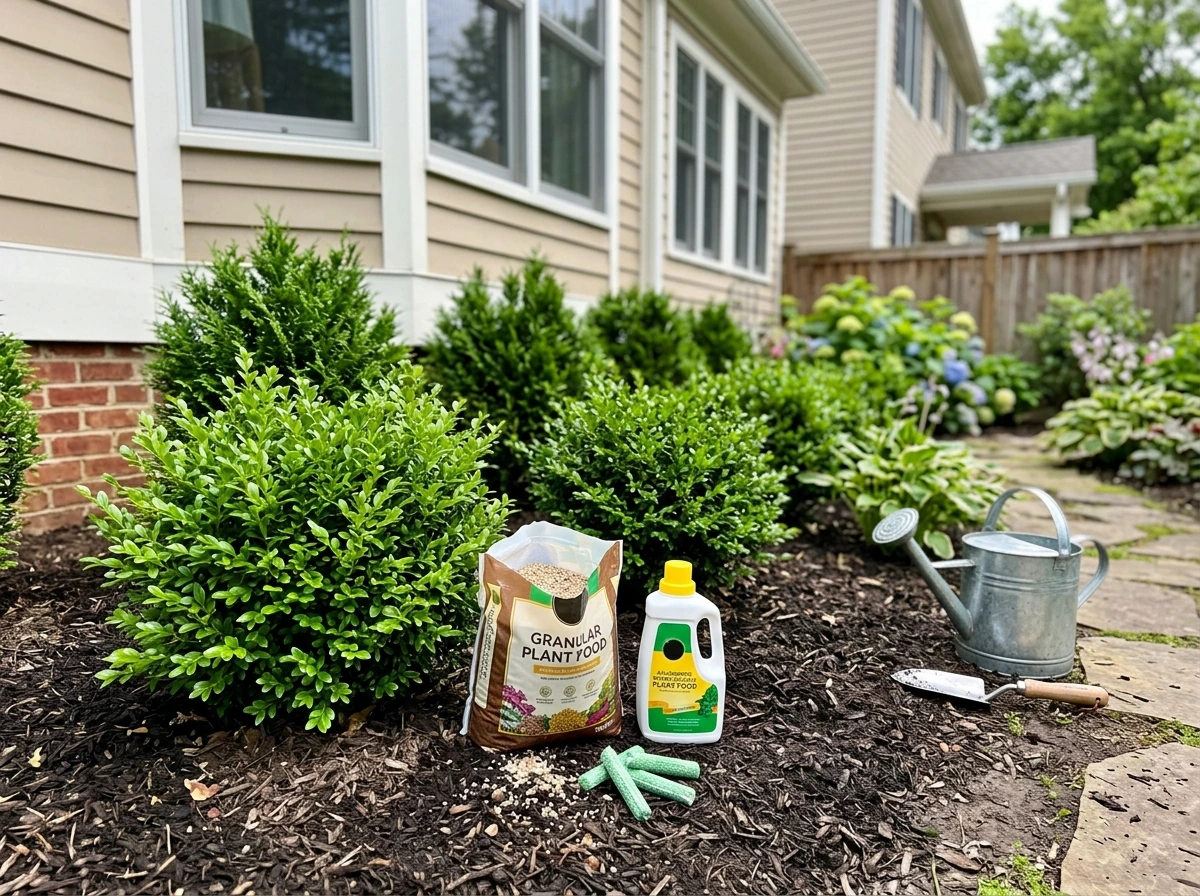
Yes, Miracle-Gro can be good for laurels, but the honest answer is: it depends on which product you use, when you apply it, and what's actually wrong with your plant. Used correctly in spring on an actively growing laurel in well-drained soil, Miracle-Gro will push out greener leaves and faster growth. Used at the wrong time, in too high a concentration, or when the real problem is drainage or soil pH, it can scorch roots, yellow leaves, or make things worse. Here's how to get it right.
Is Miracle-Gro Good for Laurels? What to Use and How

Marcus Weir
24 Mar 2026
Which laurels we're talking about
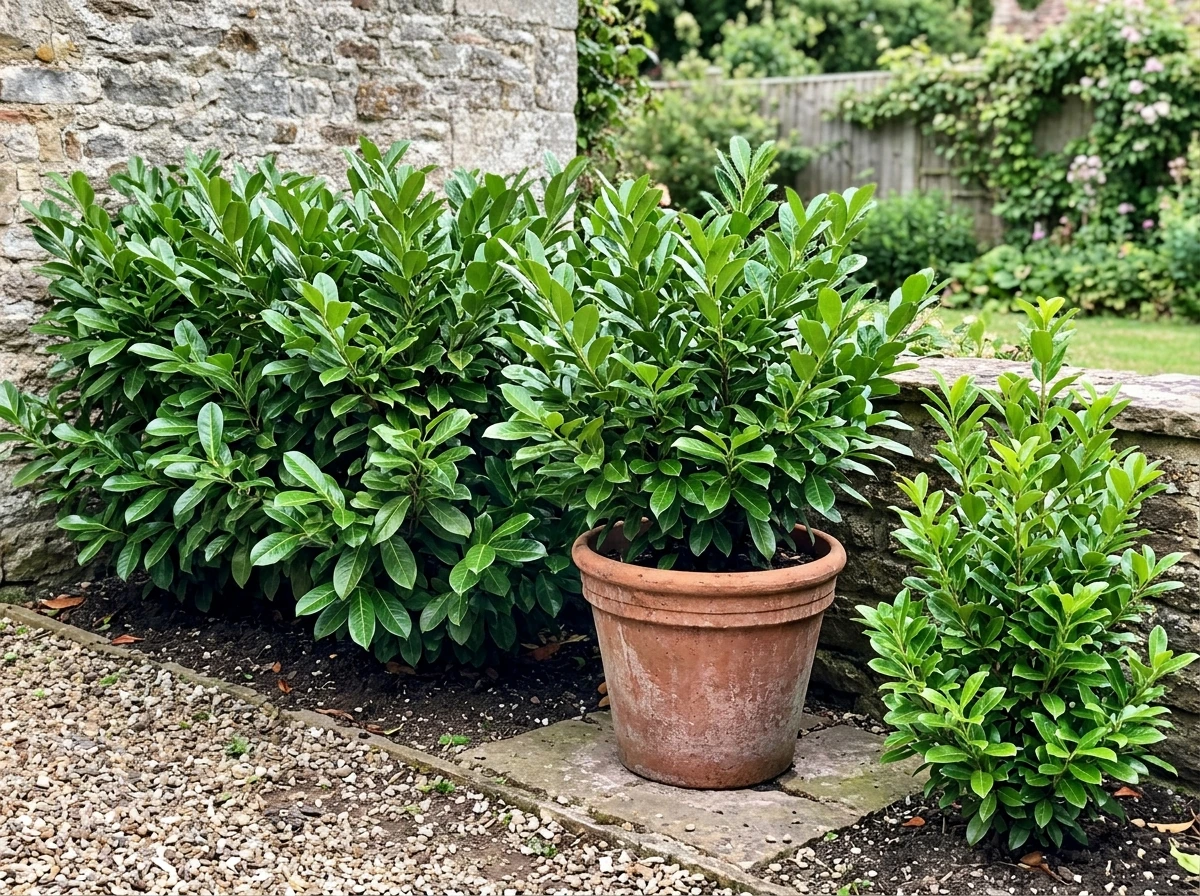
Most people asking this question are growing one of a handful of common laurels. English laurel (Prunus laurocerasus), also called cherry laurel, is by far the most popular hedging choice and what this guide is primarily aimed at. Skip laurel (Prunus laurocerasus 'Schipkaensis') is a close relative and behaves almost identically for fertilizing purposes.
If you're growing Portuguese laurel (Prunus lusitanica) or bay laurel (Laurus nobilis), the same basic principles apply, though bay laurel tolerates a slightly wider pH range of about 5. 5 to 7. 5 and is more often grown in containers. Mountain laurel (Kalmia latifolia) is in a different family entirely and strongly prefers acidic soil in the pH 4.
5 to 6. 0 range, so the acid-formula Miracle-Gro products make more sense there.
Container-grown laurels and in-ground hedges have slightly different needs. Pots restrict root volume, nutrients deplete faster, and watering frequency is higher, which means nutrients flush out more quickly. If your laurel is in a pot, you'll need to feed more regularly but with a more dilute solution. In-ground laurels in reasonably good soil often need far less fertilizer than people think.
What Miracle-Gro actually is, and what laurels need
Miracle-Gro isn't one product. The three you're most likely to consider for laurels are quite different, and the NPK numbers matter.
| Product | NPK | Type | Best use case for laurels |
|---|---|---|---|
| Water Soluble All Purpose Plant Food | 24-8-16 | Liquid, fast-release | Quick green-up on actively growing laurels; good for container feeding |
| Shake 'N Feed All Purpose Plant Food | 12-4-8 | Granular, slow-release | Season-long feeding for in-ground hedges; lower burn risk |
| LiquaFeed Flowering Trees & Shrubs | Not listed as standard NPK | Liquid, acid-focused | Mountain laurel or other acid-loving varieties; less suited to English laurel |
Laurels are moderately hungry shrubs. They need nitrogen to push out dense, glossy foliage, phosphorus for root establishment, and potassium for general hardiness. They are not heavy feeders the way roses or vegetables are. A balanced ratio with a moderate nitrogen level is what you're after, which is why the Shake 'N Feed at 12-4-8 is often the more sensible starting point for hedging laurels. The Water Soluble formula at 24-8-16 has more than twice the nitrogen concentration, which works well as a targeted boost but carries a higher risk of burn if you get the mix wrong or apply it to dry soil.
When Miracle-Gro actually helps
Timing is where most people go wrong with fertilizing laurels, and the research from extension programs is consistent on this. Laurels actively absorb fertilizer during periods of new growth, starting from budbreak in early spring through to late summer. That's your productive window. Early spring, just before or as new growth is emerging, is the best time to feed.
A second application in early summer (around June) is fine for laurels that need a push. You can do a light late-fall application between mid-September and mid-October, which research from UMass and UNH suggests stores nutrients in the plant's tissue to fuel next spring's flush. What you want to avoid is [feeding in late August through mid-September](https://extension. unh.
edu/resource/fertilizing-trees-and-shrubs-fact-sheet): that window can trigger soft, vulnerable new growth that gets knocked back by early frost.
For a simple rule: feed twice a year for most in-ground laurels. Once in early spring (late March to April), once in early summer if you want to push harder growth. Container laurels can be fed every four to six weeks during the growing season because the nutrients leach out with watering. Stop all feeding by early September.
How to apply it without burning your laurels
Liquid Miracle-Gro (Water Soluble)
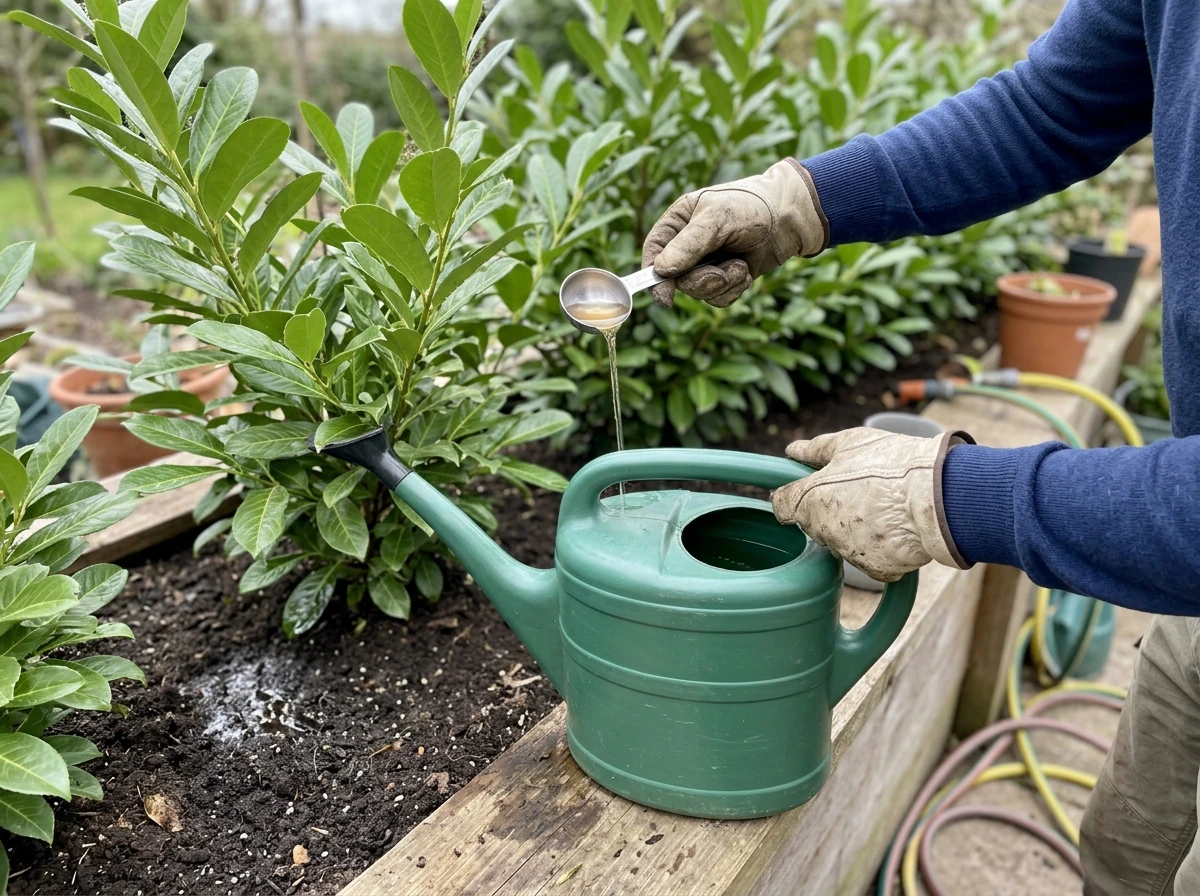
The standard outdoor mix rate is 1.5 tablespoons per 1.5 gallons of water. That's the baseline, and I'd stick to it exactly rather than going heavier. Always water your laurels thoroughly the day before you apply liquid fertilizer, especially in warm or dry weather. Applying to dry soil or dry roots is the single most common cause of fertilizer burn. Pour the solution evenly around the root zone, keeping it off the foliage as much as possible. If you get it on leaves, rinse them off with plain water. A 1.5 lb container covers roughly 600 square feet, which gives you a sense of how far to stretch the mix.
Granular slow-release (Shake 'N Feed)
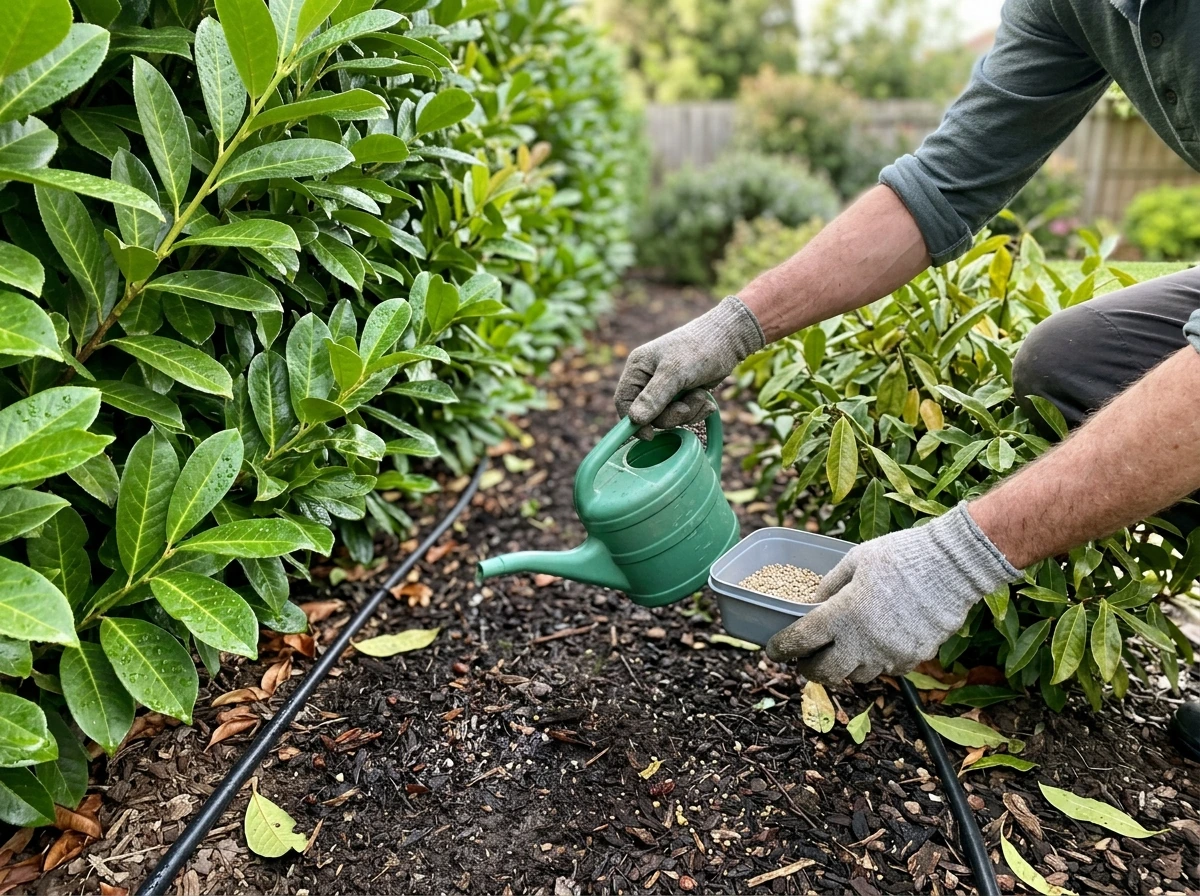
Scatter the granules evenly around the drip line of the shrub, not right against the stem. The drip line is roughly where the outermost branches end, which is where the feeder roots are most active. Work them lightly into the top inch of soil if you can, then water in well. For a hedge, spread along the base of the entire run. Slow-release granules have a lower burn risk because they release nutrients gradually over several months, which makes them the safer choice if you're less confident about timing or amounts. They're also more convenient for large hedges.
Slow-release vs. liquid: which is better for laurels?
For an established in-ground hedge, slow-release granules win on convenience and lower burn risk. For a laurel that's struggling, looks pale, or needs a quick response, liquid feeding gives you results faster. For container laurels, liquid is easier to control and you can adjust concentration based on how the plant looks. Many gardeners use granules as the base feeding in spring and then reach for liquid if the plant needs a mid-season boost.
Is your laurel actually hungry? Signs to check first
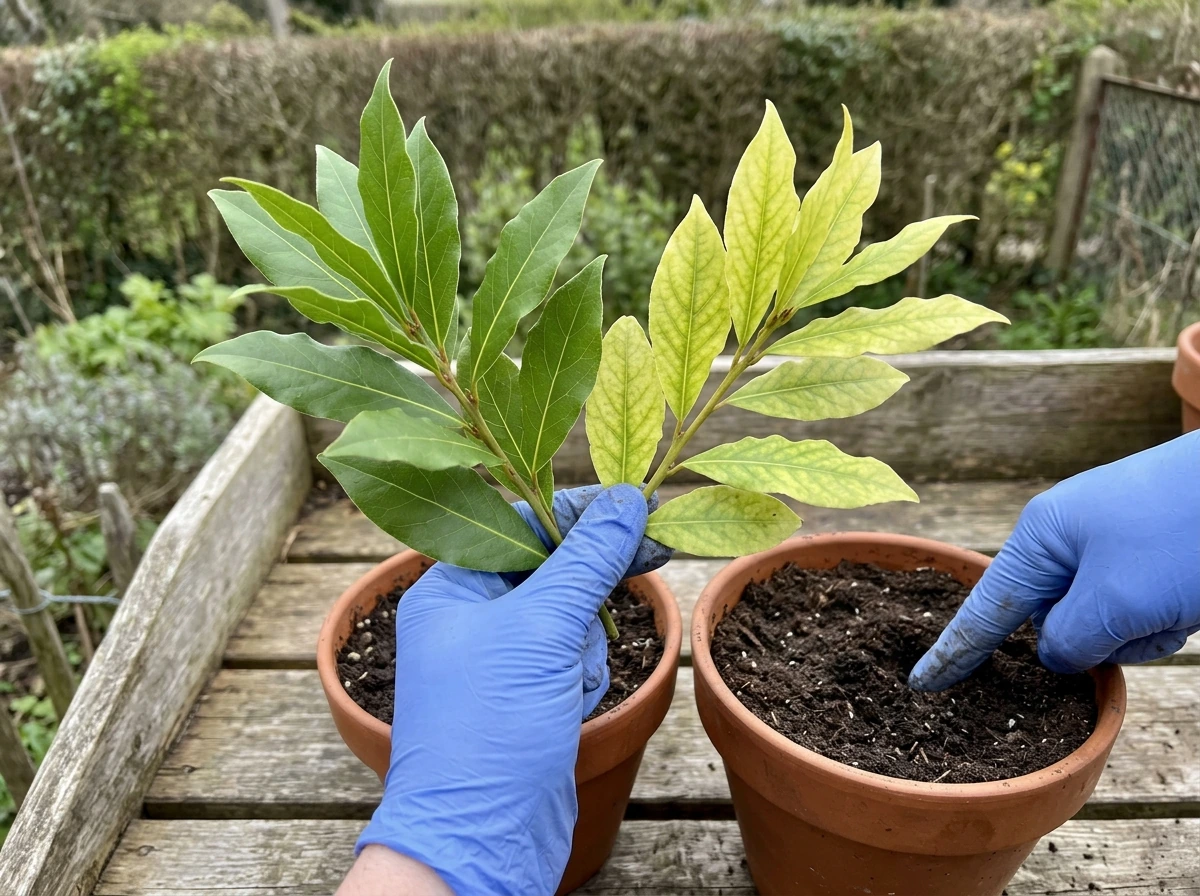
Before you reach for the fertilizer, take five minutes to diagnose what you're actually seeing. Fertilizer won't fix a watering problem or a pH mismatch, and applying it to a stressed plant can make things worse.
- Pale green or yellow leaves overall, especially on younger growth: this can mean nitrogen deficiency and is the case where Miracle-Gro is most likely to help.
- Yellow leaves with green veins (interveinal chlorosis): this is usually iron or manganese deficiency caused by high soil pH (above 7.0), not lack of fertilizer. More fertilizer won't fix it; you need to lower soil pH or apply chelated iron.
- Brown leaf edges or tip scorch: this is often a watering issue, wind exposure, or fertilizer burn, not a nutrient deficiency. Adding more fertilizer will make it worse.
- Slow growth overall but leaves look healthy: check light levels and drainage before assuming the plant needs feeding.
- Yellow leaves on lower branches while upper growth looks fine: often normal leaf drop or a watering inconsistency rather than a nutrient problem.
- Stunted growth in a container: nutrients may be depleted, but also check that the pot isn't root-bound and that you're watering deeply enough.
The iron chlorosis point is worth slowing down on. If your laurels sit in soil with a pH above 7.0, blank" rel="noopener noreferrer">iron becomes chemically unavailable to the roots even if it's physically present in the soil. Applying a high-nitrogen Miracle-Gro formula in that situation won't solve the yellowing, and the excess fertilizer salts can actually compound the problem by adding stress to already struggling roots. USU Extension specifically links this issue to high-pH soils and poor drainage. A soil test will tell you where you stand.
When Miracle-Gro is a bad idea for laurels
There are clear situations where you should skip Miracle-Gro, or at least pause and fix something else first.
- Poor or waterlogged drainage: if the soil stays wet for extended periods, the roots can't absorb nutrients properly and are already stressed. Adding fertilizer to waterlogged roots causes chemical burn and can kill feeder roots. Fix drainage before feeding.
- Late summer application (late August to mid-September): triggers tender new growth that's frost-vulnerable in autumn. Skip this window entirely for nitrogen-heavy products.
- Newly planted laurels: give them at least four to six weeks to settle and establish roots before feeding. A freshly planted shrub can't handle high nitrogen concentrations.
- Overfertilizing: more is not better. Excess nitrogen produces weak, leggy growth that's more susceptible to pests and disease, and fertilizer salt buildup can burn roots. Yellowing caused by overfertilizing looks similar to nitrogen deficiency and creates a frustrating cycle if you keep adding more.
- Dry soil or drought conditions: applying Miracle-Gro without adequate soil moisture concentrates fertilizer salts around the roots and causes scorch.
- Soil pH already high: the acid-focused Miracle-Gro products are aimed at azaleas and hydrangeas, not English laurel. If your soil is naturally alkaline, a high-nitrogen liquid formula won't correct the underlying pH problem.
Alternatives and a simple care plan
Miracle-Gro is convenient, but it's not the only way to feed a laurel, and for some situations it's not even the best way.
Alternatives worth knowing
- Compost: a 2 to 3 inch layer of well-rotted compost worked into the soil around the drip line in early spring improves soil structure, adds slow-release nutrients, and supports the soil biology that makes nutrients available. It won't give you the quick green-up that liquid Miracle-Gro does, but it builds a better root environment long-term.
- Balanced slow-release granular fertilizer (non-Miracle-Gro): any balanced 10-10-10 or similar granular fertilizer works well for laurels. Look for an NPK where nitrogen isn't dramatically higher than the other two numbers, especially for established hedges.
- Sulfur or acidifying fertilizer for high-pH soils: if your soil tests above 7.0 and you're seeing interveinal yellowing, elemental sulfur or an acidifying fertilizer does more work than any Miracle-Gro product.
- Chelated iron: for confirmed iron chlorosis in alkaline soils, chelated iron (either as a drench or foliar spray) addresses the actual deficiency. This is something Miracle-Gro's standard all-purpose formulas don't really help with.
A practical seasonal feeding plan
- Early spring (late March to April): check soil drainage and moisture before anything else. If soil is workable and roots aren't waterlogged, apply Shake 'N Feed granules at the labeled rate around the drip line, or mix Water Soluble at 1.5 tbsp per 1.5 gallons and water in after a thorough pre-soak. This is your most important application of the year.
- Early summer (June): optional second application if the laurel is in a container, growing in lean soil, or putting out less growth than you'd like. Use liquid for a quicker response. Skip this if the hedge looks dense and healthy.
- Late fall (mid-September to mid-October): a light granular application supports nutrient storage for spring. Keep it light and avoid high-nitrogen formulas at this stage.
- Late August to mid-September: feed nothing. This is the window to leave alone.
- Before any feeding: confirm the soil is moist, not waterlogged or bone dry. Check for signs that the problem is pH, drainage, or pests rather than nutrient deficiency. A soil test every two to three years is worth it if you're seeing repeated issues.
If you're growing other shrubs alongside your laurels and wondering how Miracle-Gro fits into a broader shrub-care routine, the same core principles apply across most woody ornamentals. If you meant crepe myrtles, the question “is Miracle-Gro good for crepe myrtles” is closely related because the same timing and burn-risk rules apply, but the product choice and feeding schedule can differ broader shrub-care routine. The timing rules, the slow-release vs. liquid tradeoff, and the importance of diagnosing before fertilizing all carry over.
The short version: Miracle-Gro works well for laurels when you use the right product (Shake 'N Feed or Water Soluble All Purpose), apply it at the right time (early spring, when do crepe myrtles grow leaves is also a good guide), make sure the soil is moist, and don't overdo it. It's not a fix for poor drainage, high pH, or a plant that's struggling for reasons that have nothing to do with nutrients. Start with a quick diagnosis, and Miracle-Gro will likely do exactly what you're hoping for. is miracle grow good for crepe myrtles
FAQ
Can I use Miracle-Gro on laurels in the fall or late season?
Yes, but only when the soil or mix has already warmed and the laurel is actively pushing new growth. A fall feeding can be okay in mid-September to mid-October, but if you feed later than that you may encourage tender growth that is damaged by early cold snaps.
What if I already used slow-release fertilizer, can I still use Miracle-Gro?
If you already applied a slow-release product, do not add more Miracle-Gro liquid right away. Wait until you are sure the slow-release feeding window is mostly complete, otherwise you can stack nitrogen and increase the chance of leaf scorch and salt stress.
My laurel is yellowing, does that mean I should fertilize with Miracle-Gro?
Treat “yellow leaves” as a diagnostic clue, not an automatic fertilizer problem. Yellowing with weak growth can be nutrient-related, but iron chlorosis from high pH is a common cause, and extra nitrogen can worsen stress if the pH is too high.
Is Miracle-Gro a good solution if my laurel’s soil stays wet?
Stop and check drainage and pH first. Fertilizer won’t fix chronically wet soil, and in poorly drained conditions salts and nutrients can accumulate around roots, increasing stress even if you used the correct Miracle-Gro type and rate.
How soon after planting can I fertilize laurels with Miracle-Gro?
In most cases, newly planted laurels should be fed lightly or not at all until they establish. If you do fertilize right away, use a gentle, dilute approach and avoid liquid “boost” products because roots are less able to handle salt levels during establishment.
How does container watering affect Miracle-Gro burn risk on laurels?
It depends on container size and watering habits. If the pot dries out completely between waterings, you increase the risk of fertilizer burn because roots are stressed and the solution becomes more concentrated. Keep a steady watering rhythm before and after feeding.
How do I tell if I overfed or caused fertilizer burn, and what should I do?
Signs include leaf browning at the edges, wilting that doesn’t recover after watering, or a sudden “scorched” look within a few days of feeding. If you suspect burn, rinse the root zone with plain water to help leach salts, then pause fertilizing until new growth looks normal.
Where exactly should granules go for a laurel hedge, near the stem or out to the edges?
For in-ground hedges, spreading granules along the full run is better than “spot” feeding near the most visible part. Laurels feed across a wider zone at the drip line, so patchy application often leaves inner sections pale even when the edges look fine.
Should I choose granules or liquid Miracle-Gro for laurels?
Granules can be a good default because they release nutrients gradually and reduce mistakes, but liquid can be the better choice when you need a fast, visible response. If you are unsure about timing, start with slow-release granules rather than a high-nitrogen liquid mix.
Does Miracle-Gro work the same way for bay laurel versus English or mountain laurel?
Yes, you can, but use the correct approach for your target plant type. Bay laurel can tolerate a wider pH range than many laurels, while mountain laurel is in a different group with much more specific acidic needs, so the same Miracle-Gro product choice may not fit both.
Next Article
Is Miracle-Gro Good for Shrubs? How to Use It
Yes, Miracle-Gro can feed shrubs. Learn which product to choose, when to apply, and how to avoid overfeeding or burning.