Yes, you can grow spore blossoms, but the answer depends entirely on what you mean by the term. 'Spore blossom' is not a standard botanical name, so before you buy anything or set up a grow space, you need to figure out which organism you're actually dealing with. If you mean growing a “bone blossom” in your garden, focus on identifying the exact species or plant-like organism first, then match its light, moisture, and growing medium needs. Once you know that, the path forward is clear and very doable at home for most options.
Can You Grow Spore Blossoms? Step-by-Step Guide

Marcus Weir
21 Apr 2026
What 'spore blossoms' likely are (and why the label matters)
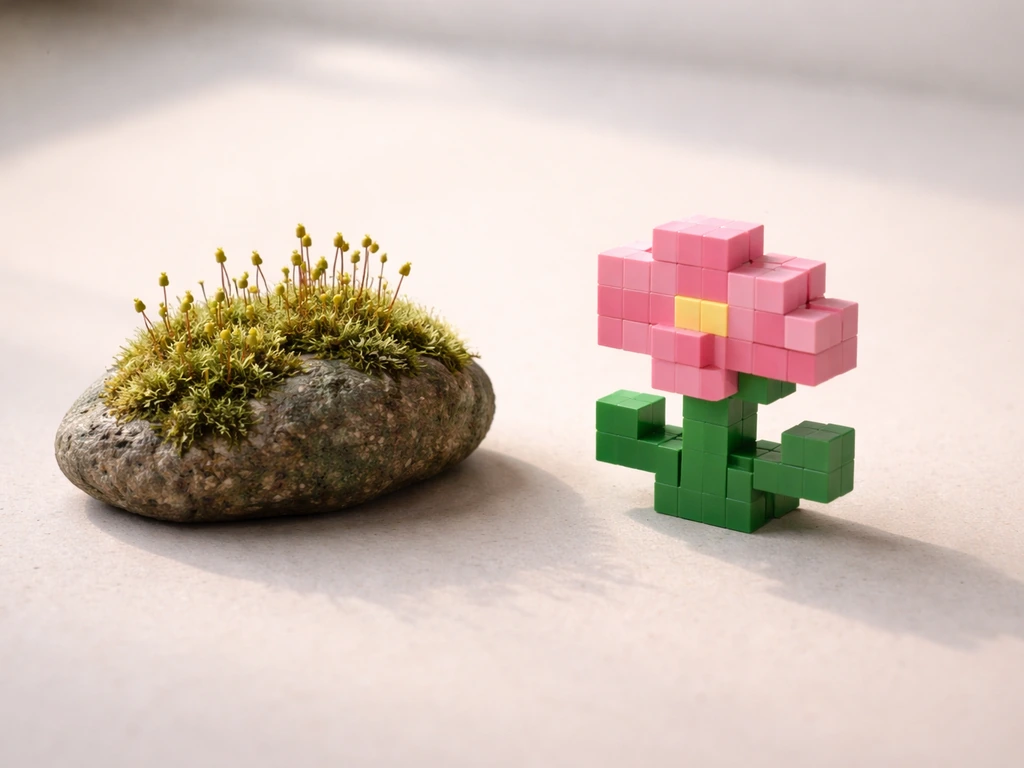
The most common reason people land on this question is because they've seen the term 'blank" rel="noopener noreferrer">Spore Blossom' in Minecraft, where it's a specific pink flower block found growing on the undersides of blocks in Lush Caves. That in-game plant isn't a real species, so you can't literally grow the Minecraft item. But the question is worth taking seriously, because there are real organisms that match the spirit of the name: spore-producing plants and fungi that do 'blossom' in the sense that they develop beautiful, elaborate reproductive structures.
In practice, when people search for how to grow spore blossoms, they're usually asking about one of three things: ferns (which produce blank" rel="noopener noreferrer">spore clusters called sori on their fronds), mosses and liverworts (bryophytes that release spores from capsule structures on stalks), or mushroom-forming fungi (which release spores from gills or pores beneath a cap). Each of these behaves differently, needs different conditions, and has a different level of difficulty. Getting the identification right is not pedantic, it's the difference between success and wasted time.
How spore-based organisms actually reproduce
Spore-based organisms don't reproduce the way flowering plants do. There's no pollination, no seed coat, no dormant embryo waiting to sprout. Instead, they use a two-stage life cycle called alternation of generations, and understanding this cycle is what separates growers who succeed from those who wonder why nothing is happening.
For ferns, the cycle works like this: the mature fern plant (the sporophyte) produces tiny spores in clusters on the underside of its fronds. When those spores land in a moist spot, they germinate into a flat, heart-shaped structure called a gametophyte, which is about the size of a fingernail. The gametophyte produces both eggs and sperm. The sperm are motile, meaning they literally swim through a thin film of water to reach and fertilize the eggs. From that fertilized egg, the young fern (a new sporophyte) grows upward, eventually becoming the recognizable plant you see in gardens. The critical point: if there's no water film present, fertilization cannot happen, and the life cycle stalls completely.
Mosses and liverworts follow a similar pattern. The leafy green plant you see is actually the gametophyte, and it depends on water for fertilization in the same way ferns do. After fertilization, a spore capsule develops on a slender stalk above the plant, eventually releasing thousands of spores into the air. Bryophytes generally need consistent moisture and modest light, and they're actually among the easier spore plants to establish at home.
Mushroom-forming fungi are different. The visible mushroom is just the fruiting body, not the main organism. Most of the fungus lives as mycelium, a web of thread-like filaments running through soil, wood, or compost. The mushroom cap releases spores from its gills or pores, and those spores can germinate into new mycelium if conditions are right. The challenge is that spores from one mushroom can combine in unpredictable ways, producing new genetic combinations that may or may not behave like the parent. Most experienced mushroom growers work with spawn (already-colonized mycelium on a carrier material) rather than raw spores, specifically because spawn keeps the genetics consistent and predictable.
Can you realistically grow them at home
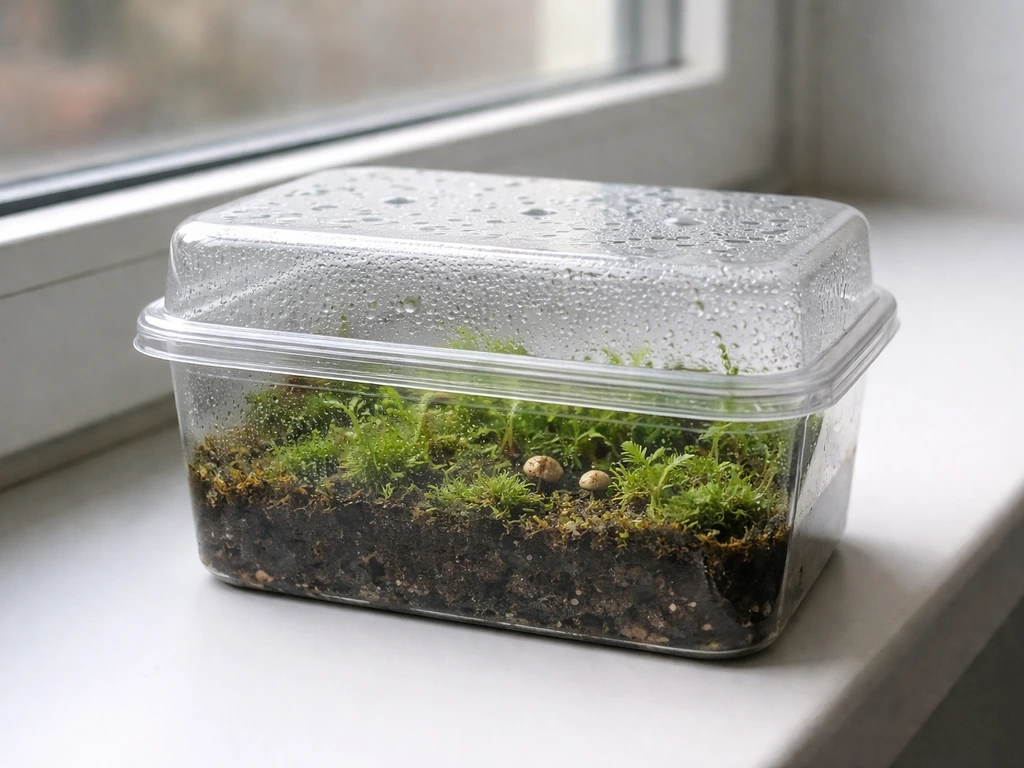
Short answer: yes for ferns, mosses, and many common mushrooms. The difficulty varies quite a bit by type, and some situations require specialized equipment. Here's how the main categories stack up.
| Organism | Difficulty at Home | Main Limiting Factor | Best Starting Point |
|---|---|---|---|
| Ferns (from spores) | Moderate | Humidity for fertilization; slow timeline | Spore prints or purchased spore packets |
| Mosses/Liverworts | Easy to moderate | Consistent moisture; slow initial establishment | Moss clumps, spore slurry, or live plugs |
| Oyster/Shiitake mushrooms | Moderate | Contamination control; substrate sterilization | Pre-made spawn or spore syringes |
| Wild or exotic fungi | Difficult | Sterile lab conditions usually required | Not recommended for beginners |
Ferns from spores are absolutely doable, but you need patience. The gametophyte phase alone takes four to eight weeks under good conditions, and you won't see anything that looks like a fern plant for months. Mosses are probably the most beginner-friendly spore plant you can establish: they're forgiving, they recover from drying out, and they don't need sterilized substrates. Mushrooms are faster to fruit (often six to twelve weeks from inoculation to harvest), but they demand strict cleanliness because competing molds will colonize your substrate before the mushroom mycelium can get established if you're not careful.
Practical setup: containers, moisture, light, and temperature
For ferns and mosses
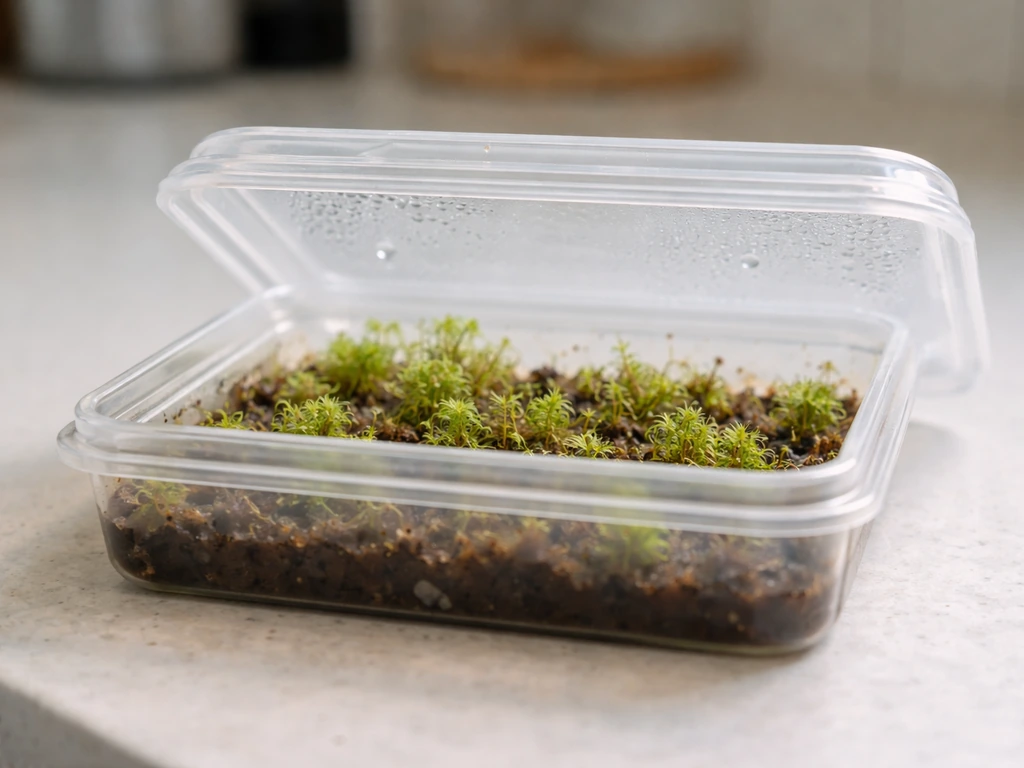
A covered propagation tray or a clear plastic bin with a lid works well for fern spore germination. The goal is to hold humidity near 90 to 100 percent during the gametophyte stage. Use a sterile growing medium such as peat-based seed-starting mix, fine-grade perlite, or an agar-based culture if you want to get precise. Many growers sterilize the medium by pouring boiling water over it and letting it cool before sowing spores, which kills off competing organisms.
Place the container under fluorescent or LED grow lights on a 14 to 16 hour light cycle, at a temperature of around 65 to 75°F (18 to 24°C). Avoid placing it in direct sun, which heats the container too quickly and dries it out.
Mosses are more flexible. A shallow tray, a glass terrarium, or even a shaded raised bed outdoors all work. Keep the substrate (peat, coir, or a mix of both) consistently moist but not waterlogged. Mist rather than pour when watering, and aim for bright indirect light or dappled outdoor shade. Most mosses prefer temperatures between 60 and 75°F (15 to 24°C), though some are remarkably cold-hardy.
For mushroom-forming fungi
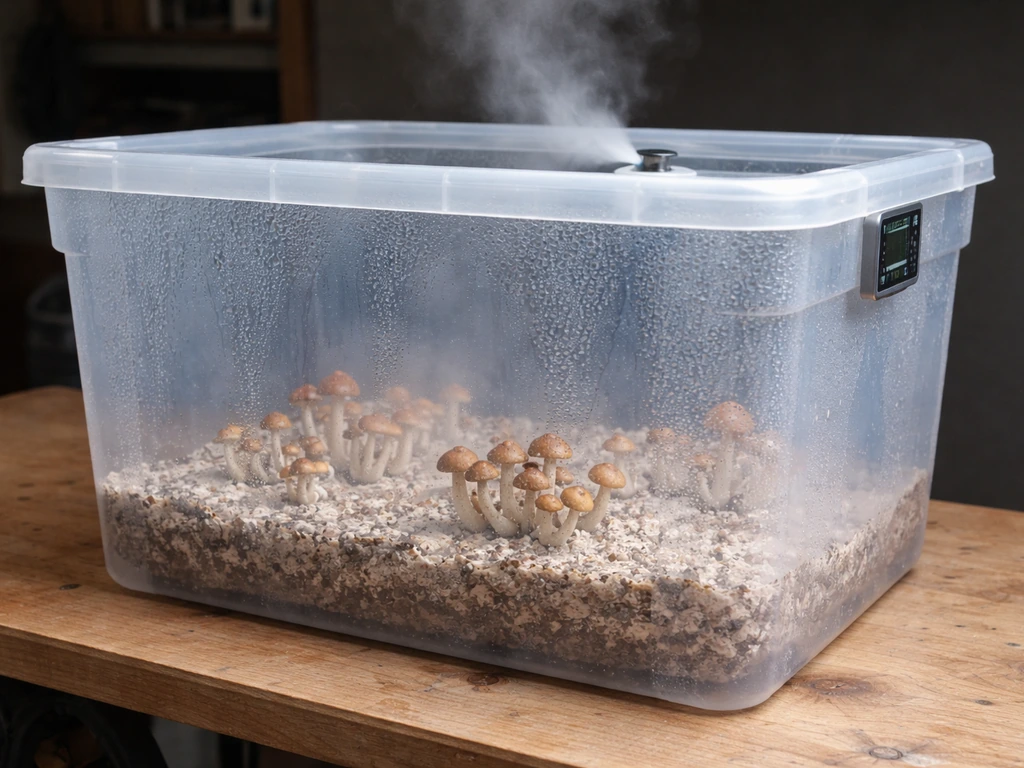
Mushroom cultivation needs a controlled fruiting environment. A plastic storage tub, a grow tent, or a dedicated fruiting chamber (often called a shotgun fruiting chamber, or SGFC) are all popular options. The substrate, whether straw, hardwood sawdust, or pasteurized grain, must be prepared before inoculation. Pasteurization (holding the substrate at around 160 to 185°F for one to two hours) reduces competing microbes without fully sterilizing.
Penn State Extension explains that pasteurization lowers competing microbes in the substrate without fully sterilizing it, which helps contextualize contamination risk and how substrate conditions change after pasteurization pasteurization reduces competing microbes without fully sterilizing. Full sterilization (using a pressure cooker at 15 PSI for 60 to 90 minutes) is needed for grain and other nutrient-rich substrates.
After inoculation, maintain temperatures between 65 and 75°F and high relative humidity (85 to 95 percent) during fruiting, along with regular fresh air exchange to prevent CO2 buildup, which stunts fruiting body development.
Step-by-step: starting from spores or spore-containing material
Growing ferns from spores
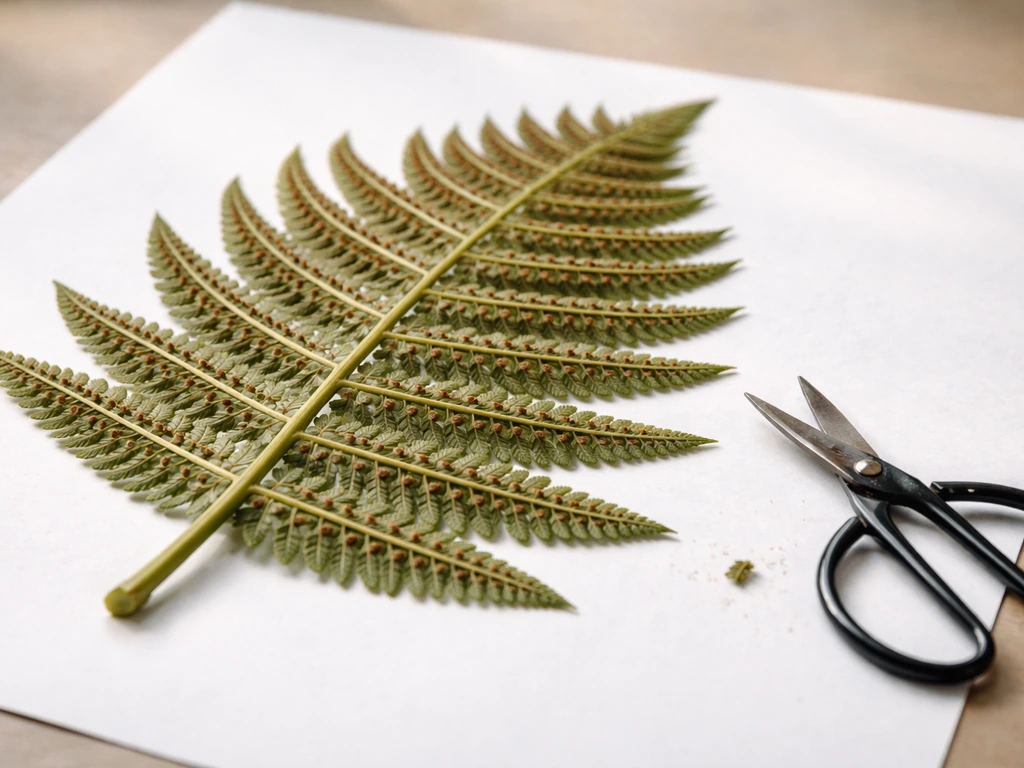
- Collect spores from a mature fern frond: look for brown, dust-like clusters (sori) on the frond's underside. Snip the frond, place it face-down on white paper, and let it sit for 24 hours to release spores.
- Prepare a sterile growing medium in a small covered tray or propagation cell pack. Pour boiling water over the medium, drain off excess, and let it cool completely before sowing.
- Sprinkle spores thinly and evenly over the surface. Do not bury them. A thin, even dusting is all you need.
- Cover the tray with its lid or a clear plastic sheet to lock in humidity. Label with the date and species if known.
- Place under grow lights (14 to 16 hours per day) at 68 to 75°F. Do not disturb or open frequently during the first four to six weeks.
- Watch for a green film or tiny flat structures after four to eight weeks: these are the gametophytes. At this stage, lightly mist with distilled or boiled water to create the thin water film sperm need to swim and fertilize eggs.
- Watch for tiny upright fronds to emerge from the gametophyte layer after another four to eight weeks. These are the juvenile sporophyte ferns.
- Once juvenile ferns are around 1 to 2 cm tall, carefully separate and pot them individually into standard potting mix with good drainage.
Growing mushrooms from spores or spawn
- Choose a species suited to beginners: oyster mushrooms, shiitake, or lion's mane are all widely available and forgiving.
- Obtain a spore syringe or, better, ready-made spawn from a reputable supplier. Spawn (colonized grain or sawdust) is more predictable than raw spores.
- Prepare and sterilize or pasteurize your substrate according to the species requirements: straw works well for oysters (pasteurize), while hardwood sawdust blocks need full sterilization for species like shiitake.
- Inoculate substrate under the cleanest conditions possible: wipe surfaces with isopropyl alcohol, work quickly, and seal containers after inoculation.
- Move inoculated containers to a dark location at 65 to 75°F for the colonization phase. Watch for white mycelium spreading through the substrate over two to four weeks.
- Once fully colonized (substrate is entirely white throughout), move to your fruiting environment: high humidity, 85 to 95 percent, fresh air exchange two to four times daily, and indirect or ambient light.
- Pin formation (tiny mushroom primordia) usually appears within one to two weeks of initiating fruiting conditions. Harvest mushrooms just before or as the cap edge begins to flatten.
Timing and expectations: what happens when
One of the biggest frustrations people run into is expecting spore-grown plants to move at seed-plant speed. They don't. Here's a realistic breakdown of timelines for each type.
| Organism | Germination/Initial Growth | Visible Mature Structures | Harvest or Display-Ready |
|---|---|---|---|
| Ferns (from spores) | 4 to 8 weeks (green film/gametophytes) | 3 to 6 months (juvenile fronds) | 6 to 12+ months |
| Mosses | 2 to 6 weeks (green surface coverage begins) | 2 to 4 months (dense carpet) | 3 to 6 months |
| Oyster mushrooms | 10 to 14 days (mycelium visible) | 4 to 6 weeks (full colonization + pinning) | 6 to 10 weeks total |
| Shiitake mushrooms | 2 to 4 weeks (colonization) | 8 to 16 weeks on logs | 12 to 20 weeks total |
The most common bottleneck for ferns is the fertilization step: if the gametophyte layer dries out even once during the window when sperm need to swim, the life cycle stops and you have to wait for a new gametophyte generation. For mushrooms, the bottleneck is almost always contamination during inoculation or colonization. A jar of substrate colonized by green or black mold within the first two weeks is a sign of contamination, not progress.
Troubleshooting: when things go wrong
Contamination (mushrooms and ferns)
Green, black, or pink patches appearing in your substrate or on your growing medium almost always mean contamination by mold or competing bacteria. For mushrooms, this usually means the substrate wasn't properly sterilized, inoculation wasn't clean enough, or the colonization environment had too much humidity without enough airflow. Discard contaminated containers outside and away from other grow areas to avoid spreading spores. For fern propagation trays, green algae is common and usually harmless, but true mold (fuzzy, colored growth) means your medium wasn't sterile enough before sowing.
Spores not germinating
If nothing is happening after six weeks for ferns, or two weeks for mushrooms, the most likely causes are: old or dead spores (fern spores lose viability within weeks to a few months unless refrigerated; mushroom spores last longer but degrade too), incorrect temperature (too cold slows everything, too warm can kill spores), insufficient humidity, or a medium that was too alkaline or too nutrient-rich (which can suppress fern gametophyte development). Try a fresh batch of spores and verify your temperature with a thermometer rather than trusting the ambient room feel.
Growth stalling after initial germination
For ferns, the gametophyte may form but never produce juvenile sporophytes. Nine times out of ten this means there wasn't enough surface moisture for fertilization. Mist gently with distilled water and re-cover the tray. For mushrooms, mycelium that stops spreading mid-way through colonization often means the substrate was too wet (waterlogged conditions starve mycelium of oxygen), temperatures dropped below 60°F, or the spawn ratio to substrate was too low. Partial colonization failures are also a contamination red flag: check for discoloration carefully.
Harvesting, maintaining, and when to stop
Ferns grown from spores can be transplanted to pots or garden beds once they have three to four established fronds. From there, maintain them like any fern: consistent moisture, indirect light, and a humid microclimate if you're growing tropical types. They can live for decades and will eventually produce their own spores on mature fronds, completing the cycle. You don't need to harvest anything specifically, just let the plant grow.
Mosses don't need harvesting in the traditional sense. Once established in a terrarium or bed, they can be divided and spread to new areas by pressing small clumps onto moist substrate. Collect spore capsules if you want to propagate further: wait until the capsules turn brown and the lid (operculum) loosens, then carefully snip and store them in a dry envelope.
For mushrooms, harvest fruiting bodies just before or as the veil underneath the cap begins to tear. Twist and pull gently rather than cutting, to avoid leaving a stub that can rot and invite contamination. A healthy block or log will produce multiple flushes over several weeks or months. Between flushes, let the substrate rest and keep it lightly misted.
Safety: spore exposure and health risks
This part is worth taking seriously. Spores, including those from mushrooms, ferns, and mosses, are airborne particles that can trigger allergic reactions in sensitive people. Mold spores especially can cause sneezing, itchy eyes, nasal congestion, and respiratory distress. If you have asthma, mold allergies, or any lung condition, you should avoid working with open spore cultures, handle substrate only in well-ventilated spaces, and wear an N95 or equivalent mask when inoculating or harvesting. Don't grow edible mushrooms without being 100 percent certain of your species identification, as misidentification is a serious hazard.
Legality: what to check before you start
Most ferns and mosses are legal to grow from spores anywhere in the world, but collecting spores or plants from protected wild areas is generally illegal without permits. Some fern species are protected under state or national conservation laws. For mushrooms, the key legal concern in many jurisdictions is psilocybin-containing species: spore syringes are sold legally in many US states for 'research purposes' because spores don't contain psilocybin, but germinating and growing those spores into mycelium or fruiting bodies is illegal in most US states and many other countries. Stick with culinary species (oyster, shiitake, lion's mane, king trumpet) and you'll have zero legal issues.
If you're drawn to unusual or morbid-sounding plant names, this topic sits near a few other fascinating growth questions worth exploring, including whether you can grow skeleton flowers (Diphylleia grayi, a real plant with petals that turn transparent in rain) and the biology behind corpse flowers, which are very much real and very much possible to grow under the right conditions. Yes, some minerals like vivianite can form in corpse-related decomposition environments under the right chemical conditions does vivianite grow on corpses.
If you also wonder about whether you can grow skeleton flowers, that question is another real-world plant option that comes down to matching the exact species needs can you grow skeleton flowers. If you want something more real-world than Minecraft, you can often grow related unusual plants too, but you need to match their specific conditions grow skeleton flowers.
If you mean actual corpse flowers, the answer is yes, but you need to match their specific conditions and care requirements. Vivianite is also discussed in relation to how phosphorus-rich materials break down, but it is not something that simply grows on human corpses does vivianite grow on corpses. Spore-based reproduction is just one part of a much wider world of unusual plant and fungal life cycles.
If you mean growing actual spore-based plants outdoors or in a garden setting, the next step is choosing the right organism and conditions for it grow a garden.
FAQ
If I buy “spore blossoms” online, how do I know what I’m actually getting?
Not in the way Minecraft suggests. The in-game “spore blossoms” are a decorative block, and real-world spores require the correct life stage and conditions to progress to gametophyte, mycelium, and then the reproductive structures. If you want a practical match, start by choosing whether you mean a fern, a moss/liverwort, or a mushroom, then follow that group’s requirements.
Can I grow spore blossoms indoors without a humidity system?
No. Spores are only for reproduction, not for starting a flowering-style “seedling.” For ferns and bryophytes, fertilization needs a persistent water film (and for mushrooms, the real organism is mycelium). If your setup dries out or stays too dry, you may see initial growth or green patches and still never reach the next stage.
What should I do if nothing is happening after I sow the spores?
Yes, but viability matters and timing is unforgiving. Fern spores lose viability within weeks to a few months unless they are stored properly, so fresh spores often change outcomes dramatically. If you have no way to test viability, assume older spores will behave like “nothing is happening” and plan on switching batches after the initial waiting period.
Are green patches or algae signs of success for fern or moss propagation?
For ferns, avoid letting the gametophyte layer dry even briefly, and avoid direct sun because it can create fast heating and surface drying inside covered trays. If algae shows up, it is usually not the same as mold, but if you see fuzzy colored growth, treat it as contamination and remove the affected cultures.
How do I keep moss spores from turning into mold in a terrarium?
Often yes for bryophytes, but species matters. Many mosses establish in bright indirect light, with consistent moisture and gentle misting. If you are using a terrarium, open it briefly for gas exchange if it becomes overly stagnant, because constant saturation plus poor airflow can promote unwanted microbes.
What’s the most common mistake that causes mushroom colonization to stall mid-way?
For mushrooms, use pasteurized or sterilized substrate and keep inoculation clean. After inoculation, too much moisture without airflow encourages competitors and can stall colonization. A useful decision aid is this: if your container stays wet-looking but is not actively colonizing within the expected window, recheck cleanliness, temperature, and fresh-air exchange.
Should I wait if I see mold or strange colors during mushroom growth?
Many people contaminate containers while “checking” them too often. If you must inspect, do it quickly and in a cleaner environment, and discard anything showing early green or black mold within the first couple weeks rather than waiting it out. Once contamination is established, it usually spreads to nearby grows.
Can I propagate the same spore blossom type later if the first attempt works?
Yes, but you should match the method to the species type, not just the term “spore.” Mosses are often divided and spread by clumps, while ferns are typically transplanted once they have multiple established fronds. Mushrooms are usually propagated with spawn or prepared substrate, because using raw spores can yield unpredictable genetics and more contamination risk.
Can I grow edible mushrooms from mystery spore prints to experiment?
They are not interchangeable for edible mushroom goals, and species ID is a safety issue. Even if spores come from a “print” or a mushroom you thought was a certain type, growing it without 100% confirmation can be dangerous. Choose a verified culinary species source and keep records of exactly what you inoculated.
How do I reduce allergy and asthma risk when working with spores?
Spores and especially mold spores can worsen allergies and asthma. If you handle open cultures or contaminated substrates, use respiratory protection like an N95 or better, and work in a well-ventilated area. If you have respiratory conditions, consider skipping spore-based setups altogether.
Is it legal to grow spore-grown plants and mushrooms where I live?
Yes for general gardening legality, but details vary. Growing most common ferns and mosses from spores is generally legal, but collecting wild material from protected areas can require permits. For psilocybin-related mushrooms, the legality changes sharply once you try to cultivate mycelium or fruiting bodies.
Next Article
Does Vivianite Grow on Corpses? Conditions and Real Formation
No. Vivianite forms from iron and phosphate in low-oxygen wet conditions, not by growing on human skin or corpses.