Yes, you can grow a corpse flower (Amorphophallus titanum) at home, but it is one of the most demanding plants you can attempt outside a botanic garden. It needs consistent tropical warmth, high humidity, a very large pot, rich feeding for months at a time, and years of patience before it even thinks about flowering. People do succeed, but you need to go in with realistic expectations: most home growers spend the first few years just keeping the corm alive and growing bigger, and that is genuinely considered progress.
Can You Grow a Corpse Flower at Home How to Do It

Marcus Weir
14 May 2026
Is it actually possible to grow a corpse flower at home?
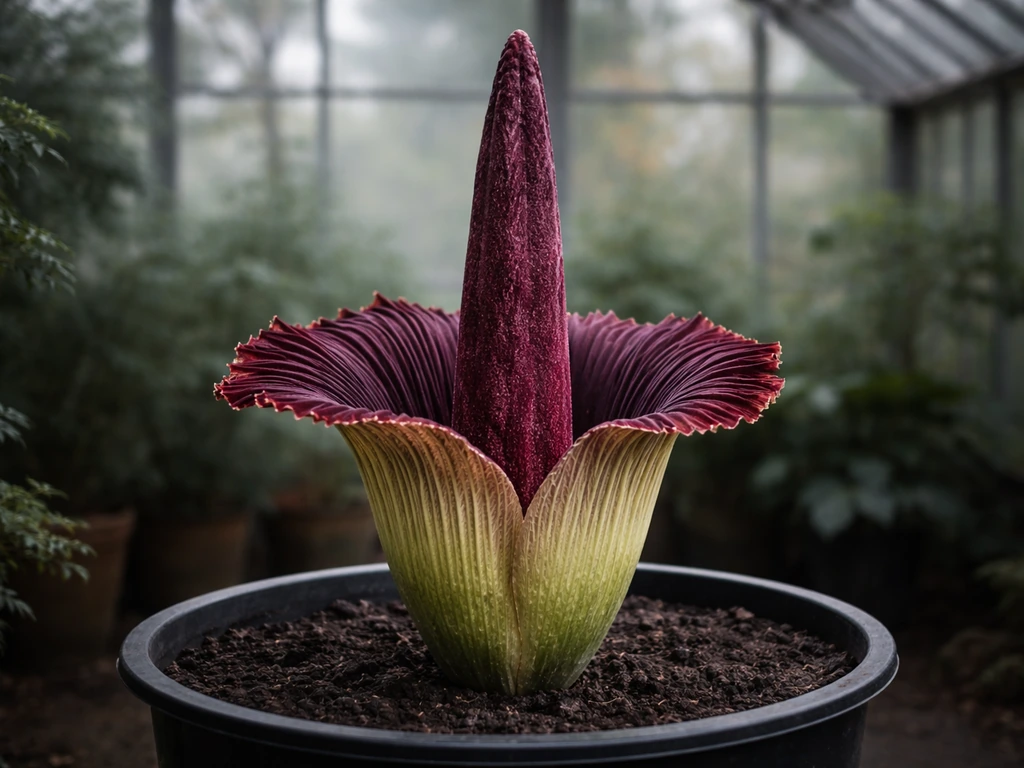
It is possible, but it sits firmly in the advanced category. Botanic gardens like the Chicago Botanic Garden and the Royal Botanic Garden Edinburgh have noted that raising titan arum in cultivation has historically been difficult even for professional horticulturists with temperature-controlled glasshouses and weekly care schedules. That said, conditions at home can be engineered to get close enough if you are serious about it.
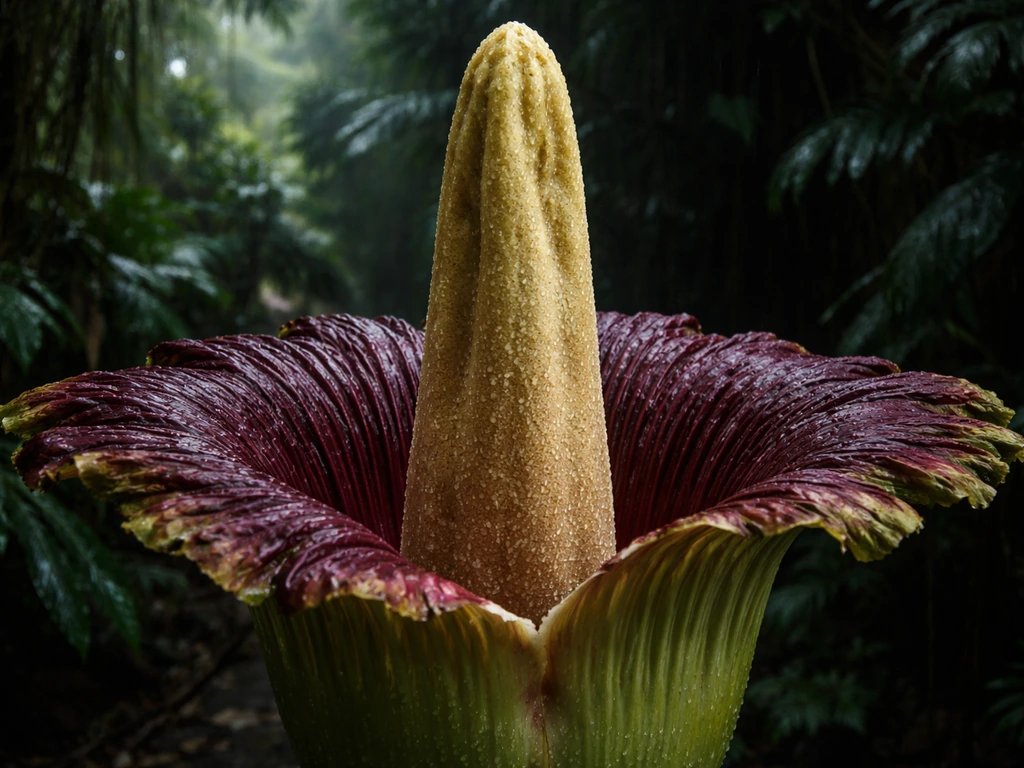
The plant spends most of its life underground as a corm (think of it like a very large, flattened bulb that stores energy). Each growing season it sends up either a single enormous leaf or, once the corm is large enough and has stored sufficient energy, a flower bud. That flower, which smells like rotting meat and lasts only about 2 to 3 days, is the payoff everyone talks about. Most home growers will grow the plant for a decade or more before seeing that bloom. The corm typically needs to reach somewhere in the range of 50 lbs (around 22 kg) or more before it has the reserves to attempt flowering, and that takes time.
The honest answer is: if you have a heated greenhouse, a very large sunroom, or a conservatory where you can maintain tropical conditions year-round, your odds of success are real. If you are working with a standard apartment and a grow light, you can still get leaf growth and a growing corm, but flowering becomes a much longer, harder road.
What you need before you start
Sourcing the corm or seeds
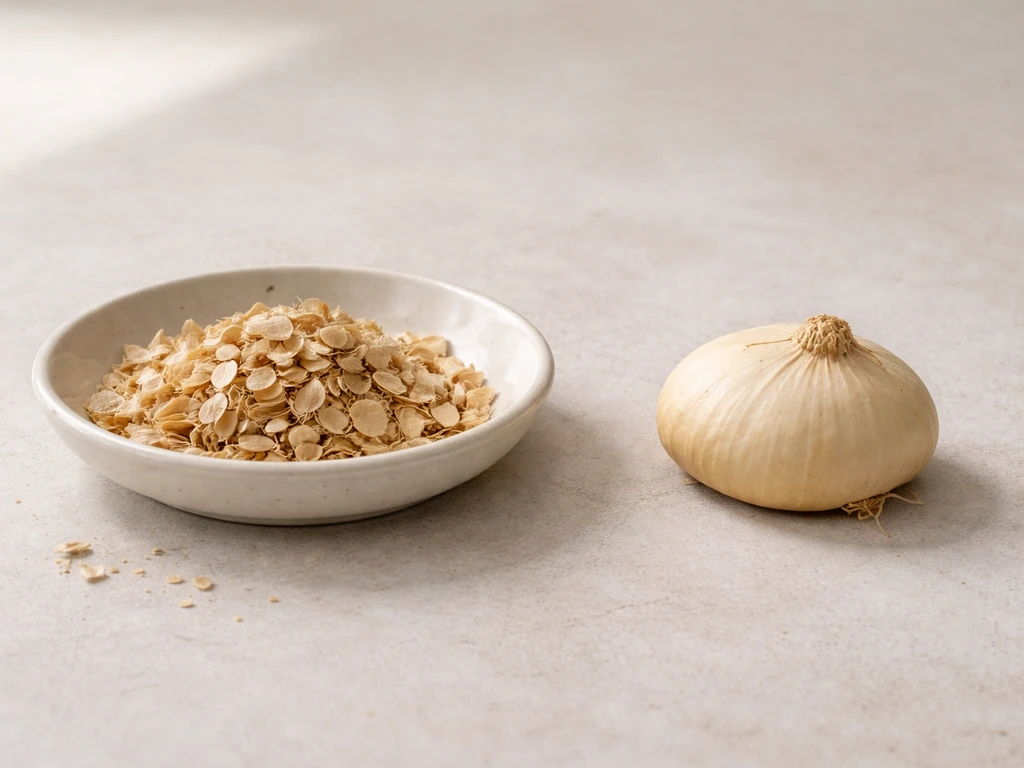
Your first decision is seeds vs. a corm. Seeds are sometimes available from botanic gardens or specialist growers after a successful bloom, but they have a short viability window and take even longer to develop into a flowering-sized plant. A small corm or offset is the more practical starting point.
Look for reputable tropical plant specialists, botanic garden plant sales, or established growers in Amorphophallus collector communities online. Avoid any listing that uses vague language, does not identify the species precisely, or sells suspiciously cheap 'giant' corms. Misidentification is common in the genus Amorphophallus, and there are many relatives that are far easier to grow but will not give you what you came for.
If you are also asking what type of plant is bone blossom grow a garden, you can compare it to other unusual tropicals in the same general growing approach.
Pot and substrate
A small starter corm can begin in a 10 to 15 gallon container, but plan to step up the pot size significantly every one or two years as the corm grows. Mature specimens end up in containers of 100 gallons or more at botanic gardens. The substrate needs to be rich but extremely well-draining: a mix of high-quality potting compost, perlite or pumice (around 30% by volume), and some coarse bark works well. The plant hates sitting in wet soil, so drainage is non-negotiable. Make sure every pot you use has large drainage holes.
Tools and extras
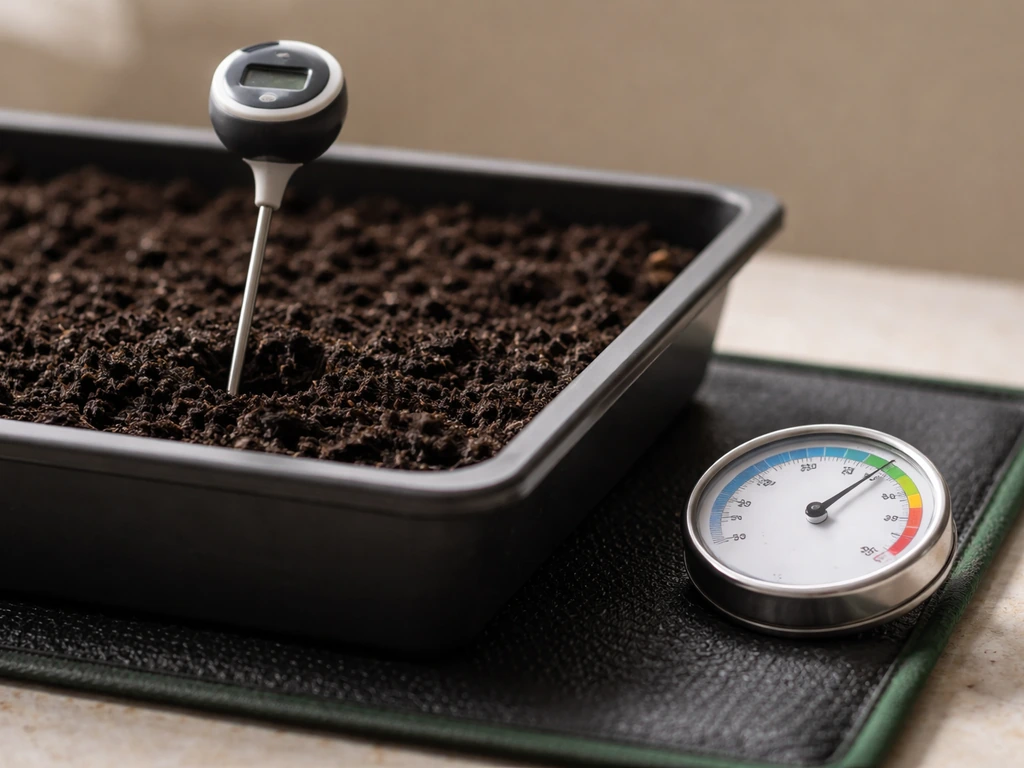
- A soil thermometer: bottom heat around 26°C (79°F) is important for active growth, and you may need a heat mat to achieve this indoors
- A humidity gauge (hygrometer): you want to know what the air around the plant is actually doing
- A liquid fertilizer with balanced NPK (a ratio like 8-8-6 works well, consistent with professional culture notes from Bonn Botanic Garden)
- A large tray or saucer to catch drainage and a way to raise the pot slightly above standing water
- Labels or a growing log: this plant's lifecycle is measured in years, so notes matter
Ideal growing conditions
Corpse flowers are native to the rainforests of Sumatra, so you are trying to replicate that. The Chicago Botanic Garden targets daytime temperatures of 70 to 85°F (21 to 29°C) and night temperatures of 68 to 80°F (20 to 27°C), with very little fluctuation. That warmth needs to be consistent through the active growing season. Cold drafts, air conditioning blowing directly on the plant, or temperatures dipping below about 60°F (15°C) will stress or stall the plant significantly.
Humidity should stay high, ideally above 60 to 70%. In a greenhouse this happens naturally. Indoors, you may need to run a humidifier nearby or keep the plant grouped with other large tropicals. Direct misting on the corm is not ideal since it can encourage rot.
Light is important but indirect. In nature, these plants grow under a partial rainforest canopy. Bright, indirect light or filtered sun for 6 or more hours a day is the goal. A south- or east-facing greenhouse wall works well. Under grow lights, aim for a full-spectrum LED run 12 to 14 hours a day during the growing season. Avoid harsh direct afternoon sun through glass, which can scorch the single large leaf.
Seasonal cues matter for dormancy management. Even in cultivation, the plant responds to shifts in day length and temperature. In a controlled environment you can influence dormancy timing by slightly reducing watering and temperature in autumn to trigger the leaf to die back, then storing the corm dry and warm through the rest period.
Step-by-step: planting and early care
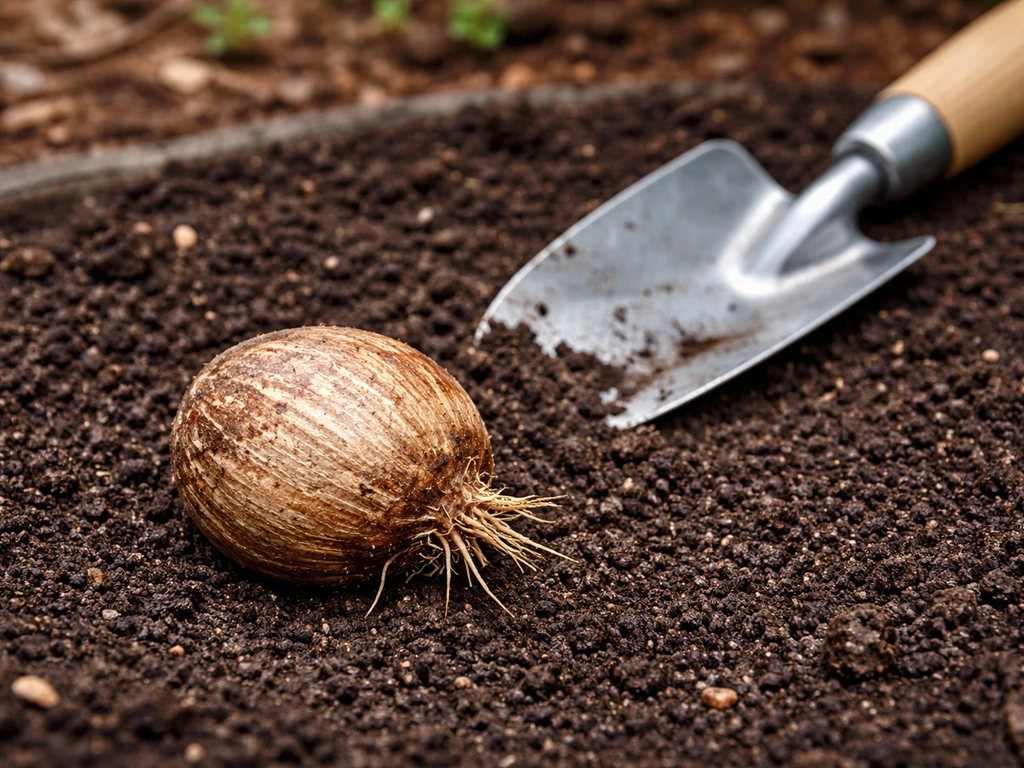
- Check the corm before planting. It should feel firm with no soft spots, visible rot, or foul smell (beyond the mild earthy smell of a healthy corm). Dust any cuts or wounds lightly with sulfur powder or powdered cinnamon and let them callous for 24 hours before planting.
- Fill the pot with your well-draining substrate mix. Place the corm with the flattened or slightly concave growing tip facing up, buried so it sits roughly at the same depth as its own height, usually covered by 2 to 4 inches of substrate.
- Set the pot on a heat mat if growing indoors, and position it in your warmest, brightest spot. Water lightly to settle the substrate but do not saturate it. The goal is just-moist, not wet.
- Wait. The first sign of growth is usually a tightly rolled spear pushing up through the surface. This can take 2 to 8 weeks depending on corm size and temperatures. Do not overwater or over-fertilize before you see this sprout.
- Once the sprout appears and begins to unfurl, start a weekly diluted fertilizer routine (around 0.3% solution, or roughly half the label rate for most liquid fertilizers). The plant is now actively building stored energy.
- As the single leaf expands fully, maintain consistent warmth, humidity, and feeding. The leaf will stand for several months before naturally yellowing and dying back. This is normal. Do not try to keep it green artificially.
Feeding, watering, and dormancy cycle management
During active growth (roughly March through October in the northern hemisphere, or however long your plant is showing a leaf), water consistently so the substrate stays evenly moist but never waterlogged. The Bonn Botanic Garden's culture notes describe this precisely as 'evenly moist, not too wet', which sounds obvious but requires attention. Stick your finger 2 to 3 inches into the substrate; if it still feels damp, wait. If you are specifically trying to get spore blossoms, the key is still getting a healthy reproductive cycle through the dormancy and buildup phase can you grow spore blossoms. If it is dry that deep, water thoroughly until it drains freely.
Feed weekly during the growing season with a balanced liquid fertilizer. An 8-8-6 NPK ratio or similar works well. This consistent feeding is what builds the corm's reserves, and those reserves are what eventually make a bloom possible. Skipping weeks or feeding erratically is one of the most common reasons home-grown specimens stall.
When the leaf starts to yellow and collapse, that is the plant entering dormancy. Stop fertilizing immediately. Reduce watering gradually over 2 to 3 weeks until the substrate is completely dry. According to North Carolina State University Extension guidance on Amorphophallus, you can either lift the corm and store it dry and warm (around 60 to 70°F/15 to 21°C) in a breathable bag or box of dry peat or vermiculite, or leave it in the pot with the soil dried out completely. Either works, but lifting lets you check for rot and pests. Dormancy typically lasts 2 to 4 months before new growth resumes, sometimes triggered by light warming and the first gentle watering.
What to actually expect: leaf years vs. flowering
Each growing season, the corm produces one cycle: either a leaf or a flower, then dormancy. In the early years of cultivation, every cycle is a leaf cycle. The leaf itself is impressive (a single petiole can reach 6 to 20 feet tall in mature specimens, topped with a large compound-looking canopy), but it is not the bloom. The bloom only happens once the corm has built up enough stored energy, which practically means you are looking at a minimum of 7 to 10 years from a small starter corm to a first possible flowering, often longer.
The United States Botanic Garden notes that A. titanum blooms for only 2 to 3 days and does so roughly every two to three years once the plant is mature enough to bloom at all. Before a bloom, the Chicago Botanic Garden describes subtle visual cues: the corm's emerging bud looks more dimpled and shows a suggestion of a frill rather than the tightly rolled spear of a leaf. If you see that, get ready and also prepare for the smell.
On smell management: the bloom phase produces a genuinely powerful odor resembling rotting flesh, which is how the plant attracts its natural pollinators. It only lasts a day or two, but you will want to plan where the plant is located during that window. An attached garage, a detached greenhouse, or a well-ventilated porch are popular options. If you want seeds from the bloom for propagation, you will need pollen from another plant blooming at the same time, which is why botanic gardens sometimes coordinate with each other.
Troubleshooting common failure points
The corm is rotting
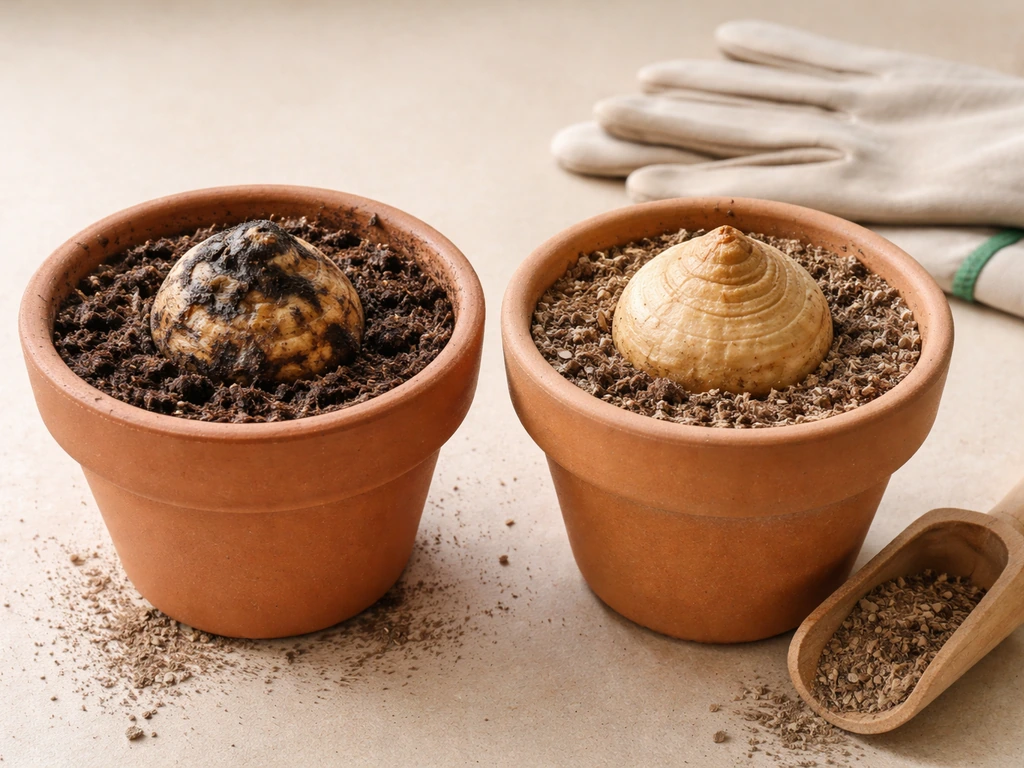
Rot is the most common way a corpse flower attempt ends. It almost always comes down to overwatering, especially during or just after planting or when the plant is going into dormancy. If you catch soft spots early, remove the corm from the substrate, cut away all affected tissue down to firm, healthy material, dust with sulfur or cinnamon, let it dry and callous for 48 hours, and repot in fresh, dry substrate. Some growers have saved badly rotted corms this way. If the rot has reached the center of the corm, the plant is usually not recoverable.
No growth after planting
If you have waited 8 to 10 weeks and nothing has appeared, check the soil temperature first. If it is below about 22°C (72°F) at the corm level, growth will be very slow or stalled entirely. Add a heat mat and give it another 4 to 6 weeks. If the temperature is fine, carefully excavate the corm (without disturbing the growing tip) and check for rot or pest damage. Sometimes a corm needs a longer dormancy than expected, especially if it was shipped and stressed.
Wrong dormancy timing or no dormancy at all
In a consistently warm, humid indoor environment, the plant may try to resist dormancy and produce a weak, leggy second sprout rather than resting. If this happens, force dormancy by gradually reducing watering to nothing over 3 to 4 weeks regardless of what the plant seems to want. The rest period is essential for corm development. Skipping or shortening it year after year leads to a corm that stops growing in size and eventually declines.
The leaf looks pale, thin, or stunted
This is usually a light or nutrition problem. A pale leaf with yellowing between the veins often points to insufficient fertilizer or a micronutrient deficiency. Make sure you are using a complete fertilizer and feeding weekly during active growth, not just occasionally. If the leaf is thin and stretching toward the light, the plant needs more light intensity. Move it closer to the light source or upgrade to a higher-output grow light.
Quick reference: what went wrong
| Symptom | Most likely cause | Fix |
|---|---|---|
| Soft, mushy corm | Overwatering or poor drainage | Cut out rot, dry, callous, repot in drier mix |
| No sprout after 8+ weeks | Soil too cold or corm dormancy not broken | Add bottom heat; check corm for damage |
| Pale or yellowing leaf | Underfeeding or low light | Feed weekly; increase light intensity |
| Leaf collapses early (after only a few weeks) | Insufficient watering or root damage during repotting | Water more consistently; handle corm carefully |
| No flowering after many leaf cycles | Corm not large enough yet, or inadequate feeding | Continue weekly feeding; be patient—this takes years |
| Corm shrinking over dormancy | Stored too warm and dry or pests feeding on it | Store at 60–70°F, check for insects, use fresh storage medium |
Growing a corpse flower is a long game. If you are specifically wondering can you grow skeleton flowers, the same general approach applies: start with proper plants and conditions, then expect a long timeline. If you enjoy pushing the limits of what is possible with unusual plants, and you are comfortable with a project that unfolds over a decade, it is genuinely one of the most rewarding things you can attempt.
A different cultivar-path question people ask is whether can bone blossom grow a garden, since it involves similar long-term commitment and environmental control. The Royal Botanic Garden Edinburgh notes that with the right conditions the plant can continue producing new leaves and eventually flowers for a very long time after the corm reaches maturity.
Vivianite is a phosphate mineral that typically forms in the right kind of burial environment rather than as a predictable result of growing corpse flowers does vivianite grow on corpses. The key is building a system where the corm grows a little bigger each season, and that means consistent warmth, consistent feeding, and respecting the dormancy cycle every single year without shortcuts.
FAQ
Can you grow a corpse flower in an apartment without a greenhouse?
You can keep it alive and growing a leaf, but flowering is unlikely unless you can hold near-constant warm temperatures (roughly low 70s°F/low 20s°C at night) and high humidity. A dedicated heated room, a humidity-controlled sunroom, or a small greenhouse enclosure with a humidifier and ventilation is the practical route. If your home swings widely in temperature, expect many leaf years before any chance of bloom.
What’s the best starting point, seeds or a corm?
A corm or offset is generally the better choice because seeds have a short viability window and take longer to build to a flowering-sized specimen. If you do get seeds, treat viability as time-sensitive, and plan for a much longer timeline than you would with a mature corm.
How do I tell whether I should expect a leaf season or a bloom attempt?
Early on it is usually leaf cycles, the plant does not decide instantly based on the current season alone. Look for bud shape changes, a more dimpled, frilled look rather than a tightly rolled spear, but also remember you may never get a bloom if the corm has not reached enough stored energy from prior years.
Why does my leaf come up weak, tall, or pale?
That combination often points to insufficient light intensity and sometimes inconsistent feeding. Increase bright, filtered light or upgrade your grow light output, and stick to weekly feeding during active growth. If the plant is stretched toward the light, moving it closer or using a stronger light usually helps more than adding fertilizer.
How often should I water a corpse flower during active growth?
Water when the top couple inches of the potting mix are drying but the deeper zone is still not bone-dry, aim for evenly moist rather than constantly wet. Use the finger test you described in the article, and make sure excess water drains quickly. Overwatering near planting and during the transition into dormancy is one of the fastest ways to trigger rot.
Do I need to mist the plant or spray the corm?
Avoid frequent direct misting of the corm. The safest approach is humidity in the air rather than wetting the corm repeatedly, because water trapped around the corm can encourage rot. If you use misting at all, keep it targeted to the air and avoid soaking.
How can I manage dormancy if my home stays warm and humid?
If your environment never cools and the humidity stays high, the plant may try to keep pushing a second weak sprout. Enforce dormancy by gradually stopping watering until the pot dries completely, even if the plant seems reluctant to rest. Also stop fertilizing immediately when the leaf yellows and collapses.
What’s the safest way to move or repot the corm?
Repotting is safest when the plant is in an obvious dormancy window, when the potting mix is dry and the plant is not actively developing tissue. If you must repot outside dormancy, be extremely gentle and keep the growing tip protected, because disturbance combined with wet conditions increases rot risk.
My corm smells bad or feels soft, can I save it?
Yes, soft spots can sometimes be saved if you catch it early. Remove the corm from the substrate, cut away all soft or discolored tissue to firm healthy material, then allow it to callous before repotting into fresh dry, well-draining mix. If the rot has progressed to the center core, recovery is often not possible.
What can I do if nothing appears after weeks in the pot?
First check soil temperature at the corm level, growth slows sharply below the low-70s°F range. If temperature is correct, carefully inspect for rot or pest damage rather than simply adding more water. In some cases a longer dormancy, especially after shipping stress, explains the delay.
Do I need pollination to get seeds, and can I do it at home?
Seed production requires pollen from another plant blooming at the same time. At home, that usually means coordinating two flowering plants or timing with another grower. Without that overlap, you will typically get the flowering display but no viable seed.
How do I place the bloom so the smell is manageable?
Plan airflow and location because the odor is strongest during the 2 to 3 day bloom window. Choose a ventilated area like a detached space or garage with good exhaust, keep doors controlled so odor does not fill the house, and avoid placing it in areas you must frequent multiple times daily during the bloom.
How do I prevent pests during dormancy?
When the plant is resting, check the corm through the storage method you choose, especially if you lift and store it. A breathable dry packing medium can help you monitor condition, and keeping the corm from staying wet is still the main defense. If you see signs of pests or new soft growth, act early rather than waiting for the next leaf.
Next Article
Can You Grow Spore Blossoms? Step-by-Step Guide
Clarifies can you grow spore blossoms and gives a step-by-step home guide for starting from spores with tips and trouble