Fresno grows an enormous amount of food. Commercially, the county is dominated by grapes, almonds, pistachios, and tomatoes, those four crops consistently top the annual Fresno County Crop Report by value. For home gardeners in Fresno, the list of what actually thrives is a little different: tomatoes, peppers, squash, melons, beans, and stone fruits all do extremely well in the long, hot Central Valley season. Most of Fresno County sits in USDA Plant Hardiness Zone 9, which means you have a genuinely long warm season to work with, but you also have to plan around scorching July and August heat, limited rainfall, and the need to irrigate almost everything.
What Do They Grow in Fresno? Crops and Planting Guide

Marcus Weir
21 May 2026
What 'they' actually means in Fresno
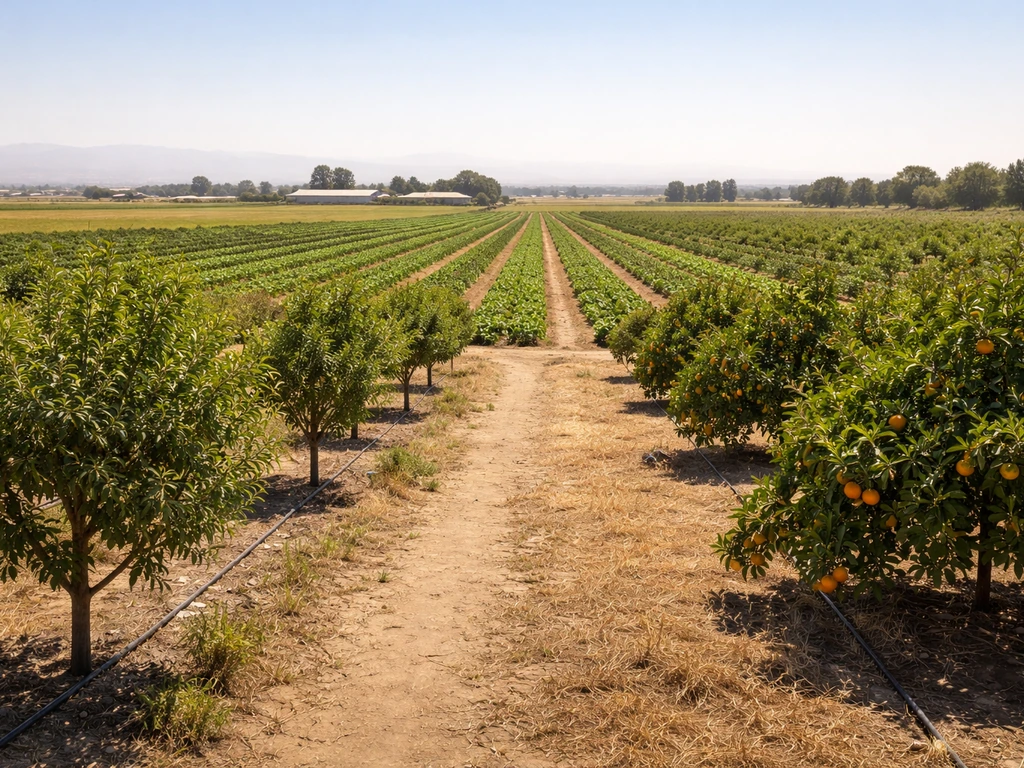
When people search 'what do they grow in Fresno,' they usually mean one of two things: what commercial farmers grow at scale, or what a home gardener can realistically grow in Fresno's climate. The answer overlaps more than you might expect, but the emphasis is different. Commercial agriculture in Fresno County is big business, the county ranks among the most productive agricultural counties in the entire United States. If you drove through the San Joaquin Valley right now, you'd pass miles of almond orchards, pistachio groves, vineyards, and tomato fields. That's the commercial 'they.' The home-garden 'they' is you, working a backyard or community plot and trying to figure out what will actually survive and produce in 100-degree summers with nearly zero summer rain.
The crops that Fresno is actually known for
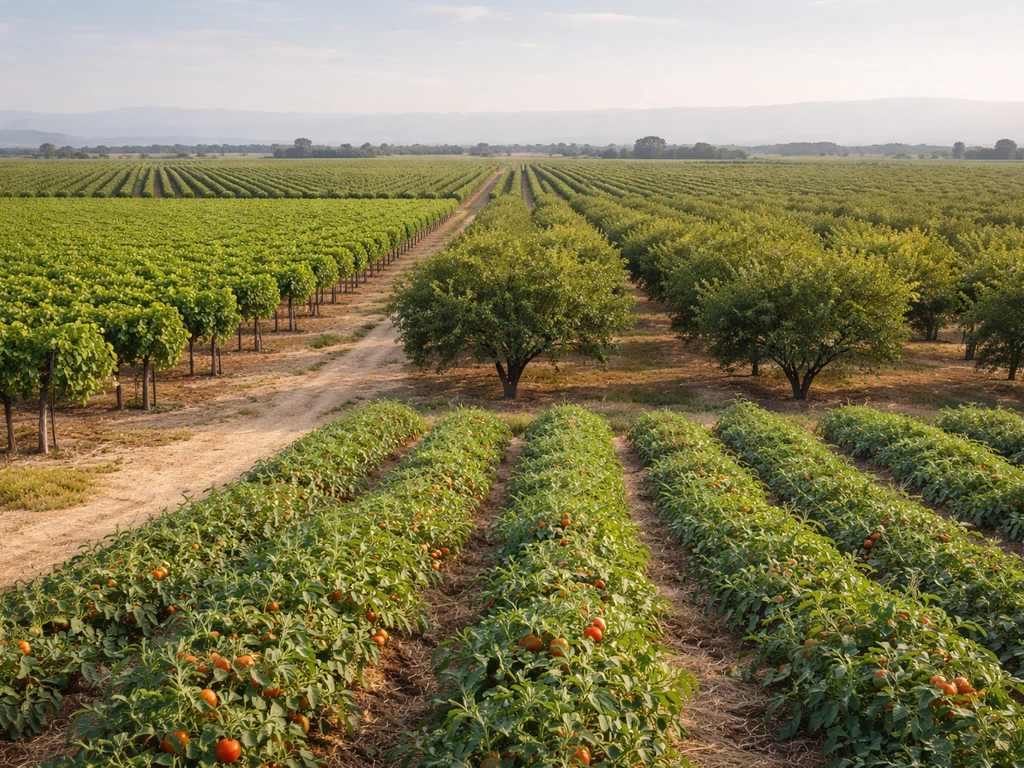
The 2024 Fresno County Crop Report makes the commercial hierarchy pretty clear. Grapes lead the county by value, followed by almonds and pistachios, with tomatoes rounding out the top tier. These aren't just locally popular, they're grown at a scale that matters globally. The Westlands Water District, which serves a large chunk of the Fresno-region irrigation landscape, reports over 72,000 acres of almonds alone in its service area. Pistachios have been expanding rapidly; as of 2024, pistachios have actually surpassed walnuts in California tree nut acreage nationally, and a huge share of that growth is in Fresno County.
Beyond the top four, you'll find cotton (particularly acala upland varieties), stone fruits like peaches and nectarines, figs, pomegranates, garlic, onions, and a wide range of field vegetables. Fresno's combination of hot dry summers, mild winters, and nearly year-round sunshine makes it one of the only places in the country where this many different high-value crops are viable in the same county.
| Crop | Type | Commercial or Home Garden | Why Fresno Works |
|---|---|---|---|
| Grapes (table & wine) | Fruit vine | Both | Long hot season, low humidity at harvest |
| Almonds | Tree nut | Commercial mainly | Early bloom suits mild winters; huge acreage |
| Pistachios | Tree nut | Commercial mainly | Heat-tolerant, drought-hardy once established |
| Tomatoes | Vegetable | Both | Long season, high heat output; grafted types excel |
| Peppers | Vegetable | Home garden | Love the heat; produce all summer |
| Melons (watermelon, cantaloupe) | Fruit | Both | Thrive in sandy/loam soil with dry heat |
| Peaches & nectarines | Stone fruit | Both | Enough chill hours in most Fresno microclimates |
| Figs | Tree fruit | Both | Extremely heat-tolerant; need almost no irrigation once established |
| Garlic & onions | Allium | Both | Cool-season crops that fit Fresno's winter window |
| Squash & zucchini | Vegetable | Home garden | Rapid producers in warm soil |
Season by season: what to plant and when
Fresno's last spring frost typically falls in mid-to-late February (around February 15–28 for most probability thresholds), and the first fall frost usually doesn't arrive until mid-to-late November. That gives you a remarkably long frost-free window, roughly nine months. NOAA climate normals for Fresno show July average highs pushing well above 95°F, which is the real constraint on what you plant and when. These NOAA climate normals are 30-year averages computed from long-term station observations, such as the 1991, 2020 period used in many current datasets, and they serve as seasonal planning baselines. The UC Master Gardeners' Vegetable Planting Guide is the most Fresno-relevant month-by-month reference you can use to dial this in precisely.
Winter (December through February)
This is cool-season time. Fresno winters are mild enough that you can grow brassicas (broccoli, cauliflower, kale, cabbage), leafy greens (lettuce, spinach, chard), root vegetables (carrots, beets, radishes), and alliums (garlic, onions) right through the season with no protection. January and February are actually the best months to get garlic bulbs and onion starts in the ground. For commercial orchards, this is dormancy season for almonds, pistachios, and stone fruits, and almond bloom typically happens in late February, making it one of the earliest-blooming crops in the state.
Spring (March through May)
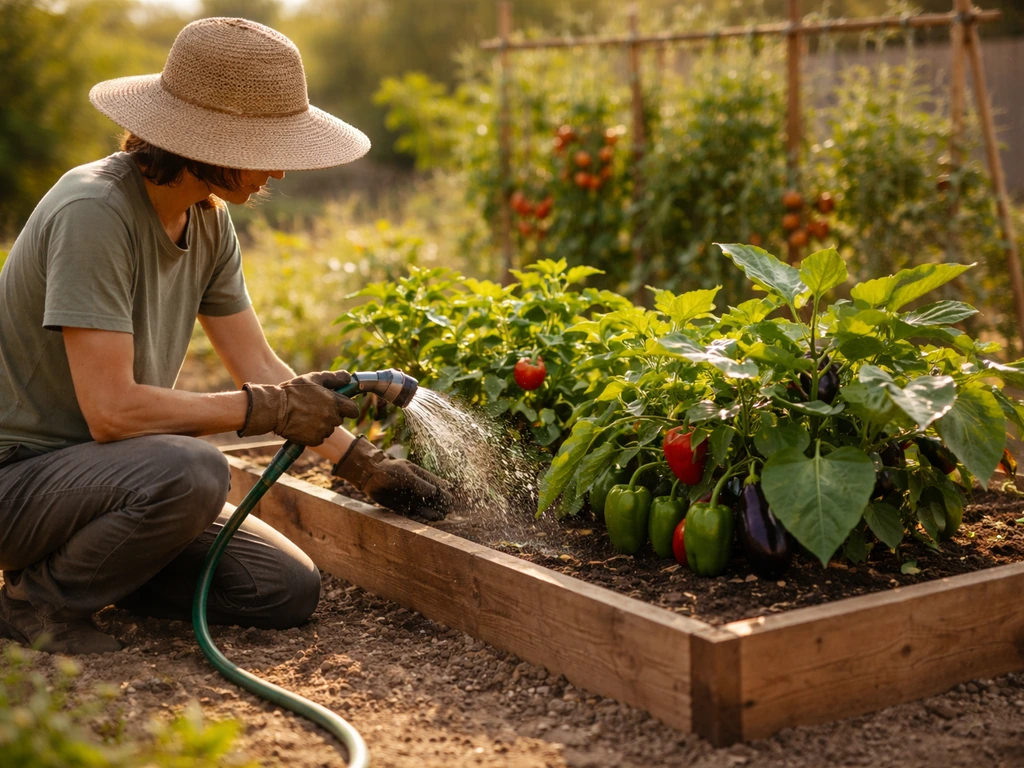
This is transition time and one of the most productive windows in the Fresno garden. Once you're past late February, you can start direct-sowing warm-season crops and transplanting seedlings you started indoors 6 to 8 weeks earlier. Tomatoes, peppers, eggplant, squash, beans, and cucumbers all go in from March through April. Melons can be direct-seeded in April once soil temps are consistently above 65°F. Don't rush tomatoes into ground that's still cold, Fresno's nights in March can still drop into the 40s. The UC Master Gardener recommendation to use grafted tomatoes is worth following in Fresno specifically because grafted rootstocks handle the heat stress and soilborne disease load of Central Valley soils far better than standard transplants.
Summer (June through August)
Peak heat season in Fresno is brutal for cool-season crops and genuinely wonderful for heat-lovers. Melons, peppers, okra, sweet potatoes, and eggplant are in their element. Tomatoes will continue producing from indeterminate varieties all summer long until frost or disease takes them, that's the advantage of Fresno's long season. What you want to avoid planting in June or July is anything that bolts fast in heat: lettuce, spinach, cilantro, and broccoli all struggle and go to seed quickly. If you want a second round of cool-season crops, start seeds for fall transplants indoors in late July or early August, when it's still hot outside but you need lead time.
Fall (September through November)
Fall is a second spring in Fresno. September is when you start transplanting your second round of cool-season crops as temperatures drop from their summer peak. Broccoli, cauliflower, kale, lettuce, and spinach all go back in during September and October for harvests that run into December and beyond. Garlic goes in October through November for a summer harvest. The UC ANR extension blog specifically highlights extending the Fresno gardening season with cool-weather crops, because most gardeners underuse this window completely.
Tree crops and perennials that belong in a Fresno yard
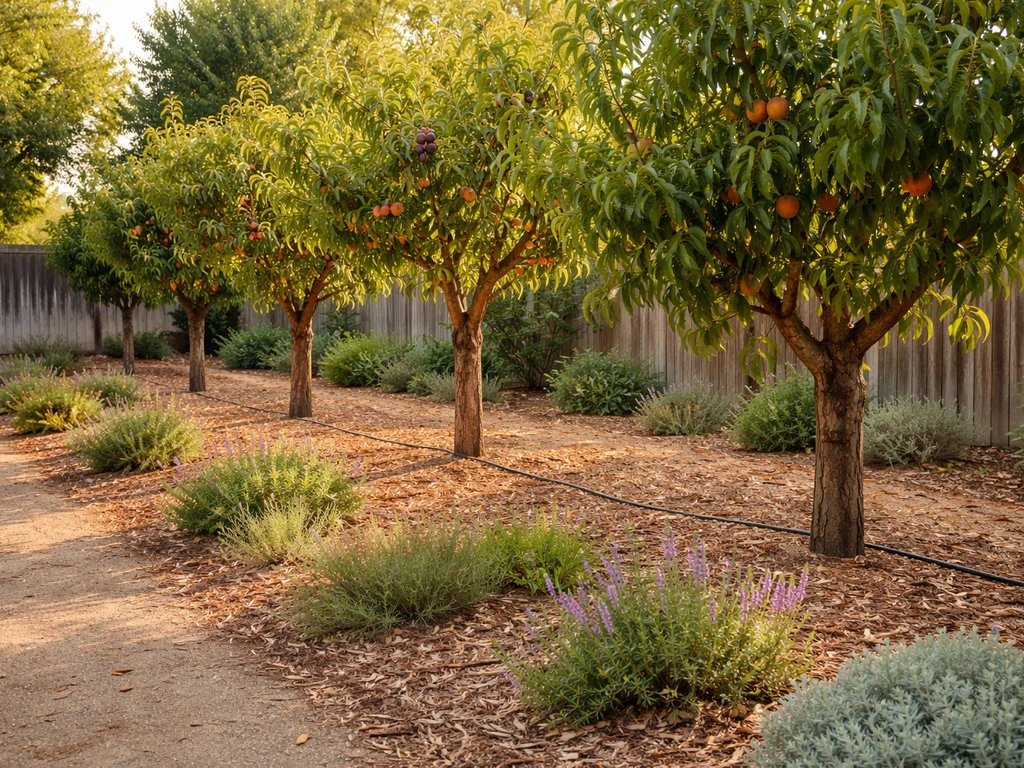
Perennial crops are where Fresno really shines for home gardeners willing to think long-term. Grand volcania is a type of heat-loving tree crop, so once established it can produce again under the right care and pruning. Figs are the easiest call: they're ridiculously productive in Fresno heat, incredibly drought-tolerant once established after the first year or two, and a single tree will produce more fruit than most households can use. Pomegranates are nearly as easy and handle the dry heat without complaint.
Stone fruits, peaches, nectarines, plums, and apricots, do well in most Fresno microclimates because the county gets enough winter chill hours (typically 500 to 800 hours below 45°F depending on location and year) to satisfy the chilling requirement of most standard varieties. If you're in a warmer Fresno microclimate or a year with a mild winter, look for low-chill varieties developed for California's warmer zones. UC ANR publication material on home orchards specifically covers chill hour requirements as a key planning factor, choose the wrong variety and you'll get foliage but no fruit.
Citrus is possible in Fresno but comes with a catch: Fresno winters occasionally dip cold enough to damage tender citrus, especially in valley-floor locations where cold air pools. Navel oranges and lemons can work in protected spots, and frost-hardy varieties like satsuma mandarins are more reliable. UC ANR's frost protection guidance for citrus recommends being ready to cover young trees in December and January. Once citrus trees are large and established (five or more years), they handle brief cold snaps much better.
For commercial growers, almonds, pistachios, and wine grapes are the long-term perennial investments that define Fresno County agriculture. These take years to reach productive maturity (almonds typically fruit in year 3 to 4, pistachios can take 5 to 7 years to hit real production), but they're matched almost perfectly to the Central Valley's climate, heat, and irrigation infrastructure.
Home gardeners vs commercial farms: different goals, different crops
A home gardener and a commercial farm in Fresno are both working with the same climate, but the crop selection logic is completely different. Commercial operations focus on crops that scale, store or ship well, and have established market infrastructure, which is why you see thousands of acres of almonds, pistachios, grapes, and processing tomatoes. A home gardener is optimizing for fresh eating, return on space, and the pleasure of actually growing something. That shifts the priority list considerably.
- Home garden priorities: tomatoes, peppers, squash, cucumbers, beans, melons, herbs, leafy greens in cool seasons, and a fruit tree or two
- Commercial farm priorities: almonds, pistachios, table and wine grapes, processing tomatoes, cotton, stone fruit at scale, garlic, and onions
- Both benefit from: drip irrigation, heat-tolerant variety selection, and planting timing aligned with Fresno's frost-free window
- Home gardeners should skip: crops with huge space requirements (like watermelon at scale), crops that need specialized harvest equipment, and anything that requires cold storage infrastructure to be worthwhile
The single best crop a Fresno home gardener can plant right now (mid-May) is a heat-set or grafted tomato transplant if you haven't already. The soil is warm, nights are past frost risk, and you have roughly five months of productive heat ahead of you. Peppers go in the same window and will produce from June through October with minimal fuss. Melons direct-seeded now will be ready in August or September.
How to pick varieties and plan around water, soil, and heat
The three biggest practical challenges in Fresno gardening and farming are heat stress in summer, limited rainfall (Fresno averages around 11 inches of rain per year, almost none of it in summer), and soils that range from sandy loam to heavy clay depending on your exact location, sometimes with elevated salt levels in the water or soil. Every crop choice and every planting decision should account for all three.
Choosing heat-tolerant varieties
For tomatoes, the UC Master Gardeners of Fresno specifically recommend grafted varieties because the rootstocks handle Fresno's soilborne pathogens and heat stress better than standard transplants. Look for varieties described as heat-set (able to set fruit even when daytime temps exceed 95°F), standard tomatoes drop blossoms without setting when it gets that hot. For peppers, almost any standard variety handles Fresno heat fine. For greens planted in fall, choose varieties described as 'slow-bolt' or 'heat-tolerant' even for your cool-season planting, because Fresno's September is still warm.
Water and irrigation planning
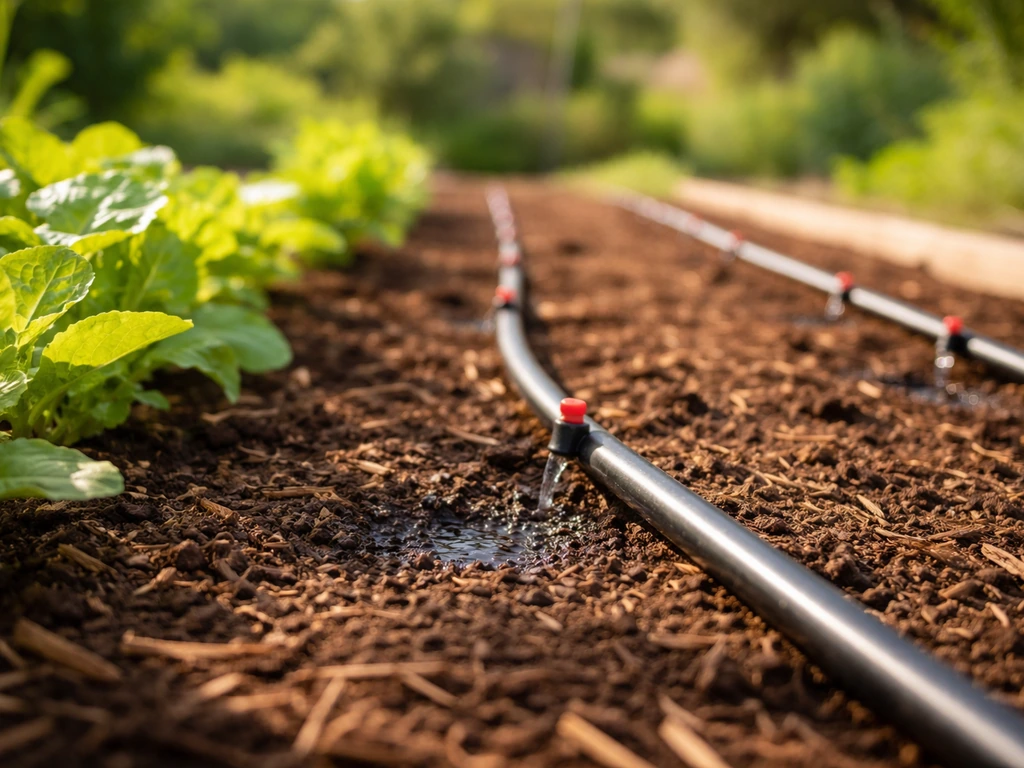
If you're gardening in Fresno without irrigation, you're not really gardening, you're hoping. Drip irrigation is the gold standard for home vegetable gardens because it places water directly at the root zone, reduces evaporation in hot dry air, and keeps foliage dry (which reduces disease pressure). UC Master Gardener guidance specifically highlights drip irrigation's advantages for home gardens in exactly these terms. For commercial growers dealing with saltier irrigation water (common in parts of the Fresno region), drip irrigation also helps manage salt accumulation, a real concern that UC ANR has dedicated specific guidance to. If you're using sprinklers or furrow irrigation, water in the early morning so foliage can dry before the heat of the day.
Soil and microclimate considerations
Fresno soils vary a lot by neighborhood and elevation. Valley-floor soils tend to be deep alluvial loams, excellent for most crops but sometimes with drainage issues in low spots. If you're in a foothill area, soils can be rockier and more alkaline. A basic soil test (available through UC Cooperative Extension and many local nurseries) will tell you pH, salt levels, and organic matter content. Most Fresno garden soils benefit from regular compost additions, both for structure and to buffer the pH. Avoid planting frost-tender crops (citrus, basil, tropical herbs) in low spots on your property where cold air pools on winter nights.
Where to get local help and confirm your timing right now
The most useful local resource by a wide margin is UC Master Gardeners of Fresno County. They publish locally adapted growing guides (including a detailed tomato guide specifically for Fresno conditions), run a phone and email hotline, and offer workshops throughout the growing season. Their vegetable planting guide is a month-by-month reference built for the Central Valley, not generic advice designed for some imaginary average American garden.
- UC Master Gardeners of Fresno County: hotline, local workshops, and online growing guides at the UC ANR website
- UC Cooperative Extension Fresno County office: crop-specific extension advisors for both home gardeners and commercial growers
- Fresno County Agricultural Commissioner's annual Crop Report: confirms what's growing commercially at scale and what's viable regionally
- Local independent nurseries: staff at a well-run Fresno nursery will tell you exactly what's working in local soil conditions right now — this is underrated real-time advice
- The Almanac's Fresno frost date tool: confirms your last and first frost dates with probability thresholds so you can set your planting calendar accurately
One thing worth knowing: because Fresno's agricultural identity is so tied to commercial scale crops like almonds and grapes, a lot of the publicly available local info skews toward large-farm audiences. The UC Master Gardener program is specifically designed to translate that research into home-garden language, which is why it's the best first stop for a backyard grower. If you're a commercial grower or thinking about expanding into a new crop, the UC Cooperative Extension farm advisors are the right contact, they're the ones who know the current pest pressure, variety performance data, and water district constraints that actually affect Fresno production decisions year to year.
If you're searching this from a gardening or growing curiosity angle rather than a farming one, Fresno is honestly one of the best climates in the country for ambitious home food growing. In Animal Crossing: New Horizons (ACNH), you can grow a variety of vegetables, fruits, and other crops on your island Fresno is honestly one of the best climates in the country for ambitious home food growing.. In Puerto Rico, you generally grow warm-season crops like tropical fruits, root crops, and many vegetables that thrive in the island's hot, humid climate what do they grow in Puerto Rico. The long season, reliable sunshine, and crop diversity that makes Fresno County agriculture so commercially productive works just as well at backyard scale. Get your tomatoes and peppers in the ground now (it's mid-May, which is ideal timing), plan your irrigation before the heat peaks in July, and start thinking about your fall cool-season crops in late July so you're ready to transplant in September. If you mean the same idea in a gaming context, check what to grow for the frog on Ginger Island so your plants match the game’s goals.
FAQ
Can I grow cool-season vegetables in Fresno during summer?
Yes, but only if your timing and expectations match Fresno’s heat. In Zone 9, cool-season crops can do well in winter and shoulder months, but lettuce, spinach, broccoli, cilantro, and other bolt-prone greens often fail if you plant in late spring or midsummer without shade cloth and fast succession timing.
Is citrus actually a good crop for Fresno home gardens?
Treat citrus as a microclimate crop, not a county-wide default. If you are on a valley floor where cold air pools, even “frost-hardy” citrus can lose young growth. Plant in a protected spot (near a wall or in a slight rise), and be ready with covering for December and January dips, not just for occasional daytime freezes.
What’s the best tomato choice in Fresno, and what if I cannot find grafted plants?
Heat-set or grafted tomatoes are specifically recommended because Fresno’s extreme summer temperatures can prevent normal plants from setting fruit. If you cannot get grafted/heat-set transplants, your backup is choosing a shorter season variety and planting on time, then harvesting aggressively before peak heat and disease conditions.
How do I know when it is safe to plant tomatoes or peppers in Fresno?
Fresno planting windows depend more on soil temperature and night lows than the calendar. If nights are still in the 40s, warm-season transplants may stall or drop blossoms. A practical approach is to wait for consistently warm nights or use temporary row cover during cool snaps, then remove it once heat stabilizes.
What should I do if Fresno garden plants look stressed even with regular watering?
Many gardeners underestimate salts. If your water or soil has elevated salinity, plants can struggle even when you water “enough.” Drip irrigation helps reduce wasted evaporation, and a soil test (plus periodic checks of irrigation water if possible) is the decision tool for whether you need leaching plans or salt-tolerant varieties.
Which fruit trees are easiest to start with in Fresno?
Choose perennials based on your long-term irrigation ability and willingness to manage the canopy. Figs and pomegranates are generally easier because they handle dry conditions better once established. For stone fruits, confirm winter chill compatibility for your exact location, because the wrong variety can produce leaves but little or no fruit.
Does Fresno’s hardiness zone number tell me everything I need to know for planting?
Zone 9 in Fresno still has big within-county differences because of elevation, drainage, and cold-air pooling. If your spot stays wet, freezes hard, or receives more reflected heat, results will differ from your neighbor’s. Do a soil test and observe frost behavior in winter on your exact site before committing to frost-tender crops.
What is the most common irrigation mistake in Fresno gardens?
Avoid putting crops in a schedule that assumes equal rainfall. Fresno’s summer rainfall is essentially negligible, so plan water as a system, not an afterthought. Drip irrigation that targets roots, early morning watering for any sprinkler use, and mulch to slow evaporation will prevent the common cycle of wilting, blossom drop, and disease outbreaks.
How can I schedule a fall crop so it actually survives Fresno heat in September?
If you want a second cool-season harvest, start planning in late July or early August, even though it still feels too hot. Begin seeds indoors for fall transplants so they are ready when temperatures start dropping in September, and choose varieties labeled slow-bolt or heat-tolerant for Fresno’s warm fall.
What happens if I try to grow vegetables in Fresno without irrigation?
If you do not irrigate, the practical reality is that only the most drought-tolerant plants will reliably produce, and even those will need at least some establishment water. For most vegetables, “no irrigation” usually means minimal yield, delayed growth, or complete failure during summer heat waves.
Next Article
Does Grand Volcania Regrow in Grow A Garden? Steps
Find out if Grand Volcania regrows in Grow A Garden, when to expect it, and exact steps to trigger comeback or replant.