Puerto Rico grows an impressive range of crops year-round: plantains and bananas, mangoes, pineapples, coffee, sugarcane, cassava, sweet potatoes, taro, pigeon peas, and a solid lineup of tropical vegetables. Because the island is tropical with no frost risk, the main seasonal question isn't 'will it freeze?' but rather 'is it the dry season or the wet season?' That single shift in thinking changes everything about how you plan a garden or small farm there.
What Do They Grow in Puerto Rico A Beginner Guide to Crops

Marcus Weir
28 Apr 2026
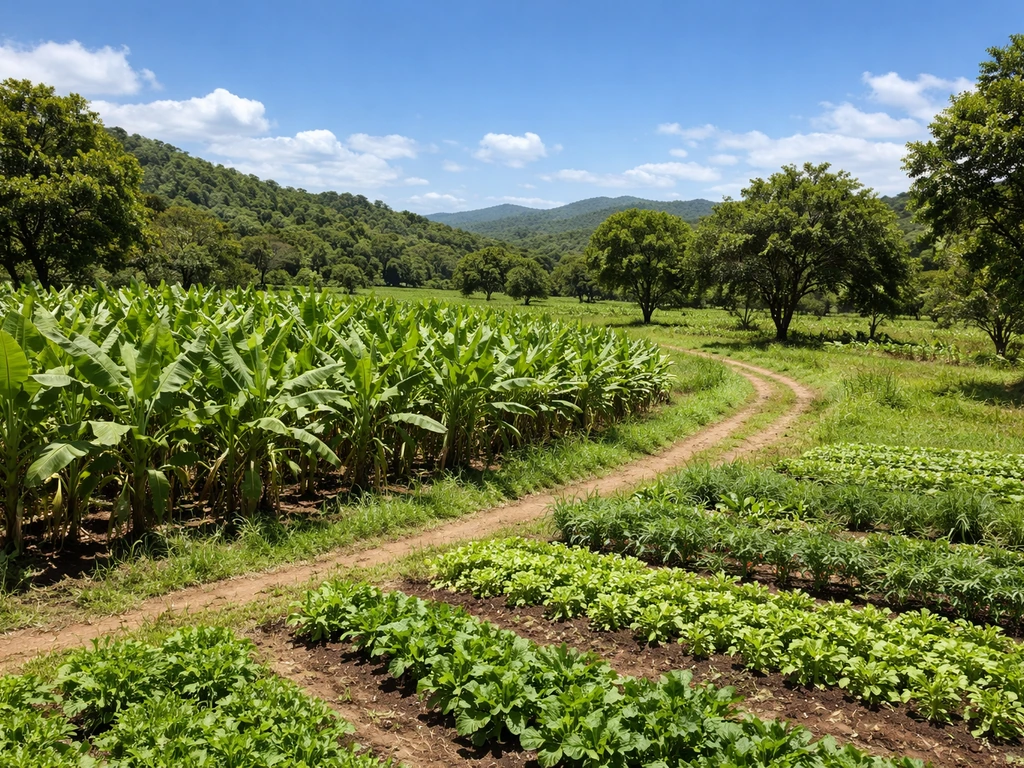
Puerto Rico's climate and what it actually lets you grow
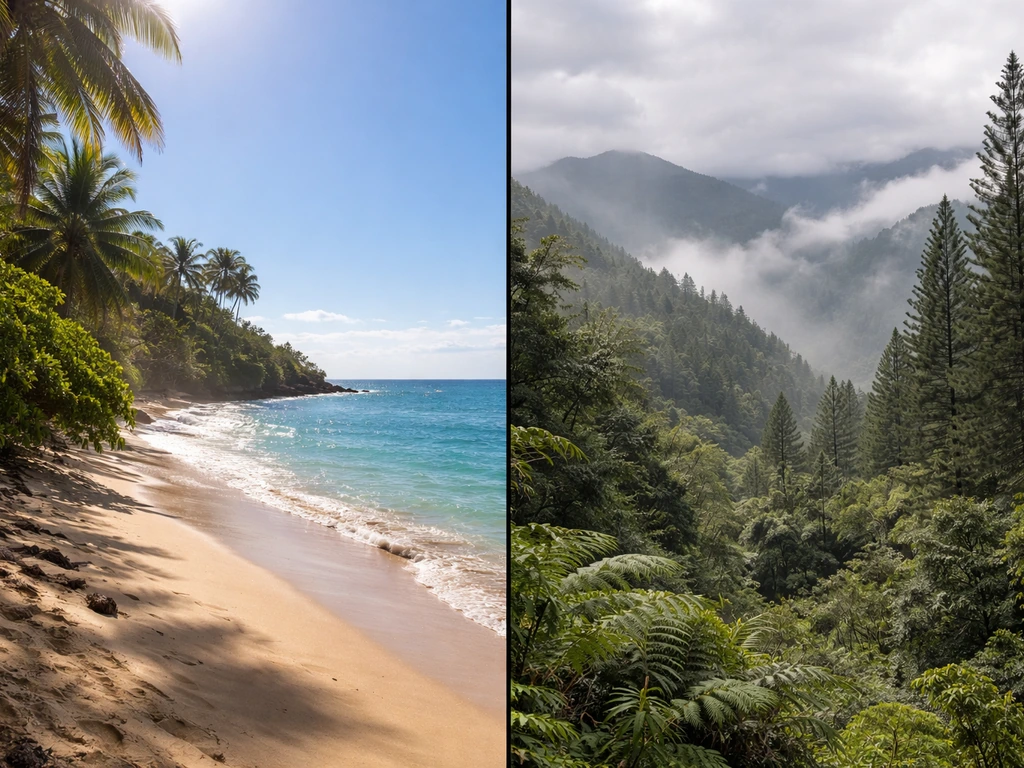
Coastal temperatures hover in the upper 70s to upper 80s °F year-round, and interior mountain areas run noticeably cooler. The island splits into a wet season (roughly May through November, overlapping with hurricane season) and a drier season (roughly December through April). Rainfall isn't uniform across the island either: the north and windward slopes get significantly more rain than the south coast, which sits in a rain shadow and has a notably worse agricultural water balance. If you're on the south coast, irrigation matters a lot more than it does in the north.
The practical upside of all this tropical warmth is that you're not racing against a frost clock. You're managing rain, heat, and humidity instead. Many vegetables do best during the drier, cooler window (November through April), while heat-tolerant perennials like mango, pineapple, plantains, and coffee just keep growing in the background regardless of season.
The most common fruits grown in Puerto Rico
Fruit trees and perennial fruiting plants are the backbone of Puerto Rican agriculture, and for good reason: once established, they produce with relatively low input in a climate that rarely stresses them with cold.
Mango
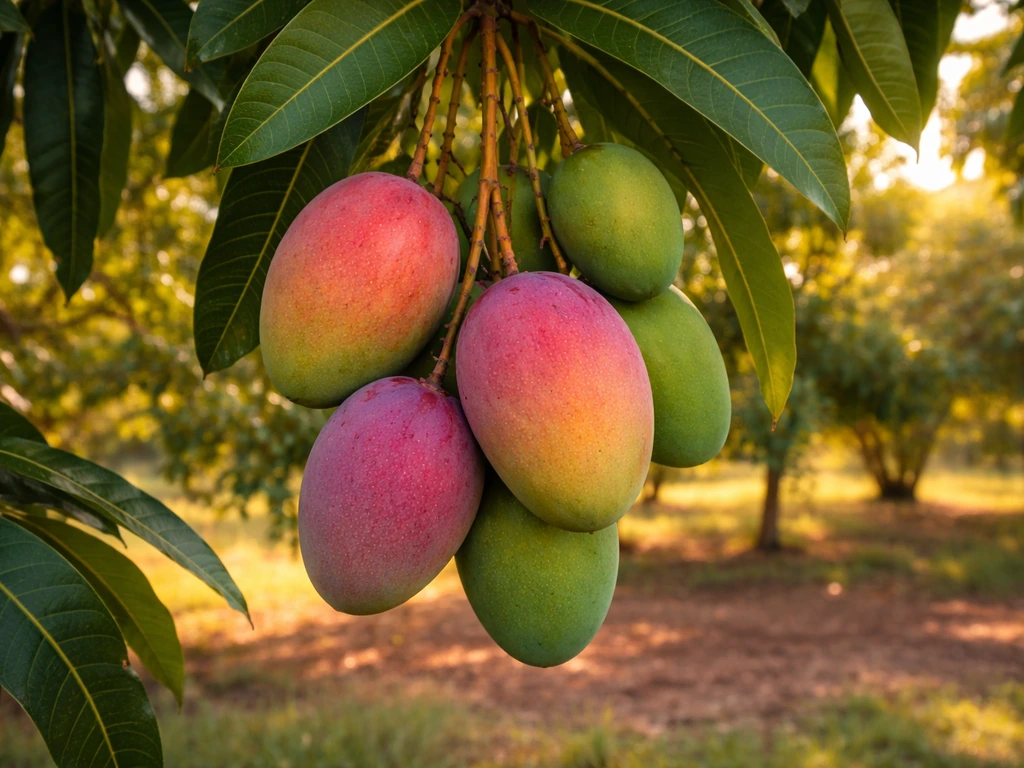
Mango is one of the island's most beloved fruits and thrives in Puerto Rico's heat. It needs full sun (at least 8 hours daily) and well-drained soil. Mango isn't particularly picky about soil type as long as water drains through it properly; standing water around roots is the main thing to avoid. Soil pH anywhere from about 5.5 to 7.5 works fine. Plant on a slight rise or in a spot that doesn't collect water after heavy rains.
Plantains and bananas
Plantains are deeply embedded in Puerto Rico's food culture, with the vast majority of production coming from local farms. They grow fast in humid, warm conditions, but the biggest ongoing challenge is black Sigatoka (also called black leaf streak), a fungal disease that spreads aggressively in hot, humid weather. Field research has shown that combining regular deleafing of infected leaves with agricultural oil applied as a fungicide can reduce disease severity by around 40%. If you're growing plantains, build that management routine in from the start rather than waiting for disease to get out of hand.
Pineapple
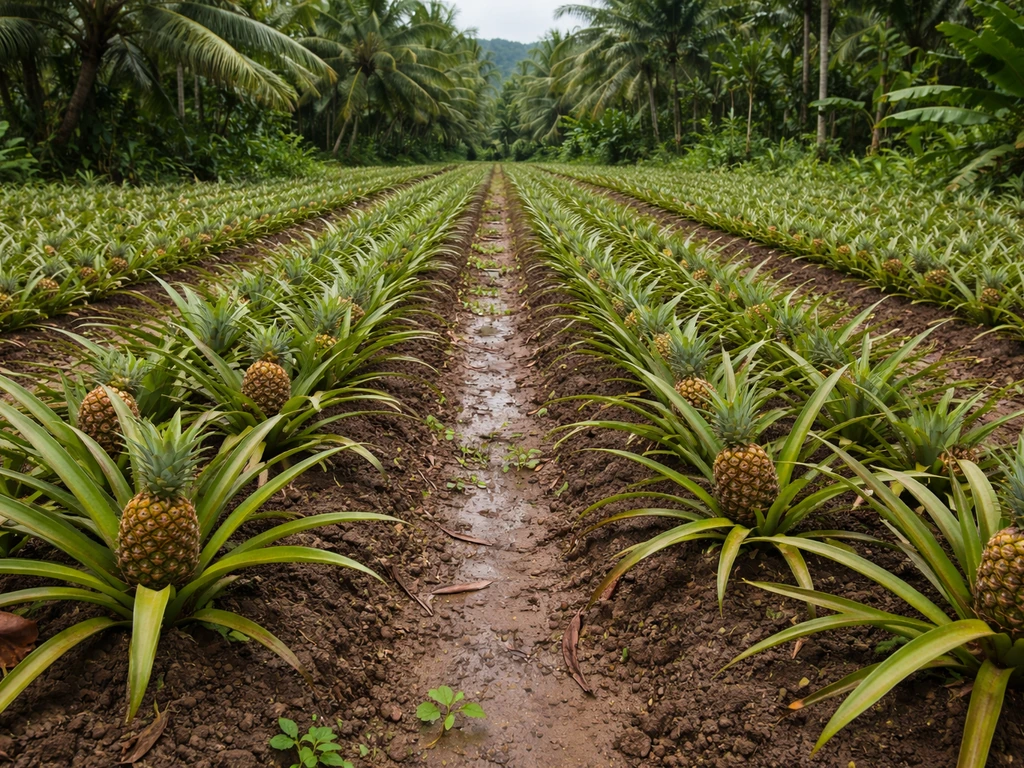
Pineapple grows well on the island and is typically planted at the beginning of the rainy season in rainfed systems. It needs well-drained soil with a fairly acidic pH, ideally around 4.5 to 5.5, which lines up naturally with many of Puerto Rico's more acidic soils. Set your expectations accordingly: pineapple commonly takes around 18 months to produce fruit from planting. It's a slow-but-reliable tropical staple.
Other common fruits
- Papaya: fast-growing, produces within about a year, loves heat and full sun
- Avocado: widely grown, prefers well-drained hillside conditions
- Breadfruit (pana): a traditional starchy fruit that thrives in lowland tropical conditions
- Tamarind, guava, passion fruit, and soursop (guanábana): all common in home gardens and small farms
Vegetables and root crops that do well in Puerto Rico
Most leafy and fruiting vegetables grow best during the drier season (roughly November through April). Lettuce, for example, has a practical productive window from about October to April in areas like Bayamón. Once the wet season kicks in, heat and humidity favor disease, and managing airflow, spacing, and fungal pressure becomes much more work.
Common vegetables
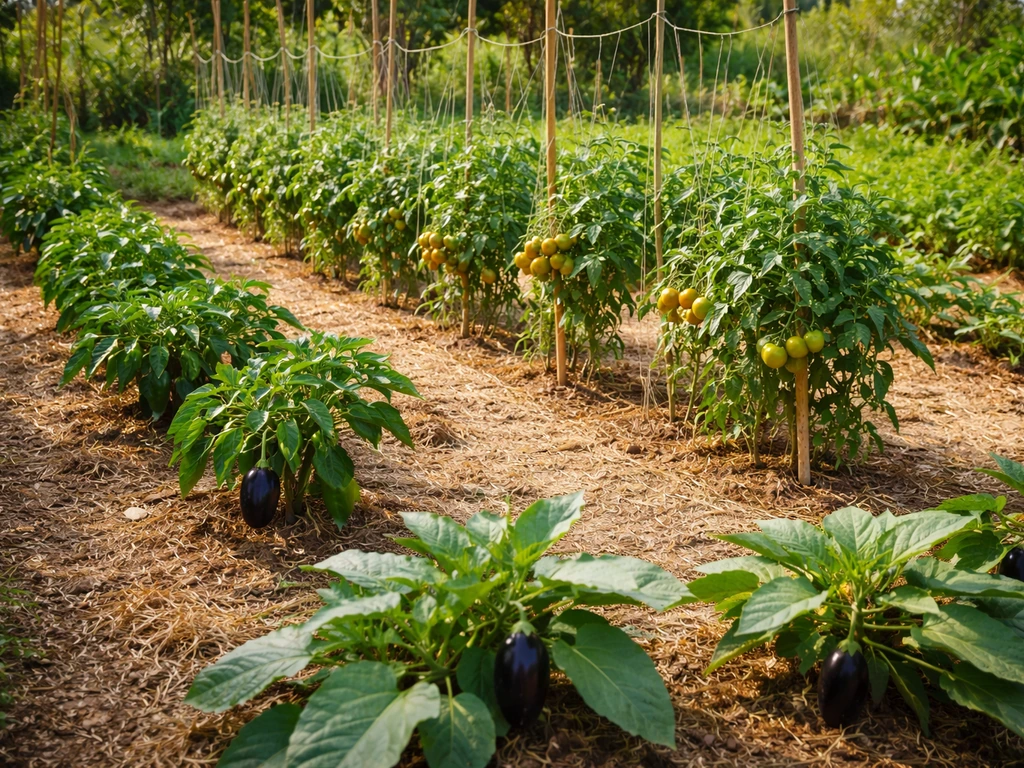
- Tomatoes, peppers, and eggplant: productive in the drier season with good drainage and airflow
- Cucumbers, squash, and calabaza (Caribbean pumpkin): heat-tolerant but benefit from drier conditions
- Lettuce and greens: stick to the October–April window; heat and humidity shut them down fast
- Herbs like cilantro (recao/culantro is the local preferred variety) and basil: recao handles tropical heat far better than flat-leaf cilantro
Root crops
Root crops are where Puerto Rico really shines. These crops love the warm soil temperatures and don't need a frost-free countdown the way temperate gardeners manage.
- Cassava (yuca): needs 8 to 11 frost-free warm months to produce usable roots, which is no problem in Puerto Rico. Plant year-round and harvest when roots are mature.
- Sweet potato (batata): well-drained soil is critical to avoid tuber rot. The pH sweet spot is roughly 4.5 to 7.0. Expect around 110 days to harvest with compact varieties. Avoid low spots that hold water.
- Taro and malanga: grown from corms and cormels, spaced roughly 2 feet by 2 feet. They tolerate more moisture than sweet potato but still need decent drainage.
Staples and legumes: the crops that feed Puerto Rico
Pigeon peas (gandules) are one of the most historically important legumes on the island and are woven into Puerto Rican cuisine at a cultural level. One practical advantage for growers is that certain cultivars, like 'Lázaro', are photoperiod-insensitive, meaning you can plant them at virtually any time of year and they'll still produce. In a Puerto Rico study of pigeonpea genotypes, researchers evaluated photoperiod-insensitive traits and included the cultivar ‘Lázaro’ in Isabela and Lajas environments photoperiod-insensitive traits and the cultivar ‘Lázaro’ in Puerto Rico environments. That kind of flexibility is valuable in a tropical system where you're always juggling wet and dry season constraints.
Rice is consumed widely in Puerto Rico but is imported in large quantities rather than grown domestically at significant scale. Beans, particularly black beans and kidney beans alongside gandules, are more commonly home-grown. Corn is grown both for fresh eating and animal feed on smaller farms, though large-scale grain corn production is limited.
Cash crops and export crops
Coffee
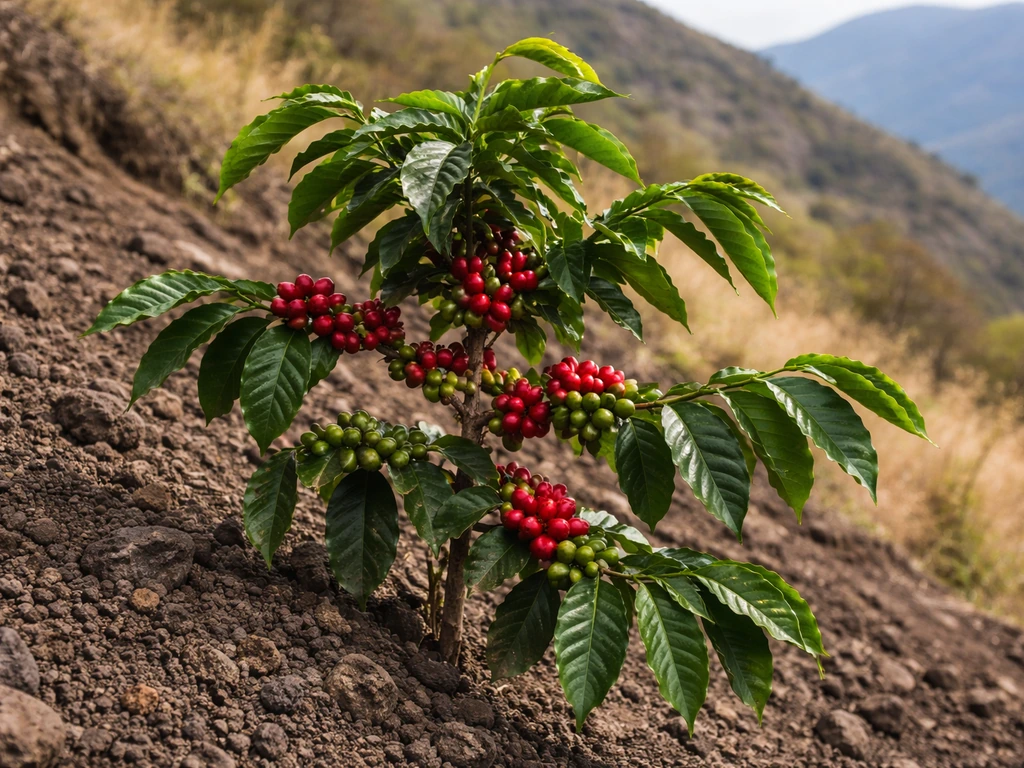
Puerto Rican coffee, mostly Coffea arabica, is internationally recognized for its quality, particularly from the mountain municipalities of the western interior. Coffee grows best in slightly acidic soils, and Puerto Rico's coffee-growing soils tend to fall in the pH 5.0 to 5.9 range, which suits the crop well. The challenge going forward is warming temperatures: USDA research has flagged that rising heat is making conditions harder for arabica production in some growing zones. If you're planting coffee, choose higher-elevation, cooler interior sites and provide shade canopy to buffer heat stress. Coffee can also benefit from shade-grown systems, which are summarized as improving soil stability and water retention in Wikipedia’s overview blank" rel="noopener noreferrer">shade canopy to buffer heat stress.
Sugarcane
Sugarcane was historically the dominant export crop in Puerto Rico and still grows across the island, particularly in flatter coastal areas with sufficient water supply. It requires a tropical or subtropical climate, plenty of sunshine, and consistent water. Commercial sugarcane production has declined dramatically from its peak, but it remains part of the agricultural landscape and is grown by smaller producers for local rum production and direct use.
Other notable cash crops
- Plantains: the most economically significant food crop for local markets
- Pineapple: produced for both local consumption and limited export
- Tropical ornamentals and flowers: a growing segment for export, particularly to the mainland U.S.
- Herbs and specialty produce: small-farm diversification trend, including culantro, hot peppers, and tropical herbs
How to choose what to grow: matching crops to your site
The single biggest variable is where on the island you are. North coast and windward areas get more rainfall and can support a wider range of crops without irrigation. If you are trying to figure out what they grow in Fresno, the most important comparison is whether your local rainfall and irrigation can support similar crop choices what do they grow in fresno. South coast growers should plan drip irrigation from the start, especially for vegetables and fruiting crops. Mountain interior zones get cooler temperatures, which opens the door for coffee and some crops that struggle with extreme lowland heat.
| Crop type | Best location on island | Wet or dry season focus | Key site requirement |
|---|---|---|---|
| Mango | Island-wide (lowland preferred) | Year-round perennial | Full sun, well-drained soil |
| Plantains/bananas | Island-wide | Year-round perennial | Consistent moisture, disease management |
| Pineapple | Island-wide | Plant at rainy season start | Acidic, well-drained soil (pH 4.5–5.5) |
| Coffee | Mountain interior (west/center) | Year-round perennial | Shade canopy, cooler temps, acidic soil |
| Sugarcane | Coastal flats (south/east) | Year-round perennial | Full sun, consistent water supply |
| Cassava/yuca | Island-wide | Year-round | Warm soil, frost-free (automatic in PR) |
| Sweet potato | Island-wide | Drier season preferred | Well-drained soil, avoid waterlogging |
| Leafy vegetables | Island-wide | Dry season (Nov–Apr) | Good airflow, manageable heat |
| Pigeon peas | Island-wide | Year-round (photoperiod-insensitive varieties) | Tolerates poor soils, low maintenance |
For a beginner starting a backyard garden, the clearest path is to plant root crops and pigeon peas year-round as reliable producers, then add a vegetable bed for the November-to-April dry season window with tomatoes, peppers, and leafy greens. In Animal Crossing: New Horizons, that same idea is simple: you can grow lots of fruit trees, vegetables, and even some crops through gardening features depending on the season plant root crops and pigeon peas.
Even if you start from seeds or cuttings, you should still plan for how long any given plant takes to recover and regrow after harvest or stress regrow in grow a garden. Add a mango or avocado tree in your first season so it's getting established while you work on the annual crops. That combination covers food diversity without requiring advanced management.
Practical starting steps right now: timing, sun, soil, and watering
Since today is late April 2026, you're transitioning from the drier season into the early wet season. That timing has a few practical implications for what you start right now. If you're asking what to grow for frogs on Ginger Island, think about creating a damp, sheltered habitat with water-loving plants and a steady insect food source what to start right now.
- Start perennials now: mango, pineapple, plantains, cassava, and pigeon peas can all go in the ground as the rainy season begins. Pineapple in particular is traditionally planted at the start of the wet season in rainfed systems, so this is ideal timing.
- Wrap up or skip annual vegetables that need dry conditions: if you haven't started tomatoes and lettuce yet, hold off until October or November rather than fighting heat and humidity for the next five months.
- Prepare your soil drainage now: before wet season rain arrives in force, amend low-lying beds with organic matter and check that your planting areas drain freely. Sweet potato and cassava beds especially need this.
- Set up drip irrigation if you're on the south coast: even though rain is coming, it's uneven. Drip irrigation conserves water and keeps root zones consistently moist without waterlogging, which is the enemy of root crops.
- Sun check: confirm any new planting areas get at least 6 to 8 hours of direct sun daily. Mango and pineapple specifically need 8 hours for good fruit production. Shade from trees or buildings is the most common reason backyard fruit production disappoints.
- Soil pH: test your soil before planting. Most Puerto Rican soils are naturally acidic, which suits pineapple, coffee, and sweet potato well. If you're planting mango or vegetables, check that pH isn't below 5.5 and adjust with lime if needed.
Pests, hurricanes, and the real challenges of growing in Puerto Rico
Hurricane and storm risk
This is the most serious structural challenge for Puerto Rico growers. A Reddit travel thread on Puerto Rico timing for less heat and storms offers reader-facing anecdotal context for travel planning, rather than horticultural guidance best time of year to travel with less heat and storms. Hurricanes Irma and Maria caused catastrophic damage to the island's agricultural sector, hitting smaller farms hardest. Hurricanes Ernesto and other tropical systems have continued to create disruptions since. If you're establishing a garden or small farm, think about physical resilience from day one: diversify crops so one storm doesn't wipe out your entire production, stake and support young fruit trees, and have a plan for rapid replanting of fast-cycling crops after a storm passes.
Key pests and diseases
- Black Sigatoka (plantains/bananas): the most economically significant disease on the island. Deleaf infected leaves immediately and apply agricultural oil as a fungicide on a regular schedule.
- Fruit flies: a widespread issue affecting mango, papaya, and other soft fruits. Baited traps and harvesting fruit before full ripeness reduce losses.
- Whiteflies and aphids: common on vegetables during the drier season. Neem oil and insecticidal soap work well; good airflow and spacing reduce infestation pressure.
- Root rot in root crops: almost always caused by poor drainage. The fix is site selection and soil amendment before planting, not chemical treatment after the fact.
- Fungal diseases on vegetables: wet season heat and humidity accelerate every fungal issue. Space plants generously, mulch to reduce soil splash, and rotate beds between seasons.
Humidity management
High humidity is a constant in most of Puerto Rico, and it's the underlying cause of most disease problems during the wet season. The practical responses are consistent across crops: increase spacing between plants so air moves freely, prune fruit trees and plantain bunches to open up the canopy, mulch soil surfaces to reduce fungal spore splash, and water at the base of plants rather than overhead. If you're using overhead sprinklers, switching to drip irrigation cuts fungal pressure significantly and wastes less water in the process.
One last practical note: integrated pest management (IPM) programs specifically designed for Puerto Rico and the U.S. Virgin Islands exist through the University of Puerto Rico at Mayagüez and USDA NIFA extension networks. If you're dealing with a pest or disease you can't identify, those resources and local agricultural extension offices are your fastest path to a correct diagnosis, which matters because the wrong treatment wastes time and money during a growing season that's already weather-pressured.
FAQ
What can I grow in Puerto Rico if I am not sure about my local rainfall? Will everything work year-round?
It depends less on frost and more on whether you can handle the wet season. For most beginners, the safest bet is to grow root crops and pigeon peas year-round, then add short, fast vegetable crops in the drier window (roughly November to April) when humidity and fungal pressure are lower.
Can I grow vegetables in Puerto Rico during the rainy, hurricane-prone months? What changes should I make?
Many people assume “tropical” means “always productive,” but the wet season often forces a different strategy. If you choose vegetables in the wet months, prioritize well-spaced plants, airflow (wider spacing than you might use elsewhere), and base watering (drip or soaker) to reduce disease.
If it is late April, what should I plant now versus later in the wet season?
Starting in late April means you are approaching the humidity jump. Planting heat-tolerant perennials now (for example mango, pineapple, coffee in suitable sites) is usually easier than expecting high yields from leafy crops that are sensitive to fungal outbreaks once the rains start.
How important is irrigation on the south coast compared with the north coast, and when should I install it?
On the south coast, rainfall can be unreliable compared with the north. If you are on the drier side, you should plan irrigation before planting, especially for vegetables and fruiting plants, because waiting until plants wilt usually leads to stunted growth and higher pest pressure.
What soil conditions matter most for fruit trees and pineapples in Puerto Rico?
Pick your site based on drainage first. Mango and pineapple both suffer when water sits around roots after heavy rain, so raised beds, gentle slopes, and well-drained soil are practical choices. Avoid low spots that stay wet during storms.
What is the most common mistake new growers make with plantains, and how can I prevent it?
For plantains, the main beginner mistake is not building disease routines early. Black Sigatoka management works best when you start regular leaf inspection and deleafing as a habit, not after the disease is widespread.
Why do pineapples sometimes feel like they “never produce” in Puerto Rico, and how long should I plan for?
Pineapple is a long cycle. Even when planted at the start of the rainy season, fruiting commonly takes around 18 months, so plan your expectations and spacing for a crop that stays in place long enough to be affected by storms.
Is it true that gandules (pigeon peas) can be planted at many times of year in Puerto Rico?
A practical difference is that pigeon peas can be planted across a wider range of times because some cultivars are photoperiod-insensitive. That flexibility helps if you keep getting interrupted by weather and still want steady production.
What is the easiest crop plan for a first-time backyard garden on the island?
If you want consistent beginner success, choose root crops and pigeon peas first because they are less dependent on perfect timing and lower-maintenance than many leafy vegetables during high-humidity periods. Then you can add a vegetable bed for the drier season when disease pressure is reduced.
What should I consider before planting coffee in Puerto Rico, especially if my area runs hot?
Coffee is where elevation and shade become practical tools. In warmer zones, arabica can struggle, so selecting higher-elevation interior sites and using shade canopy helps buffer heat stress.
How do I make my small Puerto Rico garden more resilient to hurricanes and storm disruption?
For hurricane readiness, diversify so one crop failure does not wipe out your whole output. Stake young fruit trees, keep quick-cycling crops that can replant after damage, and have a rapid replanting plan so your garden recovers instead of stalling for months.
What is the best water and spacing strategy to reduce plant diseases during the wet season?
Overhead watering can increase fungal problems in humid conditions. Switching to drip or watering at the plant base, combined with better spacing and pruning for airflow, usually reduces disease more effectively than trying stronger treatments.
If I see a pest or disease but I cannot identify it, should I treat it immediately or wait?
Many pests and diseases look similar early. The fastest path to correct action is to get local diagnosis through Puerto Rico extension networks or local agricultural offices, because the wrong treatment wastes time during a season that already limits your window to grow.
Next Article
What to Grow for the Frog on Ginger Island in Stardew
Get the Ginger Island frog’s favorite crop, plant it right time and spot, and troubleshoot if it won’t react.