
Elephant ears are not rare in any meaningful sense for most home gardeners. The common types, primarily Colocasia esculenta, show up at Home Depot, Walmart garden centers, and big-box nurseries every spring without much fanfare. If you're in USDA Zones 7 through 10 and you want a basic elephant ear, you can almost certainly walk into a store and grab one in April or May. But the story changes fast once you start asking about specific cultivars, rarer Alocasia varieties, or shopping outside the spring planting window. That's where 'rare' actually starts to mean something.
How Rare Is Elephant Ears in Grow a Garden Today?

Marcus Weir
19 Apr 2026
What elephant ears actually are (and which ones people usually mean)
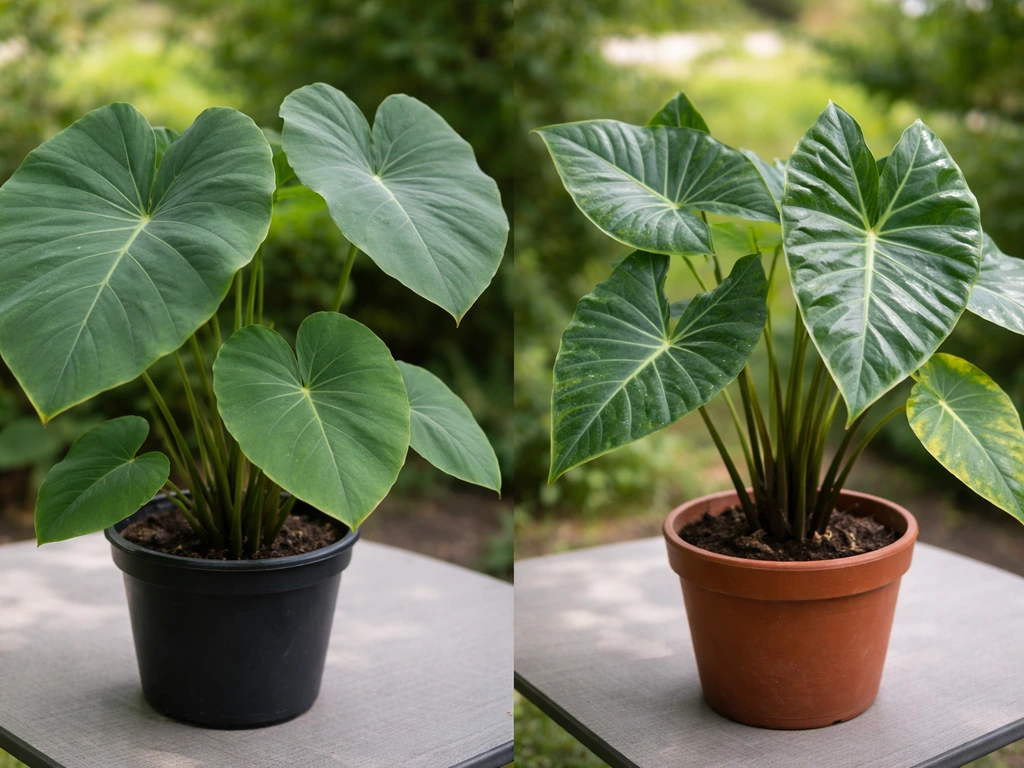
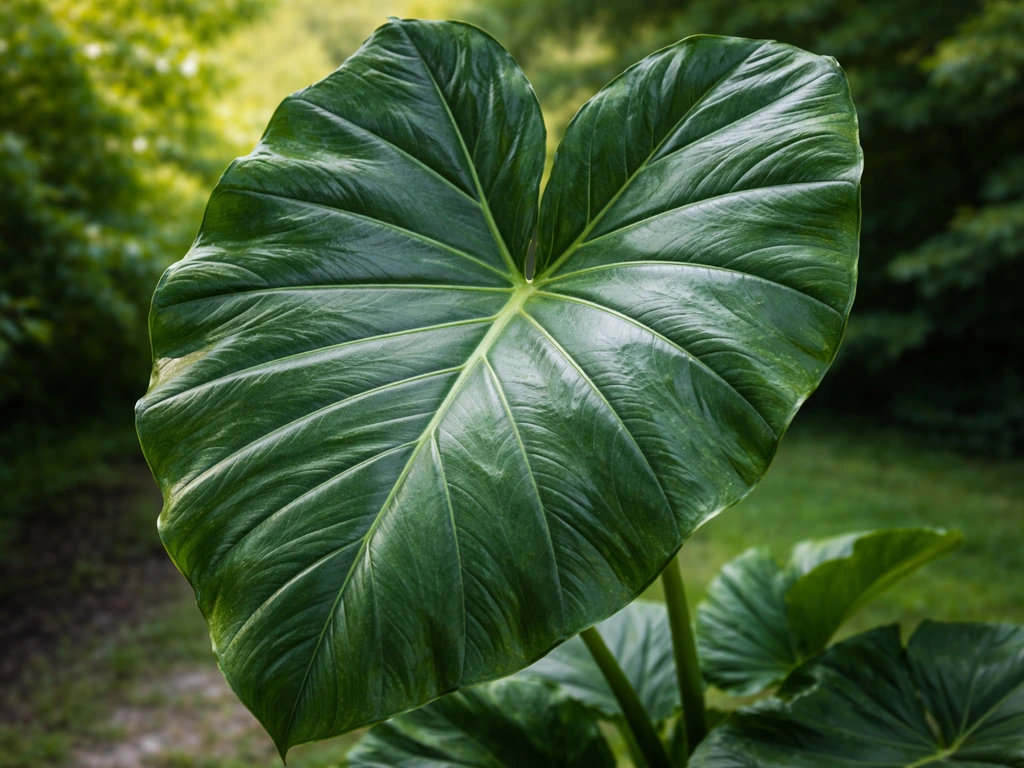
The name 'elephant ear' gets used loosely across several different plant genera, which is half the reason availability can seem confusing. The three you'll run into most often are Colocasia, Alocasia, and Xanthosoma. Colocasia esculenta is the most common by far. It's also called taro, and you'll see it labeled either way at retail. It has large, heart-shaped leaves where the leaf stem attaches near the center of the leaf (like a shield), the leaves tend to droop or angle downward, and it's the one most garden centers stock as a basic bulb or corm pack. Alocasia is the second big group, and it covers a huge range of named cultivars from the squat, dark-leafed 'Black Velvet' to the dramatic, towering 'Portora.' Alocasia leaves typically point upward and outward rather than drooping. Xanthosoma sagittifolium is a third type that gets confused with Colocasia fairly often, even by extension services, but it shows up less frequently in general retail. When most gardeners ask about elephant ears, they mean Colocasia esculenta or one of the Alocasia cultivars.
How rare are elephant ears, really
Common Colocasia esculenta is genuinely easy to find in spring. It's not a rare plant. It's been cultivated for thousands of years as a food crop (taro), it naturalizes aggressively in warm climates, and the USDA considers it invasive in parts of the Southeast. Big-box retailers sell it as a packaged bulb product every spring, sometimes labeled 'taro' and sometimes 'elephant ear bulb.' Spring Hill Nurseries lists it plainly as Colocasia esculenta with a note that it rarely flowers, just to set expectations. This is a plant you can find without much effort from roughly March through early June at mainstream retail.
Specialty Alocasia cultivars are a different matter. North Carolina State Extension's plant toolbox lists dozens of named Alocasia cultivars, each with different leaf textures, sizes, and hardiness characteristics. Finding a specific cultivar like 'Stingray,' 'Frydek,' or 'Dragon Scale' at a standard garden center is genuinely hit-or-miss. These come from specialty online nurseries and rare-plant suppliers. Plant Delights Nursery, for example, structures its catalog around rare specimens including corms and tubers, and its elephant ear section tends to carry unusual cultivars that you simply won't see at Home Depot. Availability through specialty distributors like those listed on supplier platforms is curated and seasonal, not a standing year-round inventory.
| Type | Rarity at Retail | Where to Find It | Notes |
|---|---|---|---|
| Colocasia esculenta (common taro/elephant ear) | Very common | Big-box stores, garden centers, online bulb retailers | Spring only; sold as packaged bulbs or corms |
| Colocasia cultivars (e.g., 'Black Magic,' 'Coffee Cups') | Moderately common | Online nurseries, specialty garden centers | More variety online than in stores |
| Alocasia (basic types, e.g., 'Polly,' 'Amazonica') | Common as houseplants | Garden centers, big-box stores year-round in some regions | Often sold as indoor/tropical houseplants |
| Alocasia specialty cultivars (e.g., 'Dragon Scale,' 'Stingray') | Uncommon to rare | Specialty nurseries, rare-plant shops, online only | Limited seasonal windows, higher price |
| Xanthosoma sagittifolium | Uncommon | Ethnic grocery stores, specialty online sellers | Less commonly stocked in standard nurseries |
Where to find them right now
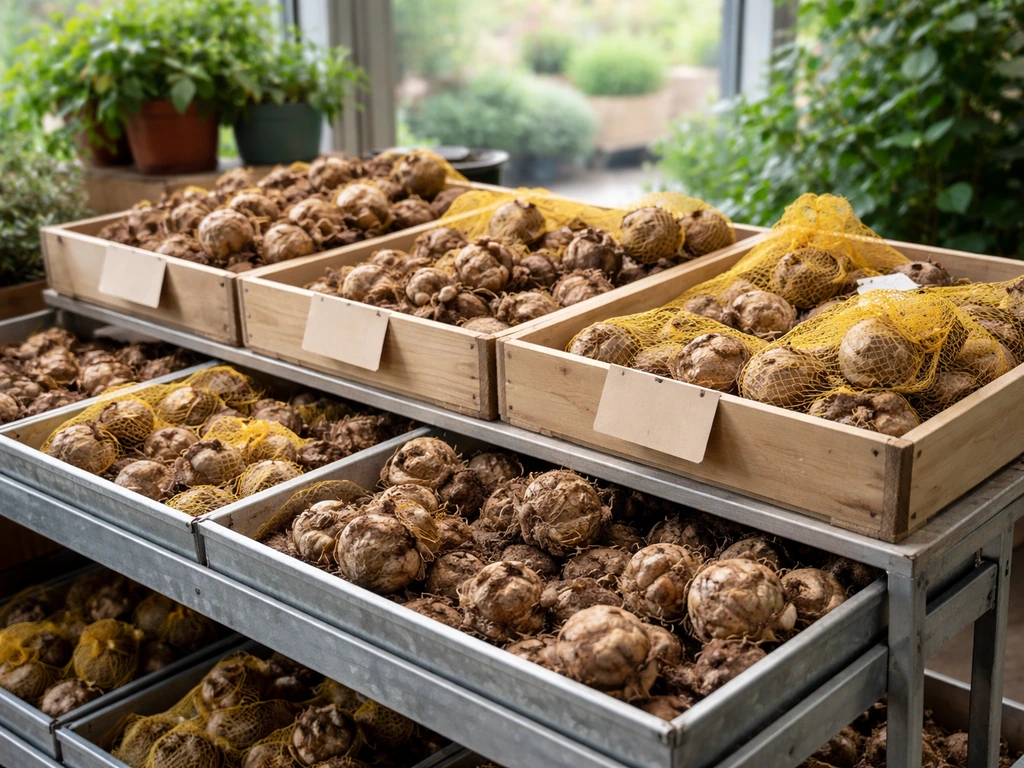
Right now in mid-April 2026, you're in the prime window for finding elephant ear bulbs and tubers at local retail. Walk into any Home Depot, Lowe's, or regional garden center and check the spring bulb display near the entrance. Colocasia bulbs are often packaged with caladiums and similar tropical bulbs and priced affordably, usually under $10 for a single large tuber. If your local store is already picked over (which can happen by late April in warmer zones), check their online ordering with in-store pickup. Stock moves fast once spring planting fever hits.
For specialty cultivars, the local store is rarely your answer. Go online. Reliable sources for rarer elephant ears include Plant Delights Nursery, Logee's, Breck's, Longfield Gardens, and smaller specialty tropical plant sellers on Etsy or through rare-plant Facebook groups. Logee's specifically addresses winter shipping with insulated packaging and express options, which matters less right now in spring but is worth bookmarking for future reference. Breck's uses zone-based shipping cutoffs for caladiums and elephant ears, so confirm they ship to your zip code and check their estimated delivery windows before ordering.
If you want an Alocasia specifically for indoor growing, your options are broader year-round. Basic Alocasia types like 'Polly' or 'Amazonica' show up as houseplants at garden centers even outside of spring bulb season. These are treated as tropicals, not seasonal bulbs, so the retail window is less restrictive.
Why timing matters so much for availability
Elephant ear tubers and corms are sold as a spring product in most of the country. Retailers bring them in for the March-to-June window and then they disappear. If you're searching in August or November, you're fighting against both sold-out retail stock and the shipping restrictions that specialty online nurseries impose during temperature extremes. Logee's, for example, uses insulated express shipping during cold weather to protect tropical shipments, which adds cost and limits availability windows. Breck's posts date cutoffs for tropical plant shipments by zone. Outside the spring and early summer window, your realistic options shrink to whatever is left in online clearance, locally grown specimens at farmers markets, or plants being divided by other gardeners.
If you're planning ahead, the University of Minnesota Extension recommends starting elephant ear bulbs indoors about 8 weeks before your last frost date, then moving them outside only after the soil warms to at least 65°F and frost risk is gone. In Iowa, that means mid-May outdoor planting is typical. In Georgia or Florida, you can plant outside much earlier. This timing is directly tied to when retailers stock bulbs: they follow planting schedules, so the shelves are loaded when it's time to start indoors in colder zones and when direct outdoor planting is appropriate in warmer ones.
How to judge rarity for your specific zone
Your USDA hardiness zone is the single biggest factor in how 'available' elephant ears are to you. In Zones 9 through 11, Colocasia esculenta is perennial. It comes back on its own, it can spread aggressively, and you can find divisions from neighbors, landscapers, or roadside patches in addition to nurseries. In Zone 8, it's marginal: the plant may survive a mild winter with protection, but a hard freeze kills the foliage. Alocasia handles Zone 8B and south without much trouble, regrowing from the base after frost kills the leaves. In Zones 3 through 7, both Colocasia and Alocasia are treated as annuals or stored as dormant tubers over winter. Iowa State Extension recommends digging corms after the first killing frost in fall and storing them in peat moss or wood shavings in a cool, dry location. This storage requirement means that in cold zones, gardeners either replant from new bulb purchases each spring or save their own tubers, and local nurseries know to stock accordingly.
Growing difficulty also affects perceived rarity. Elephant ears need heat, moisture, and reasonably rich soil. In dry climates, alkaline soils, or regions with short summers, they can underperform badly enough that local retailers stop stocking them because they don't sell. If you're in an arid Zone 6 or 7, local availability might genuinely be worse than in a humid Zone 6 in the Mid-Atlantic. Check whether your local nursery's elephant ear stock is limited not because the plants are rare but because your local climate makes them a tough sell.
Hardiness zone quick reference
| USDA Zone | Colocasia Treatment | Alocasia Treatment | Typical Retail Availability |
|---|---|---|---|
| Zones 9–11 | Perennial, no storage needed | Perennial, no storage needed | Year-round at garden centers |
| Zone 8 / 8B | Marginal perennial; mulch heavily | Perennial in 8B and south; dies back, regrows | Strong spring availability; some year-round |
| Zones 4–7 | Annual or store tubers over winter | Annual or store tubers over winter | Spring-only bulb packs at retail |
| Zones 3 and colder | Annual only; lift and store every fall | Annual only; lift and store every fall | Limited; mostly online specialty orders |
What to actually buy: tuber, corm, or seed
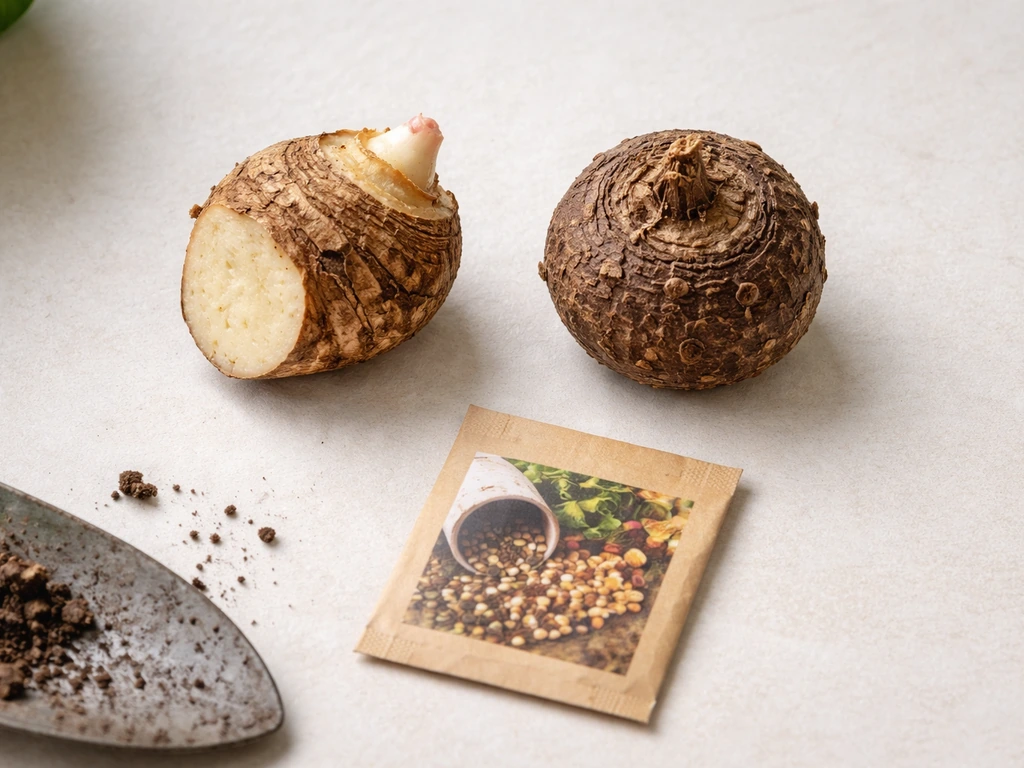
For Colocasia esculenta, buy a tuber or corm, not seed. Elephant ears grown from seed are slow, finicky, and rarely how the species is propagated commercially. The tuber is what you'll find at retail, and it's what gets you to a mature plant the fastest. A single large Colocasia tuber can produce a full-size plant with leaves spanning two feet or more within one growing season. When buying, look for firm, heavy tubers without soft spots or mold. Shriveled or lightweight tubers have lost too much moisture and will be slow to start or may fail entirely.
For specialty Alocasia cultivars, you're usually buying a rooted plant in a pot rather than a bare tuber. This is because many Alocasia cultivars are propagated by division or tissue culture rather than by corm, and shipping a live rooted plant is more reliable than shipping a bare rhizome. Expect to pay more for these, especially for the rarer cultivars. A basic Alocasia 'Polly' might run $10 to $20 at a garden center, while a specialty Alocasia cultivar from Plant Delights can be $25 to $60 or more depending on size and rarity.
Fast next steps: how to search, what to buy, and what to plant if you can't find what you want
Here's the direct action plan for right now, in mid-April 2026, when the window is open and stock is available.
- Start local this week. Check Home Depot, Lowe's, and any independent garden center near you. Look in the spring bulb section, usually near the entrance or in a seasonal display. Common Colocasia tubers should be on shelves now.
- Search online for specialty cultivars immediately. Use the botanical name, not just 'elephant ear.' Search 'Colocasia esculenta Black Magic tuber' or 'Alocasia Dragon Scale rooted plant' to get specific results. Vague searches return vague stock.
- Check shipping restrictions before you order. Confirm the nursery ships to your state and zone, and verify the estimated ship date. Breck's and similar retailers use zone-based cutoff windows. Order now while spring shipping is active.
- If a specific cultivar is sold out, look for the parent species or a similar cultivar. 'Black Magic' Colocasia is dark-leafed and dramatic; if it's gone, 'Black Coral' or 'Illustris' offer similar visual effects. Don't let perfect be the enemy of a good growing season.
- If you're in Zone 6 or colder, start your tubers indoors now in pots. Aim to get them rooting and growing before your last frost, then transition them outside once soil hits 65°F. This gives you a head start and reduces your outdoor growing window constraints.
- Plan for fall storage if you're in Zones 3 through 7. After the first killing frost, dig tubers, let them dry, and store them in peat moss or dry wood shavings in a cool but frost-free location. This is how you avoid buying new tubers every spring.
If your specific cultivar is truly unavailable
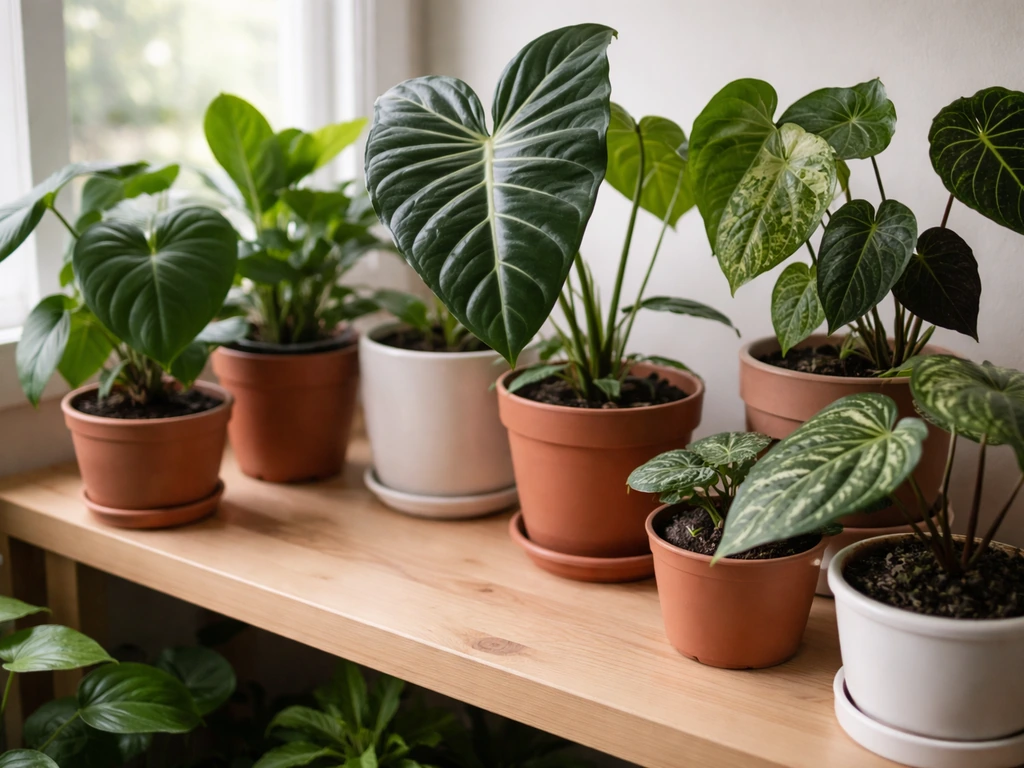
Genuinely rare Alocasia cultivars do sell out, sometimes for the entire season. If that happens, a few substitution strategies work well. First, join a rare-plant Facebook group or a gardening subreddit community and post a want-to-buy notice. Collectors often divide plants and sell or trade locally at prices well below specialty nurseries. Second, check Etsy, where small specialty growers list Alocasia and Colocasia cultivars, including tissue-culture starts of rarer varieties. Third, consider a visually similar but more available plant for this season: caladiums offer similar dramatic tropical foliage in a smaller package, and both Colocasia and Alocasia siblings in the elephant ear family (like Xanthosoma) can scratch the same itch while you wait for your specific cultivar to come back into stock next year. The rarity question for elephant ears really comes down to which one you want, not whether elephant ears as a category are hard to find. How rare is the ostrich in Grow a Garden? It usually comes down to the specific conditions and availability window in the game. Capybara are also unusually hard to find in many home-garden contexts, so it helps to set expectations and look for specific, reliable sources capybara in grow a garden. For most gardeners, this is a common plant in a common season. It's only at the cultivar level that the hunt gets interesting. If you mean the praying mantis specifically, its rarity depends heavily on your game season and which drops are active right now. For context on another colorful rarity in the same game, you might also be wondering how rare is the scarlet macaw in Grow a Garden.
FAQ
How can I tell whether the “elephant ear” I’m buying is Colocasia, Alocasia, or Xanthosoma?
If a store labels something as “elephant ear,” it may be Colocasia, Alocasia, or Xanthosoma. Before buying, check the leaf habit described on the tag or product page (Colocasia typically droops downward, Alocasia tends to point upward and outward). If the label does not specify, ask staff what genus they’re selling or look up the exact cultivar name on your receipt before planting.
What are my realistic options if I can’t find elephant ears in stores right now?
The spring “bulb shelf” is mostly about products that are shipped for planting in March through early June. If you miss that window, your best options are (1) buying potted Alocasia houseplants, which can be available year-round, (2) finding local divisions from neighbors or plant swaps, or (3) buying online clearance that seasonally appears in late spring, but avoid assuming you can purchase fresh tubers anytime.
Why do my elephant ears fail or grow very slowly even when I can find bulbs?
Yes, and it’s a common reason they seem “rare” or fail to establish. Colocasia and Alocasia generally need warm soil to start well, so planting too early can lead to rot or slow growth. Use soil temperature and last-frost timing, not calendar dates, and aim for soil around mid-60s Fahrenheit or warmer before putting tubers out.
Why do specific Alocasia cultivars sell out faster than generic elephant ears?
For most gardeners, “rare” cultivars are harder to locate because they are propagated and shipped seasonally, often as rooted plants for Alocasia rather than bare bulbs. To maximize your odds, buy early in the season (before late-April pickup stock is gone), and pre-check whether a seller offers size tiers or waitlists for sold-out cultivars.
What should I inspect on Colocasia tubers or corms before I buy?
Look for tubers or corms that are firm and heavy for their size, with no soft or wet spots, no mold, and minimal mushiness at the “growing point.” Shriveled, very light tubers often have lost too much moisture, which can delay sprouting for weeks or cause total failure.
If I’m in a colder zone, how should I store elephant ear tubers so I can replant next year?
If you’re in a cold zone and plan to save tubers, the timing matters. Dig after a first killing frost so the plant has finished transferring energy to the tuber, then store in a cool, dry, breathable medium. If you store too warm or too wet, you can get rot, and if you replant too soon, you’ll repeat the slow-start problem.
Are rooted Alocasia plants better to buy than bare tubers for online orders?
For “rare” Alocasia, many sellers provide rooted, actively growing plants, and those are easiest to keep alive during transit and acclimate. If you buy bare or partially rooted material online, expect higher loss risk, and plan for a brief quarantine-like acclimation indoors before moving outside.
Could my local soil or drainage be why elephant ears are hard to find or hard to grow?
Check your local soil and drainage first, because elephants ears can be marketed as heat-lovers, but waterlogging is a major failure cause. Aim for consistently moist (not soggy) conditions, use rich soil, and improve drainage with organic matter. If your soil stays wet and cold, availability may drop because plants don’t perform well there.
How does indoor growing change which elephant ears I can buy and when?
For indoor growing, basic Alocasia plants often appear outside of the spring bulb rush because they are treated like tropical houseplants. If your goal is year-round availability rather than maximizing outdoor performance, look for potted plants (especially compact types) and keep humidity up, since dry indoor air can stunt growth even when the plant is present.
What should I substitute if my exact elephant ear cultivar is out of stock?
A good substitution strategy is to match the look and growth habit you want, not the label. For similar dramatic foliage while you wait, caladiums can satisfy the “showy leaf” effect, and Xanthosoma can scratch the elephant ear look when the exact Colocasia or Alocasia cultivar is sold out.
Next Article
How Rare Is the Ostrich in Grow a Garden?
Find what ostrich means in Grow a Garden, then estimate how rare it is and where to check today.